Discover the amazing world of trees; each tree on this list has been selected for its unique beauty, interesting characteristics, or ecological importance. From the robust giants that dominate the forests to exotic species with fascinating stories, this visual tour will take you through a surprising journey through nature. Prepare to be marveled by these impressive living beings that are much more than mere landscapes: they are fundamental to life on Earth.


















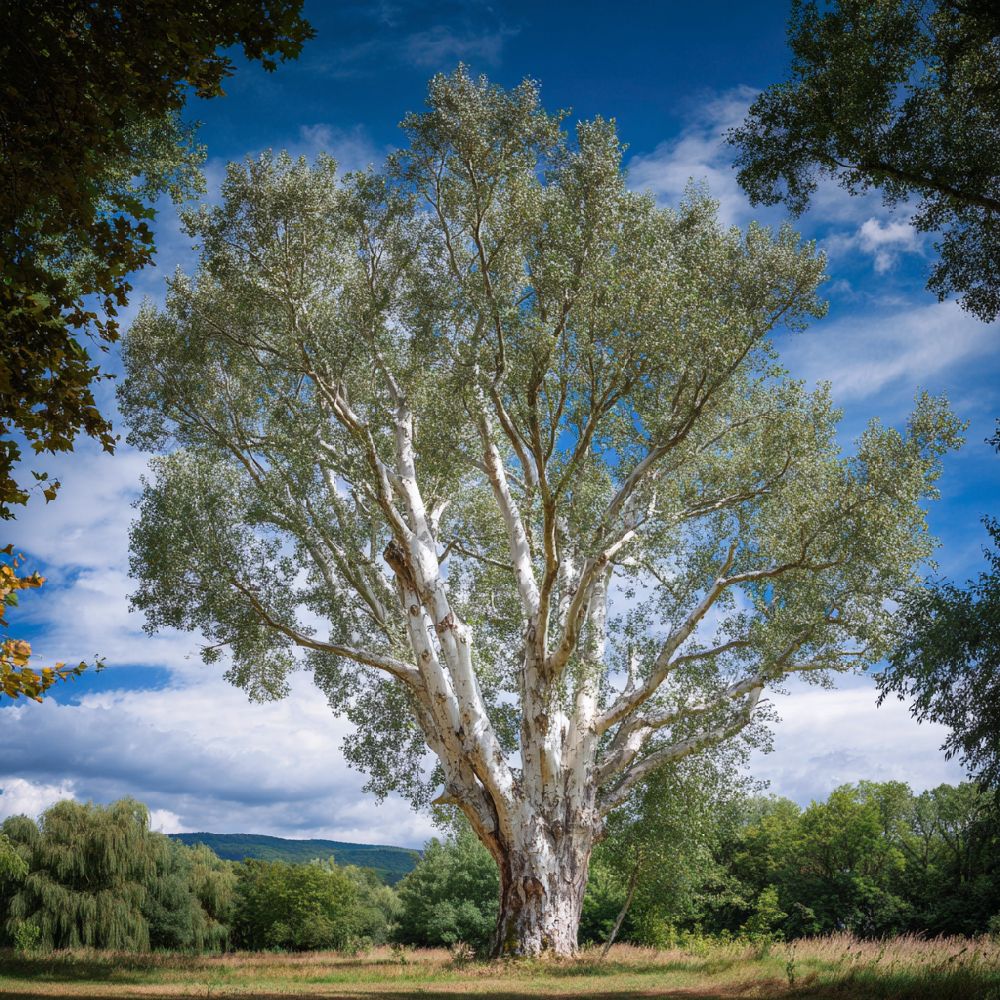
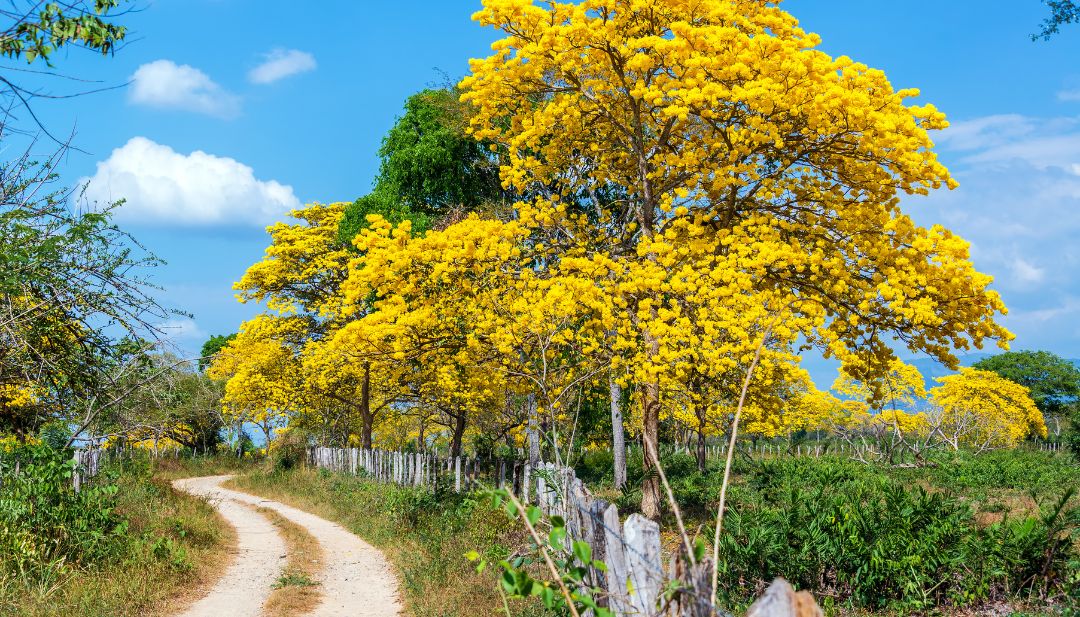
Introduction to Trees
What makes a tree, a tree?
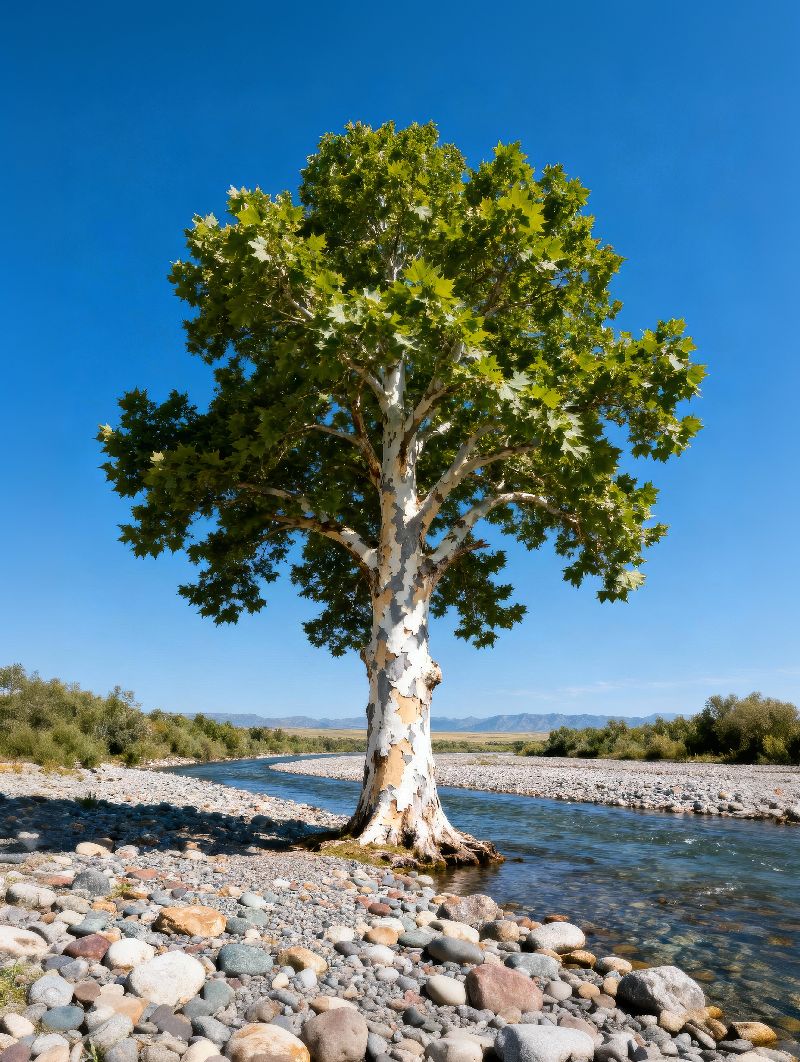
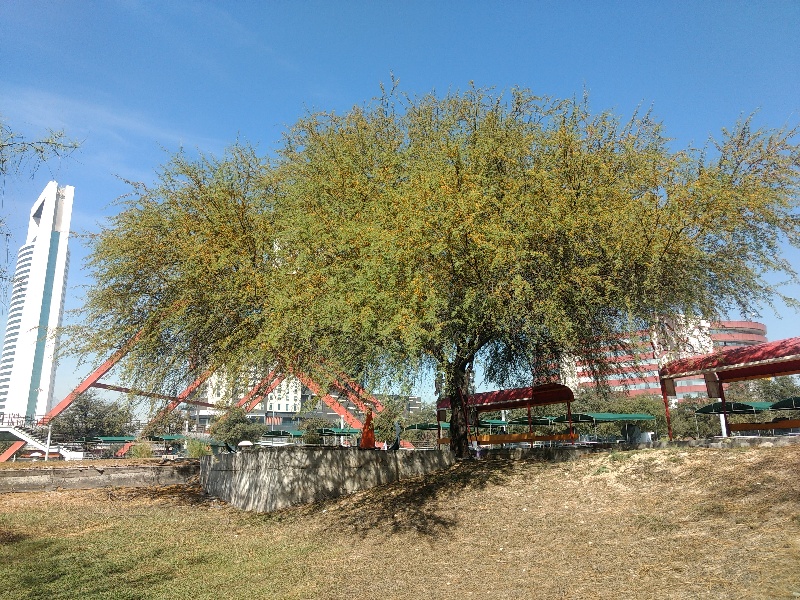
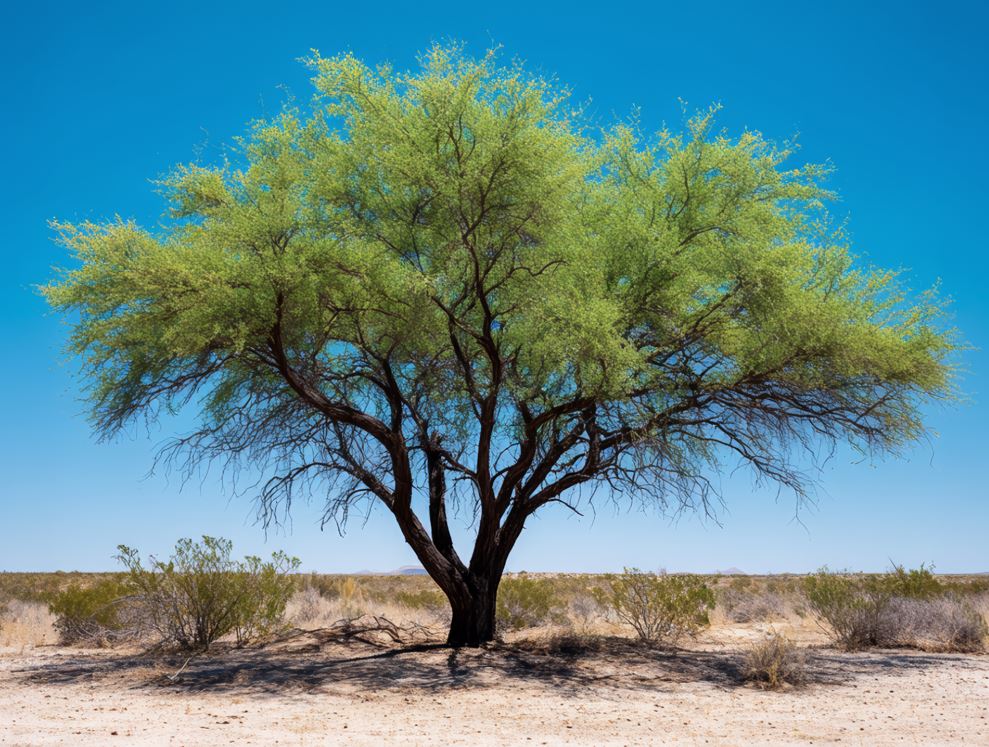
Trees are impressive living beings that form a fundamental part of our planet. But what exactly characterizes them? A tree is a woody-stemmed plant that branches out at a certain height above the ground. A tree's structure is mainly composed of roots, a trunk, branches, leaves, and often flowers and fruits. The roots help the tree anchor itself to the ground and absorb nutrients and water. The trunk supports the branches that extend upward and outward, increasing the tree's ability to absorb sunlight through its leaves.
The importance of trees in our ecosystem
Trees are vital for maintaining the balance of our ecosystem. They act as the planet's lungs, absorbing carbon dioxide and releasing oxygen, which directly contributes to our survival. Additionally, they provide home and food for numerous species of animals and plants, helping to maintain biodiversity. Trees also play a crucial role in climate regulation and soil erosion prevention, filtering pollutants and storing water, which reduces the risk of flooding. Without a doubt, trees and plants are essential components of a healthy and sustainable environment.
Let's continue exploring other fascinating aspects of beautiful trees and how these living beings sustain life on Earth.

Discovering Arboreal Diversity
Fruit Trees
Fruit trees are essential in gardens and orchards worldwide, not only for their ability to produce delicious fruit but also for their environmental benefits. Some popular examples include the apple tree, pear tree, orange tree, and banana plant. These trees not only provide shade and oxygen but also attract bees and other pollinators that are crucial for the health of our ecosystem. Furthermore, growing fruit trees can be a sustainable food source, making them a valuable and practical addition to any outdoor space.
Ornamental Trees
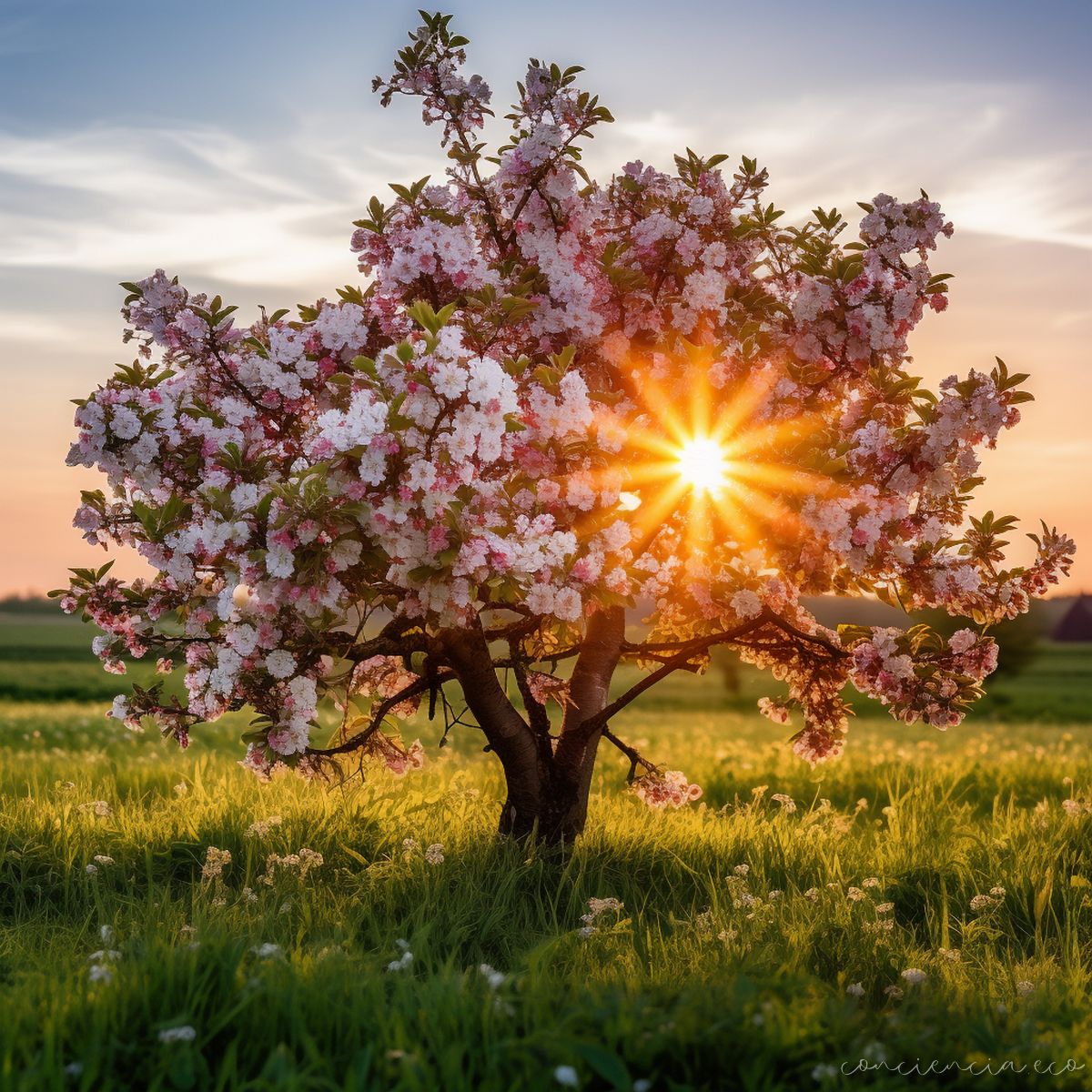
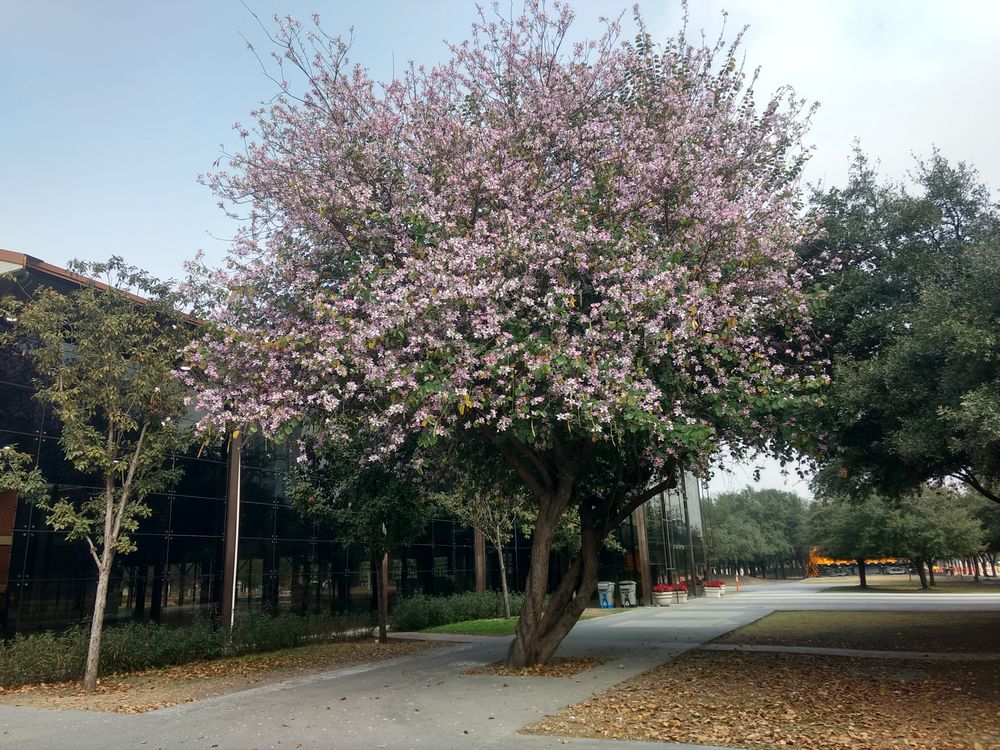
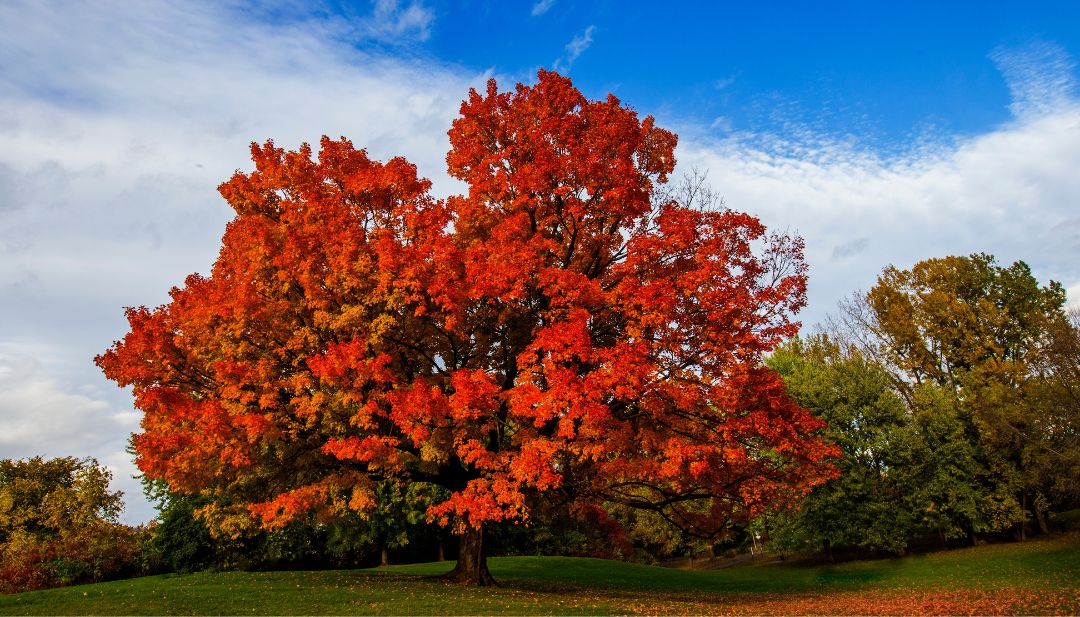
In landscape design, ornamental trees are chosen for their unique aesthetics and their ability to complement different environments. Some of the most admired for their beauty are the Japanese cherry, known for its spectacular blossoms, and the red maple, appreciated for its vibrant autumn coloring. These beautiful trees not only visually enrich spaces but also improve air quality and offer shade, creating cooler and more pleasant environments during the warm months.
Forest Giants
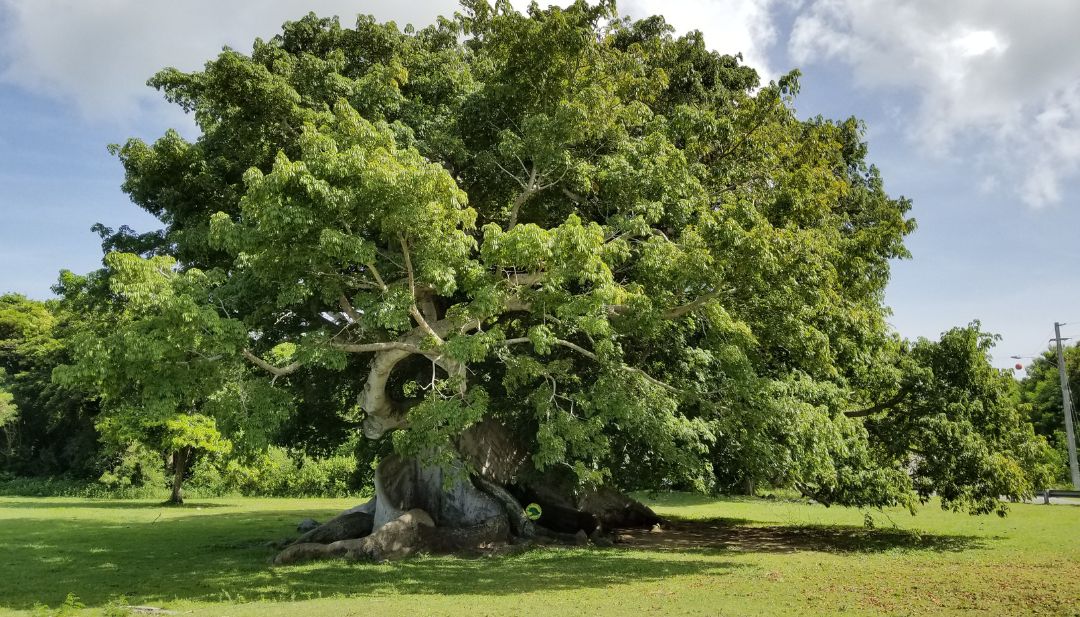
Among trees, some stand out for their impressive height and longevity. These forest giants include species such as the giant sequoia and the Douglas fir, which can reach astounding heights of over 80 meters. These colossi are not only a majestic sight but also play a crucial role in the forest ecosystem, providing structure to the woods and habitats for many animal species. Their size and the amount of carbon they can store make them vital in our efforts to combat climate change.
Exploring the diversity of trees allows us to further appreciate their importance and the role they play in sustaining life on our planet.

How Trees Help Our World
Ecological Benefits of Trees
Trees offer a wide range of ecological benefits that are essential for the planet's well-being. One of their most important roles is carbon dioxide sequestration, helping to mitigate the effects of climate change. Additionally, they improve air quality by filtering harmful gases and trapping dust particles. Trees also contribute to water conservation in the ecosystem, regulating water cycles through evapotranspiration and helping to prevent soil erosion with their roots, which act as a natural anchor.
In urban areas, trees are crucial for reducing the "heat island" phenomenon, as their shade and the release of water help lower local temperatures. They also provide a vital refuge for many species of fauna, promoting biodiversity even in densely populated cities. Undoubtedly, trees and plants play a crucial role in maintaining our planet's environmental health.
Trees and Sustainability
Trees are fundamental in promoting a more sustainable world. Planting trees is one of the most effective and affordable ways to combat climate change. Furthermore, sustainably managed forests provide renewable resources that can be used for everything from construction to paper production without depleting ecosystems. Reforestation programs and sustainable forest management not only preserve wildlife habitats but also create jobs and generate income for local communities, helping to foster a harmonious relationship between humans and nature.
Moreover, trees are essential in sustainable agriculture. They act as natural barriers that protect crops from strong winds and increase soil fertility through nutrient cycling. In many landscapes, trees also help control pests and diseases, reducing the need for harmful chemicals and promoting more natural and safe agricultural practices.
In summary, trees are pillars of environmental, economic, and social sustainability, providing natural solutions to many of the challenges we face in the modern world.

Tips for Planting and Caring for Trees
Selecting the Right Tree for Your Garden
Choosing the right tree for your garden is crucial to ensure its healthy growth and development. First, consider the climate and soil type of your location. Not all trees adapt to all weather conditions or soil types. Researching the specific needs of different species can help you make an informed decision. Additionally, think about the available space; some trees require more room than others to expand their roots and canopy. Finally, determine the purpose of the tree: are you looking for shade, fruit, or simply an ornamental element? Each objective may require a different species.
Tree Maintenance and Care
Proper tree care is essential for their health and longevity. Water young trees regularly, especially during dry periods, to establish a strong root system. Pruning is equally important; remove damaged or diseased branches to prevent major problems and stimulate growth. Additionally, make sure to fertilize your tree appropriately according to the species' needs, as nutrients are fundamental for its development. Finally, watch for the appearance of pests and diseases and act quickly to treat them. Proactive maintenance is key to the long-term success of your beautiful trees.
Conclusion
Planting and caring for trees is more than a simple gardening activity; it is an investment in our future and a step toward greater ecological awareness. Trees offer countless benefits, from improving our air quality to supporting biodiversity and mitigating climate change. Every tree planted is a step toward a greener and more sustainable world. So, I encourage you to consider how you can contribute, whether by planting a new tree in your garden or caring for the ones you already have. Every small effort counts!