
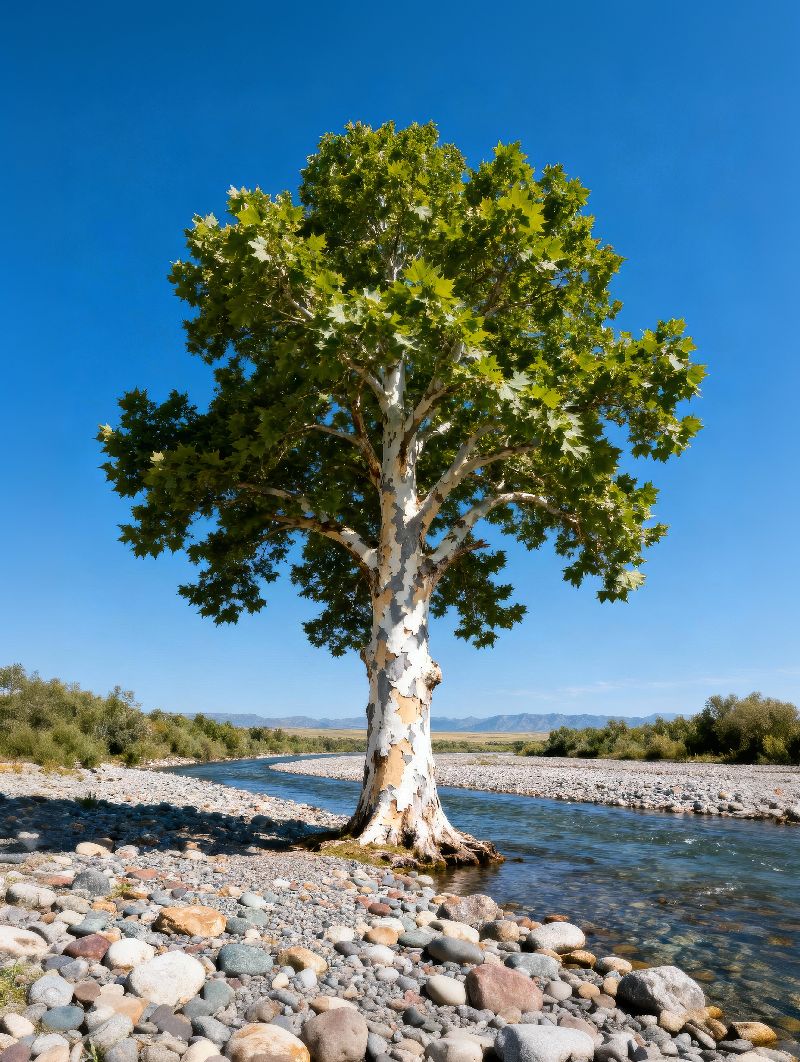
The white poplar tree, scientifically known as Populus alba, is a majestic tree that adorns landscapes worldwide with its imposing presence. Characterized by its rapid growth and ability to reach impressive heights, this tree is both a visual spectacle and a vital organism within its ecosystem. In this article, we will take you on a journey through the characteristics, importance, and care of the white poplar, providing you with a comprehensive guide on how to identify and keep this giant among trees healthy.
How to Identify a White Poplar Tree
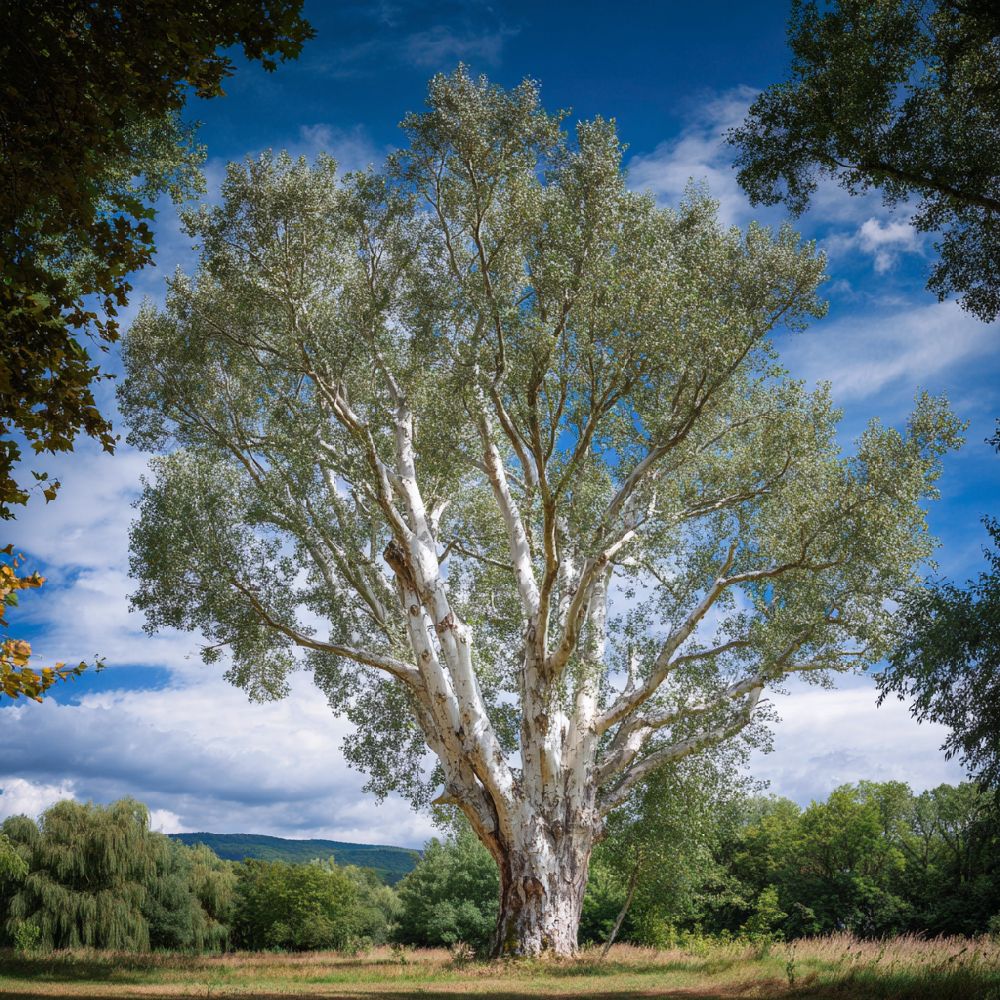
Identifying a white poplar is the first step to understanding its importance and learning how to care for it properly. This tree is distinguished by its lobed leaves, dark green on the upper side and silvery white on the underside, giving it a vibrant appearance when the wind moves its branches. Additionally, its white, cracked bark is another distinctive feature that makes it easy to identify even from a distance.
Habitat and distribution
The white poplar tree is remarkably adaptable and can be found in a wide variety of habitats. Although native to Europe and Asia, its ability to thrive in different climatic conditions has facilitated its spread to many other parts of the world, including North America. It prefers moist but well-drained soils and is commonly seen along rivers, lakes, and in urban areas, where it is frequently planted for its beauty and generous shade. Understanding its natural habitat is crucial for its care, as it guides us toward the optimal conditions we should strive to replicate in controlled environments or gardens.
Unique Characteristics of the White Poplar Tree
The white poplar (Populus alba) is a tree that captivates not only with its form and height but also with distinctive characteristics that make it stand out among other tree species. Its adaptability and beauty make it a favorite among many landscapers and nature enthusiasts. Below, we detail some of the unique features that define the white poplar tree.
The Leaves of the White Poplar Tree: Form and Function
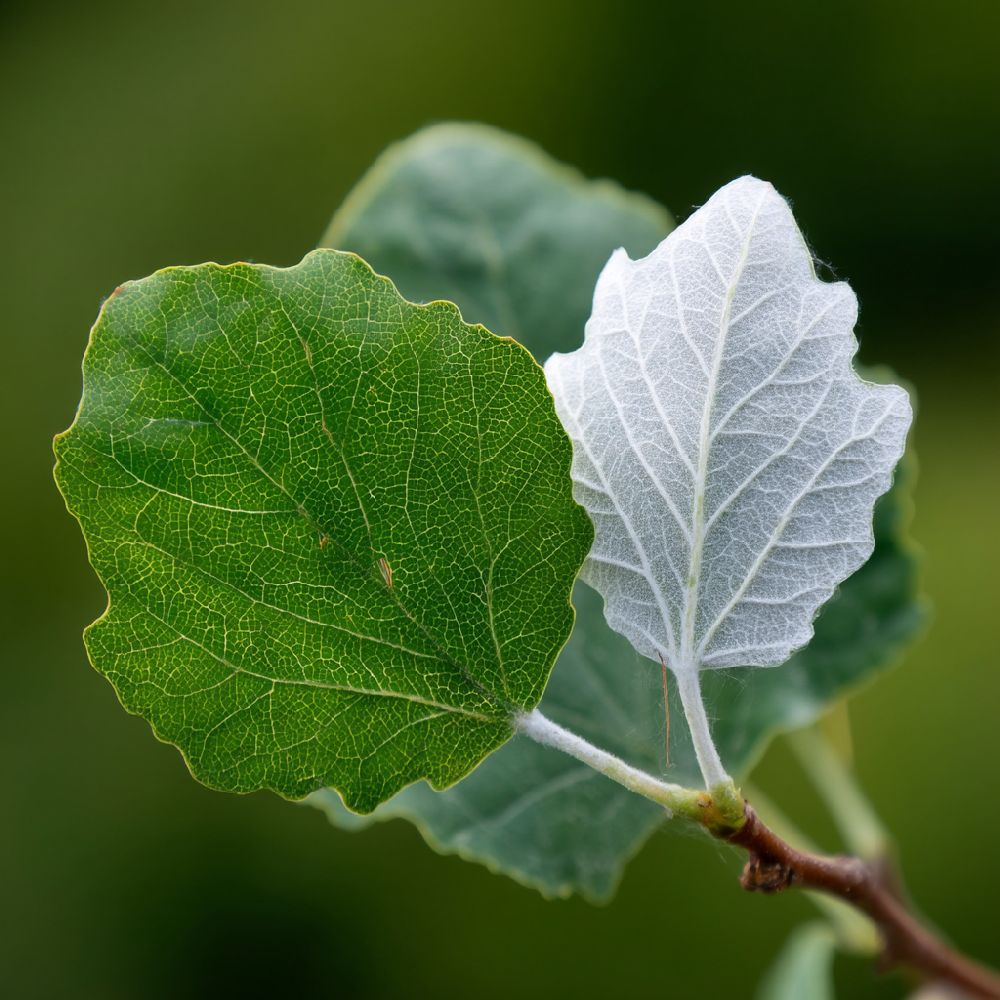
The leaves of a white poplar are recognizable by their lobed shape and serrated edges, offering a unique visual spectacle. The upper surface is a dark, glossy green, while the underside presents a silvery white tone due to the presence of a fine layer of hairs. This duality of colors is not only visually appealing but also serves important functions: it helps reflect excessive sunlight and minimizes water loss, allowing the tree to adapt to various environments. The beauty of its leaves in motion, with the contrast of their colors, provides a captivating visual dynamic in any landscape.
The White Poplar Trunk: Support and Strength
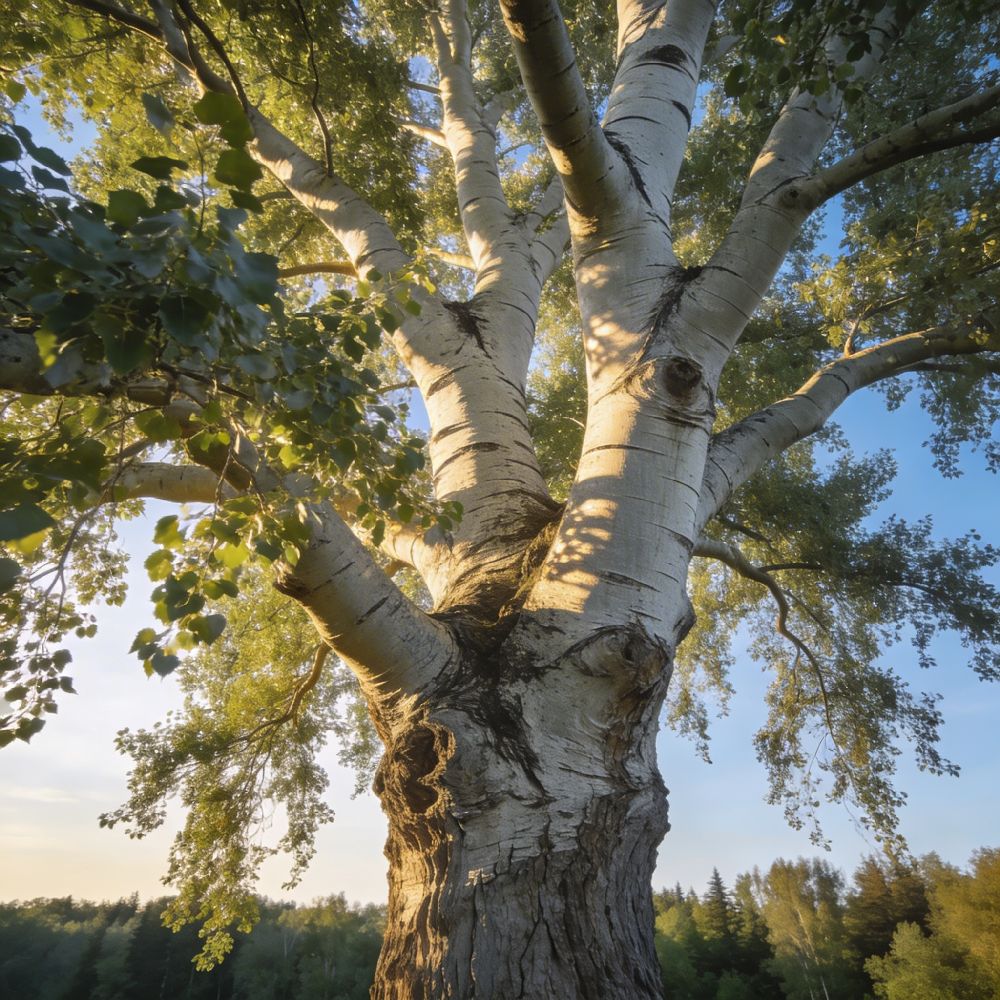
The trunk of the white poplar tree is characterized by its robustness and light-colored bark, with shades ranging from gray to white, often marked by vertical fissures. These features not only provide structural support to the tree, allowing it to reach considerable heights, but also offer resistance against adverse weather conditions and pests. The bark, besides being visually distinctive, acts as a protective barrier that helps the tree conserve water and defend itself against diseases and external damage.
The Roots of the White Poplar: A Living System
The roots of the white poplar constitute a complex and efficient system, spreading extensively both on the surface and in depth. This extensive root system allows it to access water resources at different soil levels, granting it great capacity to survive in diverse environments. Additionally, the roots of the white poplar tree have the unique ability to produce shoots, which facilitates the propagation and regeneration of the tree. This underground life system not only supports the structure and growth of the tree but also plays a crucial role in soil stabilization, preventing erosion and improving the quality of the surrounding ecosystem.
Flowers and Fruits of the White Poplar: Reproduction and Dispersal
The flowers of the white poplar are modest but essential for its life cycle. Appearing before the leaves in spring, the flowers are arranged in pendant catkins, with separate male and female flowers on different trees (dioecious). The male catkins, slender and elongated, produce a large amount of pollen to be dispersed by the wind. Meanwhile, the female catkins, once pollinated, give rise to the development of small circular capsules that form the tree’s fruits. When these capsules mature, they open and release numerous seeds, each nestled in a cottony fiber that aids its journey on the wind, allowing for wide dispersal.
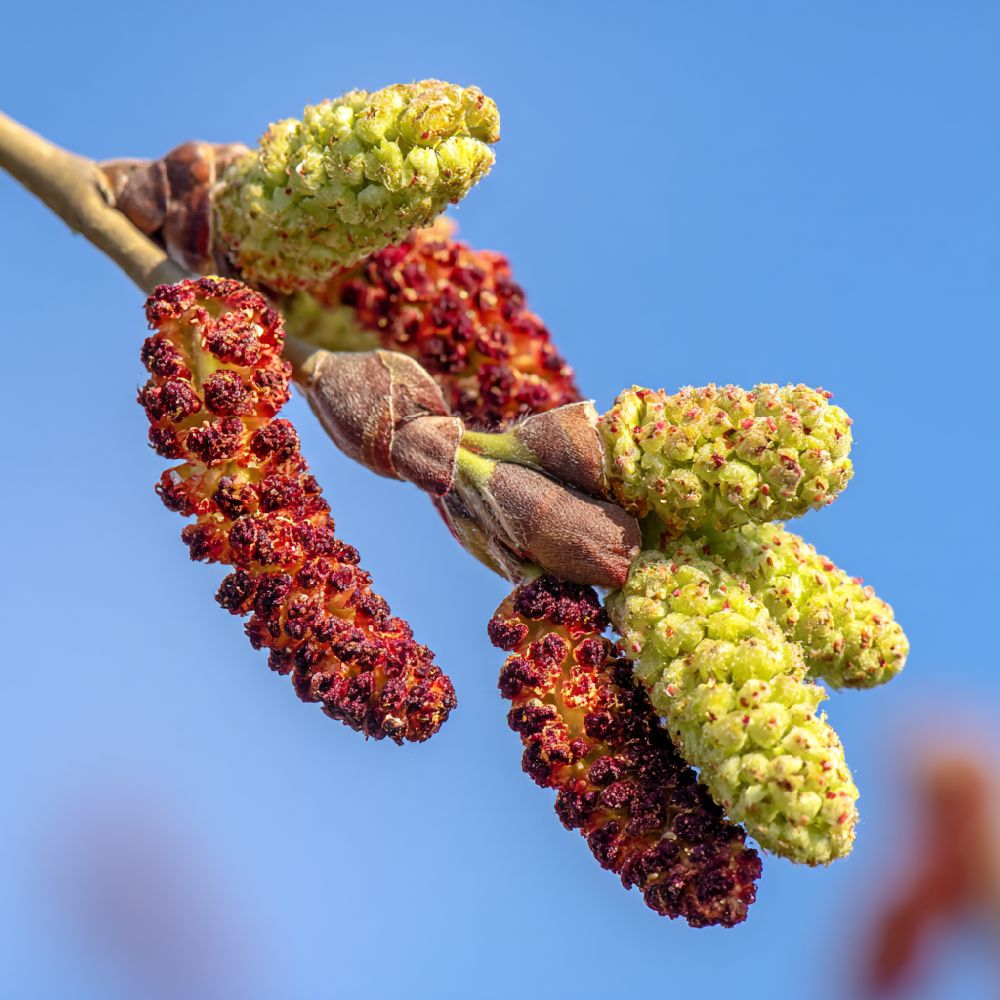
Each of these characteristics of the white poplar contributes to its uniqueness and majesty, making it a valuable and outstanding element in any landscape.
Exploring the Main Species of Poplar Trees
The poplars belong to a genus of trees known as Populus, which includes several notable species. Each has unique characteristics that distinguish them not only in appearance but also in their habitat preferences and uses. Here we will explore some of the main species of poplars, highlighting their particularities.
Black Poplar: The Shaded Giant
The black poplar (Populus nigra) is renowned for its impressive height and dense canopy that provides extensive shade, making it a favorite for parks and large gardens. Its leaves, a deep green, contrast with its dark, almost black bark, from which it takes its name. This tree is especially valued for its resilience and rapid growth, making it ideal for reforestation and for offering privacy in expansive spaces.
Quaking Aspen: Beauty in Motion
The quaking aspen (Populus tremula), named for the trembling of its leaves even in the slightest breeze, is a species that captures attention with its dynamic presence. Its rounded leaves, which turn golden and reddish hues in the fall, provide a visual spectacle throughout the seasons. This species adapts well to a variety of soils and conditions, though it prefers cooler, more humid areas. It is a popular choice to add movement and color to landscapes.
Balsam Poplar: Aroma and Resin
The balsam poplar (Populus balsamifera) is distinguished by the pleasant aroma emitted by its resinous buds, especially in spring. Its long, pointed leaves, along with its ability to thrive in challenging conditions, make it a resilient and valuable species. Additionally, this species is prized for its resin, which has applications in traditional medicine and in the production of balms and ointments. The balsam poplar is an excellent choice for those looking to add a fragrant element to their green spaces.
Each of these species of poplars brings its own character and beauty to the environments where they are planted, demonstrating the diversity and adaptability of this remarkable genus of trees.
Benefits and Properties of the White Poplar
The white poplar stands out not only for its striking beauty in the landscape but also for the multiple benefits and properties it offers to both the environment and communities. From its contribution to biodiversity to its practical applications, this tree is a valuable choice for reforestation projects, landscaping, and sustainable use.
Environmental Benefits of the White Poplar
The environmental benefits of the white poplar tree are numerous and significant. Among them, the following stand out:
- Improvement of air quality: Absorbs CO2 and releases oxygen, contributing to the fight against climate change.
- Urban temperature reduction: Its dense canopy provides shade and helps cool urban areas during the summer months.
- Soil erosion prevention: Its extensive root system stabilizes the soil and prevents erosion.
- Water filtration: Improves water quality by filtering contaminants and sediments thanks to its roots.
Uses and Applications of the White Poplar
The white poplar has a wide range of uses and applications, including:
- Landscaping: It is popular in parks and public spaces for its fast growth and generous shade.
- Industry: Its light and soft wood is ideal for the production of paper, fiberboard, and lightweight furniture.
- Traditional medicine: Some parts of the tree are used to treat various ailments, taking advantage of its medicinal properties.
Tips for Caring for a White Poplar Tree
To ensure healthy growth and longevity of the white poplar, consider the following tips:
- Light: Requires full sun exposure for optimal growth.
- Watering: It prefers moist but well-drained soils. It is crucial to water it regularly during its first years and adjust watering during extreme drought conditions.
- Fertilizer: It does not require frequent fertilization if planted in fertile soil, but a balanced fertilizer in spring can promote healthier growth in poor soils or after major pruning.
The White Poplars in Ecology: A Crucial Role
The white poplar tree, with its elegant stature and vibrant leaves, is not only a giant among trees in terms of its physical presence, but also plays an essential role in the ecology of the ecosystems where it thrives. Below, we explore how these trees contribute to biodiversity and how they impact climate change, highlighting their ecological importance.
Contribution to Biodiversity
White poplars are vital for the maintenance and enrichment of biodiversity. By serving as habitat and food source for various species, these trees foster a rich and diverse ecosystem. Birds nest in their branches, while their leaves and bark provide food for numerous insects, which in turn attract predators that maintain the natural balance. Furthermore, the white poplar hosts species of fungi and plants that depend on its presence to survive, thus creating a biodiverse and healthy environment.
The White Poplar and Climate Change
The white poplar plays a significant role in mitigating climate change. Through photosynthesis, these trees capture atmospheric CO2, one of the main greenhouse gases, converting it into oxygen and biomass. This process not only helps reduce the amount of CO2 in the atmosphere but also contributes to the formation of soils rich in organic carbon, which is essential in the fight against global warming. Therefore, the conservation and planting of white poplar trees becomes an effective strategy to combat climate change.
Conclusion: The Importance of the White Poplar in Our Ecosystems
The presence and proliferation of the white poplar in our ecosystems goes far beyond its undeniable beauty. These trees contribute significantly to ecological health, biodiversity, and the fight against climate change. By raising ecological awareness about the importance of protecting and valuing white poplar trees, we can take action to ensure they continue playing their crucial role in our natural environments. It is imperative to promote conservation and reforestation practices that include the white poplar, recognizing its value not only aesthetically but, more importantly, its essential contribution to global ecology. By doing so, we will be taking significant steps toward creating a greener and more sustainable future for generations to come.


