

What is a Weeping Willow?
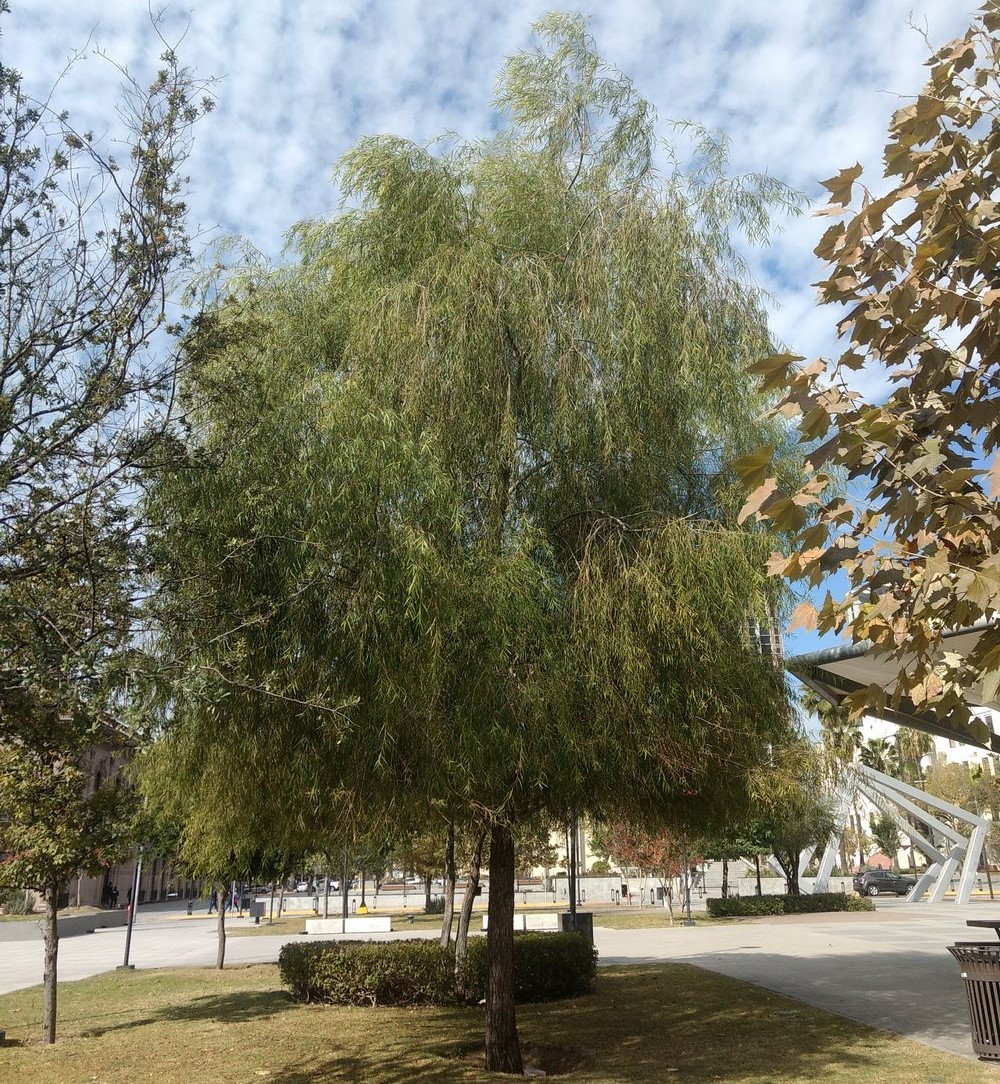
The weeping willow, scientifically known as Salix babylonica, is a tree species characterized by its poetic and unique aesthetic. This tree is famous for its long, slender branches that gracefully hang down toward the ground, creating a visual impression of sadness and melancholy, hence its name “weeping.” The willow is the tree with downward-leaning branches, which adds a distinctive and dramatic touch to the landscape.

Origin and Geographic Distribution
Contrary to what many might think, the weeping willow is not native to Babylon, but to China. From there, its cultivation spread to multiple regions of Asia and eventually to the rest of the world. Today, this tree can be found in a wide range of climates, predominantly in wet areas and along riverbanks, where its root system can take advantage of the abundant water supply.
Identification of the Weeping Willow
Distinctive Features of the Weeping Willow
The weeping willow stands out in the landscape for its elegant appearance and branches that flow toward the ground. Below, we explore two of the most notable features that help identify this unique tree:
The Leaves of the Weeping Willow Tree
The leaves of this tree are long, narrow, and lance-shaped, ranging from a deep green to a silvery hue depending on the light. They generally measure between 7 to 14 cm in length and have finely serrated edges. In spring, these leaves sprout abundantly, creating a dense canopy that gently sways with the breeze, imparting a sense of calm and serenity to the surroundings.

The Trunk and the Bark
The trunk of the weeping willow tree is as distinctive as its leaves. Robust and irregularly shaped, it supports the weight of the hanging branches. The bark, ranging from gray to dark brown, is characterized by its rough, fissured texture, which becomes more pronounced with the tree’s age. This bark not only serves as an identifying feature but also as a vital habitat for various wildlife species.

Varieties of the Weeping Willow Tree
- Salix babylonica – The most classic and recognized variety, with branches that hang dramatically close to the ground.
- Salix alba ‘Tristis’ – Also known as the golden weeping willow, noted for its golden bark and leaves that turn bright yellow in autumn.
- Salix caprea ‘Pendula’ – Known as the goat willow weeping tree, it is more compact and suitable for small gardens.
- Salix ‘Sekka’ – Famous for its fascinating bark and flattened branches that are popular in floral arrangements.
- Salix x sepulcralis ‘Chrysocoma’ – This hybrid is prized for its long yellow branches and dense foliage.
Comparison Between Types of Weeping Willow
Each type of weeping willow offers unique characteristics that suit different landscaping and climatic needs. While Salix babylonica is ideal for large open spaces due to its expansive growth, Salix caprea ‘Pendula’ is perfect for more confined areas. Varieties like Salix alba ‘Tristis’ provide a colorful seasonal change with their leaves turning yellow in the fall, offering a different visual spectacle compared to the constant green of Salix babylonica. Likewise, Salix ‘Sekka’ and Salix x sepulcralis ‘Chrysocoma’ are exceptional not only in landscapes but also as decorative elements in floristry, due to their peculiar shapes and colors of branches and bark.

Ecological Aspects of the Weeping Willow
Environmental Benefits of the Weeping Willow
The weeping willow is admired not only for its beauty but also for its contribution to the environment. This tree plays a crucial role in stabilizing riverbanks, thanks to its extensive root system that helps prevent soil erosion. Additionally, it is an excellent bioaccumulator of heavy metals, meaning it can improve soil quality by absorbing pollutants. It also provides a valuable habitat and food source for various species of birds, insects, and small wildlife, enriching local biodiversity.
Benefits and Uses of the Weeping Willow
Traditional and Modern Uses
Traditionally, the weeping willow tree has been used in the making of baskets and furniture due to the flexibility and strength of its branches. In landscape architecture, it is often employed as a focal point in large parks and gardens because of its striking visual presence. In modern times, its wood has been used in the manufacture of musical instruments and hand tools, taking advantage of its durability and aesthetic finish.

Investigated Medicinal Properties
The medicinal properties of the weeping willow have been studied for centuries. The bark of the willow contains salicin, a precursor to salicylic acid used in the manufacture of aspirin. This substance has been shown to be effective in treating pain and fevers. Recent research suggests that bark extracts may have anti-inflammatory and analgesic properties, offering significant therapeutic potential in natural medicine.
Disadvantages and Considerations When Growing a Weeping Willow Tree
Although the weeping willow tree is a beautiful and ecologically beneficial tree, its cultivation comes with certain drawbacks and important considerations. Its extensive and shallow root system can interfere with underground structures and damage the foundations of nearby buildings. Additionally, the constant falling of leaves and branches may require frequent maintenance, especially in urban environments. It is also susceptible to various diseases and pests, requiring constant vigilance to maintain its health and beauty.
Care and Maintenance of the Weeping Willow
Planting and Initial Care Guide
- Choosing the right location: Make sure to plant the weeping willow away from structures and underground pipes due to its invasive root system.
- Prepare the soil: The weeping willow thrives in moist, well-drained soils. It is essential to ensure that the ground is properly prepared to retain moisture without becoming waterlogged.
- Plant at the optimal time: The best time to plant is during the fall months or early spring, avoiding the climate extremes of summer or winter.
- Proper watering: After planting, it is crucial to deeply water the weeping willow, ensuring that water penetrates to the deepest roots. During the early growth stages, maintain a regular watering schedule.
- Application of mulch: Applying a layer of mulch around the base of the tree can help retain soil moisture, suppress weeds, and provide nutrients as it breaks down.

Long-Term Maintenance and Disease Prevention
To ensure the health and longevity of the weeping willow, it is important to follow a long-term care routine that includes regular pruning to remove dead or damaged branches and maintain its elegant shape. Watch for signs of diseases such as leaf spot or root rot, treating with fungicides if necessary. Additionally, it is advisable to periodically inspect the tree for pests like aphids or scale insects and treat them with appropriate insecticides. Regular maintenance not only improves the tree’s appearance but also strengthens its resistance to diseases and pests.
Conclusion: The Unique Value of the Weeping Willow in Ecology
The weeping willow is not only an aesthetic element in landscapes and gardens but also a key player in promoting ecological awareness. Through its ability to stabilize riverbanks and improve soil quality, this tree plays a vital role in both aquatic and terrestrial ecosystems. Encouraging its use and conservation can serve as an excellent example of how plant species contribute to ecological health and environmental sustainability.

Frequently Asked Questions about the Weeping Willow
How long does a weeping willow tree live?
Under ideal conditions, the weeping willow can live between 30 and 50 years, although some specimens may exceed this age range if given proper care.
Is the weeping willow suitable for any garden?
Due to its size and expansive root system, the weeping willow is recommended for large gardens where there is enough space for its growth without interfering with structures or underground pipes.
What common problems affect the weeping willow?
The most common problems include diseases such as leaf spot and root rot, as well as pests like aphids and scale insects. Regular maintenance and monitoring help to prevent and effectively treat these issues.
Does the weeping willow need a lot of water?
Yes, the weeping willow tree prefers consistently moist soils. It is ideal to plant it near water sources such as rivers or ponds, where it can take advantage of the natural moisture in the environment.


