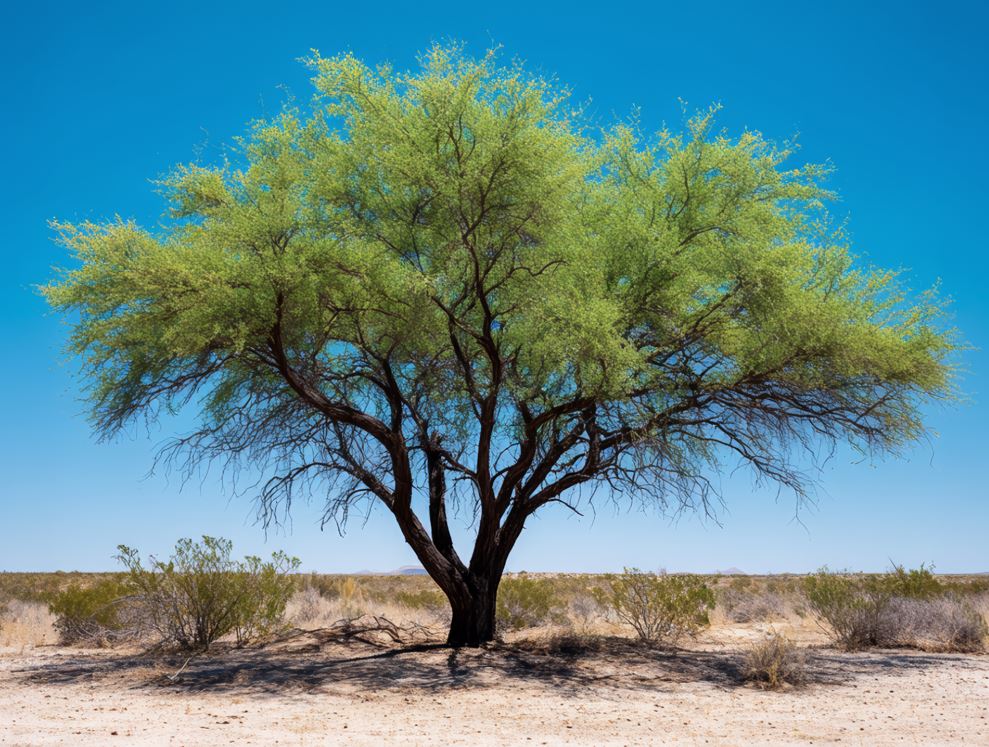
The Walnut Tree: A Giant of Nature
The walnut tree, scientifically known as Juglans regia, stands majestic in the landscape, offering not only its prized fruit, the walnut, but also beautifying the surroundings with its imposing presence. This giant of nature has long been a symbol of wisdom and sustenance, holding a special place in various ecosystems and cultures around the world.

What makes the Walnut tree unique?
The walnut tree stands out for its longevity and its ability to provide not only food but also high-quality raw material for furniture and works of art. Its fruit, the walnut, is globally appreciated for its health benefits, rich in essential nutrients. But what truly makes the walnut tree unique is its contribution to biodiversity and its ability to improve soil quality, making this tree an invaluable ally in the fight against climate change.
Botanical Characteristics of the Walnut Tree
The walnut tree has fascinating botanical characteristics that distinguish it from other trees. From its sturdy trunk to its broad canopy, every part of the walnut tree plays a crucial role in its growth and survival.

The Walnut Leaves: More Than a Green Mantle
The leaves of the walnut tree, with their distinctive shape and texture, not only provide shade and oxygen but also play an essential role in the ecosystem by hosting a variety of wildlife and contributing to soil health.
Form and Function: Leaves in Detail
Each leaf of the black walnut tree is a complex system of life. Compound, lance-shaped, and serrated along the edges, these leaves not only capture sunlight for photosynthesis but also act as natural filters, purifying the air we breathe. Furthermore, the walnut leaves release substances that nourish the soil, enriching it and supporting the growth of other plants in their surroundings, thereby demonstrating the interconnectedness of life and the importance of every organism in sustaining ecosystems.

The Life Cycle of Leaves: From Spring to Autumn
With the arrival of spring, the walnut tree dresses in a bright green, announcing the beginning of a new life cycle. The leaves, at their peak, not only beautify the landscape but also work tirelessly, converting sunlight into energy through photosynthesis. As autumn progresses, these same leaves turn golden and copper hues, creating a visual spectacle in the landscape before falling to the ground, where they will decompose and nourish the soil, preparing it for the next cycle.
The Trunk: The Backbone of the Walnut Tree
The trunk of the black walnut tree not only supports the majestic structure of the tree but also serves as the main channel through which essential nutrients flow from the roots to the leaves. Its strength and durability make the black walnut a vital element within its ecosystem, providing shelter and food for various species.
Resilience and Beauty: The Texture and Color of the Trunk
The bark of the walnut tree is characterized by its rough texture and color that ranges from gray to dark brown, providing not only natural resistance against the elements and diseases but also a unique beauty that has been valued in woodworking and cabinetry for centuries. This blend of strength and aesthetics makes the walnut tree admired both for its utility and its natural beauty.

Growth and Development: How to Identify Its Age
Determining the age of a walnut tree can be a fascinating task. Through observing its trunk and measuring the diameter, along with counting the growth rings visible on a cross-section, it is possible to estimate its age. This process reveals not only the years of the tree’s life but also the history of its environment, including periods of drought or water abundance it has experienced.
The Roots of the Walnut Tree: The Hidden Foundation
The roots of the walnut tree extend deeply into the soil, forming a complex system that not only anchors the tree, providing stability, but also absorbs vital water and nutrients from the ground. This root system, often as extensive as the tree’s canopy, plays a crucial role in preventing soil erosion and maintaining the hydrological health of the area. The roots, although hidden from view, are fundamental to the life and growth of the walnut tree, underscoring the importance of every part of this impressive tree in maintaining ecosystem balance.
Walnut Production: Fruits and Flowers
The walnut tree is admired not only for its imposing presence and the generous shade it provides, but also for its ability to produce nuts and flowers, essential elements that contribute to the tree’s life cycle and benefit its environment.

Walnut Nuts: A Nutritious Gift
Nuts, the quintessential fruit of the walnut tree, are valued worldwide for their high nutritional content and multiple health benefits. These seeds, enclosed in a hard shell, are not only a versatile ingredient in the kitchen but also a powerful food that enhances cardiovascular and brain health.
From Flower to Fruit: The Pollination Process
The pollination process in the walnut tree is fascinating and essential for nut production. The male flowers, in the form of catkins, release pollen which is carried by the wind to the female flowers. This natural pollination act ensures fertilization and the subsequent development of the fruit, in a life cycle that highlights the close relationship between the walnut tree and its environment.
Nutritional Properties of Walnuts
Walnuts are a rich source of omega-3 fatty acids, antioxidants, vitamins, and minerals, making them an excellent food to improve heart health, reduce inflammation, and support cognitive function. Regular consumption can significantly contribute to a balanced and healthy diet.

The Walnut Tree Flowers: Ephemeral Beauty
Although less known than its fruits, the walnut tree’s flowers are equally important for biodiversity and the tree’s reproduction. Their appearance marks the beginning of the growing season and plays a vital role in the pollination process.
Types of Flowers and Their Ecological Importance
The walnut tree presents two types of flowers: male and female. The male flowers, long and hanging, and the female flowers, smaller and less conspicuous, coexist on the same tree. This arrangement promotes ecological diversity, attracting a variety of pollinators that contribute to the health of the surrounding ecosystem.
The Role of Flowers in Walnut Reproduction
Walnut flowers are crucial for its reproduction and nut production. The presence of both types of flowers ensures cross-pollination, a natural process that increases genetic diversity and enhances the walnut tree’s resilience to diseases and environmental changes. This delicate balance between flowering and pollination underscores the complexity and beauty of natural cycles in which the walnut tree plays a starring role.
Benefits and Properties of the Walnut Tree
The walnut tree is much more than a beautiful tree that produces nuts; it is a source of countless benefits and properties for both human health and the environment. Its value goes beyond aesthetics, positively impacting quality of life and the health of the planet.
Benefits for Human Health
The walnut tree is recognized for its significant contributions to nutrition and natural medicine, thanks to the rich and diverse composition of its fruits.

Nutritional and Medicinal Contributions
Walnut nuts are highly nutritious, offering an abundance of omega-3 fatty acids, antioxidants, fiber, vitamins, and minerals. These components are essential for maintaining a healthy heart, reducing the risk of chronic diseases, improving brain function and fighting inflammation. Additionally, the medicinal properties of walnut leaves and bark have been used in traditional medicine to treat a variety of ailments, from digestive issues to skin conditions.
Environmental Benefits of the Walnut Tree
The impact of the walnut tree on the environment is profoundly positive, contributing to the health of the ecosystem in various ways.
Improvement of Air Quality and Biodiversity
The walnut tree plays a crucial role in improving air quality, thanks to its ability to filter pollutants and produce oxygen. Additionally, its dense canopy provides habitat and food for various wildlife species, promoting biodiversity and helping to maintain ecological balance.
The Walnut Tree in the Fight Against Climate Change
Walnut trees can have a significant effect on mitigating climate change. Through photosynthesis, these trees capture carbon dioxide, one of the main greenhouse gases, storing it in their wood and releasing oxygen. This process reduces the amount of CO2 in the atmosphere, helping to slow global warming. Additionally, walnut trees, with their extensive root systems, help prevent soil erosion and improve soil quality, which in turn promotes carbon capture in the soil. This collection of environmental benefits highlights the importance of preserving and promoting walnut cultivation as an essential part of sustainability and environmental conservation strategies.
How to Care for and Grow Your Own Walnut Tree
Cultivating a walnut tree is an investment in the future, not only because of the abundance of nuts it can provide but also for the environmental benefits it brings. Below, we will explore how you can care for and grow your own walnut tree, ensuring its health and maximizing its production.
Soil and Climate Requirements for Walnut Trees
Success in walnut cultivation begins with understanding and providing the ideal soil and climate conditions that this tree requires.
Ideal Conditions for Growth
Walnut trees thrive in temperate climates and require well-drained soil that is rich in organic matter with a slightly acidic to neutral pH. It is essential to ensure enough space both above and below ground, as walnut roots spread extensively and the tree can reach great heights. The location should receive direct sunlight for most of the day to promote proper tree development and fruit production.
Disease and Pest Prevention
Prevention is key in the care of the walnut tree. It is important to watch for signs of disease, such as spots on the leaves or trunk deterioration, and for the presence of pests, which can seriously affect the health of the tree. Preventive measures include the application of natural fungicides and pesticides, as well as regular cleaning around the tree to prevent the accumulation of material that could harbor diseases or pests.

Pruning and Maintenance Techniques
Proper pruning and maintenance are essential for the vigor and productivity of the walnut tree.
Maximizing Nut Production
Pruning is done both to shape the structure of the tree and to remove diseased or dead branches, allowing better air circulation and sunlight to reach the branches, which is crucial for the development of the nuts. Additionally, regular watering, especially during the drier months, and balanced fertilization will contribute to healthy growth and abundant fruit production.
Conclusion: The Walnut Tree, a Symbol of Life and Renewal
The walnut tree is much more than just a tree; it is a symbol of life, renewal, and ecological awareness. Cultivating a walnut tree not only enriches our environment with beauty and nourishment but also connects us more deeply with the cycle of life and the planet’s conservation efforts. By caring for a walnut tree, we are not only securing a source of food and shade for ourselves but also contributing to the health and diversity of our natural surroundings. Thus, the walnut tree stands as a living testament to the interconnectedness between human well-being and environmental health, reminding us of the importance of living in harmony with nature.