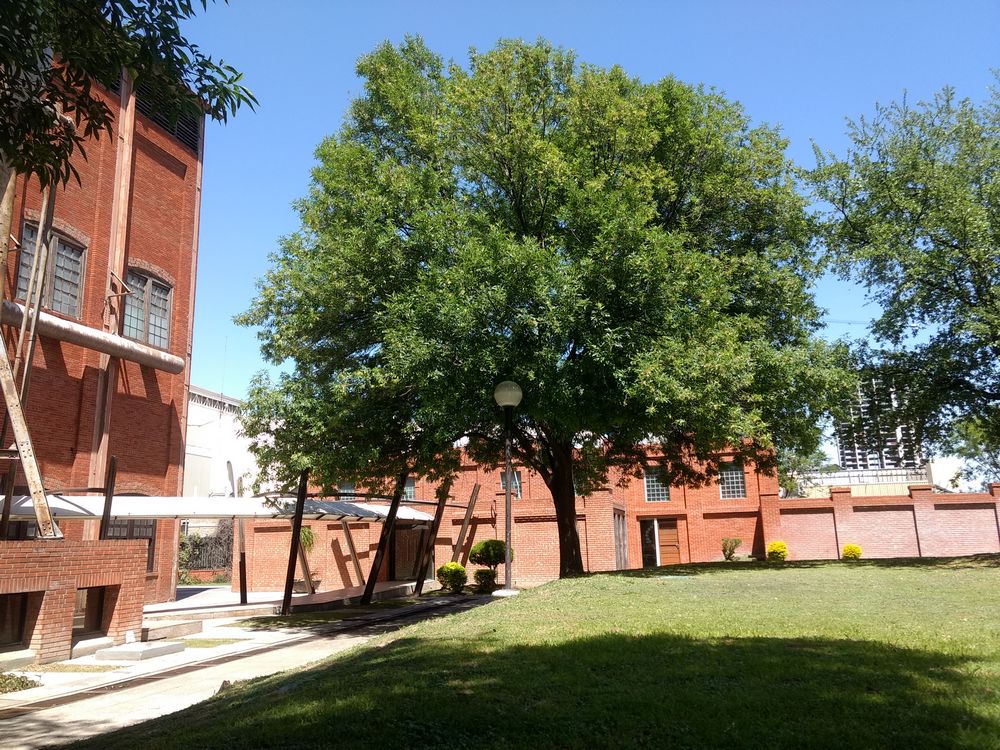
Whitewood Tree (Celtis laevigata)
Origins and Geographic Distribution
The sugar hackberry, scientifically known as Celtis laevigata, is a native species of remarkable beauty and resilience. Native to the temperate regions of North America, this tree has found its home in a wide variety of climates, ranging from the southeastern United States to some areas of Mexico. Its ability to adapt to different environments has made the sugar hackberry a common feature in both urban and rural landscapes, valued not only for its aesthetic appeal but also for its usefulness in gardening and reforestation.
Unique Identification of the White Stick
Identifying a palo blanco is to immerse oneself in a process of detailed observation. This tree is characterized by its smooth, grayish bark, which can become slightly rough over time. Its leaves, a deep green, are simple and alternate, with finely serrated edges that stand out in the sunlight. During spring, they are adorned with small green flowers, modest in appearance but vital for the local ecosystem. As the year progresses, these flowers give way to small green fruits that will turn brown or orange over time, serving as food for various species of birds and wildlife, highlighting the fundamental ecological role of the palo blanco tree in its habitat.

Detailed Characteristics of the Palo Blanco Tree
The Leaves of the Palo Blanco: A Natural Spectacle
The leaves of the white stick tree are true protagonists in nature’s spectacle. Lance-shaped with gently serrated edges, they possess a texture that invites touch. During autumn, these leaves transform, adopting yellow and golden hues that beautify the landscape. This metamorphosis not only adds aesthetic value to the environment but also contributes to the soil’s nutrient cycle as they fall and decompose.
The Trunk and the Bark: Pillars of Life
The trunk of the whitewood tree, sturdy and upright, supports the majesty of the canopy. The bark, in turn, plays a crucial role in protecting the tree against the harshness of the weather and pest attacks. With a texture that can range from smooth to slightly rough, the bark is a shelter for small organisms and an indicator of the tree’s overall health.

Flowers and Pollination: The Scent of the Forest
Although modest in appearance, the flowers of the white palo tree are fundamental to the biodiversity of the ecosystem. Their pollination is mostly carried out by the wind, which facilitates pollen dispersal and ensures the proliferation of these trees in their habitat. These small flowers, often overlooked, are essential for the natural balance and health of the forests and urban areas where they live.
Fruits of the White Stick Tree: Hidden Treasures
The fruits of the white stick are small green drupes that appear after flowering. These fruits are not only a charming sight but also provide a vital food source for local wildlife, especially birds. The dispersal of these seeds by the animals that consume them ensures the continuity and expansion of the species across different territories.

Strong Roots: The Foundation of Existence
The roots of the white mangrove are as impressive as the parts of the tree we see. Extending deeply underground, these roots not only firmly anchor the tree, providing it stability, but also tirelessly search for nutrients and water, essential for its growth and survival. Additionally, the roots play an important role in preventing soil erosion, thus maintaining the health of the surrounding ecosystem.
Properties and Benefits of the White Stick
Ecological Benefits: An Unsung Hero
The white stick tree plays a crucial role in maintaining healthy ecosystems. It not only improves air quality by absorbing carbon dioxide but also acts as an effective thermal regulator, providing shade and lowering temperatures in urban areas. Additionally, its roots combat soil erosion, while its fruits nourish a wide variety of animal species, thereby promoting biodiversity.
Traditional and Medicinal Uses
Historically, the white stick tree has had various traditional and medicinal uses. The bark, leaves, and fruits have been used in folk medicine to treat a variety of ailments. Although modern science is still investigating its specific medicinal properties, this tree remains a valuable resource in both botany and traditional pharmacopeia.

The Cultivation and Care of the Palo Blanco Tree
Ideal Conditions for Growth
To successfully grow a white stick tree, it is essential to provide an environment that closely mimics its natural habitat. It prefers well-drained soils and can thrive in both full sun and partial shade. Although drought-tolerant once established, it benefits from regular watering during its first years of growth. The tolerance to a wide range of climatic conditions makes the white stick tree an excellent choice for gardeners of all levels.
Protection and Maintenance: Practical Tips
The maintenance of the white stick is relatively simple. To ensure its proper growth, it is advisable to prune damaged or diseased branches during the winter. Additionally, although it is resistant to most pests and diseases, regular inspection can help detect problems early. Applying mulch around the base of the tree not only helps retain soil moisture but also provides essential nutrients as it decomposes.
Distinctive Characteristics and Curiosities

Unique Adaptations to the Environment
The white stick tree exhibits remarkable adaptations that allow it to thrive in a variety of environments. One of these adaptations is its ability to endure periods of drought thanks to a deep and efficient root system, which enables it to access underground water sources. Additionally, its smooth bark helps minimize damage from insects and diseases, while its leaves can withstand strong winds and climatic variations, demonstrating its incredible resilience.
The White Stick in Popular Culture and Environmental Education
The snail tree has found a place in popular culture and environmental education initiatives, serving as a symbol of resilience and adaptability. In some communities, it is celebrated for its beauty and the refreshing shade it provides. Additionally, it has played a key role in reforestation and environmental education projects, teaching new generations about the importance of conserving native trees and maintaining biodiversity.
Conclusions: The Impact of the White Stick Tree on Ecological Awareness
The presence and proliferation of the white stick tree in our surroundings not only enrich the natural landscape but also elevate our ecological awareness. Through its ability to adapt, survive, and thrive in diverse conditions, it teaches us the importance of resilience and adaptability in facing climate change.

The white pochote tree, with its wide range of ecological benefits, medicinal uses, and contributions to biodiversity, is a living testament to how native trees can positively impact our environment and our perception of environmental stewardship. Promoting its conservation and understanding its value is crucial to advancing toward a more sustainable future that recognizes the vital role trees play in the health of our planet.