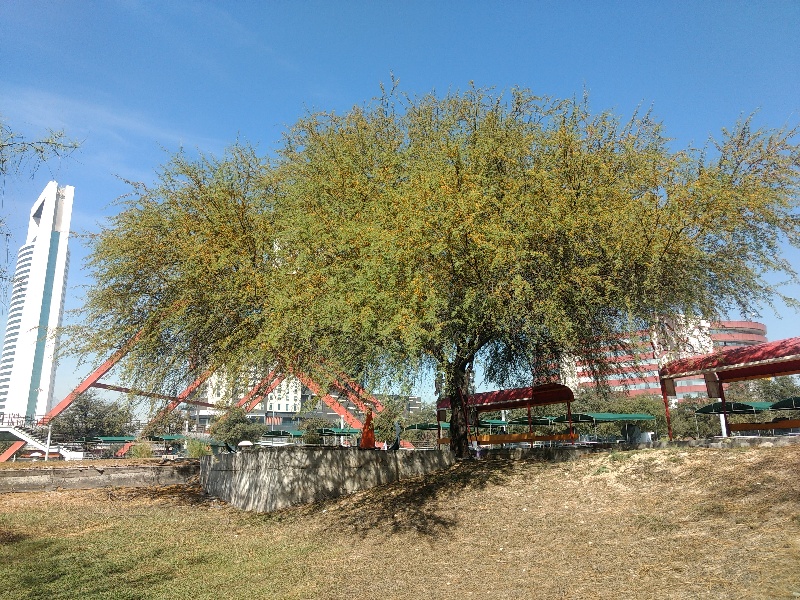
What is the Guaje Tree?
The guaje tree, also popularly known as huaje or huaje tree, is a species native to Mexico, famous for its resilience and adaptability to arid conditions. This tree is recognizable by its broad canopy and its pod-shaped fruits, which are edible and form part of the local diet in many communities. Besides its food use, the guaje has applications in traditional medicine and is essential in reforesting degraded areas due to its ability to improve soil quality.
Origin and Geographic Distribution
The guaje tree, scientifically known as Leucaena leucocephala, has its roots in the arid and semi-arid regions of Mexico. Over time, it has adapted to various environments and is even found in parts of Central America. Its ability to thrive in dry conditions and rapid growth make it a vital component of the ecosystems it inhabits. Thanks to these characteristics, the guaje is a key element in soil conservation and erosion prevention, providing a safe refuge for many local wildlife species.

Botanical Characteristics of the Leadtree Tree
Description of the Leaves
The leaves of the guaje tree are small, compound, and bright green, arranged spirally along the branches. Their size and shape are adapted to minimize water loss, an essential trait for survival in dry climates. During the dry season, the guaje may shed its leaves to conserve moisture, but they revive with the arrival of the rains, covering the tree with a vibrant green mantle.

Trunk and Bark Structure
The trunk of the huaje tree is sturdy and can reach up to 15 meters in height, depending on environmental conditions. The bark is rough and grayish, with deep fissures that give it a rustic and resilient appearance. This bark not only protects the tree from extreme temperature variations but also serves as a refuge for various species of insects and small vertebrates.
Root System of the Yellow Bell
The root system of the guaje tree is particularly impressive. It has a taproot that extends deeply into the soil, allowing it to access underground water sources during extended drought periods. Additionally, its lateral roots spread widely to stabilize the tree and efficiently capture surface moisture. This root system not only helps the guaje survive in harsh environments but also contributes to soil structure and prevents erosion.
https://www.youtube.com/watch?v=q3hGR0NOcdo&t
Ecological and Environmental Aspects
The Leucaena in Reforestation and Erosion Control
The guaje tree plays a crucial role in reforestation and erosion control, especially in arid and semi-arid areas. Its ability to establish quickly in degraded soils and its robust root system help stabilize the soil and reduce land loss caused by wind and water. Additionally, guaje or Huaje tree improves soil quality through nitrogen fixation, an essential process for restoring infertile lands. These characteristics make guaje an ideal species for reforestation and ecological restoration programs.

Impact of the Guaje on Local Biodiversity
The presence of the huaje tree in ecosystems has a significant impact on local biodiversity. During its flowering, it attracts numerous pollinators, including bees and butterflies, which are vital for the reproduction of many other plant species. Its fruits feed a variety of animals, from birds to mammals, thus integrating into the ecosystem’s food chain. Additionally, the huaje provides shelter and habitat for diverse wildlife species, contributing to biodiversity conservation and the maintenance of the region’s ecological health.
Properties and Benefits of the Leucaena Tree
Food Uses of Seeds and Leaves
The seeds and leaves of the guaje tree are highly valued in regional cuisine for their versatility and nutritional value. The seeds, contained in green pods, are consumed both fresh and toasted, and are known for their high content of protein and minerals. The leaves, in turn, are used as an ingredient in salads and stews, providing a unique flavor and nutritional benefits, such as vitamins and fiber. This versatility makes guaje a sustainable food resource in local communities.
Medicinal Benefits of the Leadtree
In addition to its culinary uses, the guaje tree is recognized for its medicinal properties. Traditionally, various parts of the tree have been used in folk medicine to treat conditions such as indigestion and inflammation. Current research suggests that guaje has antioxidant and anti-inflammatory properties, which could support its use in treating these conditions and enhance its application in modern pharmacology.
The Guaje Tree as Forage: Nutrition for Livestock
The use of the guaje tree as forage for livestock is another important aspect of its benefits. Its leaves are an excellent source of feed for animals such as goats and sheep, especially during seasons when other plant resources are scarce. The high nutritional content of the leaves helps maintain the health of livestock, providing an economical and efficient alternative for farmers in arid regions. This aspect highlights the importance of guaje not only for the local ecology but also for the rural economy.
Unique Characteristics of the Huaje Tree (Leucaena)
- Extreme Adaptability: Capable of thriving in drought conditions and poor soils, making it a natural survivor in arid climates.
- Extreme Adaptability: Capable of thriving in drought conditions and poor soils, making it a natural survivor in arid climates.
- Attractive Bloom: Its yellow or white spherical flowers not only beautify the landscape but also attract pollinators essential for local biodiversity.
- Pest Resistance: It possesses remarkable resistance to pests and diseases, which reduces the need for chemical interventions in its cultivation.
- Cultural Impact: It is an integral part of the traditions and diet of local communities, reflecting its cultural importance as well as its ecological significance.
- Ecological Versatility: Used in reforestation and habitat restoration, contributing significantly to environmental projects.

Care and Management of the Leadtree Tree
Optimal Growth Conditions
To ensure healthy development, the leadtree requires certain environmental conditions. Although it is extremely drought-tolerant, it benefits from full sun exposure and prefers well-drained soils. Moderate watering can promote faster and more robust growth, especially during early stages of development. Additionally, while it can adapt to poor soils, it thrives better in lands with good nutrient content, which can be enhanced through periodic organic fertilization.
Management of the Invasiveness of Guaje
Although the huaje tree is valued for its adaptability and ecological benefits, it can become invasive under certain conditions. In areas where conditions are optimal for its excessive growth, it is crucial to implement management practices to control its spread. This includes regular pruning to maintain the desired size and removal of shoots that could compete with native flora. In regions where its invasiveness is particularly problematic, stricter measures may be needed, such as careful planting management and possible restriction of its propagation to specific areas to avoid ecological imbalances.
Conclusions
The Guaje tree is more than just a plant; it is an essential component of the arid and semi-arid ecosystems where it is found. Its ability to adapt to harsh conditions and its contribution to both local biodiversity and the rural economy make it invaluable. Promoting knowledge and ecological awareness about this tree can help more communities implement sustainable practices that benefit both the environment and local populations. Through conscious and responsible management, the guaje can continue to be a vital resource for reforestation, nutrition, and medicine.
Frequently Asked Questions
Does the guaje tree need a lot of water to grow?
No, the guaje tree is highly drought-resistant. However, moderate watering can promote healthier and faster growth, especially during its young stages.
What uses does the leadtree have besides food-related ones?
In addition to its use in food, the leadtree has medicinal properties and is used in reforestation and erosion control. Its leaves also serve as forage for livestock.
How can I control the spread of guaje if it becomes invasive?
Regular pruning and the removal of suckers are effective practices for controlling its growth. In areas where its invasiveness is more severe, it is recommended to limit its planting to controlled areas.
Regular pruning and the removal of suckers are effective practices for controlling its growth. In areas where its invasiveness is more severe, it is recommended to limit its planting to controlled areas.
Yes, the leadtree improves soil quality through nitrogen fixation, which benefits other plants and helps restore degraded lands.