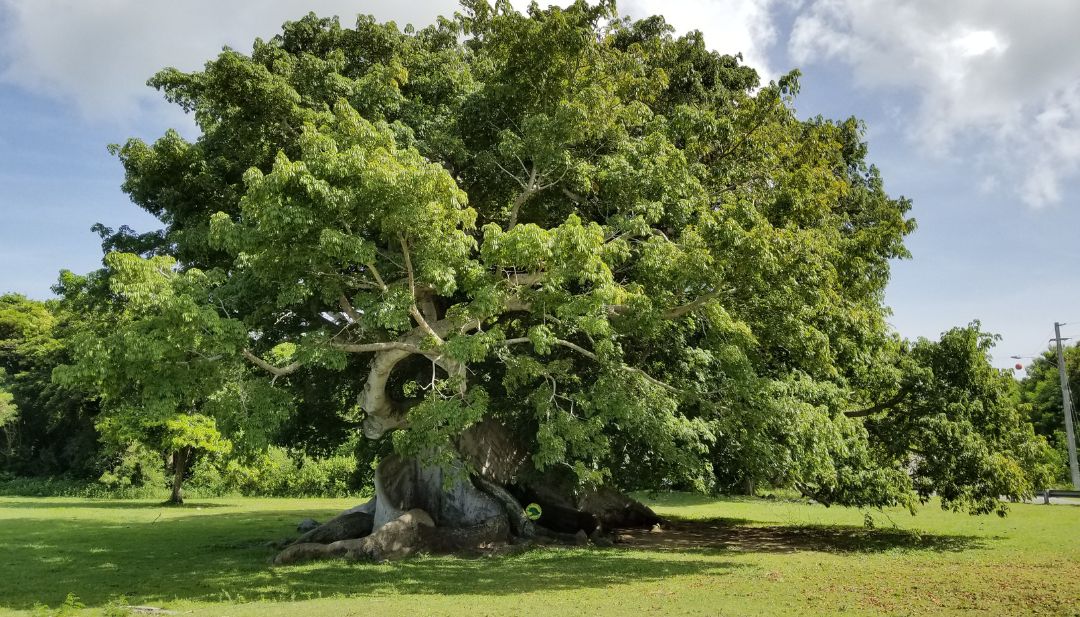
What is the Golden Shower Tree?
The Golden Rain Tree, scientifically known as Laburnum anagyroides, is a tree species renowned for its spectacular yellow blooms that appear in spring, creating an impressive visual effect reminiscent of a golden waterfall. This tree is valued not only for its ornamental beauty but also for its ability to adapt to different soil and climate conditions, making it popular in gardens and parks in various parts of the world.

Origins and Geographic Distribution
The Golden Rain Tree has its roots in southern and central Europe, as well as being native to parts of Asia Minor. Over time, its aesthetic charm has led to widespread cultivation beyond its natural range, finding a place in the landscapes of many temperate regions around the globe. Its ability to thrive in a variety of environments has allowed it to adapt well to diverse climatic and geographic settings, making it a favored choice to add color and life to urban and rural green spaces.
Distinctive Characteristics of the Golden Shower Tree
Leaves of the Laburnum anagyroides: A Visual Spectacle
The leaves of the Golden Rain Tree are as impressive as its flowers. Compound and trifoliate, they are arranged in an elegant symmetry that captures sunlight, adding a deep and vibrant green to the landscape. Each leaf consists of three leaflets, resembling clover leaves but larger, which adds a unique visual texture and a spectacular contrast with its yellow flowers during spring.

The Trunk and Structure: Natural Strength
The trunk of the Laburnum anagyroides is another of its remarkable attributes. With smooth bark in shades ranging from gray to brown, it provides strong support for the arching branches that become laden with flowers. Its structure can reach heights of up to 23 feet, allowing it to stand out in any garden or landscape, adding not only beauty but also shade and shelter.

Flowers: The Precious Jewels of the Tree
The flowers of the golden rain tree are undoubtedly the most spectacular feature of this plant. Hanging in dense, long clusters, these vibrant yellow flowers appear in late spring, transforming the tree into a dazzling natural display. Each cluster can measure up to 20 inches long, offering not only a visual feast but also a habitat and food source for pollinators such as bees and butterflies.

Fruits of the Golden Shower Tree: Hidden Beauty
After flowering, the Golden Shower Tree produces fruits that are equally interesting. These fruits are legumes, similar in shape to a pea pod, which mature in late summer or early fall. Although attractive, it is important to highlight that both the seeds and the rest of the tree are toxic if ingested, so they must be handled with care.
The Roots of the Laburnum anagyroides: The Invisible Support
Underground, the root system of the Golden Shower Tree plays a crucial role in its survival and growth. Although not visible, the roots spread widely to firmly anchor the tree, absorbing essential water and nutrients from the soil. This strong root system allows the tree to withstand strong winds and adverse weather conditions, ensuring its splendor year after year.

Properties and Benefits of the Golden Shower Tree
Ecological Benefits: Beyond Beauty
The Golden Shower Tree not only beautifies surroundings with its dazzling blooms but also offers important ecological benefits. It is an excellent ally for local biodiversity, attracting a variety of pollinators such as bees and butterflies thanks to its nectar-rich flowers. Additionally, its foliage serves as habitat and a food source for various bird species. This tree also plays a role in improving air quality by capturing pollutants and producing oxygen, contributing to a healthier environment.

Properties of the Tree: Traditional and Modern Uses
Despite its toxicity, the golden shower tree has been used in various cultures for its properties. Traditionally, its hard and durable woods have been employed in the making of musical instruments and fine woodworking. In folk medicine, its components have been used with great caution to treat certain ailments, although its use is highly restricted due to toxicity risks. Today, the main interest in this tree lies in its ornamental value and its ability to support local biodiversity.
How to Identify a Yellow Trumpet Tree
Keys for Identification: Leaves, Flowers, and Fruits
Identifying a Golden Shower tree is relatively simple thanks to its distinctive characteristics. The trifoliate leaves are a good initial indicator; each leaf is composed of three oval-shaped leaflets with smooth edges. The flowers are probably the most notable feature, with bright yellow hanging clusters that appear in spring. After flowering, the pod-shaped fruits containing seeds can help confirm identification. These elements together form a unique set that makes it difficult to confuse the Golden Shower tree with other species.

Comparison with Similar Species
Although unique in many aspects, the golden shower tree can occasionally be confused with other species that have yellow flowers. However, the length of its flower clusters, which can exceed 50 cm, and its specific trifoliate leaves, distinguish it from others. Species such as Scotch broom (Cytisus scoparius) or certain types of acacias may have a superficially similar appearance, but they lack the dense hanging clusters and the characteristic compound leaves of Laburnum anagyroides, thus making differentiation easier.
Care and Maintenance of Laburnum anagyroides
Soil and Location Requirements
For the Golden Chain Tree to thrive, it is important to carefully consider its soil and location. It prefers well-drained soils rich in organic matter, but shows remarkable adaptability to different soil types, as long as they are not extremely dry or waterlogged. Regarding location, the Laburnum anagyroides blooms best under direct sunlight but can also tolerate partial shade. A position sheltered from strong winds will help protect its delicate flowers and branches.

Watering and Care of the Golden Shower Tree
Irrigation plays a crucial role in the care of the golden shower tree, especially during its early years of growth and periods of prolonged drought. Once established, the tree has good drought tolerance, but moderate watering will help maintain its vigor and promote abundant flowering. It is important to avoid overwatering to prevent the risk of root rot. Additionally, applying organic mulch around the base of the tree can help retain soil moisture, suppress weeds, and provide nutrients.
Pruning and Maintenance: Tips for Healthy Growth
Pruning is an essential aspect of maintaining Laburnum anagyroides, not only to shape the tree and control its size but also to remove dead or damaged wood and encourage denser flowering. Pruning should be done carefully after flowering to avoid affecting the production of flowers the following year. Removing crossed branches or those growing inward improves air circulation and light exposure in the center of the tree, which can help prevent diseases. With these care practices, the golden chain tree can grow healthy and strong, offering its spectacular display of color and life each year.

The Importance of the Golden Shower Tree in Ecological Awareness
The Golden Shower Tree and Biodiversity
The golden rain tree, beyond its aesthetic beauty, plays a vital role in sustaining local biodiversity. By attracting a wide range of pollinators, such as bees and butterflies, it significantly contributes to pollination processes, which are essential for the reproduction of many plants. Additionally, by providing habitat and food for various bird species, the Laburnum anagyroides becomes a crucial link in the food chain of its ecosystem, demonstrating how a single tree species can positively influence the health and diversity of the natural environment.
Promoting Ecological Awareness through Laburnum anagyroides
The presence of the golden rain tree in gardens and parks not only beautifies these spaces but also serves as an educational and awareness tool about the importance of preserving and promoting biodiversity. Observing firsthand how this tree attracts and supports wildlife can inspire people to adopt more sustainable practices and to value the richness of our natural heritage. In this sense, Laburnum anagyroides becomes an emblem of ecological awareness, reminding us of the interconnection among all forms of life and the need to act to protect our planet.

Conclusion: The Golden Chain Tree and Its Place in Our Environment
The golden rain tree, with its dazzling blossoms and its ability to foster biodiversity, holds a special place in our hearts and in our environment. Its presence teaches us about the intrinsic beauty of nature and how every element within it, no matter how small, supports and enriches life on Earth. Promoting and protecting Laburnum anagyroides is, essentially, a step towards strengthening our ecological awareness, a reminder that caring for the environment begins with valuing and protecting every tree, every plant in our surroundings. Through this tree, we learn the importance of living in harmony with nature, thus ensuring a greener and more prosperous future for generations to come.