Origins and Nomenclature of the Sabino
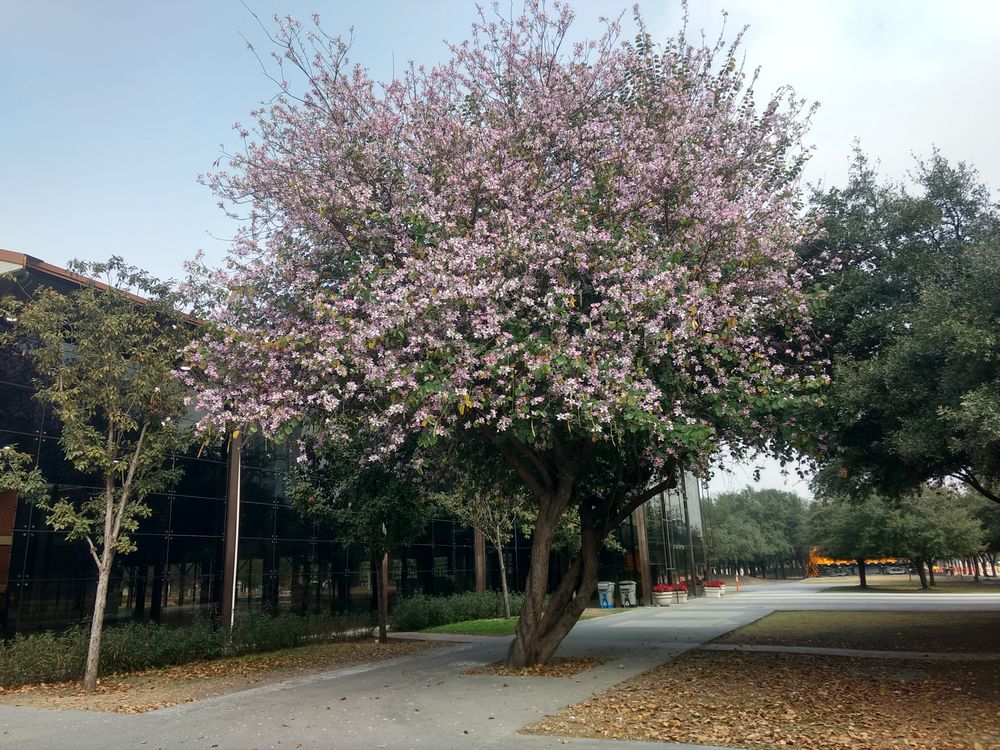
The Montezuma cypress, scientifically known as Taxodium mucronatum, is one of the most imposing and revered trees in Mexican culture. Its common name, “sabino,” comes from the local adaptation of the term ahuehuete, which in Nahuatl means “the old man of the water.” This name refers to its preference for growing in wet areas and near bodies of water. Throughout history, the Montezuma cypress has witnessed the passage of civilizations and has been regarded as a symbol of strength and longevity.

Swamp Cypress: Is It the Same as the Montezuma Cypress?
Confusion often arises when hearing the name “bald cypress” and associating it with the Montezuma cypress or Mexican cypress (Taxodium mucronatum). Although both terms are used to refer to trees of the genus Taxodium, “bald cypress” is more commonly associated with Taxodium distichum, native to the wetland areas of the United States. Meanwhile, the Mexican cypress (Taxodium mucronatum) is a close relative sharing characteristics such as deciduous foliage and a preference for riparian environments, but presents its own botanical and ecological differences. Still, the similarities between these species lead them to be grouped within the same family (Cupressaceae), known for encompassing various “cypress” trees around the world.
Natural Habitat and Geographic Distribution
The natural habitat of the Montezuma cypress extends throughout Mexico, especially in riparian areas where the soil remains moist most of the time. Additionally, these majestic trees can be found in various regions of Central America and parts of the southern United States. The Montezuma cypress is particularly common in places such as Lake Chapala and along the Lerma River shore, where environmental conditions favor its growth and development. This tree is capable of reaching an advanced age, with some specimens known for their monumental size and for living several hundred years.

Botanical Characteristics of the Sabino Tree
Visual Identification: Bald Cypress Leaves
The leaves of the sabino tree are small, linear, and arranged in a spiral around the branch. Their color ranges from light green to a deeper green during the growing season, and although they are evergreen, they can turn brown in colder climates before falling. This trait makes them distinctive, facilitating the identification of the tree in its natural habitat.

The Sabino Trunk: Support and Strength
The trunk of a cypress tree is one of its most impressive attributes. It can grow very thick and reach remarkable diameters, giving it great strength and longevity. The bark of the trunk is thick and fibrous, with a color that ranges from gray to dark brown, and is characterized by its deep grooves that give it a rough texture to the touch.

Fruits and Seeds: The Reproduction of the Bald Cypress Tree
The Montezuma cypress tree produces small globular cones that are technically its fruits. These cones house the seeds, which are small and winged, designed to disperse with the wind. Seed production is abundant and essential for the propagation of the species, ensuring its survival and expansion through the generations.

The Sabino Flowers: A Subtle Spectacle
The flowers of the montezuma cypress are generally inconspicuous. This tree is monoecious, which means it has both male and female flowers on the same individual. The male flowers are small and pendulous, while the female flowers are even more discreet. Despite their modest appearance, they are crucial for the tree’s reproduction and the formation of seed cones.
The Root System of the Montezuma Cypress: A Hidden Network
The root system of the bald cypress tree is both vast and complex. It extends widely beneath the soil surface, allowing it to stabilize itself and efficiently absorb the nutrients and water necessary for its growth. The roots are especially adaptive to flooded environments, where they can develop specialized structures that help the tree breathe despite the excess water in its surroundings.

The Male Cones of the Bald Cypress: “Life Dust” in Suspension
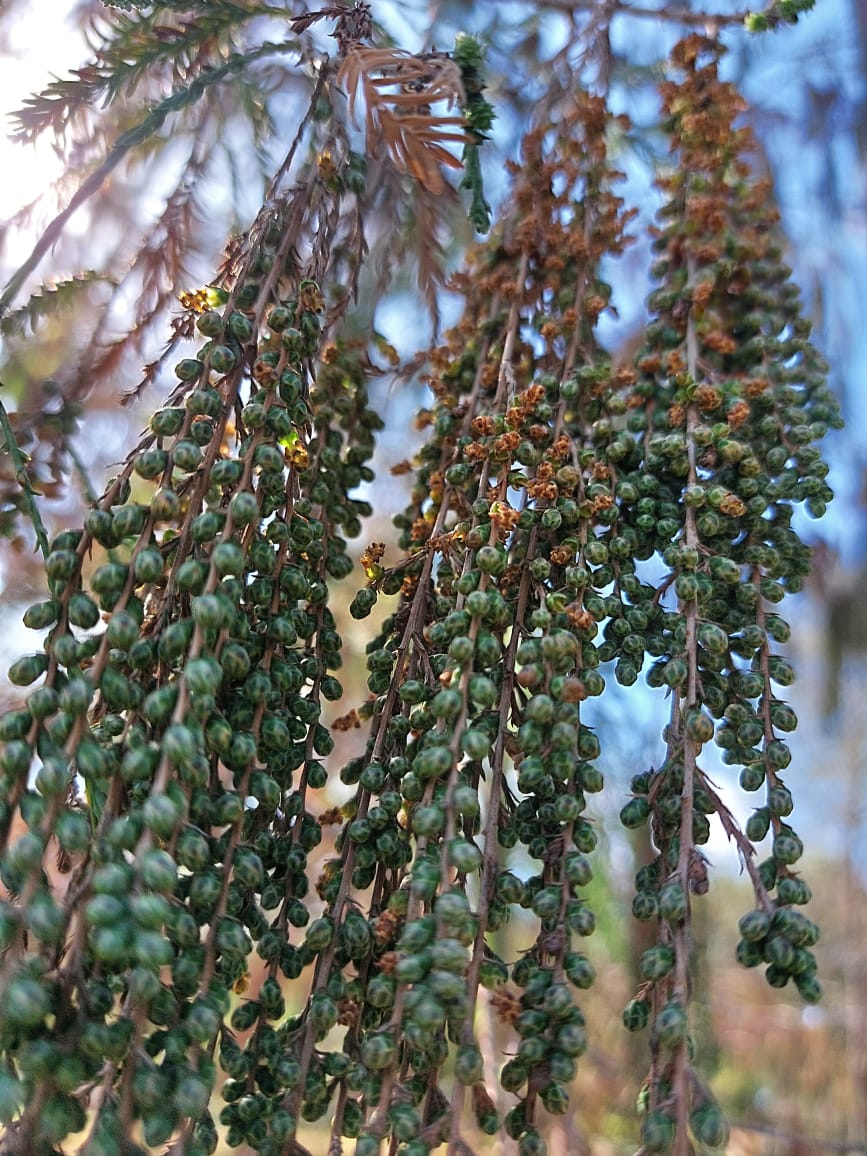
During the reproductive season, the Montezuma cypress produces small hanging clusters formed by male cones. At first glance, they look like lined-up little balls, but if shaken or tapped, they release a cloud of pollen that is essential for fertilizing the female structures, thus giving rise to future seeds.
Although discreet in appearance, these male cones play a fundamental role in the perpetuation of the species, dispersing their “life dust” to the wind and ensuring the continuity of the cypress trees in riparian ecosystems.
Unique Properties of the Sabino Tree
Distinguishing Characteristics of the Montezuma Cypress Tree
- Impressive Longevity: Sabino trees are known for their incredible longevity, with some specimens living more than a thousand years.
- Water Resistance: It is capable of surviving and thriving in flooded areas and wet soils, which is unusual for many tree species.
- Thick Bark: The bark of the bald cypress is notably thick and rough, which helps protect it from wildfires and pests.
- Regeneration Capacity: Even if damaged by natural or human causes, it has a remarkable ability to regenerate, even from damaged roots or trunks.
- Majestic Form: It often develops a broad, branched structure, with a canopy that extends generously, providing extensive shade and habitat for various species.
Ecological Adaptations of the Montezuma Cypress
The sabin, or Montezuma cypress, has developed a series of adaptations that allow it to survive and thrive in its natural environment. One of its most notable adaptations is its root system, which is not only extensive and strong to anchor itself in frequently flooded soils, but also capable of developing aerial roots under high humidity conditions. This adaptation enables the tree to absorb oxygen directly from the air, crucial in environments where the soil can be waterlogged for long periods.

Additionally, the bald cypress has the ability to form new trees from branches that fall to the ground, a characteristic known as vegetative or clonal reproduction. This form of reproduction ensures that it can dominate extensive areas along riverbanks and wetlands, forming dense forests that significantly contribute to the ecological stability and biodiversity of the area.
Benefits and Uses of the Bald Cypress Tree
The Montezuma Bald Cypress in Ecological Restoration
The cypress tree plays a crucial role in ecological restoration, especially in degraded or eroded areas. Thanks to its deep and extensive root system, it is excellent for stabilizing soil and preventing erosion, particularly along riverbanks and lakeshores. Additionally, its ability to tolerate high water levels makes it ideal for reforesting areas affected by flooding. By reintroducing cypress trees into natural habitats, it helps restore ecological balance, promoting biodiversity and providing essential habitat for many wildlife species.

Traditional and Modern Uses of the Montezuma Cypress
The Montezuma cypress has been valued for its multiple uses throughout history, both in traditional applications and in modern uses:
- Wood: The wood of the sabino is strong and durable, ideal for making furniture, crafts, and even for more robust constructions such as bridges and traditional boats.
- Medicinal Properties: Traditionally, various parts of the tree have been used in folk medicine to treat conditions such as rheumatism and skin problems, taking advantage of its anti-inflammatory properties.
- Ornamentation: Due to its imposing presence and beauty, many sabino specimens are used in landscaping and as ornamental trees in parks and large gardens.
- Water Conservation: By planting bald cypress near bodies of water, it contributes to the conservation of the watershed, improving water quality and regulating its cycle.
In addition to these uses, the bald cypress continues to be an important cultural symbol in many communities, where it is respected and revered as part of the natural and spiritual heritage of the environment.
The Mexican Connection of the Sabino Tree: Ahuehuete
The Montezuma Cypress in the History and Culture of Mexico
The Montezuma cypress, or sabino, has been an integral part of Mexican history and culture since pre-Columbian times. This tree, also known as “the old man of the water” by the Nahua peoples, frequently appears in mythological tales and ancient rituals. The sabinos have witnessed important historical events, and many are considered living monuments. For example, the famous “Tree of the Sad Night” now known as “Tree of the Victorious Night” under which Hernán Cortés wept, is a sabino. Its presence in historic locations and its longevity have made it a symbol of permanence and Mexico’s historical memory.
The National Tree: Relationship and Meaning of the Sabino in Mexico
The Montezuma cypress was declared the national tree of Mexico in 1921, reflecting its importance and symbolism for the country. The Montezuma cypress symbolizes strength and survival, qualities that resonate deeply with Mexican national identity. Beyond being an emblematic species of the Mexican landscape, the Montezuma cypress is a fundamental element in environmental conservation due to its ability to sustain both aquatic and terrestrial ecosystems.
The cultural significance of the cypress transcends the ecological and historical; it is considered a symbol of wisdom and spiritual connection. In many communities, ancient cypress trees are gathering and celebration sites, and they are respected and protected as a vital part of the country’s cultural and natural heritage. Their presence in Mexican iconography and folklore continues to be a source of inspiration and a reminder of the country’s rich biodiversity and deep cultural legacy.
Conservation and Care of the Montezuma Cypress Tree
Current Status and Conservation Efforts
Despite its resilience and longevity, the sabino tree faces several challenges that threaten its survival, such as deforestation, climate change, and water pollution. Significant efforts are currently underway to protect and conserve the sabinos, especially those considered natural monuments. Both governmental and non-governmental organizations in Mexico are working on projects that include reforestation of degraded areas and environmental education to raise awareness about the importance of these trees.

Tips for Growing and Caring for the Cypress Tree
For those interested in cultivating a cedar tree, it is vital to consider several aspects to ensure its healthy growth:
- Location: Choose a site with enough space, as cypress trees can grow large both in height and width.
- Soil: Prefers moist, well-drained, and fertile soils. Ensure the area does not become waterlogged to prevent root rot.
- Watering: Although it is drought-tolerant once established, during its first years it requires regular watering to develop a strong root system.
- Protection: Young sabinos must be protected from extreme weather conditions and weed competition.
Conclusions: The Importance of the Sabino Tree in Our Ecosystem
The Montezuma cypress, or ahuehuete, is more than just a component of our forests and riverbanks; it is an essential element for the ecological stability and biodiversity of the regions where it thrives. By protecting the Montezuma cypresses, we not only conserve a tree species impressive for its size and beauty but also foster ecological awareness and protect the natural and cultural legacy of our communities. The conservation of the Montezuma cypress is a clear example of how care and respect for a single tree species can positively impact an entire ecosystem, providing environmental, social, and cultural benefits that transcend generations.