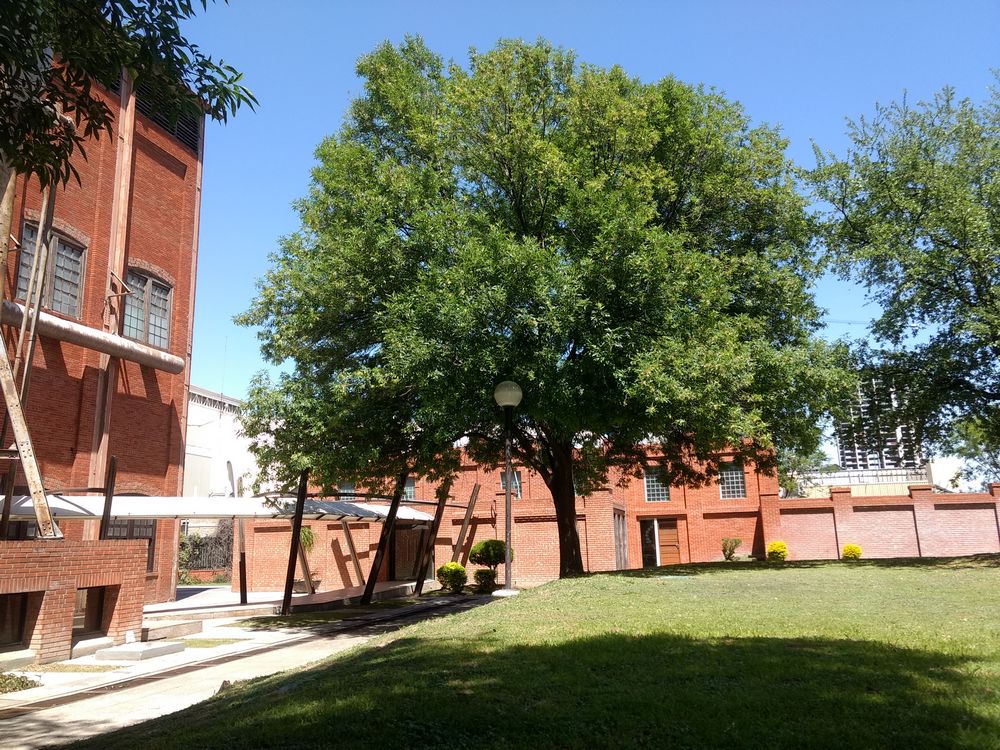
The red oak tree, scientifically known as Quercus rubra, is a tree species distinguished not only by its impressive size and colorful foliage but also by its vital role in the ecosystems where it resides. Native to North America, this tree is an essential component both for the forest and for wildlife, significantly contributing to biodiversity and the natural balance.
What is the Red Oak and its Ecological Importance
The red oak tree is an integral part of temperate forests and is highly valued for its strength and the beauty of its leaves, which turn a deep red during the fall. Beyond its aesthetic appeal, the Red Oak plays a crucial role in supporting local wildlife. Its fruits, acorns, are an important food source for numerous animal species, including birds and mammals, helping to maintain the health of the ecosystem.

Common Names and Synonyms of the Red Oak
In addition to being known as red oak, Quercus rubra is called by various names depending on the region and context. Some of the most common names include Northern Red Oak, American Red Oak, and simply Red Oak. These names highlight the distinctive coloration of its leaves in autumn and its wide distribution across North America. These varied names help identify the species in different cultural and botanical contexts, reflecting its ecological and landscape importance in the areas where it thrives.
Botanical Characteristics of the Red Oak
The Red Oak is distinguished by a series of botanical characteristics that make it unique and especially resilient. From its distinctive leaf to its robust root system, every part of the tree plays a fundamental role in its development and survival.

Red Oak Leaf: Shape and Texture
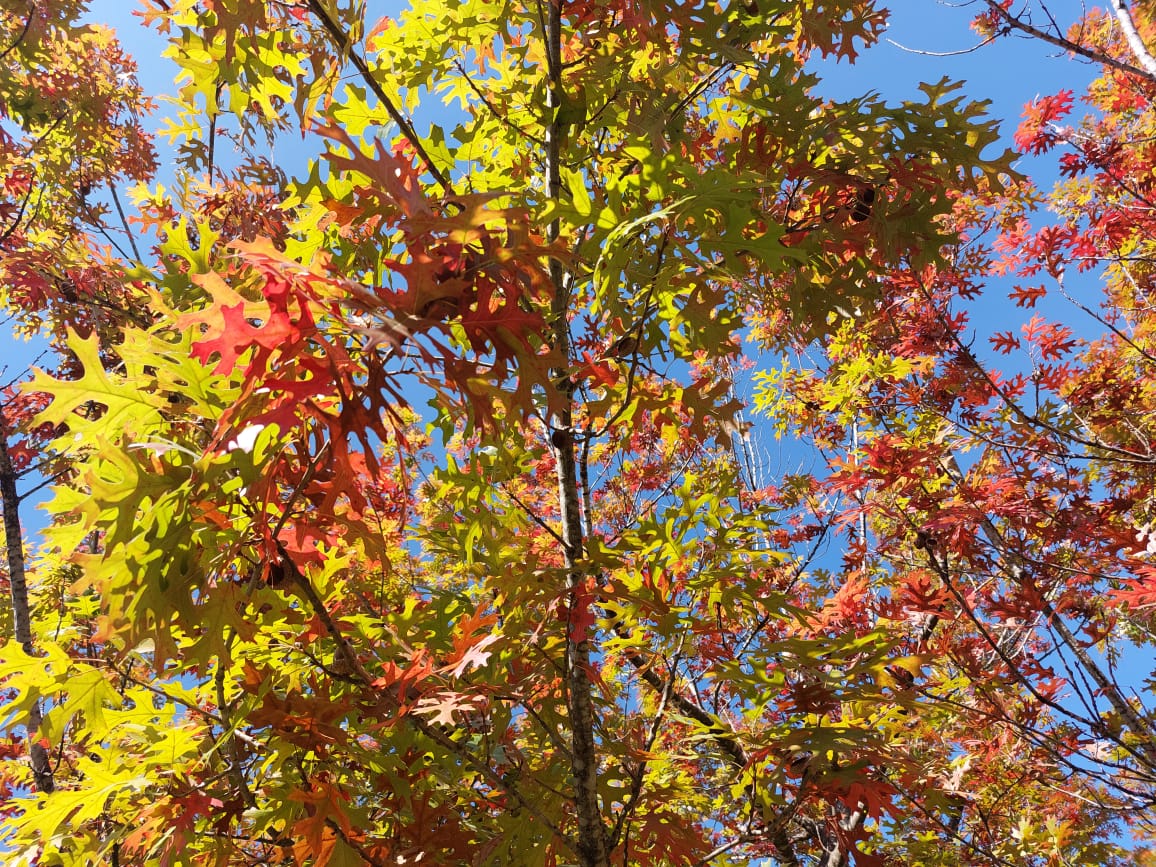
The red oak leaf is easily recognizable by its lobed shape with serrated edges. Each leaf can measure between 12 to 22 cm long, exhibiting a thick texture and coloration that varies from dark green in summer to bright red in autumn. This transition not only offers a visual spectacle but also indicates changes in the tree’s metabolism adapting to the seasons.

Change in the Leaf Color of the Red Oak:


The Red Oak Trunk: Support and Strength
The trunk of the Red Oak is robust and can reach up to 2 meters in diameter, providing vital support for its broad canopy. The bark is thick and rough, dark gray in color, which not only serves as protection against forest fires and pests but also offers habitats for various wildlife species.

The Flowers of the Red Oak: A Subtle Spectacle
Although less striking than its leaves or fruits, the flowers of the Red Oak are crucial for its reproduction. They appear in spring as small yellowish inflorescences, arranged in catkins that rely on the wind for pollination, a discreet yet fundamental process for the generation of new seeds.

Fruits of the Red Oak: The Acorns
Acorns, the fruit of the red oak, are vital to the ecosystem. These hard-shelled, oval fruits are highly nutritious and serve as an essential food source for wildlife. They mature during the fall and are dispersed by animals such as squirrels and deer, which help propagate the tree.
The Roots of the Red Oak: A Vital System
The root system of the red oak tree is extensive and deeply anchored, allowing it to access underground reserves of water and essential nutrients, as well as providing formidable stability. The roots also play an important role in preventing soil erosion, maintaining the health of the surrounding environment.

Properties and Benefits of the Red Oak
The red oak tree is not only remarkable for its imposing presence and natural beauty but also for its multiple ecological benefits and usefulness in various traditional applications. This tree is a true resource for both nature and society.
Ecological Benefits of the Red Oak Tree
The red oak provides numerous ecological benefits that are essential for sustaining biodiversity. As a native species of North American forests, it significantly contributes to the structure and function of the ecosystem. Its leaves and branches serve as habitat for a wide variety of animal species, and its acorns are a crucial food source during autumn and winter. Furthermore, its presence helps regulate the hydrological cycle and improve air quality by capturing large amounts of CO2.
Traditional Uses of Red Oak Tree Wood
The wood of the red oak is highly valued for its strength, durability, and aesthetic beauty, making it ideal for a variety of traditional uses. It is commonly used in the manufacture of high-quality furniture, flooring, and in the construction of sturdy structures. Additionally, due to its resistance to decay, red oak wood is also preferred for outdoor projects such as decks and fences. Its wood is appreciated not only for its functionality but also for its attractive grain and tone, which bring warmth and elegance to any project.

Common Varieties of Oaks
Oaks, part of the genus Quercus, form a diverse and sturdy group of trees with various species that vary in size, shape, and adaptability. Each type of oak has unique characteristics that make it special and suitable for different environments and uses.
White Oak: Characteristics and Differences
The White Oak, scientifically known as Quercus alba, is another prominent species within the genus. This tree is distinguished from the Red Oak by its leaves, which have rounded lobes instead of pointed ones, and a smoother texture. The bark of the White Oak tree is light gray and peels off in large plates, making it highly recognizable. Ecologically, this tree is highly valued for its wood, which is lighter and more water-resistant than that of the Red Oak, making it ideal for shipbuilding, furniture, and barrels for storing wines and liquors.
Green Oak: Adaptation and Resilience
The green oak tree, also known as Quercus virginiana or Live Oak, is recognized for its extraordinary adaptability and resilience. This species can withstand drought conditions much better than many other oak species, allowing it to thrive in more arid climates and less fertile soils. Its leaves remain a vibrant green throughout the year, a characteristic that gives rise to its name. In addition to its drought resistance, the Live Oak or Green Oak is resistant to many diseases and pests, making it an excellent choice for urban and rural landscaping, providing shade and beauty in challenging environments.
How to Identify a Red Oak Tree
- Leaf: Look for large leaves measuring 12 to 22 cm in length with serrated edges and deep lobes. The leaf texture is slightly rough, and the color ranges from dark green in summer to bright red in autumn.
- Bark: Observe the bark, which is gray and often deeply furrowed, giving it a rough and sturdy appearance.
- Tree Shape: The Red Oak typically features a broad, rounded crown that expands as the tree matures.
- Fruits: Identify the acorns, which are large, up to 1 inch (2.5 cm) long, with a smooth shell and a cap covering about a quarter of their length.
- Habitat: Keep in mind that the Red Oak prefers well-drained soils and is commonly found in mixed forests or as isolated specimens in open landscapes.

Strategies for the Conservation of the Red Oak
To ensure the survival and health of the red oak, it is crucial to implement and follow various conservation strategies. These include the protection of its natural habitat, sustainable management of the forests where these trees dominate, and public education about their ecological importance. Reforestation with native species and the control of diseases and pests are also fundamental to maintaining healthy populations of these trees.
Conclusion
The Red Oak tree is not only a majestic and aesthetic element in the landscape but also an essential ecological pillar for many ecosystems. Recognizing and valuing the characteristics and benefits of this tree is the first step toward greater ecological awareness. By protecting and conserving the red oak, we contribute to the well-being of our planet and ensure that future generations can also enjoy and benefit from these red giants. The conservation of the Red Oak is, ultimately, a reflection of our commitment to nature and the health of our global ecosystems.