The quince tree, with its discreet yet significant presence, has captivated gardening and nature enthusiasts for centuries. This tree, more than just a simple plant, is a true green treasure waiting to be discovered. Through this article, we invite you to dive into the fascinating world of the quince, where every branch, leaf, and fruit tells a story of beauty, utility, and mystery.
Origin and Geographic Distribution
The quince tree (Cydonia oblonga) is native to the Caucasus region between the Black Sea and the Caspian Sea. From this starting point, its cultivation has spread over the centuries throughout Europe, Asia, and North Africa, finding a special place in the gardens and orchards of many cultures. Today, thanks to gardening and agricultural enthusiasts, the quince has crossed oceans to also establish itself in America and Australia, gracefully adapting to various climates and soils.

Ecological and Environmental Importance
The quince tree is not only valued for its ornamental beauty and delicious fruits but also for its important ecological role. Its dense branches provide shelter and food for a variety of bird and insect species, thus contributing to local biodiversity. Additionally, the quince tree is particularly resistant to diseases and pests, making it a valuable ally in creating sustainable and healthy garden ecosystems. By planting a quince tree, you not only enrich your green space but also support the natural balance of the environment, demonstrating that beauty and functionality can go hand in hand in harmony with nature.
Unique Characteristics of the Quince Tree

Botanical Description of the Tree
Leaves: Shape, Texture, and Color
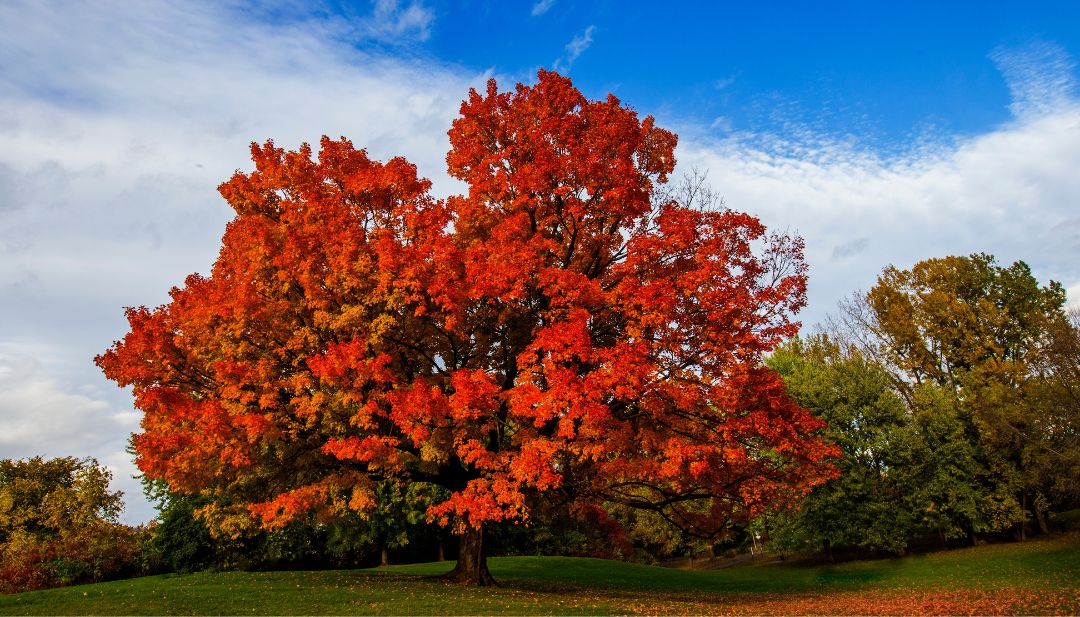
The leaves of the quince tree are a distinctive feature that draws attention for their natural beauty. They have a simple, oval to oblong shape, with gently serrated edges. The texture is another notable aspect, as they are slightly hairy to the touch, giving them a unique velvety appearance. In terms of color, during spring and summer, they display a vibrant green that transforms into shades of yellow and gold with the arrival of autumn, offering a visually captivating spectacle throughout the seasons.

Trunk and Branches: Structure and Characteristics
The trunk of the quince tree is sturdy and twisted, with bark that becomes rough and cracked over time, adding character and texture to the landscape. The branches, extending from the trunk, create an irregular and open structure, giving the tree a wild and natural appearance. This feature not only contributes to its ornamental beauty but also facilitates air circulation and sunlight penetration, essential for the healthy development of the tree and the ripening of the fruit.
The Quince Blossoms
Flowering Season and Visual Appeal
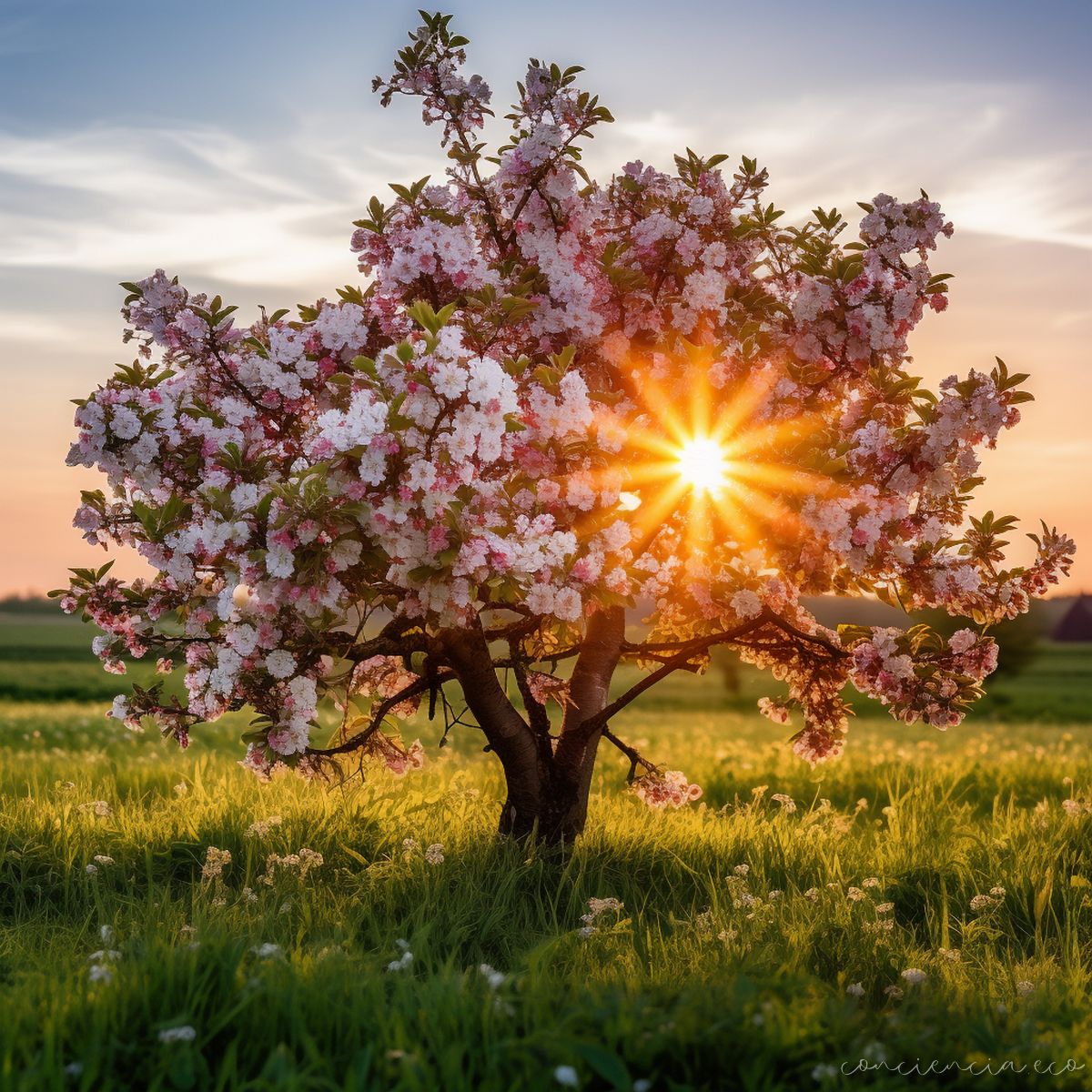
The flowering of the quince tree is a much-anticipated event each year, usually occurring in early spring. The flowers, solitary or in small clusters, emerge on the branches before or alongside the leaves. Their size is notably large, and their shape resembles that of other fruit tree blossoms, such as roses, to which they are distantly related. The colors range from pure white to pale pink shades, creating a spectacular contrast with the fresh green of the leaves. This display of color is not only a delight to the eyes but also signals the start of the growing season and the promise of future fruit.
Pollination and Relationship with Pollinators
Pollination of the quince tree plays a crucial role in the tree’s life cycle. Its flowers attract a wide range of pollinators, including bees, butterflies, and other insects, thanks to their showy coloration and nectar supply. This interaction not only ensures fruit production but also contributes to ecosystem health by supporting pollinator populations. The symbiotic relationship between the quince tree and its pollinators is a beautiful example of how plants and animals can coexist beneficially, highlighting the importance of preserving these natural interactions in our gardens and communities.

Quince Tree Fruits
Nutritional Aspects and Culinary Uses
The fruits of the quince tree are as versatile as they are nutritious, known for their popularity in the preparation of sweets and jams. These fruits, with their distinctive pear shape and golden skin, are rich in fiber, vitamin C, and minerals like potassium, making them an excellent addition to a balanced diet. Although too hard and astringent to be eaten raw, once cooked, quinces reveal a sweet and fragrant flavor that enhances a variety of dishes.
- Quince Paste: A solid block of fruit paste, traditionally served with cheeses.
- Quince Jam: Perfect for breakfasts and snacks, accompanying toast and breads.
- Quince pie: A delicious dessert where the quince is the star.
- Quince preserve: Ideal as a side for meats or to enjoy alone as a dessert.

Ripening and Harvesting Process
The ripening of the fruits of the quince tree is a process that requires patience. Quinces ripen on the tree in late summer or early fall, depending on the climate. A clear indicator that the fruit is ready to be harvested is its color change, from green to a golden yellow, as well as the fragrant and sweet aroma emanating from the fruit. It is important to harvest quinces before they suffer damage from autumn frosts, although they will continue to ripen after being picked if stored in a cool, dry place.

The Root System of the Quince
The root system of the quince tree is strong and deep, allowing the tree to access groundwater even in drought conditions. This characteristic makes the quince an excellent choice for gardens in areas with limited water resources, contributing to landscape sustainability. Additionally, its robust root system helps stabilize soil and prevent erosion, offering additional environmental benefits. However, for this very reason, it is important to plant the quince away from structures and underground pipes to avoid potential damage.
Properties and Benefits of the Quince Tree
Benefits for Human Health
The quince tree is valued not only for its aesthetic qualities and its delicious fruits but also for the many benefits it offers to human health. Quince fruits are a rich source of antioxidants, which help combat free radicals and reduce the risk of chronic diseases. Their high fiber content contributes to improving digestion and regulating intestinal transit, while vitamin C strengthens the immune system. Additionally, quinces have anti-inflammatory properties and can help in treating ailments such as gastritis and acid reflux.
Traditional and Medicinal Uses
Since ancient times, the quince tree has been valued in various cultures for its medicinal uses. In traditional medicine, quince seeds are known for their mucilage content, a substance that, when ingested in small amounts, can soothe mucous membrane irritation and is useful in treating cough and sore throat. The decoction of leaves and fruits has been used to treat digestive problems and improve skin health, thanks to its astringent and antioxidant properties. Additionally, quince paste, besides being a tasty dessert, is recommended in some traditions to relieve nausea and enhance energy and overall well-being.

Cultivation Conditions and Care of the Quince Tree
Soil and Climate Requirements
The quince tree is remarkably adaptable and can thrive in a variety of conditions, although to achieve optimal growth and a good fruit harvest, certain requirements must be met. It prefers well-drained soils, slightly acidic to neutral, although it is tolerant of different soil types as long as they are not extremely acidic or alkaline. Regarding climate, the quince needs a period of winter chill to bloom and fruit properly, but late frosts can damage its flowers. It grows best in regions where summers are warm and winters are mild.
Pruning and Maintenance Techniques
Pruning is an essential aspect of quince tree care, necessary both to maintain the health of the tree and to improve the quality and quantity of the fruit. Pruning should be done in late winter, before new growth begins. Removing old, diseased, or inward-growing branches improves air circulation and exposure to sunlight, which are vital for fruit development. Additionally, regular pruning helps maintain a balanced tree structure and prevents fruit overload, thus ensuring optimal size and quality.
Challenges and Threats to the Quince Tree
Common Pests and Diseases
Although the quince tree is relatively resilient, it is not exempt from pests and diseases. Aphids, scale insects, and fruit flies can attack the tree, affecting the health of the leaves and the quality of the fruits. Regarding diseases, quince scab, caused by a fungus, can be a concern, especially in humid climates, leading to lesions on the leaves and fruits. It is essential to implement preventive measures, such as ensuring good air circulation and maintaining proper hygiene around the tree, to minimize these risks.
Impact of Climate Change
Climate change represents a growing challenge for the cultivation of the quince tree, affecting its development and fruit production. Extreme temperature fluctuations, prolonged droughts, or excessive rainfall can disrupt the flowering and fruiting cycles, reducing both the quality and quantity of the harvest. Additionally, climate change can promote the emergence and spread of new pests and diseases, threatening the health of the trees. Adapting cultivation and management practices to address these changes is essential to ensure the survival and prosperity of the quince in the future.
Conclusion: The Role of the Quince Tree in Ecological Awareness
Contribution to Biodiversity and Environmental Balance
The quince tree, beyond its beauty and utility, plays a significant role in promoting ecological awareness. Through its contribution to biodiversity, by providing food and shelter to various wildlife species, and its ability to adapt to different environments without requiring excessive water resources, the quince tree teaches us valuable lessons about sustainability and respect for our natural surroundings. By fostering healthy and resilient garden ecosystems, this tree contributes to environmental balance, demonstrating that every species, no matter how small, has an essential role in conserving our planet.
Call to Action: How You Can Help
Facing today’s environmental challenges requires the active participation of all of us, and planting a quince tree in your garden can be a small but meaningful step toward developing greater ecological awareness. By choosing to plant trees like the quince, which not only beautify the surroundings but also offer ecological benefits, you contribute to creating more sustainable and biodiverse green spaces.
We invite you to learn more about how to care for these and other plants, to share your knowledge and enthusiasm with your community, and to take concrete steps to protect and enrich our environment. Together, we can make a significant difference in the health of our planet and ensure a greener, more prosperous future for the generations to come.