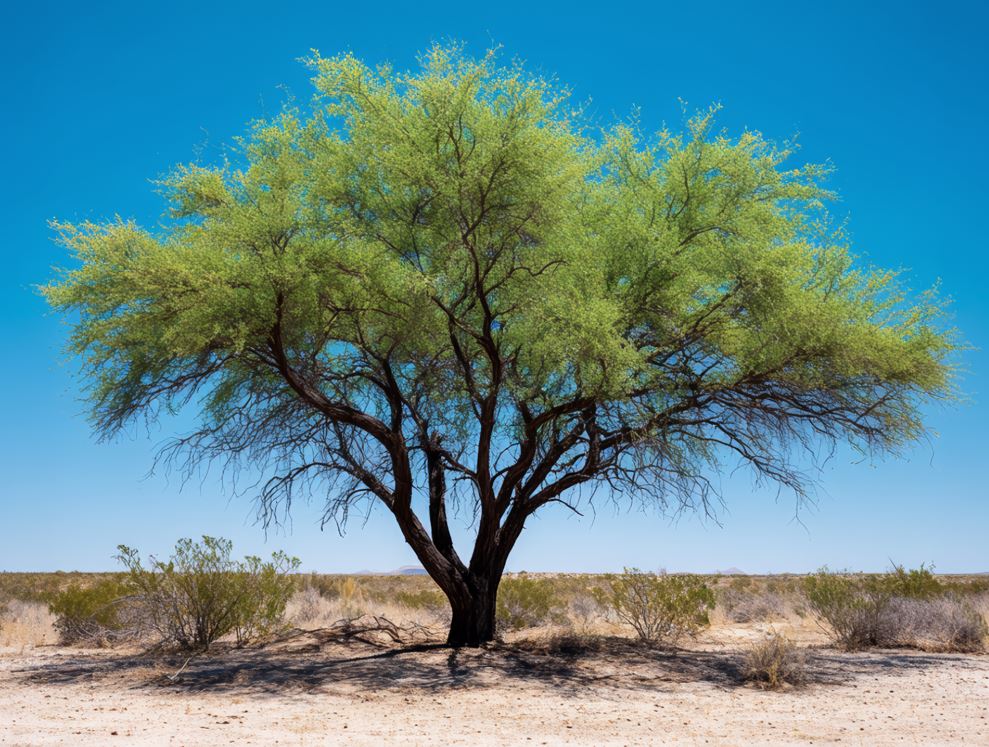
A Treasure of Nature
The pomegranate, scientifically known as Punica granatum, is a fruit that has captivated the world not only for its unique flavor and nutritional properties but also for its history and symbolism in various cultures. This treasure of nature comes from the pomegranate tree, a species as rich in history as it is in health benefits. In this article, we will explore the origins, distribution, and botanical characteristics of this fascinating tree, providing a detailed look at everything that makes it extraordinary.

Origins and Distribution of the Pomegranate Tree
The pomegranate tree has its roots in the region spanning from Iran to northern India. From there, its cultivation spread to Mediterranean regions, taking advantage of the warm and dry climates that favor its development. Today, this plant is found in various parts of the world, successfully adapting to different climatic conditions, but always preferring places where the sun is abundant and water is sufficient but not excessive. The adaptability of the pomegranate tree has made it a symbol of life and fertility in many cultures throughout history.
Botanical Characteristics of the Pomegranate Tree
The Leaves of the Pomegranate Tree
The leaves of the pomegranate tree are a distinctive symbol of beauty and resilience. They are small, oblong in shape, glossy, and a deep green, which not only contribute to the tree’s aesthetic but also play a crucial role in the process of photosynthesis. Their arrangement on the tree allows for optimal light capture, vital for growth and fruit production.

The Trunk and the Bark: Support and Protection
The trunk of the pomegranate tree is characterized by being sturdy and, in old specimens, displays a cracked bark that gives it a majestic appearance. This bark not only serves as a firm support for the tree but also acts as a protective barrier against pests and diseases. The texture and color of the bark add a unique visual appeal to this tree, making it stand out in any garden or orchard.

The Root System of the Pomegranate
The root system of the pomegranate is as fascinating as the parts of the tree we see at first glance. It has strong, deep roots that allow it to access groundwater, which is essential for its survival and growth in drought conditions. This root adaptability makes the pomegranate tree especially valuable in arid regions, where other species might not thrive as easily.
The Flowers and Fruits of the Pomegranate Tree
Description of the Flowers
The flowers of the pomegranate tree are a true work of natural art. They are characterized by their vibrant red color, which not only beautifies the surroundings but also attracts essential pollinators for fruit production. These flowers, which can be single or double, appear alone or in small clusters, adding a visual spectacle to the tree during the blooming season. Their bell-shaped form and delicate petals contrast with the robust green foliage, creating a naturally charming display.

Pomegranate: Properties and Benefits of the Fruit
The pomegranate fruit is as beneficial as it is delicious. Known for its tough skin and interior filled with juicy arils and edible seeds, this fruit is a rich source of vitamins, especially vitamins C and K, fiber, and antioxidants. The antioxidants present in pomegranate, such as punicalagin and ellagic acids, are particularly potent, offering protection against free radical damage and inflammation. These properties make pomegranate valued not only for its unique flavor but also for its multiple health benefits, including improving heart health, preventing certain types of cancer, and reducing the risk of chronic diseases. Consuming pomegranate regularly can contribute to overall well-being, highlighting the nutritional and medicinal value of this extraordinary fruit.
Cultivation and Care of the Pomegranate Tree
https://www.youtube.com/watch?v=TIORY50em48
Optimal Conditions for its Development
To successfully cultivate a pomegranate tree, it is essential to provide certain conditions that favor its growth and fruiting. This tree prefers a subtropical or temperate climate, with hot, dry summers and cool winters. Although it is drought-tolerant thanks to its deep root system, the pomegranate requires regular watering during the growing months to ensure proper fruit production. The ideal soil should be well-drained, although the tree can adapt to various soil types, from acidic to alkaline. Full sun exposure is crucial for flower development and fruit ripening, so choose a location that receives direct sunlight for most of the day.
Pruning and Maintenance: Keys to a Healthy Tree
Pruning is a fundamental aspect of caring for the pomegranate tree. It not only helps maintain an attractive and manageable shape but also promotes higher fruit production and prevents diseases. Pruning should be done in winter, during the tree’s dormancy period, removing dry, diseased, or inward-growing branches to improve air circulation and exposure to sunlight. Additionally, formative pruning during the first few years is advisable to establish a strong and balanced structure. Regular maintenance also includes annual fertilization, preferably at the beginning of spring, with a balanced fertilizer to promote healthy growth and flowering.

Uses and Applications of the Pomegranate Tree
In Nutrition: Beyond a Simple Fruit
The pomegranate tree offers much more than a delicious fruit; it becomes a versatile component in the kitchen. The pomegranate arils, with their sweet and slightly tart juice, are perfect for salads, yogurts, desserts, and juices. But pomegranate is not limited to fresh use; its dried and ground seeds, known as anardana, are a popular spice in Middle Eastern and South Asian cuisine, adding a tangy touch to meat and vegetable dishes. Additionally, pomegranate juice is used as a base for sauces, marinades, and even in the production of wines and liquors, demonstrating the exceptional culinary versatility of this fruit.
Medicinal and Therapeutic Uses of Pomegranate
The pomegranate is not only valued for its unique flavor but also for its numerous health benefits, supported by modern science. Traditionally, it has been used in various cultures to treat conditions such as diarrhea, parasitic infections, and hemorrhages. Today, research has shown that pomegranate possesses antioxidant, anti-inflammatory, and antitumor properties. Its regular consumption is believed to reduce the risk of cardiovascular diseases, control hypertension, improve skin health, and enhance memory. This wide range of medicinal uses makes pomegranate a valuable component in the diet to promote a healthy lifestyle.

The Pomegranate Tree in Gardening and Landscaping
Beyond its nutritional and medicinal value, the pomegranate tree is highly prized in the world of gardening and landscaping. Its elegant form, bright red flowers, and colorful fruit make it an excellent choice for adding color and life to any garden. Its drought resistance and ability to adapt to different soil conditions make it ideal for sustainable and low-maintenance gardens. In landscaping, it is used both in individual plantings and in groups, creating vibrant focal points or decorative hedges. Additionally, its symbolism of fertility and abundance adds cultural and aesthetic value to green spaces.
Protection and Conservation of the Pomegranate Tree
Facing Threats: Pests and Diseases
The protection and conservation of the pomegranate tree require attention and care to combat various pests and diseases that can affect it. Among the most common pests are the pomegranate borer, which damages the fruits and branches, and aphids, which can weaken the tree by sucking sap from the leaves. Regarding diseases, the pomegranate can suffer from anthracnose, a fungal disease that affects the leaves and fruits, causing premature drop. Implementing sustainable agricultural practices, such as biological pest control and the use of organic fungicides, is essential to minimize these impacts and ensure the health and productivity of the pomegranate tree.

The Role of the Pomegranate in Biodiversity and Ecology
The pomegranate tree plays a significant role in the biodiversity and ecology of the ecosystems in which it is integrated. As a source of food for various pollinator species, such as bees and butterflies, it contributes to cross-pollination and, consequently, to the reproduction of a wide range of plants. This interaction is essential for maintaining the health and diversity of ecosystems. Additionally, promoting the cultivation and conservation of the pomegranate can be an effective tool in the fight against soil erosion and environmental degradation, thereby fostering greater ecological awareness.
Conclusion: The Pomegranate Tree as a Symbol of Life and Fertility
The pomegranate tree, with its rich history, multiple uses, and extraordinary benefits, transcends being simply a source of food. It is a symbol of life, fertility, and renewal, intertwined with culture and tradition throughout the centuries. By promoting its cultivation and conservation, we not only contribute to biodiversity and ecological balance but also foster awareness about the importance of protecting and valuing the natural wonders around us. Ultimately, the pomegranate tree teaches us the importance of caring for our environment, generously offering its fruits and beauty, and reminding us of the value of life and nature.