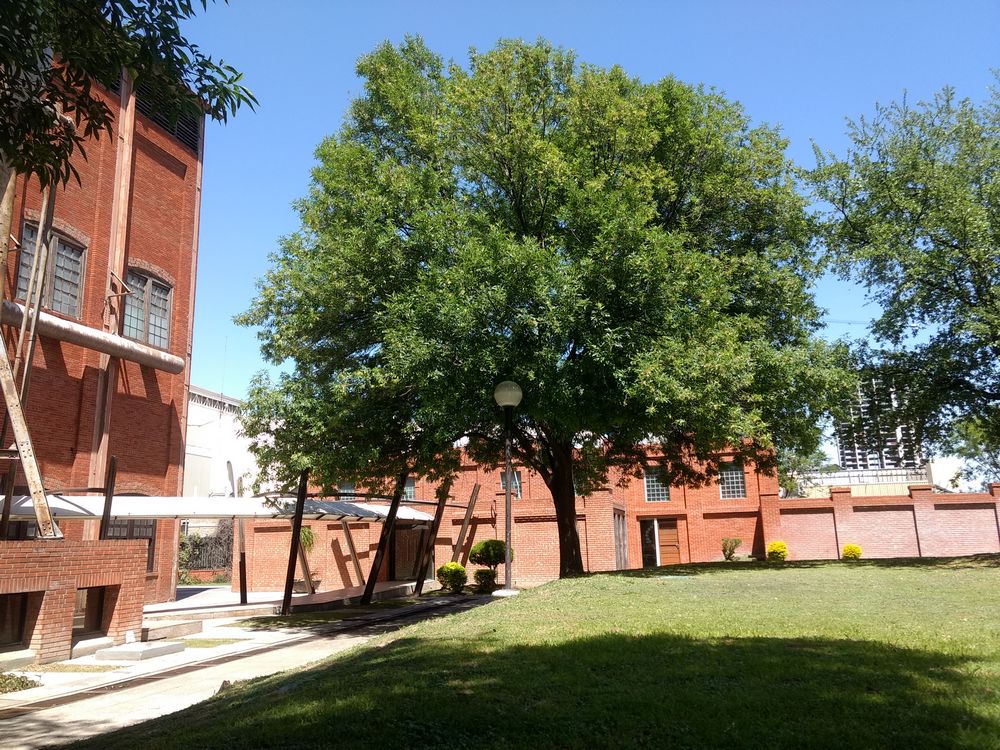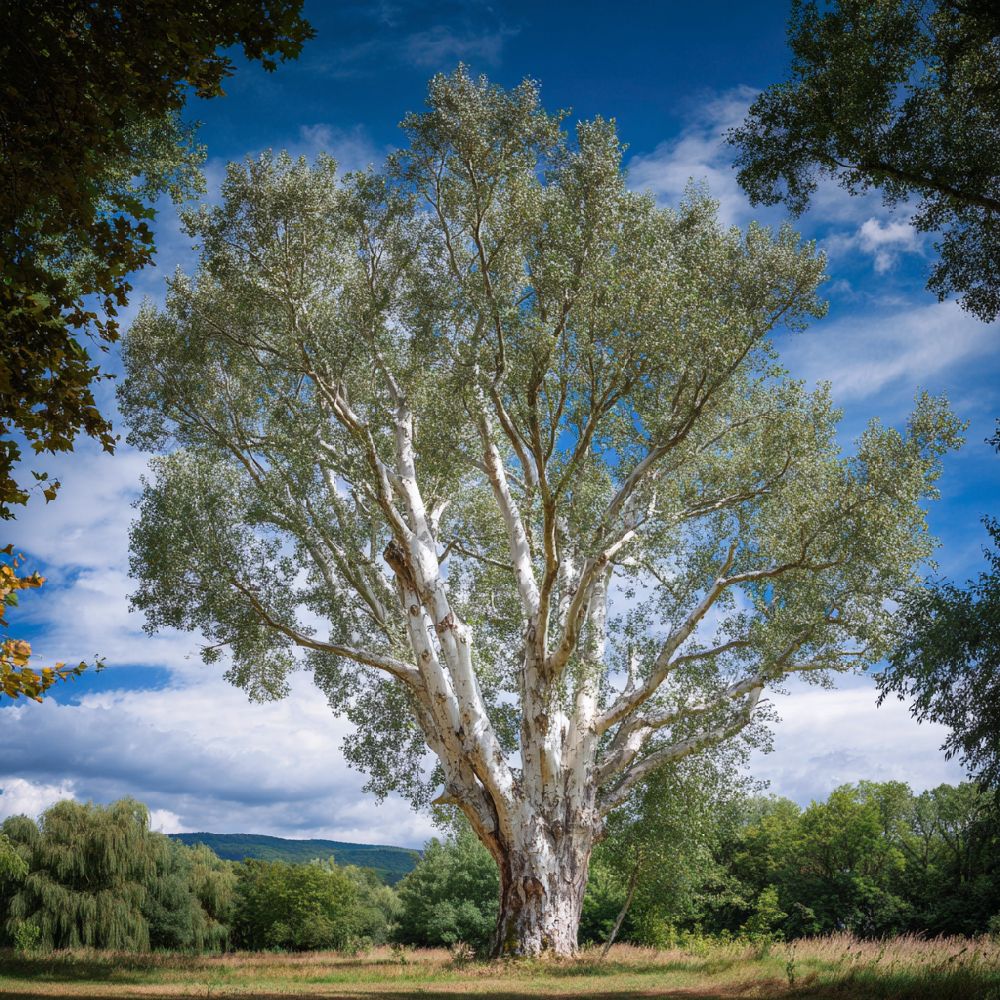
What is the Pistachio Tree?
The pistachio tree, scientifically known as Pistacia vera, is a fruit tree species whose fruits, pistachios, are highly valued worldwide both for their nutritional properties and their unique flavor. Native to regions of Western Asia and Asia Minor, this tree has adapted and is now cultivated in various parts of the globe due to its popularity and demand in the nut market.

Origins and Geographical Distribution
The pistachio tree has its roots in the ancient lands of Persia (modern-day Iran), from where it spread to other parts of Asia and eventually to the Mediterranean. Thanks to merchants and the various civilizations that valued its fruit, its cultivation has spread to countries such as the United States, Turkey, Greece, and others, adapting perfectly to arid and semi-arid climates.
Unique Characteristics of the Pistachio Tree
Visual Identification: Leaves and Trunk

The Singular Beauty of Pistachio Leaves
The leaves of the pistachio tree are easily identifiable by their unique appearance. Compound and a deep green, each leaf is made up of groups of lance-shaped leaflets, offering a visual spectacle as they gently sway in the wind. During autumn, these leaves take on hues ranging from golden yellow to deep red, providing an impressive natural color display.

The Robust Trunk of the Pistachio Tree
The trunk of the pistachio tree is characterized by its robustness and the texture of its bark, which can vary from gray to brown tones. Over time, the bark of the trunk cracks, creating patterns that add great aesthetic value to the tree. This trunk not only supports the weight of its fruits each season but also serves as an important habitat for various species of wildlife, demonstrating the ecological significance of this tree.
Flowers and Fruits: The Life Cycle of the Pistachio
The Subtle Flowers of the Pistachio
The flowers of the pistachio tree often go unnoticed by those unfamiliar with the plant, but they play a crucial role in the tree’s life cycle. These flowers, which appear in clusters before the leaves emerge, are yellowish-green and are divided into male and female types, usually found on separate trees (dioecious). Pollination is assisted by the wind, which facilitates the fertilization of the female flowers and the subsequent development of the fruits.
Pistachios: Fruits Desired by the World
The fruits of the pistachio tree, known simply as pistachios, are highly valued worldwide for their flavor and nutritional benefits. These hard-shelled fruits contain an edible green seed, rich in nutrients. Pistachios are not only delicious but also versatile, used in a wide variety of dishes, from desserts to main courses. Their harvesting and processing require specific techniques, which contributes to their value in the international market.
Benefits and Properties of the Pistachio Tree
Ecological Benefits of the Pistachio
Contributions to Biodiversity
The pistachio tree contributes significantly to the biodiversity of its environment. On one hand, it provides habitat and food for a variety of animal species, including birds and insects. On the other hand, its ability to adapt to poor soils and its drought resistance make it valuable for the recovery of degraded lands and erosion prevention. This tree, therefore, not only enriches the landscape but also plays an important role in the ecosystem, promoting health and biological diversity.
Nutritional Properties of Pistachios
Pistachios are a nutritional treasure, known for their high content of protein, fiber, antioxidants, and healthy fatty acids such as oleic acid. They are an excellent source of vitamins, including vitamin B6, E, and minerals like potassium, magnesium, and phosphorus. These properties make pistachios a healthy snack and a valuable nutritional complement for various diets, contributing to heart health, cholesterol reduction, and improved digestion, among other benefits.

The Cultivation of the Pistachio Tree
Climate and Soil Requirements
The Ideal Climate for Growing Pistachios
The pistachio tree thrives in climates that mimic its native conditions of the Near and Middle East, that is, areas with cold winters and long, hot, dry summers. Periods of cold are crucial for the tree’s winter dormancy, necessary for flower budding in spring. A minimum of 600 to 1,000 chilling hours (temperatures below 45°F) is essential for proper tree development and fruit production. The pistachio’s drought resistance makes it particularly suitable for regions with this type of climate.
The Importance of Soil in the Development of Pistachio
For the optimal growth of the pistachio tree, the soil plays a significant role. This tree performs best in well-drained soils, ranging from sandy to loam, although it can tolerate a wide variety of soil types, including alkaline and saline soils. Soil depth is important to allow for good root system development. A deep, fertile soil with good water retention capacity, without waterlogging, is ideal for pistachio cultivation.

Care and Maintenance of the Pistachio Tree
Irrigation and Fertilization: Keys to a Healthy Pistachio
Irrigation is essential especially in the early growth stages of the pistachio tree and during the fruit growing season. However, since the tree is drought-tolerant, it is crucial to avoid overwatering to prevent root diseases. Fertilization should be tailored to the specific needs of the soil and tree, with nitrogen being a key component to promote healthy growth. A soil analysis can help determine the most suitable fertilization regime.
Pruning and Disease Control
Pruning is a vital part of maintaining the pistachio tree, carried out to shape the tree’s structure, remove dead or damaged wood, and facilitate sunlight and ventilation among the branches. This not only improves fruit production but also reduces the risk of diseases. Disease and pest control must be proactive, using integrated pest management practices to identify and address problems before they become severe infestations, thereby ensuring the tree’s health and productivity.
Roots of the Pistachio Tree: The Foundation of Its Strength
The roots of the pistachio tree form the foundation of its resilience and longevity. They have a deep and extensive root system that allows them to access groundwater, contributing to their remarkable drought tolerance. This structure not only ensures the tree’s firm anchorage, enabling it to withstand adverse weather conditions, but also plays a crucial role in absorbing essential nutrients for its growth and development. The depth and strength of the pistachio tree’s roots are fundamental to its ability to adapt and survive in diverse environments.
Protection and Conservation of the Pistachio Tree
The conservation of the pistachio tree faces several challenges, including overexploitation, diseases, and climate change. These factors threaten not only wild trees but also cultivated ones. Implementing sustainable agricultural practices, researching and developing disease- and drought-resistant varieties, and conservation policies aimed at protecting the natural habitats of the pistachio are essential measures for its preservation. Education about the importance of this tree and its ecosystem also contributes to conservation efforts.

Conclusion: The Pistachio Tree and Its Impact on Our World
The pistachio tree is much more than a source of delicious nuts; it is a species that plays a crucial role in the biodiversity, economy, and culture of many regions. Its ability to thrive in adverse conditions, along with its numerous ecological and nutritional benefits, makes it a valuable species worthy of admiration and protection. By better understanding the pistachio tree and fostering a ecological awareness, we can appreciate its true value and contribute to its conservation for future generations. The continuity of its cultivation and protection not only ensures the availability of its prized nuts but also maintains the natural balance and health of our ecosystems.