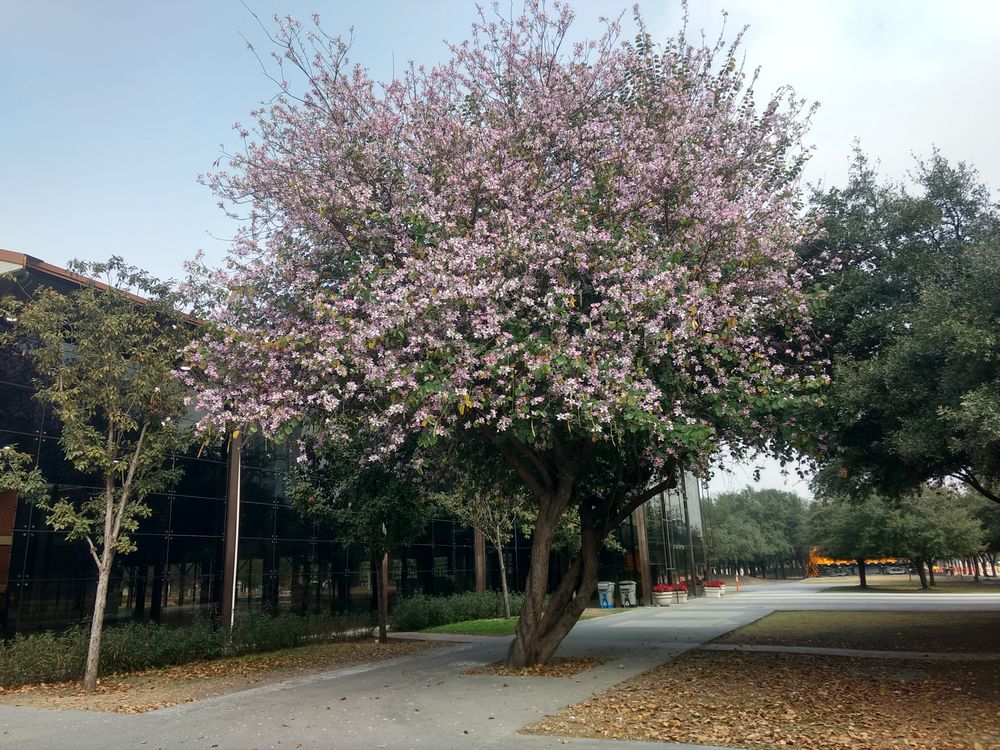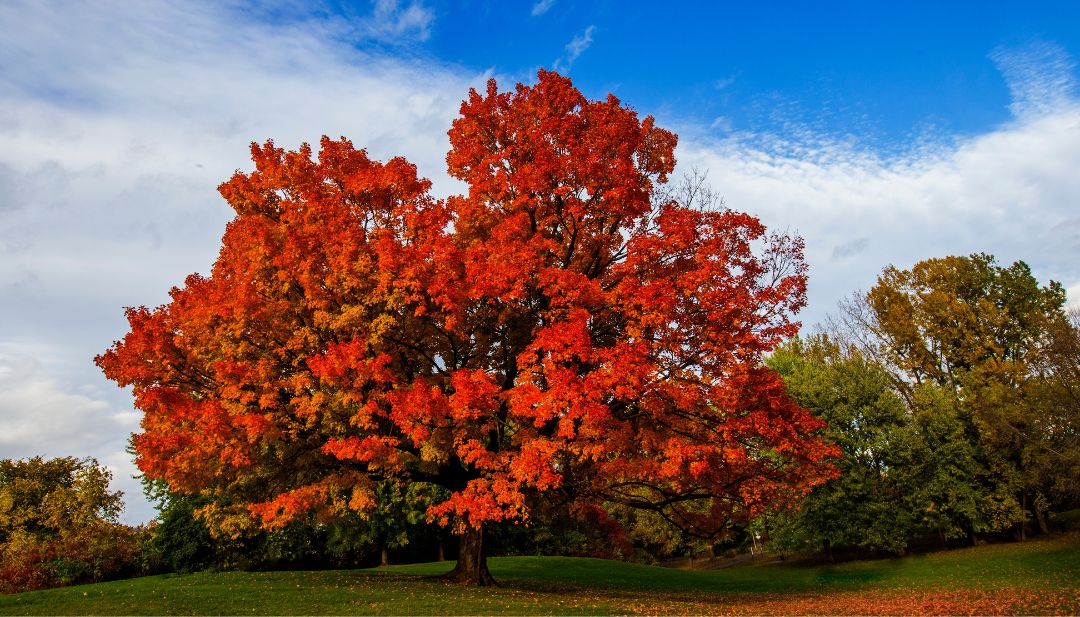
The Peach Tree (Prunus persica)
The peach tree, scientifically known as Prunus persica, is a jewel of nature not only for its delicious fruits but also for its ornamental beauty. Native to China, this tree has traveled across continents, adorning landscapes and enriching diets with its nutritious peaches. In this section, we will explore the highlights of the peach tree, from its history and distribution to its impact on culture and the global economy.

Origin and Global Distribution
Its roots lie in ancient China. It is believed that its cultivation began over 4,000 years ago, becoming an essential part of the local culture and agriculture. Over the centuries, its cultivation spread throughout Asia, reaching Persia, from which it derives its scientific name. Eventually, traders and explorers brought it to Europe and later to the Americas, where it quickly adapted to various climates, spreading worldwide.
Today, the peach tree is found in a wide variety of climate zones, being cultivated in both temperate and subtropical regions. Its adaptability and resilience have made it a favorite among farmers and gardeners, making its presence global.
Botanical Characteristics of the Peach Tree
Identification of the Leaves of the Peach Tree (Prunus persica)
The leaves of the peach tree are easily recognizable by their lanceolate shape and finely serrated edges. These leaves, which can measure between 7 and 15 cm long, display a vibrant green color that not only adds a fresh aesthetic to the tree but also plays a crucial role in the process of photosynthesis. During autumn, the leaves may show subtle color changes, adding a picturesque touch to the landscape.

The Trunk: Support and Aesthetics
The trunk of the peach tree is sturdy and is usually covered by rough-textured bark that protects the tree from harsh weather and pests. Although not excessively thick, its structure provides firm support for the fruit-laden branches, and its grayish bark adds an interesting aesthetic element to the garden.
Peach Tree Flowers: A Visual Spectacle
Perhaps one of the most striking attractions of the Prunus persica are its flowers. These appear early in spring, even before the leaves, and they usually range from pale to deep pink. Each flower, promising to become a peach, not only beautifies the surroundings but also attracts numerous pollinators, essential for fruit production.

Fruits of the Peach Tree: Icons of Flavor and Nutrition
Peaches, the most prized product of the tree, are large, juicy, and packed with nutrients such as vitamins A and C, fiber, and antioxidants. These fruits can have fuzzy or smooth skin, varying in shades from soft yellow to deep red, depending on the variety. Their flesh can be firm or soft and is valued both fresh and in culinary preparations.

Roots of Prunus persica: The Hidden Foundation
The roots of the peach tree are strong and deep, providing anchorage and absorbing essential nutrients from the soil. Its root system allows the tree to support itself in various soils, from sandy to clayey, which is fundamental for its adaptation and survival in different environments.
Maintenance and Care of the Peach Tree
Practical Cultivation Guide
Proper care of the peach tree is essential to ensure good tree health and abundant fruit production. Here is a practical step-by-step guide to growing and maintaining your peach tree:
- Choosing the right location: Peach trees require a spot with full sun and protection from strong winds. Make sure the site has good drainage to prevent waterlogging of the roots.
- Prepare the soil: Before planting, enrich the soil with compost or well-rotted manure. This will help improve soil structure and provide essential nutrients for the tree.
- Planting: The best time to plant peach trees is late winter or early spring. This allows them time to establish before the summer heat begins.
- Watering: During the first years, it is vital to water regularly, especially in the warmer months. Once established, peach trees can tolerate periods of drought, but watering remains crucial during flowering and fruit development.
- Fertilization: Apply a balanced fertilizer in spring and again in mid-summer to encourage healthy growth and fruit production.
- Pruning: Regular pruning is necessary to maintain the shape of the tree, remove dead or diseased branches, and promote good air circulation, which reduces the risk of disease.
- Pest and Disease Control: Regularly inspect your tree for signs of pests and diseases. Treat problems as soon as you detect them using products that are appropriate and safe for the tree.
- Harvest: Peaches are usually ready to harvest in late summer. Pick the fruit when it is fully ripe and its color has completely changed.
Following these steps will help you keep your peach tree in excellent condition, ensuring you enjoy its fruits year after year.
Optimal Growth Conditions
To achieve full and healthy development, the peach tree needs to meet certain environmental and soil conditions. First, the ideal location must receive at least six hours of direct sunlight daily, which is crucial for flowering and fruit ripening. Regarding climate, peaches require some winter chill, but varieties differ in their exact chilling hour needs, so it is important to select a variety suitable for your climate zone.
The ideal soil for Prunus persica should be well-drained and rich in organic matter. A soil pH between 6 and 7 promotes the best growth. Additionally, it is vital to avoid areas where water stagnates, as this can cause root rot. If your soil is naturally heavy or clayey, consider planting in raised beds or amending the soil to improve drainage.

Common Problems and Solutions
Peach trees are susceptible to various problems, including both pests and diseases. One of the most common is scale insects, which can be controlled through the application of horticultural oils or appropriate insecticides during the dormant season. Fungal diseases, such as scab and brown rot, require careful management that includes removing affected fruits and leaves and using fungicides when necessary.
Another common problem is iron chlorosis, caused by the tree’s inability to absorb iron from the soil, especially in alkaline soils. This can be treated by adjusting the soil pH and applying iron chelates specific for plants. Additionally, weed competition can be an issue, so keeping the area around the tree free of weeds by using mulch is essential to prevent them from stealing nutrients and water from the tree.
By implementing these solutions and maintaining regular monitoring, you will be able to enjoy a healthy and productive peach tree.

Conclusion: The Peach Tree as a Symbol of Vitality
The peach tree, with its rich history and impressive aesthetic and nutritional qualities, transcends being merely a source of food. This tree symbolizes vitality and renewal, marking the change of seasons with its vibrant spring blossoms and its generous summer harvest. Growing a peach tree not only enriches the landscape but also fosters greater ecological awareness and a commitment to the environment, educating current and future generations about the importance of caring for our plants and, by extension, our planet.
Frequently Asked Questions about the Peach Tree
How long does it take for a peach tree to start bearing fruit?
Normally, a peach tree begins to produce fruit between 3 and 4 years after planting, although this can vary depending on the cultivation method and the tree variety.
What is the lifespan of a peach tree?
A well-cared-for peach tree can produce fruit for 12 to 15 years. However, with proper management and disease prevention, some trees can remain productive for even longer.
Do peach trees need a lot of water?
Peach trees require regular watering, especially during periods of drought and in the early stages of growth and fruiting. However, it is crucial to avoid waterlogging to prevent diseases.
Can the peach tree grow in any type of soil?
The peach tree prefers well-drained soils rich in organic matter. Although it can tolerate a variety of soil types, a pH between 6 and 7 is ideal for its optimal development.