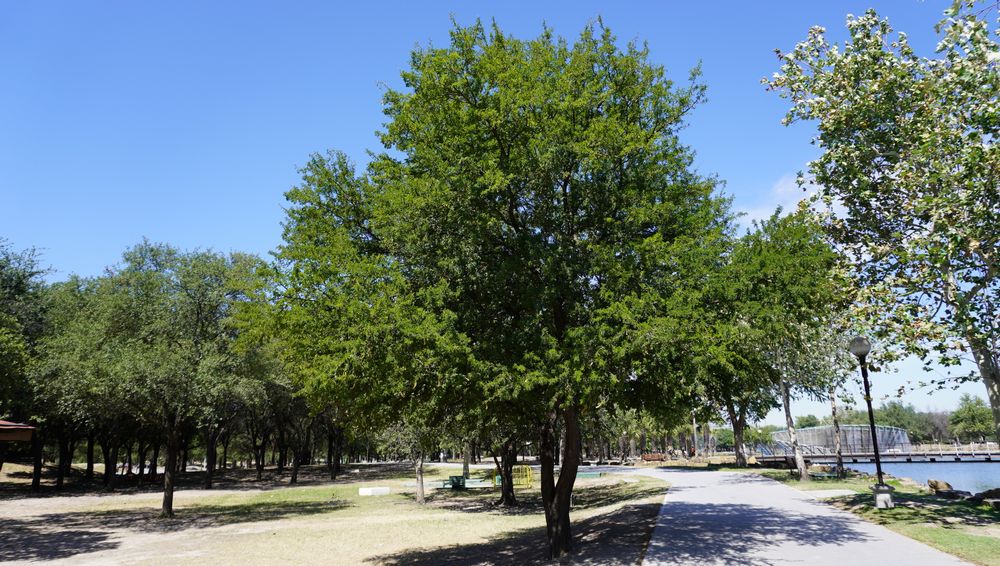
What is the Retama Tree?
The retama tree, commonly known as palo verde, is a distinctive and visually striking species that belongs to the legume family. This thorny tree is renowned for its vibrant green foliage and its impressive yellow flowers that cover its branches during the blooming season, creating a true visual spectacle in the landscape. Adapted to survive in drought conditions, the palo verde has the unique ability to perform photosynthesis through its green bark, allowing it to thrive in arid environments. In some regions, this plant is also known by the name cina-cina.

Within the botanical world, the Palo Verde is scientifically recognized as Parkinsonia aculeata, being one of the most prominent members of the legume family. There are various species within the Parkinsonia genus, but P. aculeata is perhaps the best known, valued both for its resilience to desert climates and its unmistakable natural beauty. Its scientific name is as distinctive as its physical characteristics, adding a further level of depth and precision to the understanding of this plant species.
Origin and Distribution of the Palo Verde
The palo verde is native to the arid and semi-arid regions of America, especially the southwestern United States and Mexico. Over time, its ability to adapt to extreme climates has allowed it to spread widely beyond these areas. It can be found in various parts of the world where climatic conditions are similar, including parts of Australia and North Africa. This adaptability makes the retama tree an ideal plant for reforestation and beautification of dry areas.

Botanical Characteristics of the Retama Tree
Identification of Retama Leaves
The leaves of the retama tree are small, compound, and bright green. These leaves, although present, are usually sparse and fall early in the season, leaving the green bark responsible for photosynthesis during most of the year. Their small size and efficiency in conserving water are perfect adaptations for the arid environment in which the palo verde thrives.

The Single Trunk of the Palo Verde
One of the most notable features of the palo verde is its green and smooth trunk, which performs a vital role in photosynthesis, especially during the warmest and driest periods of the year. The trunk is typically slender and, in many species of broom, branches near the base, providing structural support to the flowers and fruits the tree develops.

One of the most distinctive features of the palo verde is its green spiny branches, which play a vital role in photosynthesis, especially during the warmer and drier periods of the year. These branches, in addition to their photosynthetic function, are equipped with spines that protect the tree from herbivores.

The Bright Flowers of Retama
During spring, the retama tree is adorned with a profusion of bright yellow flowers that attract pollinators such as bees and butterflies. These flowers are not only essential for the local ecosystem but also make the palo verde a favorite in landscaping due to its aesthetic appeal.

Fruits of the Retama Tree: Form and Function
The fruits of the palo verde are pods containing small seeds, adapted to be dispersed by wind and animals. These pods are initially green and turn brown as they mature, eventually opening to release the seeds, which are crucial for the propagation of the species.
The Root System of the Palo Verde
The root system of the retama tree is extremely efficient and adapted to maximize water absorption in arid soils. The roots are long and deep, allowing the tree to access underground water layers that other plants cannot reach. This root system not only supports the tree during long dry seasons but also helps stabilize the soil, preventing erosion.
Properties and Benefits of the Retama Tree

Traditional Uses of the Retama Plant
The retama plant has been valued for generations not only for its beauty but also for its multiple uses. Traditionally, its branches have served as forage for livestock during times of scarcity, while its wood, lightweight yet sturdy, has been used in the making of tools and furniture. Additionally, in folk medicine, it is attributed with healing properties, although these are not scientifically proven and caution is advised in its use.
Ecological Benefits of the Palo Verde
The green palo or retama tree plays a crucial role in its native ecosystem. It is a pioneer species in reforesting disturbed areas, helping to fix nitrogen in the soil, thereby improving its fertility. Additionally, it acts as a nurse plant, providing shade and protection to seedlings of other species growing around it. Its flowering supplies food for numerous pollinators, which contributes to the area’s biodiversity.
Distinguished Characteristics of the Retama Tree

Adaptations to the Environment: The Resilience of the Palo Verde
The retama tree is a model of resilience and adaptation. Its small, ephemeral leaves reduce water loss, while the photosynthetic ability of its green stems allows survival in extremely hot and dry climates. Additionally, its extensive root system efficiently captures rainwater, storing it for times of drought. All of this makes the palo verde an extremely well-adapted species to life in arid zones.
Genetic Diversity and Regional Variations
There is a surprising genetic diversity within the retama tree species, which translates into a variety of local adaptations and regional variations. This diversity is the result of its wide geographic distribution and the species’ ability to adapt to different environmental conditions. Such genetic variability ensures the resilience of the palo verde in the face of climate change and other environmental challenges.

Care and Cultivation of the Retama Plant
Tips for Successful Cultivation of Palo Verde Tree
For those wishing to add the palo verde tree to their gardens, consider that these trees are sun lovers and require full exposure for optimal growth. They prefer well-drained soils and, once established, are very drought-tolerant. During the early stages of growth, moderate watering is recommended until the root system has expanded enough to support the tree on its own. Pruning should be done carefully to maintain the natural structure of the tree and avoid excessive cuts that could damage its unique photosynthetic trunk.
Common Problems and Solutions in the Growth of Retama
The retama is generally resistant to pests and diseases; however, overwatering can cause root rot. If this issue occurs, it is essential to reduce the watering frequency and ensure proper drainage. Another common problem is frost damage in colder regions. To prevent this, it is crucial to plant the green palo in a protected location and consider using covers or blankets on the coldest nights.
Conclusion: The Incomparable Value of the Retama Tree
The Retama tree is not just a visual spectacle with its dazzling yellow blossoms and its fascinating green bark that functions as leaves. It is also a pillar of sustainability and a living example of ecological awareness. By integrating the Retama into our landscapes, we not only aesthetically enrich our surroundings but also contribute to the health of our planet. This resilient tree teaches us valuable lessons about adaptation and resilience, making the palo verde an unmatched choice for sustainable gardens and reforestation projects.
Frequently Asked Questions about the Retama Tree (Palo Verde)
1. How can I identify a broom tree?
The retama tree is easily identifiable by its distinctive green bark and its small compound leaves that become more noticeable after rains. In spring, it stands out for its abundant yellow blooms. Additionally, it often has an irregular growth pattern with branches extending upward and outward, giving it an open and airy form.
2. What is the best time to plant a palo verde?
The best time to plant a palo verde is late winter or early spring, when the risk of frost has passed and temperatures begin to rise. This allows the tree to establish its root system before the hot summer months arrive.
3. Does the broom tree require special care?
The broom tree is known for its low maintenance needs. It requires little watering once established and rarely needs fertilizer or pruning. However, it is sensitive to overwatering and severe frost, so it should be avoided in areas prone to these conditions.
4. Is the Retama tree suitable for small gardens?
Although the palo verde can adapt to small gardens, it is important to consider its growth potential and expansive form. There are dwarf varieties that may be more suitable for confined spaces. It is essential to provide enough space for the tree to grow both in height and width.
5. What ecological benefits does the palo verde provide to my garden?
Planting a palo verde tree in your garden can enhance local biodiversity by providing food and habitat for pollinators. It also helps improve soil quality by fixing nitrogen and can offer shade that lowers soil temperature, protecting other plants more sensitive to extreme heat.