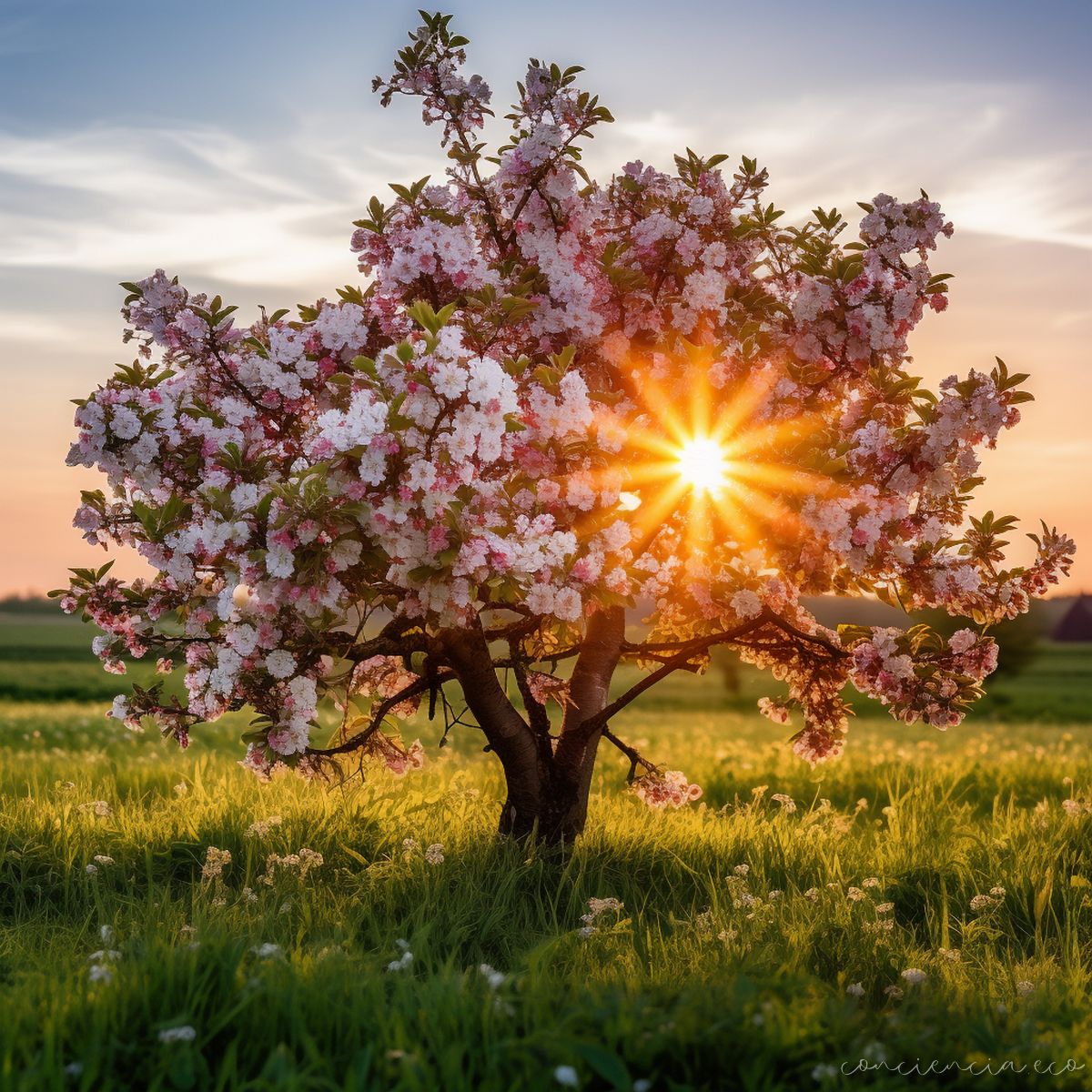
The orange tree, scientifically known as Citrus sinensis, is not only a source of delicious oranges but also a symbol of sustainability and ecological awareness. This evergreen tree, belonging to the rue family, has been cultivated for millennia, not only for its juicy and nutritious fruit but also for its ability to improve the environment and promote a more organic and nature-friendly lifestyle.

The Magic of the Orange Tree: A First Glance
The orange tree is a marvel of nature, capable of producing hundreds of fruits each year. Beyond its obvious nutritional contribution, oranges are a source of vitamin C, fiber, and antioxidants, making them a cornerstone of a healthy diet. But beyond its contribution to nutrition, the orange tree plays a crucial role in the ecosystem: from air purification to promoting biodiversity by providing habitat for various species of birds and pollinating insects.
Complete Guide to Planting an Orange Tree
Choice of Location and Land Preparation
To plant an orange tree, the first step is to choose a suitable location. It should receive direct sunlight for at least 6-8 hours a day. The soil must be well-drained, fertile, and slightly acidic to neutral in pH. It is crucial to prepare the ground in advance, removing weeds and enriching it with organic compost to ensure a nutritious environment for the young tree.
Planting: Step by Step towards a Green Future
The planting begins with the selection of a healthy specimen from one of the orange tree varieties adapted to your climate. By digging a hole twice as wide as the root ball and just as deep, carefully place the tree in the center and fill it with enriched soil. A good initial watering will help settle the soil and eliminate air pockets.
Essential Care for Healthy Growth
Post-care is essential to ensure healthy growth. This includes regular but not excessive watering to keep the soil moist but not waterlogged. The periodic application of organic fertilizers will contribute to the development of a strong root system and abundant fruit production. Occasional pruning will remove dead or diseased branches and promote a robust, well-ventilated canopy structure, essential for producing high-quality organic oranges.

Orange Varieties: A World to Discover
Classics vs. Exotics: Exploring the Differences
As we delve into the world of orange trees, we find a rich diversity ranging from classic varieties to the most exotic. The classic varieties, such as Navel and Valencia, are widely known for their adaptability and high-quality fruit, ideal for direct consumption or juice production. On the other hand, exotic varieties, such as Red Orange and Cara Cara, offer unique and distinctive flavors, with colors ranging from deep red to pink tones, enriching the palette of options for orange lovers.
Choose Your Variety: Tips for Making the Best Decision
To choose the most suitable orange tree variety for your garden or orchard, first consider the climate of your area. Some varieties require warmer conditions to thrive, while others can tolerate cooler temperatures. It is also important to think about how you will use the oranges: if you prefer to eat them fresh, choose varieties that are easy to peel and have few seeds; if your interest is in making juice, look for those with a high juice content. Finally, consider the available space, as some varieties can grow larger than others.
Anatomy of the Orange Tree
Leaf
Shape, Size, and Color: Decoding Leaves
The leaves of the orange tree are an indicator of its health and vigor. They typically have an oval or lance-shaped form, with sizes ranging between 7 and 10 cm in length. The color varies from a deep green to a lighter green, depending on the variety, the age of the leaf, and environmental conditions. This hue not only adds beauty to the tree but also plays a crucial role in the process of photosynthesis, essential for fruit production.

Functions and Ecological Role of Leaves
The leaves of the orange tree are not only essential for photosynthesis, transforming sunlight into chemical energy, but they also contribute to the plant’s respiration and transpiration, regulating its temperature and gas exchange. From an ecological perspective, the leaves serve as habitat and food source for various species, promoting biodiversity and supporting healthy ecosystems. Their falling and decomposition enrich the soil, closing a vital cycle for the garden ecosystem.
Trunk
The Support of Life: Structure and Characteristics
The trunk of the orange tree is the central pillar that supports not only the branches, leaves, and fruit but also the life it harbors. Robust and resilient, its outer bark protects the tree from diseases and pests. The structure of the trunk, composed of layers of xylem, phloem, cambium, and bark, is crucial for transporting nutrients and water from the roots to the highest parts of the tree, ensuring its growth and development.
Importance of the Trunk in the Ecosystem

The trunk of an orange tree plays a vital role in the ecosystem, not only as part of the tree’s physical structure but also as an important ecological component. It houses a variety of organisms, from insects to mosses and lichens, contributing to biodiversity. Throughout its life cycle, a trunk can serve as shelter for birds and small mammals, and its eventual decomposition provides essential nutrients to the soil, promoting the growth of new plants.
Roots
The Hidden World Beneath the Ground: Roots of the Orange Tree
The roots of the orange tree form an extensive underground system that extends beyond the perimeter of its canopy. This root system, consisting of a main root and multiple secondary roots, penetrates the soil searching for water and nutrients. The roots of orange trees are specially adapted to explore the soil efficiently, allowing the tree to establish itself firmly and absorb what is necessary for its growth and fruit production.
Vital Functions and Special Adaptations
In addition to providing anchorage and nutrition, the roots of the orange tree perform vital functions such as respiration and the storage of energy reserves. These special adaptations allow the tree to survive in different climatic and soil conditions. The roots’ ability to form symbiotic associations with fungi, enhancing water and nutrient absorption, is an example of their incredible adaptability and efficiency.
Flowers
Fragrant Beauty: Description and Blooming Phases
The flowers of the orange tree are small gems of nature, known for their beauty and intoxicating fragrance. Usually white, these flowers appear in clusters and mark the beginning of the blooming season. The flowering follows a cycle that starts with the floral bud, followed by the opening of the flowers, and culminates with pollination. This process is not only a visual and olfactory spectacle but also a crucial phase for fruit production.

Pollination: The Vital Process for Fruit Production
Pollination in orange trees is a vital process that can be carried out by the wind or, more commonly, by pollinating insects such as bees and butterflies. These pollinators are attracted by the aroma and nectar of the flowers, and by visiting them, they transfer pollen from one flower to another, facilitating fertilization. This genetic exchange is not only essential for the production of organic oranges, but also contributes to the genetic diversity of the crops, a fundamental aspect for the resilience and health of the ecosystem.
Fruits
Organic Oranges vs. Conventional: Benefits and Differences
The choice between organic oranges and conventional ones is significant for both our health and the environment. Organic oranges are grown without the use of synthetic pesticides, chemical fertilizers, or genetic engineering, favoring methods that respect natural cycles and preserve biodiversity. This approach not only ensures fruit free of potentially harmful chemical residues but also improves soil quality and reduces water contamination. In contrast, conventional oranges may contain traces of these chemicals, although they are usually more affordable and tend to have greater uniformity in size and appearance.
From Tree to Table: Nutritional Properties of Oranges
Oranges are an exceptional source of vitamin C, a powerful antioxidant that strengthens the immune system, as well as containing fiber, B-complex vitamins, vitamin A, calcium, and potassium. These nutrients contribute to a wide range of health benefits, including improved cardiovascular health, reduced risk of chronic diseases, and support for digestive health. From tree to table, oranges provide an essential nutritious addition to any diet.

Benefits of the Orange Tree for Health and the Environment
A Treasure of Vitamins: The Healthy Benefits of Oranges
Oranges are true nutritional treasures, packed with essential vitamins and minerals crucial for the proper functioning of the body. Vitamin C, known for its ability to boost the immune system, is just the tip of the iceberg. Oranges also provide antioxidants that fight free radicals, reducing the risk of chronic diseases and premature aging. Additionally, their fiber content promotes digestive health and helps regulate blood sugar, making oranges an ideal snack to keep us healthy and vibrant.
The Orange Tree as an Ally against Climate Change
The orange trees play a crucial role in the fight against climate change, acting as carbon sinks that absorb CO2 from the atmosphere. This process not only helps reduce the carbon footprint but also improves air quality. Additionally, the organic farming systems associated with organic orange production promote sustainable agricultural practices that protect natural resources, preserve biodiversity, and foster ecological balance. Planting and caring for an orange tree is therefore a positive step toward a greener and healthier future for our planet.

How the Orange Tree Enriches Your Garden and Your Life
Contribution to Biodiversity and Landscape Beauty
Incorporating a orange tree into your garden not only beautifies the space with its greenery and colorful fruits but also significantly contributes to local biodiversity. This tree attracts a variety of pollinators, from bees to butterflies, which are essential for the pollination process and for maintaining healthy populations of these species. Additionally, birds are drawn to the fruits, providing a natural spectacle while helping disperse seeds, promoting plant regeneration, and enriching your garden’s ecosystem.
Connection with Nature: A Sensory Journey
Having an orange tree is embarking on a sensory journey through the seasons. The fragrance of its blossoms in spring, the bright green of its leaves in summer, the abundance of fruit in autumn, and the resilience of its trunk in winter—all contribute to an enriching experience that connects us with the cycle of life and the rhythms of nature. This connection strengthens our emotional and mental well-being, reminding us of the beauty and serenity found in simple moments.
Conclusion: The Orange Tree and Its Role in Ecological Awareness
The orange tree, with its evergreen life cycle and abundant fruit, is not just an aesthetic addition to our garden but a powerful symbol of ecological awareness. Through its contribution to biodiversity, its ability to improve air quality, and its role in promoting sustainable agricultural practices, it teaches us about the interconnectedness of all life forms and the importance of caring for our natural environment. Ultimately, the orange tree invites us to reflect on how our choices and actions can positively influence the environment and our relationship with the planet, enriching not only our gardens but also our lives and the world around us.