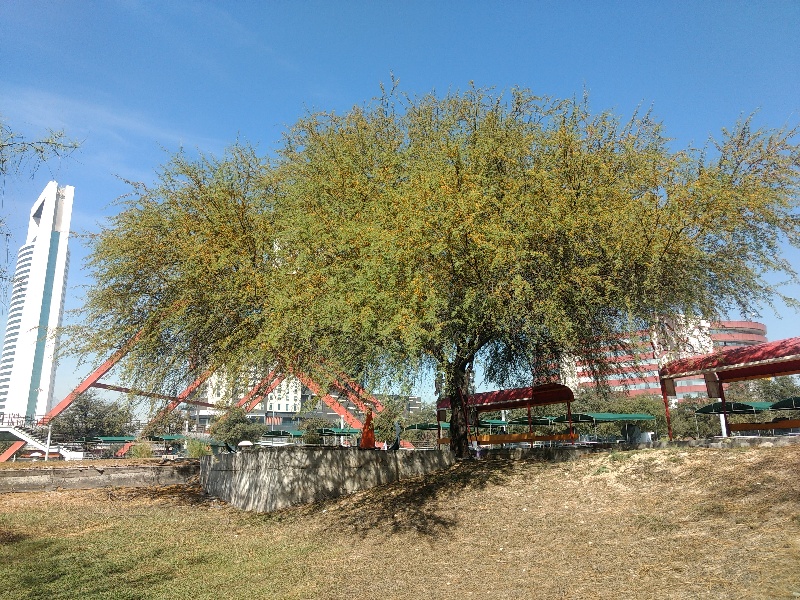
Origins of the Olive Tree
The olive tree, scientifically known as Olea europaea, is a symbol of Mediterranean culture, with a history spanning thousands of years. Native to the Eastern Mediterranean region, this resilient tree has been cultivated since ancient times, valued not only for its prized fruits but also for its significance in various cultural and religious traditions.
The expansion of the olive tree throughout the Mediterranean basin is mainly due to Phoenician and Greek traders, who spread its cultivation through their extensive trade routes. Today, olive cultivation has become globalized and can be found in various parts of the world, adapting to different climates and soils, although it always prefers the conditions of its native Mediterranean region.

The capacity of the black olive tree, a particularly resilient variety, to thrive in arid and rocky soils is remarkable, making it a symbol of strength and perseverance. Additionally, the interest in cultivating potted olive trees has grown, allowing this ancient species to become part of homes and gardens in areas where the climate would not traditionally be favorable.
The geographical distribution of olive trees has played a crucial role in their history and in the economy of the regions where they are established. This tree not only adapts and thrives, but also shapes local cultures and economies, highlighting its importance both ecologically and culturally.
Botanical Characteristics of the Olive Tree
The Leaves of the Olive Tree
The leaves of the olive tree are a clear hallmark of its adaptation to dry and warm environments. Lance-shaped and grayish-green in color, the leaves are small and sturdy, coated with a waxy layer that helps them retain moisture. This design not only maximizes water-use efficiency but also reflects sunlight, protecting the tree from excessive sun exposure.

The Trunk and the Branches
The trunk of the olive tree is another of its characteristic features. Often twisted and with thick bark, it provides a picturesque and sturdy image. This tortuous shape is not merely an aesthetic accident; it is a vital adaptation for surviving in windy and dry climates. The branches, like the trunk, are strong and can support the weight of abundant fruit during the harvest season.

The Roots of the Olive Tree
The roots of the olive tree are as impressive as the rest of its structure. Capable of growing in poor, rocky soil conditions, the roots extend deeply into the ground to access underground water that other plants cannot reach. This deep root network allows the olive tree not only to survive but to thrive in challenging environments, making its cultivation possible in various regions of the world.
The Flowers of the Olive Tree
The flowers of the olive tree are small and often go unnoticed, but they are crucial for olive production. They appear in compact clusters and have a creamy white color that subtly contrasts with the deep green of the leaves. These flowers are predominantly hermaphroditic, meaning they contain both male and female organs, thus facilitating pollination and ensuring a good fruit yield each season.

Olive Tree Fruits: Olives
Development and Maturation
The development of olives begins shortly after flowering and can vary significantly depending on the climate and variety of the olive tree. Olives go through several stages of growth, starting as small green shoots that gradually enlarge and harden. As they mature, their color changes from green to a dark purple or even black, depending on the variety. This ripening process can take several months, during which the olives accumulate the essential oils that will later be extracted to produce olive oil.

Varieties and Commercial Uses
There are numerous varieties of olives, each with unique characteristics that influence their commercial use. Among the most well-known are Manzanilla, Arbequina, and Picual, each adapted to different types of soils and climates, and selected for their particular organoleptic qualities and oil yields.

- Olive oil: The most prominent use of olives is the production of olive oil, prized both for its health benefits and its versatility in cooking. Extra virgin olive oil, obtained from the first pressing, is especially valued for its purity and flavor.
- Pickled: Olives are also consumed pickled, either alone or stuffed with ingredients such as peppers, almonds, or anchovies.
- Tapenades and spreads: Crushed olives are used to make tapenades and other spreads, which are popular as appetizers or condiments.
- Gourmet cuisine: Olives are an indispensable ingredient in many Mediterranean recipes, from pizzas and pastas to salads and main dishes.
- Beauty products: Olive oil is a common ingredient in beauty products such as creams, masks, and shampoos, harnessing its moisturizing and nourishing properties for the skin and hair.

Properties and Benefits of the Olive Tree
Medicinal Properties
The olive tree is valuable not only for its fruit and oil but also for its multiple medicinal properties. Olive leaves contain oleuropein, a compound with potent antioxidant and anti-inflammatory properties. Studies have shown that olive leaf extract can help reduce blood pressure, improve cholesterol levels, and stabilize blood sugar levels, thus offering significant benefits for cardiovascular and overall health.
Contribution of the Olive Tree to Biodiversity and Sustainability
The cultivation of the olive tree significantly contributes to biodiversity and environmental sustainability. As a perennial species, it provides continuous cover and habitat for various wildlife, especially birds and insects. Additionally, olive groves can help prevent soil erosion and improve water retention in arid areas, playing a vital role in maintaining ecological health. Its ability to thrive in poor soils and low water requirements also make it an ideal crop to promote sustainable agricultural practices in regions vulnerable to desertification.

Cultivation and Care of the Olive Tree
Ideal Climate and Soil
The olive tree requires specific conditions for its optimal development. It prefers a Mediterranean climate with mild winters and hot, dry summers. Regarding soil, olive trees thrive best in well-drained soils that are slightly acidic to alkaline. Well-drained soil is crucial, as the olive tree is susceptible to root rot in overly wet soils. Full sun exposure is essential for good flowering and, consequently, optimal fruit production.
Special Care for Potted Olive Trees: Watering, Fertilizing, and Pruning
Growing a potted olive tree requires special attention in several aspects to ensure its health and productivity. Watering should be moderate; potted olive trees need soil that remains moist but not waterlogged. It is advisable to allow the surface of the soil to dry between waterings to avoid excessive moisture.

Regarding fertilization, it is sufficient to fertilize the olive tree once a year with a balanced fertilizer, preferably at the beginning of spring to support vegetative growth and flowering. Finally, pruning is essential and should be done in late winter or early spring. Pruning not only helps maintain the shape of the tree and control its size but also stimulates fruit production by removing old or diseased branches and allowing better exposure to sunlight.
Unique Characteristics of the Black Olive Tree
The black olive tree is noticeably distinguished from the typical common olive tree by several unique characteristics. Visually, the black olive features darker bark and leaves with a more intense and deep green tone. These differences are not just aesthetic; the black olive has superior adaptation to drier and hotter environments, making it particularly valuable for agriculture in drought-prone regions.
The Importance of the Olive Tree in Ecology and Culture
The olive tree has been a central figure not only in agricultural economy but also in the ecology and culture of the regions where it grows. Its ability to thrive in poor soils contributes to landscape stability and prevents erosion, while its drought resistance helps maintain biodiversity in arid climates. Cultivating olives also fosters greater ecological awareness among communities, highlighting the importance of sustainable agricultural practices and respect for natural resources.

In the cultural realm, the olive tree is a symbol of peace and wisdom, deeply rooted in the traditions of many civilizations throughout history. Festivals, literature, and art have celebrated the olive tree, reaffirming its importance not only as a resource but as a vital link between generations and a reminder of our shared legacy with nature.