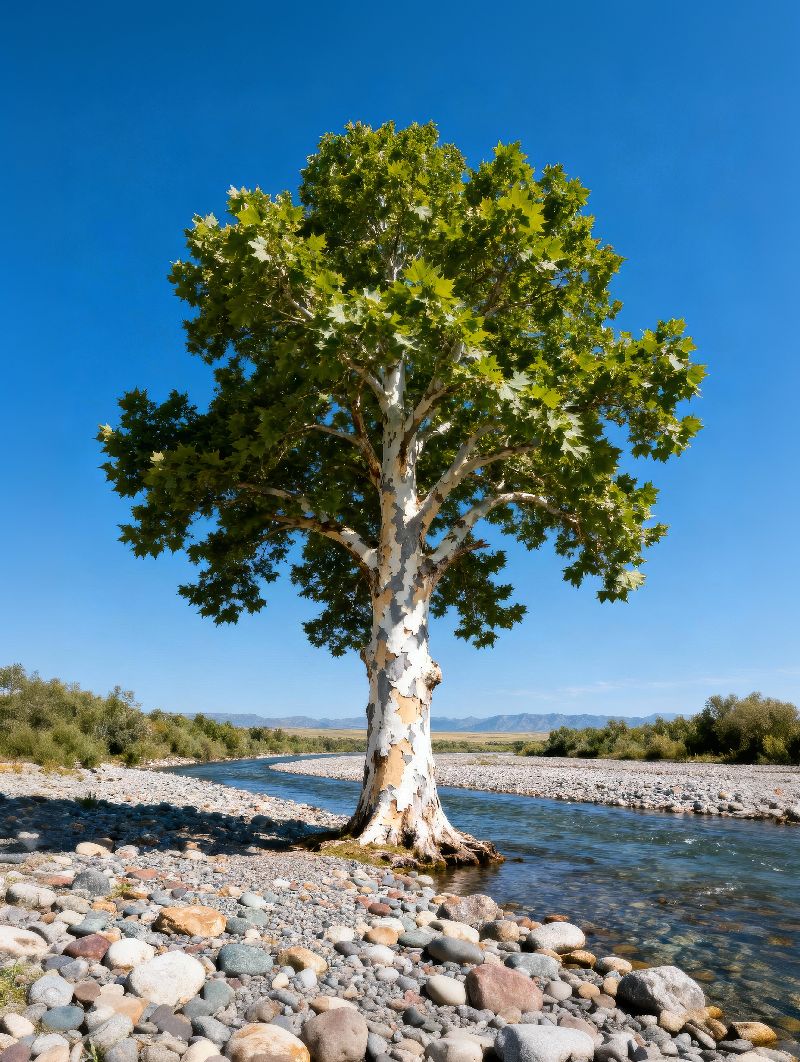
What is the Neem Tree?
The neem tree, scientifically known as Azadirachta indica, is an evergreen plant that belongs to the Meliaceae family. This tree, also called the nim tree, is renowned for its numerous uses and benefits, which have been exploited in traditional medicine, agriculture, and the cosmetics industry, among other fields. If you have wondered, “What is the neem tree used for?” in this article we will explore its fascinating powers, ranging from treating skin conditions to protecting agricultural crops without resorting to harmful chemicals.

Origin and distribution of the Neem Tree
The origin of the neem tree traces back to the Indian subcontinent, where it has been cultivated and utilized for over two thousand years. Its ability to adapt to adverse conditions has allowed it to spread to other parts of the world, especially in regions with similar climates. Today, the neem tree in Mexico and other Latin American countries represents a prominent example of how this plant has found a new home, perfectly adapting to local ecosystems and contributing to biodiversity and the sustainable management of natural resources.
Unique Characteristics of the Neem Tree
Neem Leaves: A Source of Health
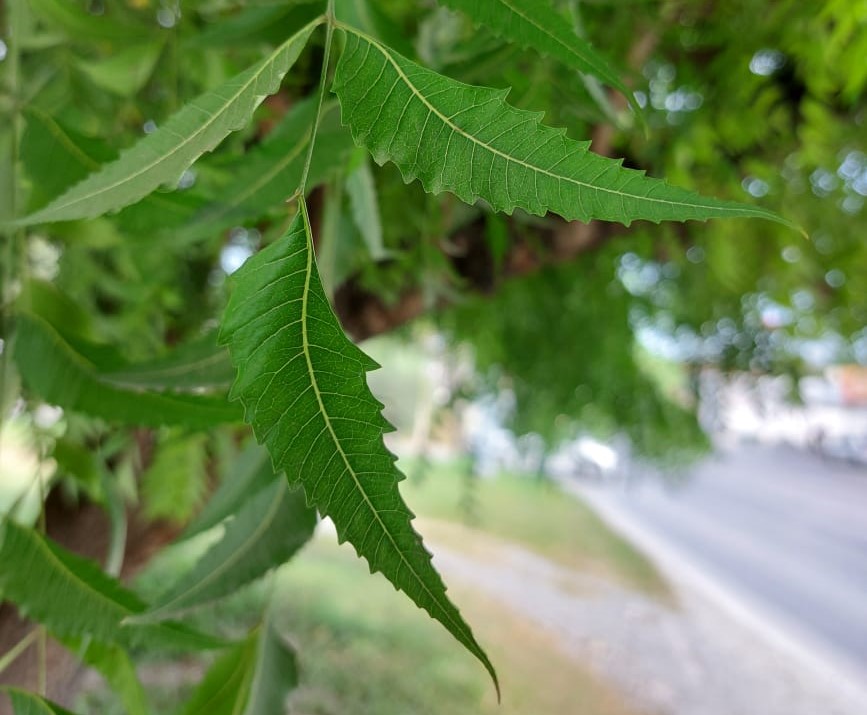
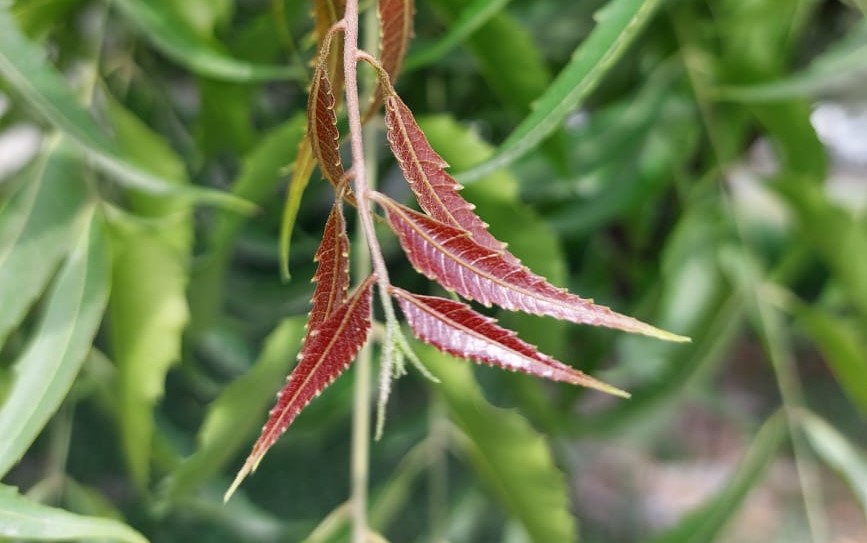
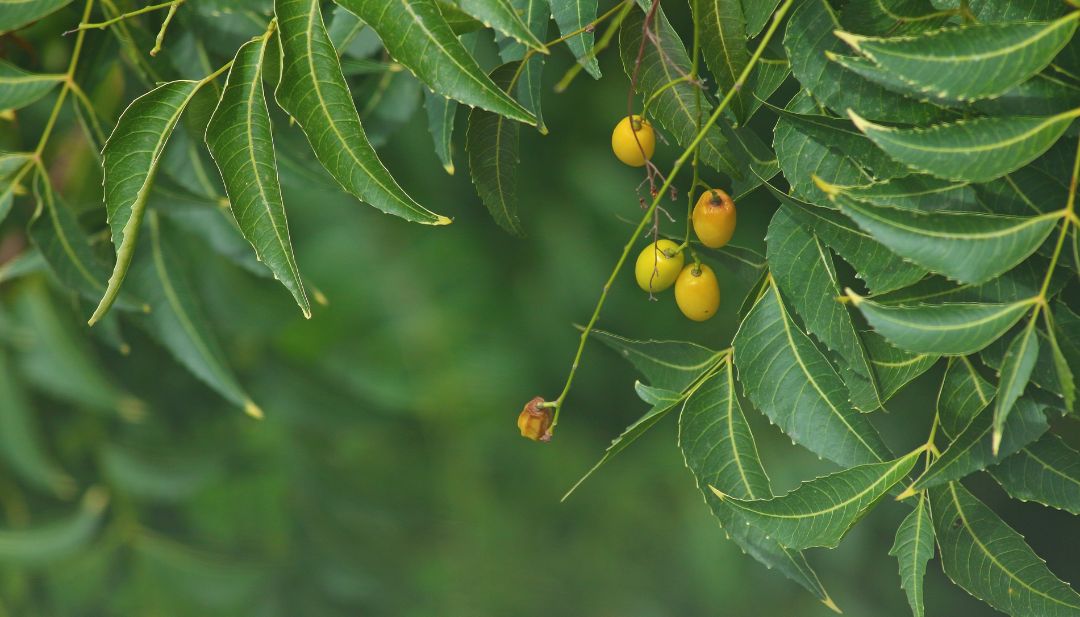
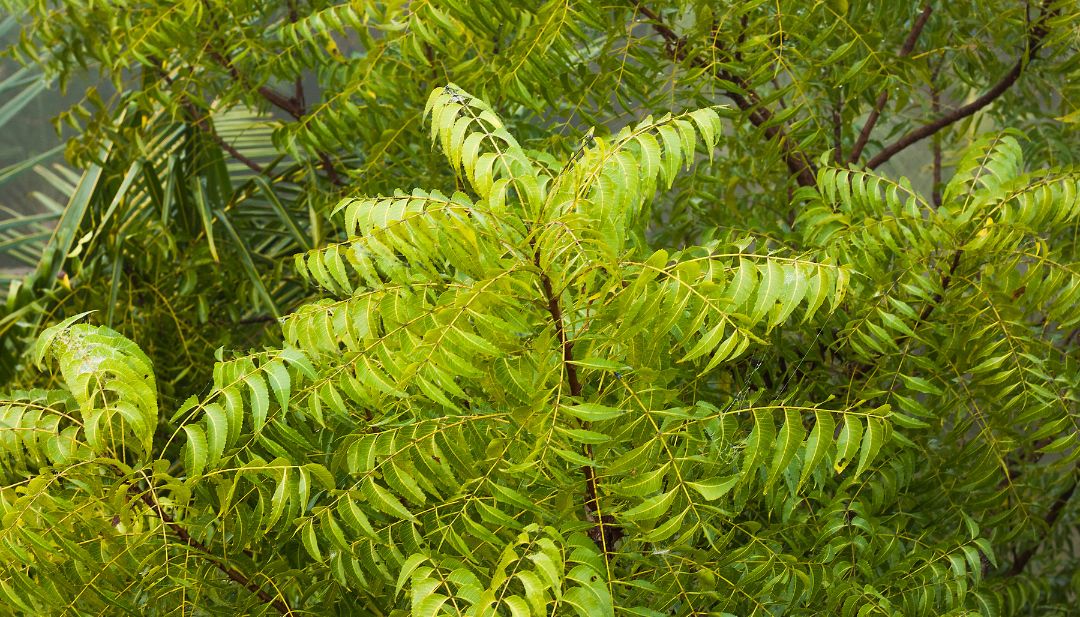
The leaves of the neem tree are renowned for their impressive medicinal properties. Rich in bioactive compounds, these leaves have been traditionally used to treat a wide range of ailments, from digestive issues to skin diseases such as acne or psoriasis. Additionally, neem leaves possess antibacterial, antiviral, and antifungal properties, making them exceptional in the creation of personal hygiene products and natural remedies. Their use is not limited to traditional medicine; modern science has also begun to validate many of their applications.
The Neem Trunk: Resilience and Strength
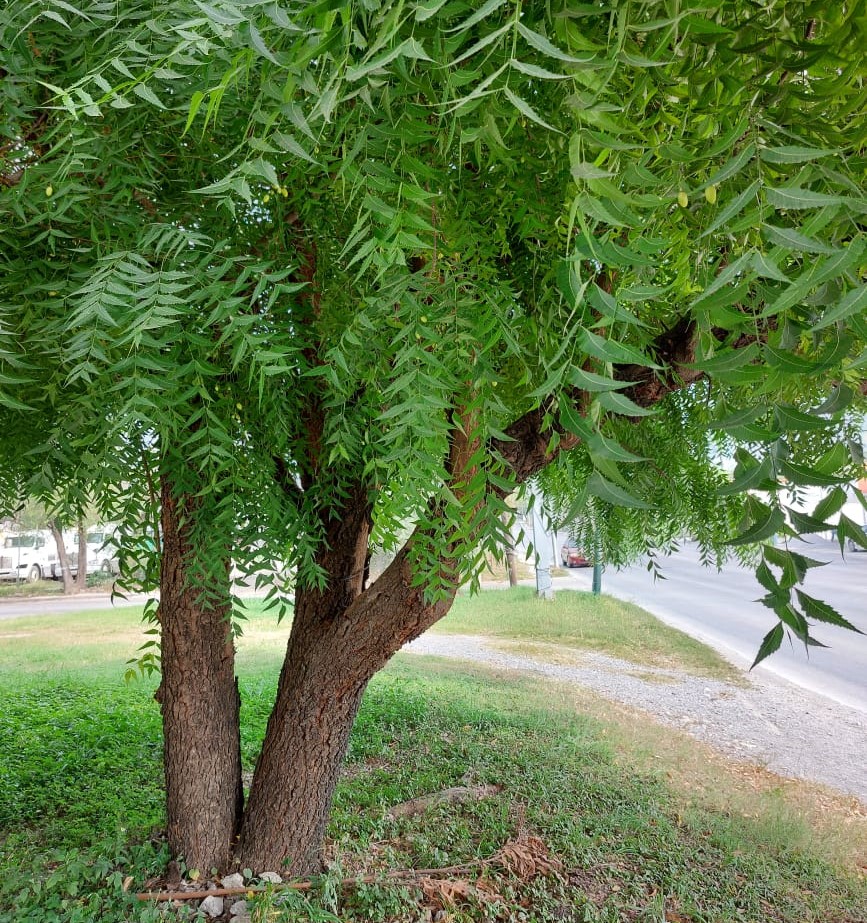
The trunk of the neem tree is another of its notable components due to its robustness and durability. This trunk can reach a considerable diameter, supporting the dense branching characteristic of this tree. Neem wood is highly valued for its resistance to termites and decay, making it ideal for furniture manufacturing and rural construction. Additionally, its bark contains compounds with astringent and antiseptic properties, used in treating various skin conditions and as an ingredient in natural toothpastes.
The Roots of the Neem Tree: The Hidden Support
The roots of the neem tree play a crucial role in its ability to adapt and survive in challenging environments. These deep roots allow it to access groundwater during drought periods, keeping the tree nourished and healthy. Moreover, they contribute to soil stability and help prevent erosion, thereby improving the quality of the environment where they grow.
The Flowers of the Neem Tree: Beauty and Function
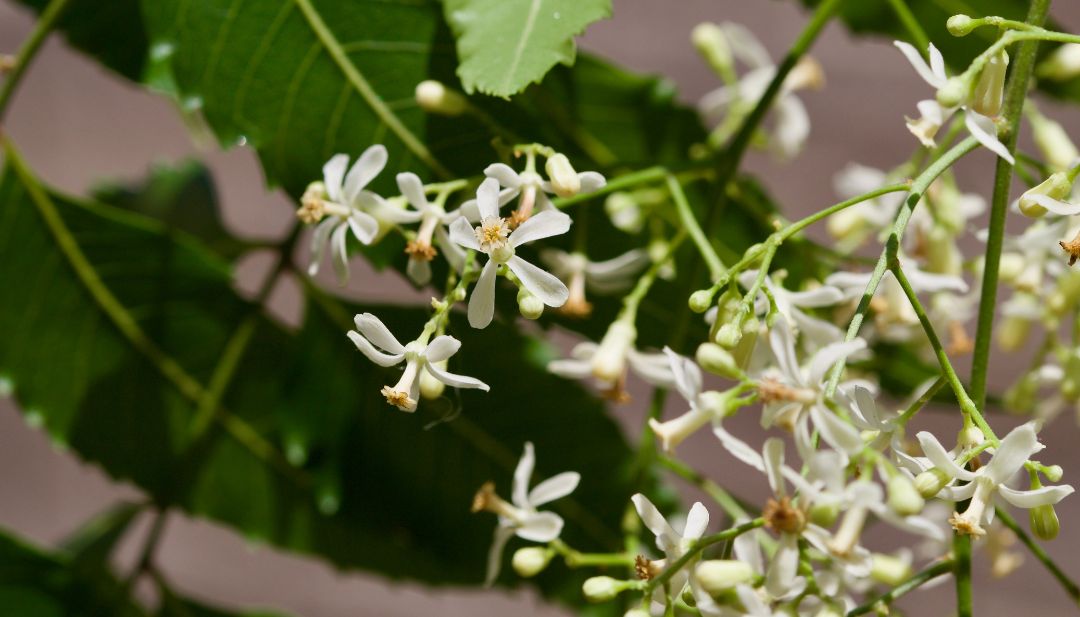
The neem flowers, small and delicate, mark the beginning of a life cycle full of benefits. Creamy white in color, these fragrant flowers attract a wide variety of pollinating insects, thereby contributing to the biodiversity of the environment. Beyond their beauty, neem flower infusions are believed to have calming and relaxing properties, although further research is needed to confirm these effects.
The Fruit of the Neem Tree: A Natural Treasure
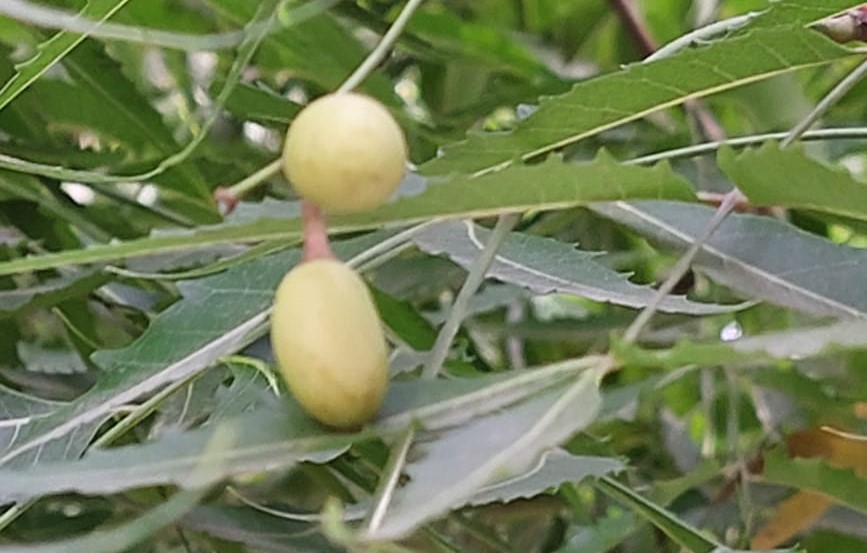
The fruit of the neem tree, a green drupe that darkens as it ripens, holds a true natural treasure. Inside its pulp is the seed, rich in bioactive compounds such as azadirachtin, responsible for its insecticidal and medicinal properties. The oil extracted from these seeds is widely used in the production of organic pesticides, natural cosmetics, and pharmaceutical products. Additionally, in some cultures, certain parts of the fruit are used in food, providing essential nutrients to the diet.
Benefits and Properties of the Neem Tree
Neem for Health: Medicinal Uses
The neem tree is a true treasure of nature with numerous health benefits. Some of its most notable medicinal uses include:
- Antibacterial and antiviral: The leaves, seeds, and bark of the neem tree have properties that help combat bacterial and viral infections, making it effective against a variety of pathogens.
- Treatment of skin diseases: The topical application of products derived from neem can relieve conditions such as acne, psoriasis, and eczema, thanks to its anti-inflammatory and healing properties.
- Oral care: Due to its antibacterial activity, neem is an excellent ingredient for natural toothpastes and mouthwashes, helping to prevent cavities and bad breath.
- Diabetes control: Some research suggests that neem may help regulate blood sugar levels, although more studies are needed to confirm these effects.
- Detoxification: Neem promotes body cleansing by helping to eliminate toxins, thereby improving liver and kidney health.
The Neem Tree in Agriculture: A Natural Ally
In the agricultural field, the neem tree has proven to be an indispensable ally due to its multiple sustainable and ecological applications:
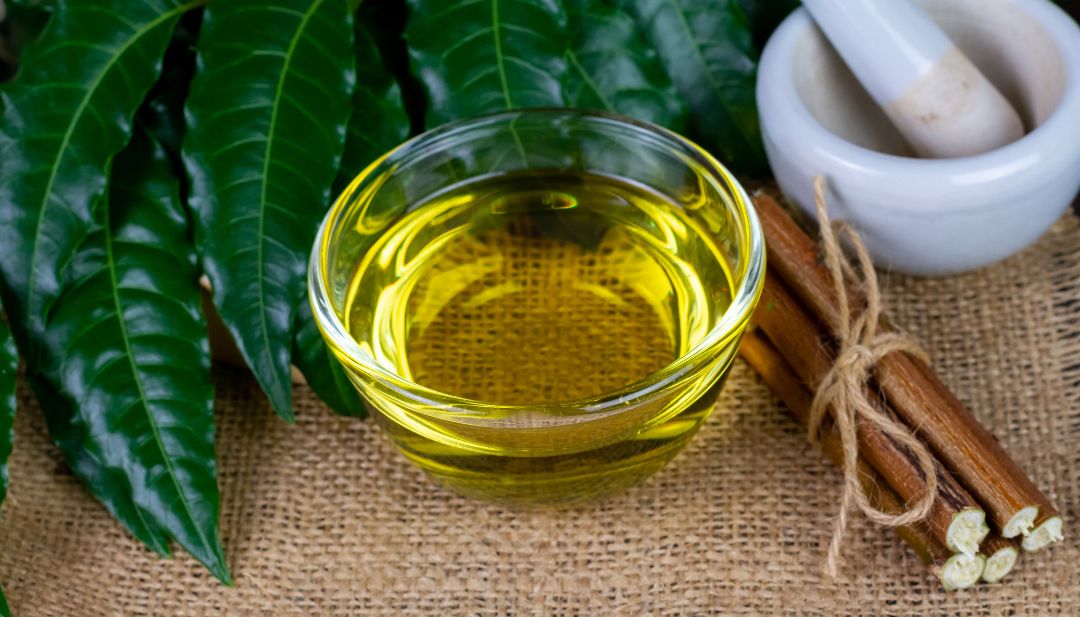
- Natural pesticide: The oil extracted from neem seeds acts as a powerful organic pesticide, repelling a wide range of pests without harming beneficial insects or the environment.
- Fertilizer: Neem residues are used as fertilizer, providing essential nutrients to the soil and improving its quality without the negative effects of synthetic chemical products.
- Plant disease control: In addition to combating pests, neem helps prevent fungal diseases in crops, thanks to its fungicidal properties.
- Yield improvement: The use of neem-based products in agriculture has been shown to sustainably increase crop yields, contributing to food security.
These uses highlight the versatility of the neem tree in both medicine and agriculture, making it one of the most valuable plants for sustainable development and human well-being.
Neem in the Ecosystem
Contribution of the Neem Tree to Biodiversity
The neem tree plays a vital role in enhancing biodiversity and strengthening the ecosystems where it is introduced. Through its multiple uses and benefits, it contributes in the following ways:
- Habitat for wildlife: By providing shelter and food to various species of birds and insects, the neem tree supports biological diversity and helps maintain ecological balance.
- Soil Improvement: The leaves and branches that fall from the neem tree decompose and enrich the soil with essential nutrients, enhancing its fertility and structure.
- Natural pest control: By acting as a natural pesticide, neem reduces the need for synthetic chemicals, thereby minimizing soil and water source contamination.
Neem and Environmental Sustainability
The neem tree is a pillar for environmental sustainability, thanks to its adaptability and the multiple ecological benefits it offers. These include:
- Resistance to adverse conditions: Able to thrive in areas with drought and poor soils, neem helps prevent desertification and restore degraded lands.
- Carbon footprint reduction: By absorbing carbon dioxide during its growth, it contributes to mitigating climate change.
- Promotion of sustainable agricultural practices: Its use in organic farming not only improves soil and plant health but also promotes a healthier environment for farmers and local communities.
How to Grow and Care for a Neem Tree
Ideal Conditions for Neem Growth
To successfully grow a neem tree, it is important to provide the appropriate conditions, which include:
- Climate: It prefers warm climates, with temperatures that rarely drop below 39°F (4°C).
- Sunlight: It needs to be exposed to full sun for optimal development.
- Soil: It adapts to a wide variety of soils but prefers those that are well-drained with a slightly acidic to neutral pH.
- Watering: Young plants need regular watering, but once established, they are extremely drought tolerant.
Practical Guide for Neem Tree Care
Proper care of the neem tree will ensure its health and vitality. Follow these practical tips:
- Watering: During its first years, the neem requires consistent watering, but once mature, it becomes very drought-tolerant.
- Pruning: Regularly prune to remove damaged or diseased branches and to shape the tree.
- Pest control: Although neem is resistant to many pests, it may occasionally be necessary to treat specific infestations organically.
- Fertilization: Apply compost or organic fertilizer annually to enrich the soil and promote healthy growth.
With these cultivation and care practices, your neem tree will grow strong and provide you with all the benefits that this wonderful plant has to offer.
The Neem Tree in Mexico: A Case Study
History and Adaptation of Neem in Mexico
The neem tree was introduced to Mexico several decades ago as part of efforts to combat desertification and promote sustainable agricultural practices. Its adaptability to dry climates and poor soils quickly made it an ideal candidate for these tasks. Over time, the neem has not only thrived in the Mexican environment but has also been embraced by local communities, who have learned to harness its numerous beneficial properties. This successful integration is a testament to the tree’s resilience and versatility, and its ability to enrich and sustain local ecosystems.
Impact and Applications of Neem in Mexican Ecology
In Mexico, the impact of the neem tree extends beyond its contribution to biodiversity and the fight against desertification. It has become a valuable resource in agriculture, where it is used to produce organic pesticides and fertilizers, helping reduce reliance on harmful chemicals. Additionally, neem has found a place in traditional Mexican medicine, offering natural treatments for various ailments. Its presence in Mexico demonstrates how sustainable management practices and conscious use of natural resources can lead to a harmonious coexistence between humanity and nature.
Conclusion: The Neem Tree, a Green Legacy for the Future
The neem tree represents much more than an ecological solution to environmental challenges; it is a symbol of environmental awareness and sustainability. Through its numerous medicinal, agricultural, and environmental applications, the neem demonstrates how nature-based solutions can provide sustainable and effective alternatives to global problems. Its success in countries like Mexico highlights the importance of adopting eco-friendly practices and fostering respect for the environment. By caring for and valuing trees like the neem, we are investing in a green legacy for future generations, ensuring a healthier and more resilient planet for all.