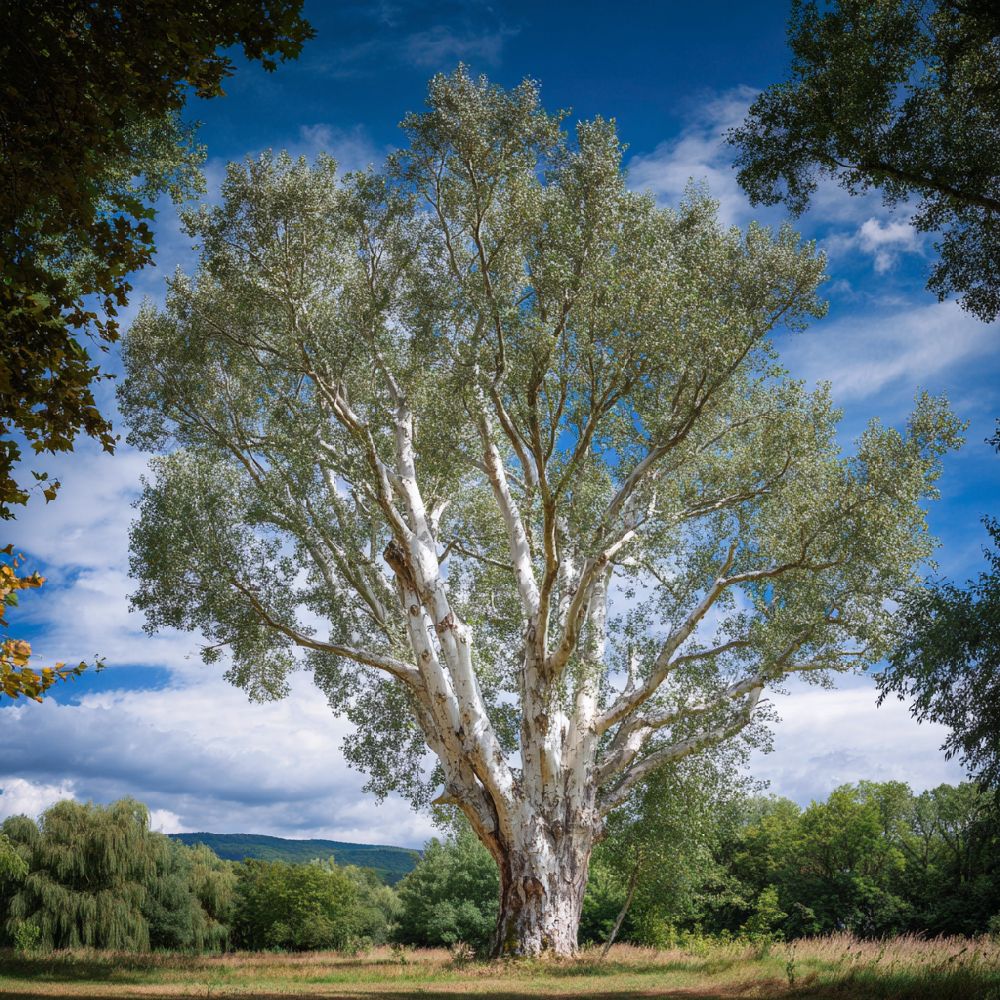
Origins and Geographic Distribution
The mulberry tree, scientifically known as Morus nigra, is a fruit species that has captivated humanity since ancient times. Native to the temperate regions of Asia, specifically western China, the Morus nigra has made its way across continents, establishing itself in Europe, Africa, and America. This millenary journey has made the mulberry tree a valuable resident of diverse ecosystems and gardens around the world.

The history of the mulberry tree is intertwined with that of civilizations that have valued not only its fruit but also the shade and beauty it brings to the landscape. Its ability to adapt to different climatic conditions and soils has made it popular in a wide range of places, from small family gardens to large plantations dedicated to fruit production and, in the case of the male mulberry tree, for silk worm breeding, given their preference for mulberry leaves as food.
In addition to its agricultural and aesthetic value, the mulberry tree plays an important role in environmental conservation. It acts as an excellent carbon sink, contributing to the fight against climate change, and provides vital habitat for various species of birds, insects, and wildlife, which are attracted by its fruits and the shelter it offers.
The geographical distribution of the black mulberry tree has been influenced by both human and natural factors, extending into regions with climates ranging from temperate to subtropical. This adaptability has made the Morus nigra a popular choice for those interested in adding a touch of flavor, color, and life to their gardens, transforming it into a true green treasure.
Distinctive Characteristics of the Mulberry Tree
Leaf
The leaves of the mulberry tree (Morus nigra) are one of its most distinctive features. They are large, deep green, and have a rough texture to the touch. Each leaf is generally cordate (heart-shaped) or lobed, which adds a unique visual dimension to the tree. Additionally, these leaves are deciduous, meaning the tree sheds its foliage during the fall, offering a seasonal visual display. This characteristic is not only vital to the tree’s life cycle but also provides organic material that enriches the soil as it decomposes.

Trunk
The trunk of the mulberry tree is robust and notable for its thick, rough bark, which has a grayish tone. This bark not only serves as protective armor against harsh weather and physical damage but also gives the tree an imposing presence in any garden. Over time, the trunk can reach a considerable diameter, indicating the tree’s longevity and strength. This sturdy support is essential for holding up the tree’s wide canopy, especially when it is laden with fruit.

Roots
The roots of the black mulberry tree and its female counterpart are deep and widespread, allowing them to anchor firmly into the soil and seek nutrients over a large area. This root system not only supports the tree’s vertical growth and stability but also plays a crucial role in water and mineral absorption. The robustness of the roots contributes to the tree’s resilience against adverse conditions, such as drought and strong winds. Additionally, this strong root system makes Morus nigra an excellent choice for soil erosion prevention, helping maintain landscape health and structure.
Flower
The flowering of the mulberry tree (Morus nigra) is a discreet yet essential event in its life cycle. The flowers, although small, are crucial for pollination and the subsequent production of fruit. In the case of the male mulberry tree, the flowers are grouped in elegantly hanging inflorescences, while on the female mulberry, the flowers are more compact and set the stage for the development of the mulberries. These flowers, typically white or pale green, not only attract a range of pollinators such as bees and butterflies but also subtly and gracefully adorn the tree, signaling the arrival of the fruit.

Fruit
The fruit of Morus nigra, the black mulberry, is perhaps its most celebrated feature. The mulberries ripen throughout the summer, transitioning from green to a deep red and finally to a shiny black when fully ripe. Each fruit is small, juicy, and made up of several smaller drupes, giving it a unique texture and a sweet flavor with tangy notes. Mulberries are not only a delight for the palate but also a source of antioxidants, vitamins, and minerals, making them a nutritious addition to any diet.
This versatile fruit can be enjoyed fresh, in preserves, desserts, or even in beverages, adding a touch of sweetness and color to the kitchen. The abundance of fruit the tree offers in season is a testament to its generosity, providing food not only for humans but also for wildlife, thereby enriching the biodiversity of the garden.

Male Mulberry Tree: Flowers Only, No Fruits
The male mulberry tree, known for its crucial role in silk production, is distinguished by having only flowers and no fruits. These flowers, although small and less showy than fruits, play a vital role in the ecosystem. They appear in spring, grouped in inflorescences that attract a variety of pollinators, thus contributing to garden biodiversity. They are creamy white and emit a subtle aroma that enriches the spring air. Although the male mulberry tree does not produce fruit, its importance is not diminished, as its leaves are the main food for silkworms, making this tree an essential component in the silk industry.
Mulberry Tree Fruits: Flavors and Colors
Nutritional Benefits of Mulberries
Mulberries, the fruits of the mulberry tree (Morus nigra), are not only delicious but also packed with nutritional benefits. Rich in vitamins C and K, fiber, and antioxidants, these dark berries support cardiovascular health, digestion, and combat oxidative stress. Their high antioxidant content, in particular, helps neutralize free radicals in the body, reducing the risk of chronic diseases and promoting skin health.

Culinary Uses of Mulberries
The versatility of blackberries makes them a valuable addition to any kitchen. They can be eaten fresh, straight from the bush, or used in a variety of sweet and savory dishes. Their unique flavor, which combines sweet notes with a slight tang, makes them perfect for jams, pies, and smoothies. Additionally, dried blackberries can be an energizing addition to trail mixes or breakfast cereals. For culinary adventurers, incorporating blackberries into meat sauces or as part of exotic salads can bring an unexpected and delicious twist to meals.

Medicinal Properties and Health Benefits
Traditions and Use in Folk Medicine
The mulberry tree (Morus nigra), besides being valued for its fruit, has been appreciated in traditional medicine for its various medicinal properties. Traditionally, different cultures have used the leaves, roots, and bark of the tree to treat a wide range of ailments. The leaves, for example, have been used in infusions to relieve sore throats and improve digestive health. The bark, rich in antioxidants and anti-inflammatory compounds, has been used to make decoctions aimed at treating hypertension and strengthening the immune system. These ancient traditions highlight the importance of the mulberry tree not only as a food source but also as a natural medicinal resource.
Recent Scientific Research
In recent years, science has begun to validate what many cultures have known for centuries about the black mulberry tree. Scientific research has started to explore its antioxidant, anti-inflammatory properties, and its potential to improve cardiovascular health and regulate blood sugar levels. A notable study found that black mulberry leaf extracts can aid in managing type 2 diabetes, thanks to their ability to reduce glucose absorption in the intestine. These promising advances suggest that Morus nigra could play an important role in the development of natural treatments for various health conditions.
Care and Cultivation of the Mulberry Tree
Soil and Climate Requirements
The successful cultivation of the mulberry tree depends on understanding its soil and climate preferences. Although it is a robust and adaptable plant, Morus nigra thrives in well-drained soils rich in organic matter. It prefers temperate climates with plenty of direct sunlight, though it can tolerate partial shade conditions. It is not particularly demanding regarding soil quality, but a slightly acidic to neutral pH is ideal for optimal growth. Regarding climate, although it can withstand low temperatures, late frosts can affect its flowering and fruit production.

Pruning and Maintenance
Pruning is a crucial aspect of maintaining the mulberry tree, performed not only to shape and control the size of the tree but also to promote greater fruit production. It is recommended to prune during the winter, when the tree is dormant, removing old, damaged, or diseased branches to stimulate new growth. Additionally, pruning helps improve air circulation and sunlight penetration into the center of the tree, which is beneficial for the overall health of the plant. Regular maintenance, including proper watering during dry periods and the application of organic fertilizer in the spring, will ensure a healthy and productive tree.
The Ecological Importance of the Mulberry Tree
Habitat and Biodiversity
The black mulberry tree (Morus nigra) plays a crucial role in promoting biodiversity and creating habitats. As a plant that attracts a wide range of pollinators, such as bees, butterflies, and birds, it significantly contributes to the pollination of surrounding plants—an essential process for the reproduction of many plant species. Additionally, the mulberries provide an important food source for various bird and small mammal species, helping to foster a balanced and dynamic ecosystem. By integrating a mulberry tree into the landscape, one is contributing to the creation of a rich and diverse microhabitat, essential for maintaining ecological health and conserving biodiversity.

Contributions to Sustainability and the Environment
The incorporation of the black mulberry tree in green spaces also offers significant benefits for sustainability and the environment. Thanks to its robust root system, it helps prevent soil erosion, while its foliage acts as a carbon sink, absorbing carbon dioxide and releasing oxygen, thus contributing to mitigating climate change. Additionally, Morus nigra provides shade, which can be crucial in reducing soil and air temperatures nearby, an increasingly important factor in urban areas where the heat island effect is a concern. These characteristics make the black mulberry tree an ally in promoting sustainable practices and the global effort for a greener future.

Conclusions: Why Integrate the Black Mulberry Tree into Your Green Space
Integrating a black mulberry tree into your green space is not just a decision that will beautify your surroundings, but also an act that reflects a strong environmental awareness. This tree not only provides shade, beauty, and delicious fruit, but also offers numerous environmental benefits, from promoting biodiversity to contributing to environmental sustainability. By choosing to plant a Morus nigra, you are making a conscious decision to support local wildlife, promote ecosystem health, and ultimately do your part in the fight against climate change.
For all these reasons, the mulberry tree deserves to be considered an essential component in any garden or green space that seeks not only beauty and utility, but also a commitment to the health of the planet. Its ability to adapt to diverse environments and its low maintenance requirements make it an ideal choice for both novice gardeners and those with more experience. In short, integrating the mulberry tree into your green space is a decision that benefits not only your immediate environment but the world as a whole.