

What is the Mesquite Tree?
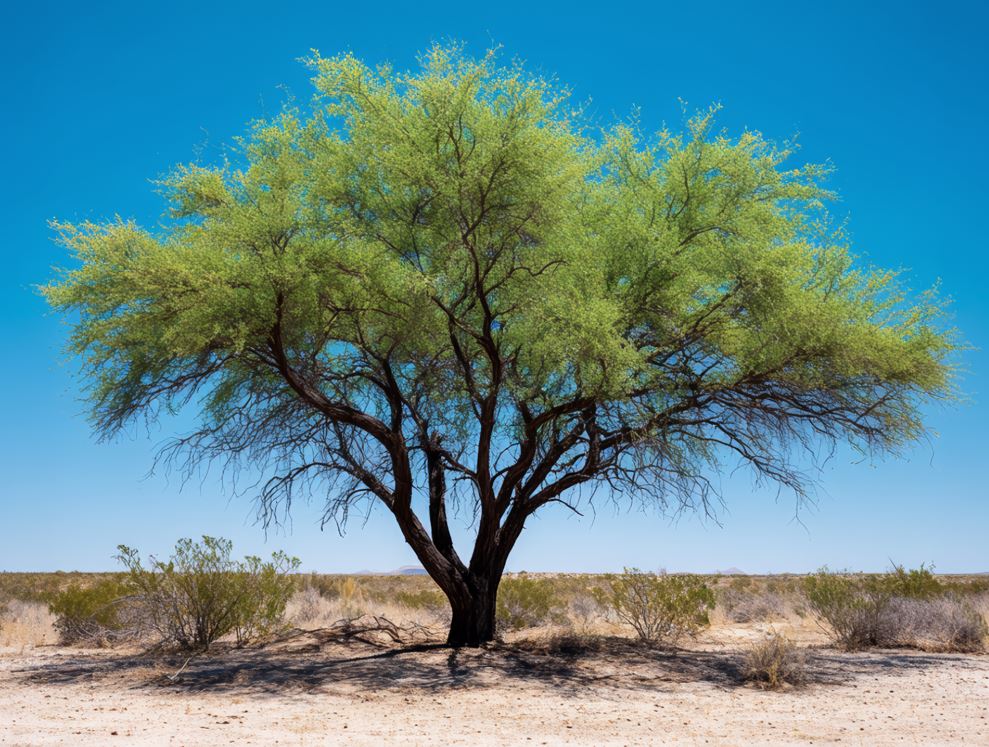
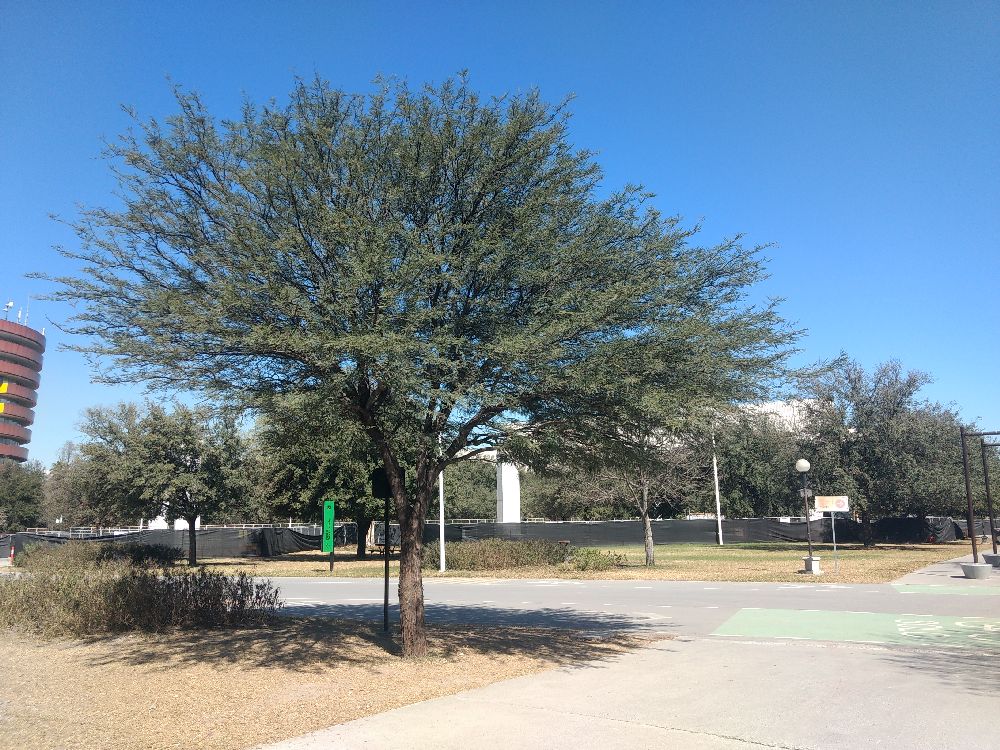
The mesquite tree, scientifically known as Prosopis, is a species native to the arid regions of the Americas, especially in the southwestern United States and Mexico. This robust and resilient tree is renowned for its ability to adapt to extreme environments where other plants barely survive. The mesquite can reach considerable heights, and its wood, dark in color and dense in texture, is highly valued in woodworking and construction.
Ecological Importance of the Mesquite
The ecological importance of the mesquite is vast and varied. This tree plays a crucial role in its habitat, helping to improve soil fertility through a process known as nitrogen fixation. Its deep roots allow access to underground water layers, which contributes to its survival and that of other species during dry seasons. Additionally, it provides food and shelter to a wide variety of animal species, from birds to mammals, making it an essential component in the food chain of its ecosystem.
Botanical Characteristics of the Mesquite
Description of Mesquite Leaves
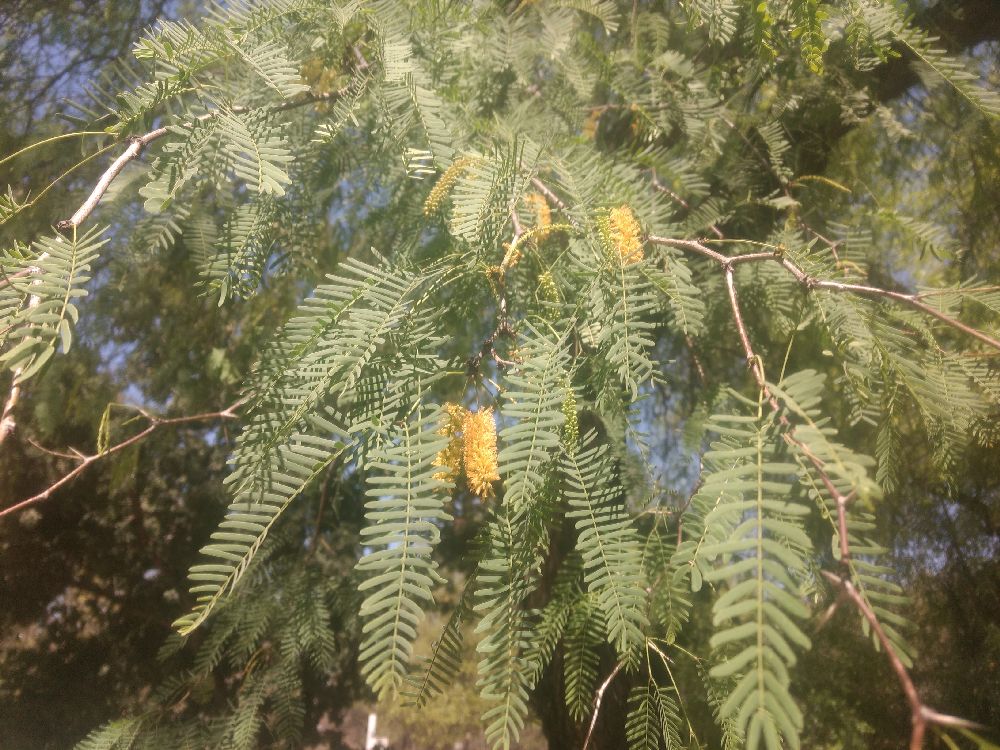
The leaves of the mesquite tree are small, oval-shaped, and arranged alternately along the branches. They are compound, meaning they are made up of multiple leaflets that create a lush and dense appearance. This characteristic not only makes them efficient at photosynthesis but also allows them to conserve water, a crucial resource in their natural dry habitats.
The Trunk: Strength and Beauty
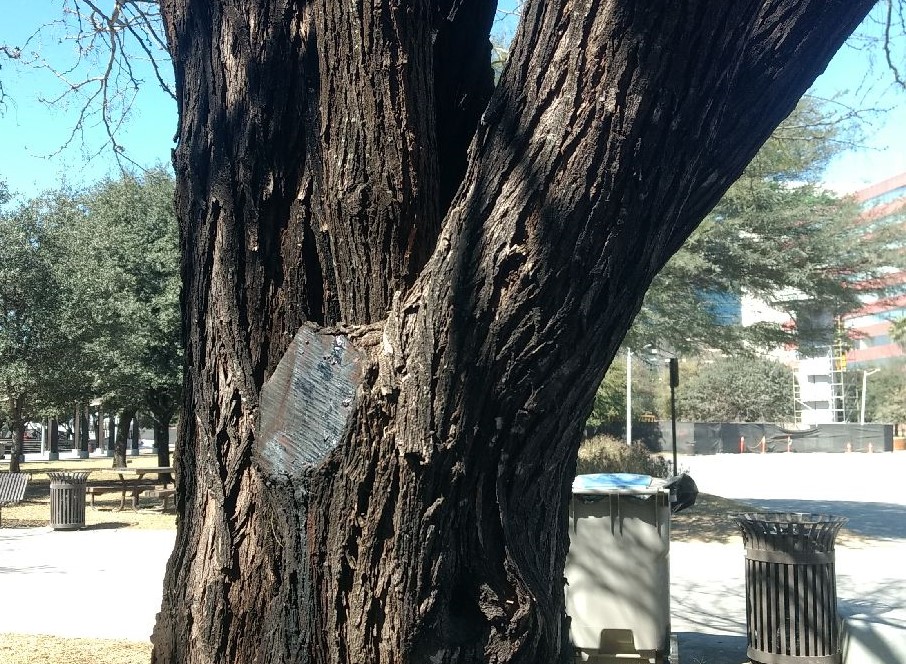
The trunk of the mesquite is characterized by its strength and aesthetic beauty. It is often twisted and has rough bark, a visual testament to the tree’s struggle against the elements of its environment. The wood is extremely hard and durable, making it popular for furniture making and as high-quality firewood due to its ability to burn slowly and emit a lot of heat.
The Roots of the Mesquite: A Vital System
The roots of the mesquite are deep and extensive, with some reaching more than 50 meters in length. This impressive root system not only stabilizes the tree, allowing it to withstand strong winds and unstable soils, but it is also capable of accessing underground water reserves, vital during extended drought periods.
Mesquite Reproduction
Mesquite Flowers: Flowering Period and Characteristics
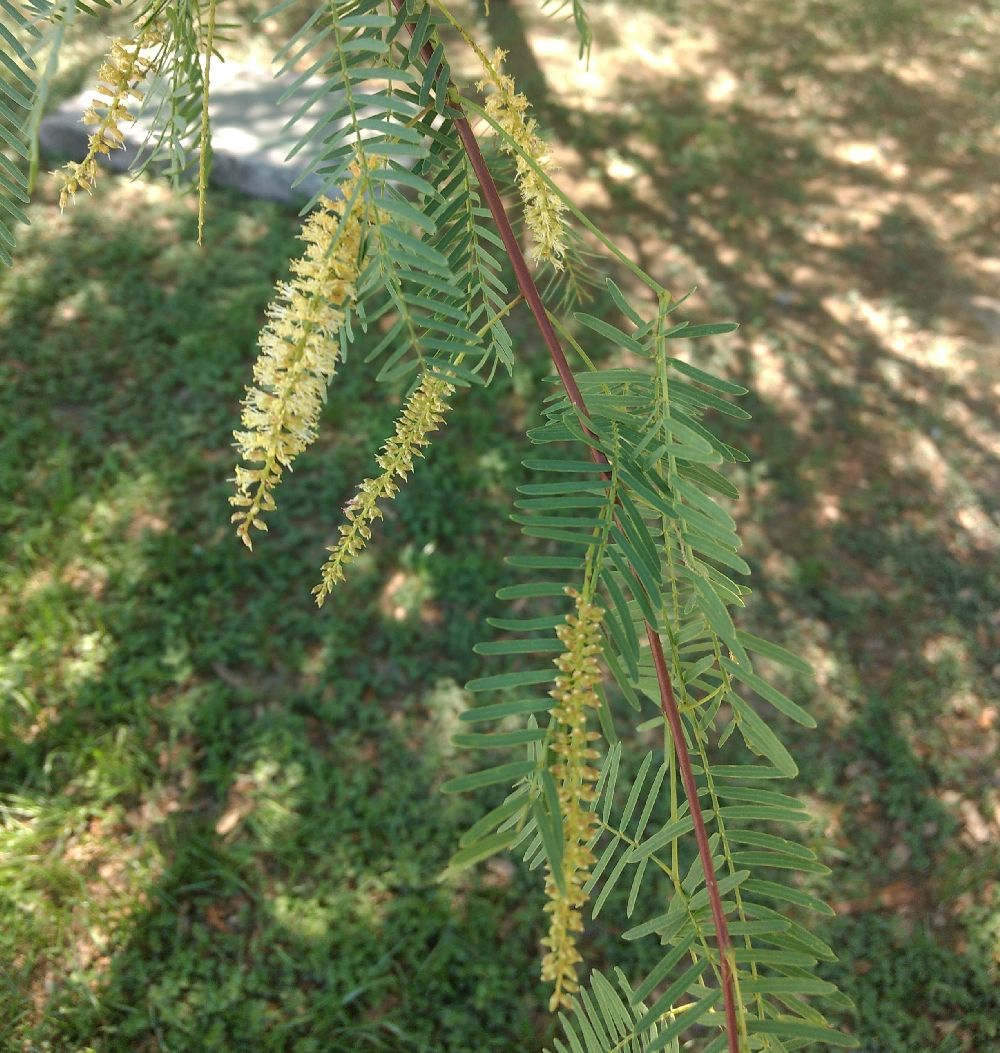
The mesquite flowers are small and light yellow, clustered in racemes that hang elegantly from the branches. Blooming generally occurs in spring and can last until summer, depending on climatic conditions. These flowers are not only important for the tree’s reproduction but also attract numerous pollinators, including bees and butterflies.
Mesquite Fruits: Types and Ripening Period
The fruit of the mesquite is a pod that varies in color from pale yellow to a reddish-brown when mature. These pods are sweet and nutritious, consumed by both local wildlife and humans, and are used in a variety of traditional dishes. Fruit ripening usually occurs in late summer or early fall, and they serve as an essential food source during this season.
Properties and Benefits of Mesquite
Traditional Uses of the Mesquite
Mesquite has been used by indigenous cultures for centuries, valued both for its structural and nutritional properties. Traditionally, mesquite wood has been used for building homes, tools, and for making fire. Additionally, mesquite pods have been an important food source, ground into flour or consumed directly as a natural sweet.
Medicinal Properties of Mesquite
The medicinal properties of mesquite are widely recognized in traditional medicine. It is believed to help regulate blood sugar due to its low glycemic index and richness in fiber. Additionally, mesquite has antibacterial and antifungal properties and has been used to treat digestive issues and as an aid in wound healing.
Mesquite in Nutrition: Nutritional Benefits
In food, mesquite is highly valued for its nutritional contribution. Mesquite flour is rich in protein, fiber, and minerals such as calcium and magnesium. Additionally, it is naturally sweet, making it an ideal sugar substitute in various dishes and beverages. This versatility and its benefits make it popular in healthy diets and innovative cooking, offering a nutritious and sustainable option.
Care and Cultivation of the Mesquite
Optimal Conditions for Mesquite Growth
Mesquite is an extremely resilient tree that prefers warm, dry climates. It requires full sun and tolerates drought well, thanks to its deep root system. Although it adapts to a variety of soils, it grows best in well-drained soils, even poor or rocky ones. Watering should be moderate; excess water can be harmful, especially in soils with poor drainage.

Common Problems and Solutions in Mesquite Cultivation
Despite its resilience, the mesquite can face issues such as pest infestations and diseases. The most common problems include root rot and attacks by insects like the bean weevil. To manage these threats, it is crucial to maintain good soil drainage and perform regular pruning to ensure proper ventilation and sunlight penetration. In cases of severe infestation, specific treatments with approved insecticides or fungicides may be necessary.
Mesquite Species
- Prosopis glandulosa – Commonly known as honey mesquite, it is native to the U.S. and Mexico, renowned for its dense canopies and ability to provide abundant shade.
- Prosopis juliflora – This species is known for its rapid growth and resilience to extreme conditions, common in arid areas of South America and Africa.
- Screwbean Mesquite – Known as screwbean mesquite, it is distinguished by its ability to tolerate extremely cold temperatures compared to other species.
- Prosopis pallida – A native species of South America, frequently used for reforestation and erosion control in coastal and desert areas.
Mesquite Conservation: Challenges and Strategies
Threats to the Survival of the Mesquite
The mesquite faces various threats that endanger its survival. Urbanization and changes in land use have led to the reduction of its natural habitat, while intensive agricultural practices can degrade soils and limit its ability to thrive. Furthermore, climate change could alter the conditions of its native ecosystems, impacting its growth and reproduction.
Conservation and Sustainability Strategies
To counteract these threats, various conservation and sustainability strategies are being implemented. These include reforestation with native mesquite species, the protection of natural areas where this species is dominant, and environmental education to promote agricultural and land use practices that respect its ecology. Likewise, ongoing research is essential to better understand mesquite’s adaptability to environmental changes and to develop more effective management techniques.
Conclusion
Summary of the Importance of the Mesquite
The mesquite tree is much more than a simple plant; it is a vital component of its ecosystem offering environmental, economic, and social benefits. From its role in nitrogen fixation to its use in traditional medicine and food, mesquite is an invaluable resource that deserves attention and protection.
Call to Action: How to Contribute to the Preservation of Mesquite
Contributing to the preservation of the mesquite is essential to maintaining ecological awareness and the biodiversity of our regions. You can start by supporting local reforestation initiatives, participating in environmental education programs, and practicing responsible use of natural resources. Every action counts to ensure that future generations can also enjoy the benefits of this extraordinary tree.
Frequently Asked Questions about Mesquite
Where does the word “mesquite” come from?
The word “mesquite” comes from the Nahuatl “mizquitl,” which was the term used by the Aztecs to refer to this tree. Mesquite has been an integral part of the indigenous cultures of Mexico and the southwestern United States, both in terms of practical use and in traditional food and medicine.
How long can a mesquite tree live?
Mesquite trees are extremely long-lived; some individuals can survive for more than 200 years. Their longevity is partly due to their resilient root system and their adaptability to extreme climatic conditions.
Does the mesquite need a lot of water to grow?
No, the mesquite is known for its ability to thrive in drought conditions. Its deep roots allow it to access underground water sources, reducing the need for frequent watering. However, during the first few years of growth, it is beneficial to provide moderate watering to establish a strong root system.
Is the mesquite an invasive species?
In some regions, mesquite can behave as an invasive species, especially outside its native range where climatic and soil conditions are ideal for its rapid expansion. It is important to manage its growth and spread to prevent displacing native species and affecting local ecosystems.
What products are derived from the mesquite?
Mesquite is an important source of various products. The wood is valued for its durability and beauty for making furniture and as high-quality firewood. The pods are used to make mesquite flour, which is nutritious and versatile in cooking. Additionally, extracts from the plant are used in traditional medicine to treat various ailments.
How can I contribute to the conservation of mesquite?
Participating in reforestation and conservation projects, educating yourself and others about the benefits of mesquite, and adopting gardening and farming practices that promote its health and sustainability are effective ways to contribute to the conservation of this valuable tree.


