What is the Magnolia Tree?
The magnolia tree, with its majestic presence and fragrant flowers, has become a symbol of grace and beauty in gardens and landscapes around the world. These trees, belonging to a genus that has survived millions of years, hold stories of resilience and splendor. In this article, we will unravel the mysteries of the magnolia tree, exploring its origins, its role in the ecosystem, and its importance both ecologically and culturally.

Origins and Geographic Distribution
Magnolias are some of the oldest flowering plants in the world, with fossils dating back more than 95 million years. Native mainly to Asia and the Americas, these plants have diversified into approximately 210 species distributed across these regions. The magnolia tree adapts to a wide range of climates, from subtropical to temperate zones, which has facilitated its spread and cultivation in different parts of the globe.
Magnolia in the Ecosystem
The magnolia tree plays a crucial role in its ecosystem, not only as a source of beauty. Its large and showy flowers are important for pollination, attracting a variety of pollinators such as bees, butterflies, and some types of birds. Additionally, the tree provides shelter and food to various wildlife species, thereby contributing to biodiversity. The magnolia not only beautifies the surroundings but also strengthens the health of the ecosystem, demonstrating the interconnection between plants and animals in nature.

Distinctive Characteristics of the Magnolia Tree
Magnolia Leaf: A Symbol of Lasting Beauty
The leaves of the magnolia tree are as significant as its flowers. With their deep, glossy green, these evergreen leaves offer a visual spectacle year-round. Their elliptical shape and large size not only add a unique aesthetic value but also stand as an emblem of the species’ resilience and adaptability. The thick, leathery texture of the leaves allows them to survive in adverse conditions, making the magnolia tree a true symbol of enduring beauty.

The Magnolia Tree Trunk: Natural Strength
The trunk of the magnolia tree stands out for its robustness and its ability to support dense, heavy foliage. Its bark, often grayish in tone, is smooth and hardens over time, symbolizing the strength and resilience of nature. This trunk not only bears the weight of its beautiful flowers and leaves but also plays a vital role in the ecosystem, serving as a habitat for various species and contributing to the structure of the natural landscape.
The Magnolia Flowers
Description and Visual Appeal
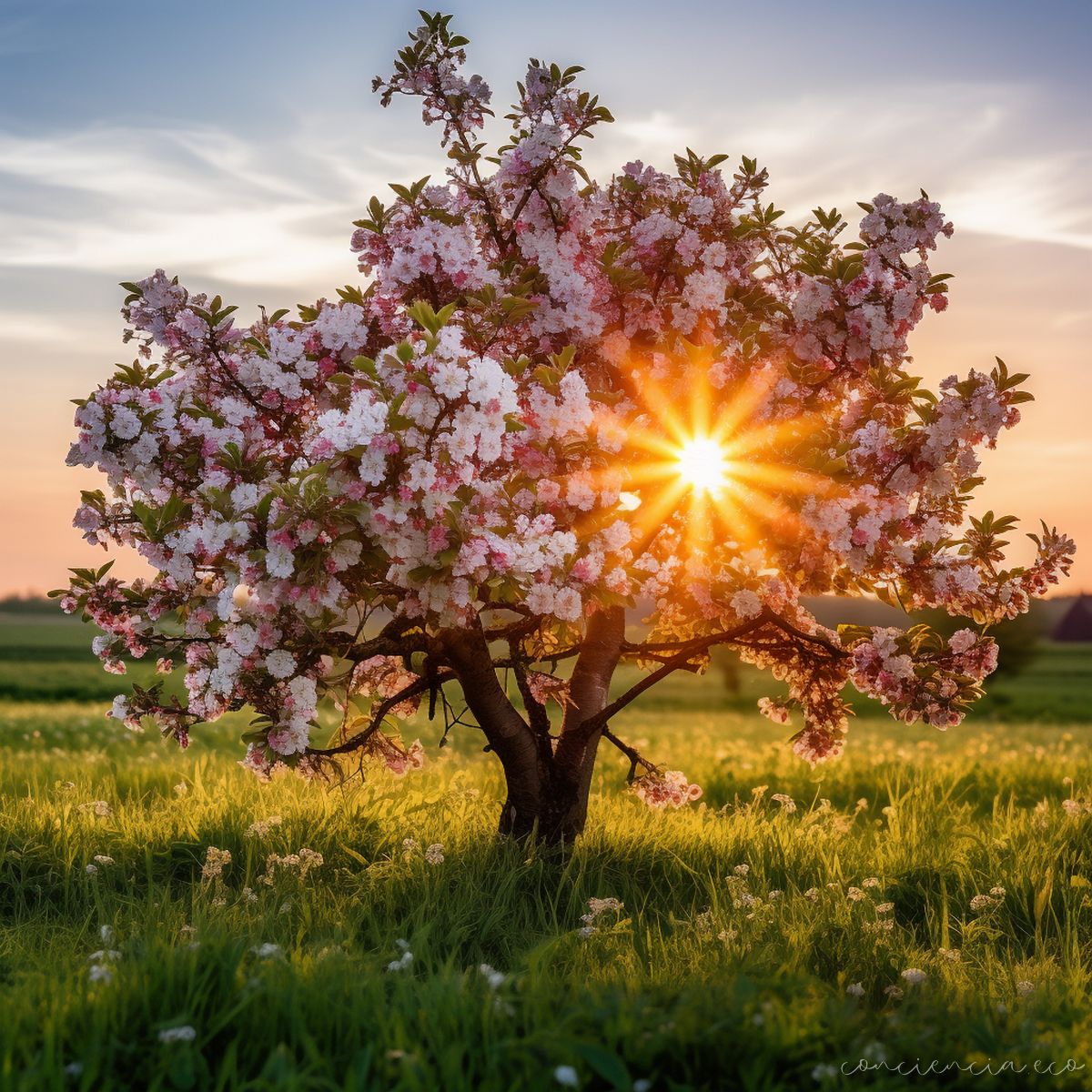
Magnolia flowers are undoubtedly the most distinctive and admired feature of these trees. With their large, soft petals ranging from pure white to soft pink and purple, these flowers are not only a delight to the eyes but also to the sense of smell, emitting a sweet and penetrating fragrance. Blooming mainly in spring and summer, they offer an unforgettable visual spectacle that attracts both human visitors and wildlife.

Pollination and Associated Wildlife
The pollination of magnolia flowers is a key ecological event that attracts a wide range of pollinators. Unlike many other plants, magnolias are primarily pollinated by beetles due to their evolutionary antiquity. This process not only ensures the reproduction of these magnificent plants but also promotes biodiversity by providing food for the pollinators. The symbiotic relationship between the magnolia tree and its environment underscores the importance of conserving these species and their habitat to maintain the health of our ecosystems.
Fruits of the Magnolia Tree: A Source of Life
Types and Characteristics
After the splendor of its flowering, the magnolia tree gives us another gift: its fruits. These vary significantly in shape and size depending on the species, but they commonly appear as clusters of follicles in vibrant colors ranging from red to pink and orange. As they mature, these fruits open to reveal shiny seeds, often red or orange, suspended by thin threads, a visual spectacle as captivating as their flowers. These fruits are not only beautiful to behold but also essential for the reproduction of the species.

Importance for Wildlife
The fruits of the magnolia tree play a crucial role in the ecosystem, serving as a source of food for a variety of birds and small mammals. By consuming these fruits, wildlife not only nourishes itself but also helps disperse magnolia seeds, ensuring the proliferation of these trees. This life cycle underscores the interdependence between the magnolia tree and wildlife, highlighting the importance of conserving these trees to maintain biodiversity and ecological health.
The Root System of the Magnolia
Structure and Functions
The root system of the magnolia tree is as impressive as the tree itself. Characterized by being shallow and widespread, this system allows the tree to anchor firmly to the soil and efficiently access water and nutrients from the upper layers of the soil. This root structure also facilitates vegetative propagation in some magnolia species, contributing to their adaptability and survival in diverse environments.
Impact on Soil Health
In addition to supporting the tree, the root system of the magnolia has a positive impact on soil health. The roots help prevent soil erosion by maintaining its structure and allowing better water infiltration. Likewise, the decomposition of leaves and other organic materials from the tree enriches the soil with essential nutrients, improving its fertility. This process not only benefits the magnolia tree but also the surrounding plants, demonstrating once again the ecological importance of these trees in their natural environment.
Properties and Benefits of the Magnolia Tree
Traditional and Modern Medicinal Uses
The magnolia tree is not only appreciated for its beauty but also for its medicinal properties. Historically, various cultures have used parts of the tree, especially the bark and flowers, to treat a variety of health conditions. Traditional Chinese medicine, for example, values magnolia bark for its anti-inflammatory and antibacterial properties, using it to treat stress, anxiety, and sleep disorders. Modern research has explored the potential of compounds extracted from the tree to combat cancer and improve oral health, among other potential benefits.
Ecological and Home Benefits
Beyond its medicinal uses, the magnolia tree offers numerous ecological and home benefits. Ecologically, it contributes significantly to improving air quality and reducing carbon footprint, thanks to its ability to sequester carbon. For homes, planting a magnolia tree not only beautifies the surroundings but can also improve energy efficiency, providing natural shade that reduces the need for air conditioning during warmer months.

Conservation of the Magnolia Tree
Current Challenges
Despite its resilience and versatility, the magnolia tree faces several challenges that threaten its conservation. Habitat loss due to urban expansion and deforestation is a significant concern, along with the impacts of climate change, such as extreme weather patterns and emerging diseases. These challenges put at risk not only magnolias but also the ecosystems that depend on them.
Conservation and Sustainability Strategies
To ensure the survival and prosperity of the magnolia tree, it is crucial to implement conservation and sustainability strategies. This includes the protection of natural habitats, reforestation with native species, and ongoing research to better understand its ecological needs. Furthermore, it is essential to promote awareness and education about the importance of these trees, engaging local communities and governments in their protection. Through these combined efforts, we can ensure that magnolias continue to flourish for the enjoyment and benefit of future generations.
How to Plant and Care for a Magnolia Tree
Planting Guide
Planting a magnolia tree is an investment in beauty and serenity for years to come. To start, choose a location that receives full sun or partial shade and ensure the soil is well-drained. Magnolia prefers slightly acidic to neutral soils. When planting, dig a hole twice the size of the root container, placing the tree at the same level it was in the pot. Fill the hole with soil and water generously. It is crucial to keep the soil moist, but not saturated, during the first few weeks while the tree establishes itself.
Care and Maintenance
Proper care is essential for the healthy growth of your magnolia tree. Water regularly, especially during the warmer and drier months, to keep the soil evenly moist. Apply mulch around the base of the tree to help retain moisture, regulate soil temperature, and reduce weed growth. Annual fertilization in the spring with a balanced fertilizer can promote vigorous growth and abundant flowering. Prune magnolias only when necessary to remove dead or damaged wood and to maintain the desired shape.
Conclusion: The Role of the Magnolia in Our Ecological Future
The magnolia tree is not only a spectacle of natural beauty but also a vital component of our ecological future. With its medicinal properties, benefits for wildlife and plants, and its ability to improve air and soil quality, magnolias play a crucial role in creating healthy and sustainable ecosystems. As we face global environmental challenges, the conservation and care of these species become even more important, driving ecological awareness. By planting and caring for magnolia trees, we contribute not only to biodiversity but also to the well-being of our communities and the legacy we leave for future generations. The magnolia, with its resilience and lasting beauty, symbolizes our hope and commitment to a greener and more blossoming future.