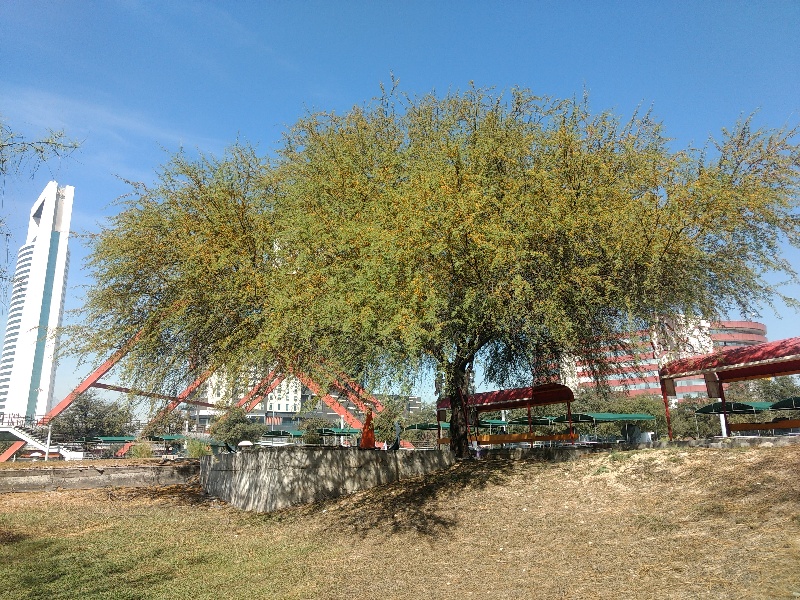
What is the Jupiter tree?
The Queen’s Crape Myrtle tree, scientifically known as Lagerstroemia indica, is a species renowned for its spectacular flowering and its adaptability to various climates and soils. This quality makes it a popular choice for decorating gardens and public spaces, offering a vibrant and colorful display that captures everyone’s attention.

Origins and Geographic Distribution
Originating from Asia, specifically China, Korea, and northern India, the Jupiter tree has made its way across continents, adapting wonderfully to different climate and soil conditions. Its introduction to Europe and America has been a success, demonstrating a great resilience and acclimatization ability, which has earned it a prominent place in ornamental gardening worldwide.

Why is it also known as the Crape Myrtle tree?
The name crepe myrtle tree comes from the texture and shape of its flowers, which have thin, wrinkled petals that resemble crepe fabric, a type of cloth with very distinctive folds. These flowers, which can be in various colors such as pink, purple, white, or red, appear clustered in showy panicles that adorn the tree from summer through fall, providing an unparalleled visual spectacle and transforming any green space into an oasis of beauty and color.

Why is this tree named after Jupiter?
The name Jupiter Tree evokes a sense of magnificence and grandeur, qualities associated with the Roman god Jupiter, known for his power and authority. Although the tree has no direct links to mythology or astrology, its common name is justified by the spectacular beauty of its flowers and its robust presence in the landscape. This floral majesty, which stands out among other tree species during its blooming, has inspired comparisons of its splendor to that of the chief of the Roman gods, thus giving it a name that resonates with strength and brilliance in the world of gardening and landscaping.
Unique Characteristics of the Jupiter Tree
Visual Identification: Leaves and Trunk
The Jupiter Tree is distinguished by its lance-shaped, deep green leaves that provide a spectacular contrast with its vibrant flowers during the blooming season. These leaves turn yellow or reddish in the fall before dropping, adding a picturesque touch to the landscape. Its trunk, on the other hand, reveals a peeling bark that ranges from gray to brown tones, unveiling, as it matures, a marbled appearance that adds an additional visual appeal to this tree.

The flowers of the Golden Shower Tree: Colors and particularities
The flowering of the Jupiter tree is undoubtedly its most distinctive feature. The blossoms appear in large clusters at the end of summer, displaying a range of colors including white, pink, purple, and red. These flowers are not only a visual delight but also attract pollinators like bees and butterflies, contributing to the garden’s biodiversity. Each flower features finely textured petals that give them a crepe-like appearance, which explains the common name of this tree.
Fruits of the Yellow Trumpet Tree: Characteristics and Uses
After flowering, the Yellow Trumpet Tree produces small capsule-shaped fruits that contain numerous tiny seeds. These fruits can serve as an additional decorative element during autumn and winter. Although not edible for humans, these fruits play a crucial role in seed dispersal, ensuring the proliferation of new trees in their natural environment.

The root system: Strong and deep
The root system of the Jupiter tree is both strong and deep, giving it excellent drought resistance once established. This characteristic makes the tree an ideal choice for gardens in regions with varied climates, as it can withstand both periods of water scarcity and well-drained soils. Additionally, its robust root system makes it resistant to strong winds, making it a reliable and durable element in any landscape.
Properties and Benefits of the Jupiter Tree
Environmental Benefits
The Yellow Trumpet Tree is not only appreciated for its aesthetic beauty but also for its multiple environmental benefits. This tree plays a crucial role in improving air quality, as it absorbs carbon dioxide and releases oxygen, thereby contributing to the fight against climate change. Additionally, by attracting pollinators such as bees and butterflies, it promotes biodiversity and helps maintain healthy ecosystems. Its deep roots help prevent soil erosion, especially in areas prone to this problem, making the Yellow Trumpet Tree an excellent choice for reforestation projects and the rehabilitation of degraded spaces.
Medicinal and Therapeutic Uses
Although the Queen’s Crape Myrtle tree is primarily known for its ornamental value, some cultures have utilized its medicinal properties. The use of its leaves, flowers, and bark in traditional medicine has been reported to treat a variety of ailments, including inflammation, sore throat, and fever. Scientific research on these properties is in its early stages, but preliminary studies suggest that the Lagerstroemia
Applications in landscaping and gardening
The Jupiter Tree or Crepe Myrtle is highly valued in landscaping and gardening not only for its stunning blooms but also for its versatility and easy maintenance. It is ideal for use as a centerpiece in gardens, aligned along avenues, or as part of mixed tree groups, where its vivid and varied colors can beautifully contrast with the green of other plants. Its drought resistance once established makes it an excellent option for low-maintenance gardens or xeriscaping designs. Additionally, its medium size makes it suitable for small gardens or as a shade tree in patios and terraces, offering beauty and environmental comfort.

Care and Maintenance of the Jupiter Tree
Ideal growth conditions
For the Yellow Trumpet Tree to thrive, it is essential to provide the right conditions. It prefers locations with full sun, as this promotes abundant and healthy blooming. Although it is tolerant of a wide range of soil types, it grows best in well-drained soils rich in organic matter. Watering should be regular, especially during the first years of growth and in dry periods, to ensure a strong establishment. However, once established, the tree demonstrates remarkable drought resistance.
Protection against pests and diseases
Although the Jupiter tree is relatively resistant to pests and diseases, it can be susceptible to aphid attacks and the fungus known as powdery mildew, especially in conditions of high humidity or overwatering. To prevent these problems, it is crucial to ensure good air circulation around the tree and avoid overwatering. In case of infestation, organic or specific chemical treatments can be used, always following the recommendations of a specialist to avoid harming the plant or the environment.
Pruning Techniques and Seasonal Care
Pruning is an important aspect of caring for the Yellow Trumpet Tree, done not only to maintain its shape but also to promote vigorous flowering. Pruning should be carried out in late winter or early spring, before new growth begins. It is advisable to remove dry or diseased branches, as well as those growing toward the inside of the tree, to improve air circulation and light penetration. Additionally, the tips of branches can be lightly pruned to stimulate the growth of new flowers. During autumn, it is advisable to clean the area around the tree, removing fallen leaves and other plant debris, to prevent diseases and pests.

The Yellow Trumpet Tree in Popular Culture and Ecological Awareness
The Yellow Trumpet Tree in Urban Gardening and Ecological Projects
The Jupiter Tree, thanks to its resilience and beauty, has gained popularity in urban gardening and ecological projects that aim to beautify while contributing to the sustainability of cities. This tree fits perfectly in parks, public gardens, and urban green spaces, where it helps create areas for rest and recreation for the community. Additionally, its ability to improve air quality and support biodiversity makes it a valuable ally in creating urban green corridors and combating the urban heat island effect.
Curiosities and Interesting Facts
A fascinating curiosity about the Jupiter tree is that, beyond its undeniable aesthetic appeal, it has been the subject of scientific studies for its medicinal properties, which adds an additional value to its conservation. Another interesting fact is that, despite its name, the tree has no direct connection with the planet Jupiter. Its common name is more due to the majesty and beauty of its flowers than to any real astronomical connection.

Conclusions: The Importance of Preserving the Silk Floss Tree (Crespón)
The conservation of the Yellow Trumpet Tree is vital not only for its ornamental value in gardens and urban spaces but also for its role in promoting biodiversity and the environmental benefits it offers. Encouraging the planting and care of this tree contributes to the fight against climate change, improves air quality, and fosters ecological awareness in society. Furthermore, its inclusion in urban gardening and ecological landscaping projects can be a powerful tool to reconnect urban communities with nature and promote a healthier, more sustainable environment. The beauty of the Yellow Trumpet Tree, combined with its environmental benefits and therapeutic potential, makes it a natural treasure that deserves to be preserved for future generations.