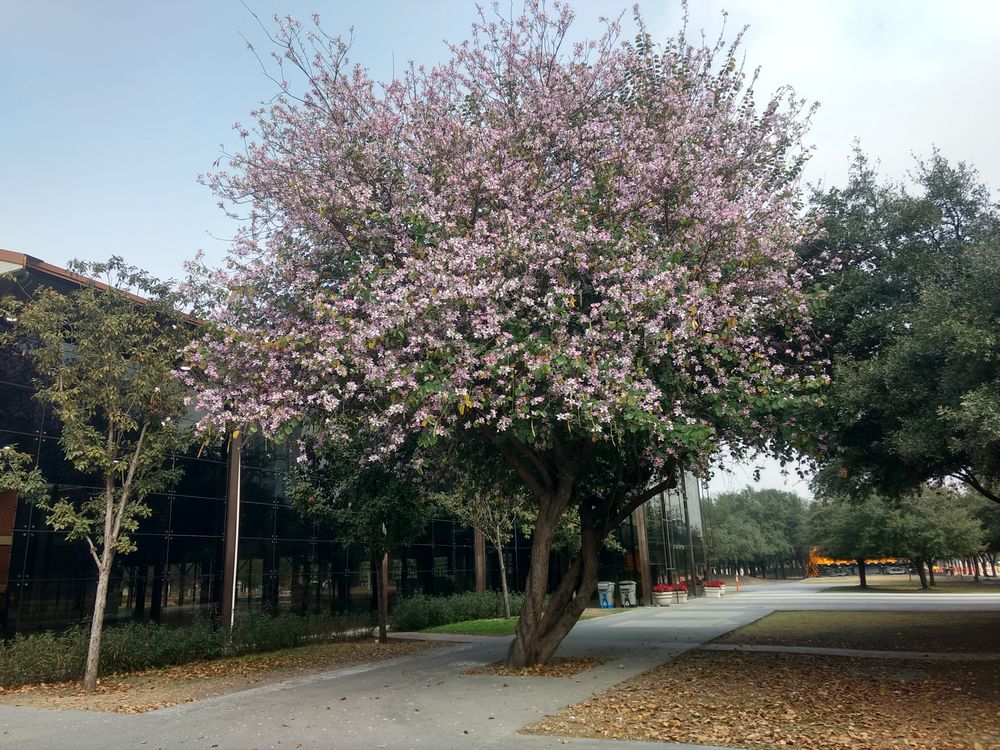
The Jacaranda Tree: A Giant of Purple Flowers
The jacaranda tree, also known as the purple robe tree or blue jacaranda, has become one of the most admired natural spectacles in various parts of the world. Its presence is synonymous with a transformed landscape, where the purple color of its flowers adds a magical and unique touch to the cities and gardens fortunate enough to host its growth.

It is important to mention that, although the term jacarandá is originally written with an accent on the “á”, it is equally correct to refer to this magnificent tree without using the accent, that is, as jacaranda. Both forms are accepted and widely used in both everyday language and formal writing, reflecting the flexibility and richness of the language when it comes to naming this emblematic purple-flowered tree.
Origin and Distribution of the Jacaranda
Native to South America, the jacaranda tree has crossed borders to beautify numerous countries with its impressive presence. Although its roots lie in places such as Brazil, Argentina, and Bolivia, its adaptability has allowed it to also flourish in temperate and subtropical climates around the globe. Today, it is common to find this purple-flowering tree adorning the streets of cities in Australia, the United States, Mexico, and even southern Europe, demonstrating its incredible adaptability and the universality of its beauty.

The Unique Beauty of the Purple Flowering Tree
What makes the jacaranda tree exceptionally attractive is undoubtedly its vibrant flowering. During spring, it becomes covered with purple flowers that seem to paint the sky with strokes of intense, deep color. This explosion of color is not only a feast for the eyes but also attracts a variety of wildlife, from bees to birds, drawn by its nectar and the beauty of its blossoms. Furthermore, the contrast of its dark green foliage with the bright purple flowers makes the jacaranda tree easily recognizable and immensely photogenic, becoming an icon of the urban and natural landscapes where it grows.
Distinctive Features of the Jacaranda Tree
The jacaranda tree not only stands out for its impressive purple coloration during the blooming season but also for a series of distinctive characteristics that contribute to its beauty and uniqueness. From its leaves to its roots, every part of the jacaranda plays a crucial role in its development and overall aesthetics.

Leaves: The Green That Accompanies the Purple
The leaves of the jacaranda are as distinctive as its flowers. With a deep, vibrant green, these bipinnate leaves can reach up to 45 cm in length, offering a spectacular contrast with the purple flowers in spring. This foliage not only provides shade but also plays an important role in photosynthesis, vital for the health and growth of the tree.

Trunk and Bark: Supporting Beauty
The trunk of the jacaranda tree supports its majestic canopy with strength and grace. The bark, ranging from grayish to light brown, is relatively smooth in young specimens, becoming rougher and more fissured over time. This trunk is not only the physical support of the tree but also conducts essential nutrients from the roots to the leaves and flowers, ensuring its growth and blooming.
Flowers: The Purple Spectacle of the Jacaranda Tree
The flowers of this beautiful purple tree are undoubtedly the most emblematic feature of the jacaranda. Appearing in clusters at the tips of the branches, these tubular flowers, with a deep and vibrant purple, not only beautify the surroundings but also attract pollinators like bees and birds, playing a crucial role in the local ecosystem. The jacaranda’s flowering is an eagerly anticipated annual event that transforms urban and natural landscapes into an unforgettable visual spectacle.

Fruits and Seeds: The Procreation of Beauty
After flowering, the jacaranda produces woody capsule-shaped fruits that, when mature, open to release numerous winged seeds. These seeds are essential for the propagation of the tree, ensuring that the beauty of the jacaranda tree spreads and continues to bloom in new locations. The ability of these seeds to travel by wind is a marvel of nature, facilitating the growth of new trees in diverse environments.
Roots: The Hidden Foundation of the Jacaranda
Although less visible, the roots of the jacaranda tree are essential for its survival and growth. These deep and widespread roots not only stabilize the tree, allowing it to reach impressive heights, but also seek water and nutrients in the soil, which are fundamental to the health and beauty of the jacaranda. The efficiency of its root system enables the tree to thrive even in adverse conditions, highlighting the resilience and adaptability of this species.
Properties and Benefits of the Jacaranda Tree
The jacaranda tree not only beautifies landscapes with its purple blooms, but it also offers a variety of properties and benefits that go beyond its appearance. From ecological contributions to medicinal uses, this tree has much to offer.
Ecological Benefits: Beyond Beauty
The ecological benefits of the jacaranda are significant. Its dense canopy provides shade and shelter not only for people but also for various species of birds and small mammals, creating vital urban habitats for biodiversity. Moreover, the jacaranda’s flowers play a crucial role in the pollination process, attracting bees, butterflies, and other pollinators, which helps maintain the health of local ecosystems. This tree also contributes to improving air quality by absorbing carbon dioxide and releasing oxygen, making it an important ally in the fight against climate change.

Medicinal Uses: Health Among Purple Flowers
Beyond its undeniable beauty, the jacaranda tree has been used in traditional medicine to treat a variety of ailments. Its leaves, flowers, and bark have been employed in different cultures to prepare natural remedies. It is credited with anti-inflammatory and antimicrobial properties, used in infusions to relieve conditions such as neuralgia and muscle pain.
Furthermore, some studies suggest that extracts from jacaranda may have beneficial effects in the treatment of skin conditions and as an adjunct in therapies for certain viral diseases, although more research is needed to confirm these potential uses. The application of this traditional knowledge, combined with scientific research, opens a promising path toward new discoveries in the field of natural health.
How to Identify a Jacaranda Tree
Identifying a jacaranda tree can be a rewarding experience, especially during its spectacular flowering. However, even out of season, there are distinctive features that will allow you to recognize a jacaranda among other trees. Below, we offer you a descriptive guide to help in identifying this beautiful tree.
Guide for Identifying the Jacaranda
To identify a jacaranda, look for the following characteristics:
- Flowers: During spring and early summer, the purple bell-shaped flowers are the most distinctive signal of the jacaranda. These flowers, which cover the tree in a purple mantle, are nearly impossible to overlook.
- Leaves: The leaves of the jacaranda are bipinnate, composed of numerous small leaflets, giving it a feathery and delicate appearance. They are a bright green and can provide a striking visual contrast with the purple flowers during blooming.
- Trunk and bark: The trunk can range from gray to light brown, with a texture that becomes rougher with age. Its robust structure and fissured bark are indicative of its adaptability and resilience.
- Fruits: After flowering, the jacaranda produces brown woody capsule fruits that contain winged seeds, another clear indicator of the species.

Differences with Other Purple-Flowered Trees
Although the jacaranda tree is known for its purple blooms, it is not the only tree that displays this characteristic. Here we explain how to distinguish it from other similar trees:
- Shape of the flowers: Jacaranda flowers are unique in their tubular shape and clustering in racemes. Other trees may have purple flowers, but the structure and arrangement of jacaranda flowers are distinctive.
- Leaf pattern: The bipinnate arrangement of the jacaranda’s leaves is quite specific, offering a more delicate and detailed appearance compared to other purple-flowering trees.
- Blooming season: Although several trees bloom in shades of purple, the flowering period of the jacaranda, mainly in spring and early summer, can help differentiate it.
- Habitat and Location: The jacaranda prefers temperate to subtropical climates. Its presence in certain regions can be indicative of its identity, especially in urban areas and parks where it is frequently planted for its beauty.
With this guide, you will be able to enjoy the beauty of the jacaranda tree even more, appreciating its unique characteristics and distinguishing it from other trees with similar flowers.
Care and Cultivation of the Jacaranda
The cultivation of the jacaranda tree can be a spectacular addition to any garden or urban landscape, thanks to its impressive purple blooms and elegant foliage. However, to ensure its health and beauty, it is essential to know and apply certain specific care practices.
Climate and Soil Requirements for Jacaranda
The jacaranda thrives in temperate to subtropical climates, with a preference for mild temperatures and a moderate amount of rainfall. This tree can withstand brief periods of cold, but severe frosts can damage it, especially younger specimens. Regarding soil, the jacaranda adapts to a variety of soil types, but prefers those that are well-drained and slightly acidic to neutral. A good practice is to enrich the soil with organic matter at the time of planting to encourage healthy growth.
Planting and Maintenance of the Purple Tree
To plant a jacaranda tree, choose a location with enough space for its growth, both in height and canopy spread. It is important to ensure that the planting site is away from structures and pavements, as its roots can be invasive. After planting, watering should be regular, allowing the soil to dry slightly between waterings. During the first years, it is recommended to apply a balanced fertilizer in spring to support its growth. Pruning should be done carefully, removing damaged or poorly positioned branches to maintain the tree’s shape and promote healthy flowering.
The Role of the Jacaranda Tree in Urban Landscaping
In urban landscaping, the jacaranda plays a fundamental role, not only for its undeniable aesthetic appeal but also for the multiple environmental and social benefits it provides.
Jacarandas in Cities: Benefits and Challenges
The planting of jacaranda trees in urban environments brings numerous benefits. These trees improve air quality, provide shade, and reduce the heat island effect, thus contributing to cooler and more livable cities. Additionally, their flowering adds beauty and color to urban areas, enhancing the psychological well-being of residents and promoting tourism.
However, the cultivation of jacarandas in the city also presents challenges. Their roots can interfere with underground infrastructure and pavements, and maintenance must be carefully considered to avoid problems. Additionally, flower drop may require extra cleaning in public spaces. Despite these challenges, the aesthetic and ecological value of the jacaranda makes its inclusion in urban landscaping widely appreciated, symbolizing a commitment to creating vibrant and sustainable green spaces in cities.

Inspiring Photographs of Jacarandas Around the World
Within this post, we have included a series of inspiring photographs that capture the beauty of jacaranda trees around the world. These images will take you on a visual journey through various landscapes, from urban avenues to tranquil parks, all transformed by the dazzling purple color of blooming jacarandas. Each photo is a testament to how this tree can beautify and change the atmosphere of a place, inviting viewers to appreciate its majesty and consider including it in their own surroundings.
Conclusions: The Jacaranda, a Legacy of Beauty and Ecology
The jacaranda purple tree is more than just a component of our natural and urban landscape; it is a legacy of beauty and ecology that enriches our lives. With its stunning purple blooms and emerald green foliage, the jacaranda not only beautifies spaces but also contributes to biodiversity, air quality, and the well-being of communities. Its ability to adapt to diverse climates and its value in urban landscaping make it an essential element to foster ecological awareness and promote more sustainable and livable urban environments.