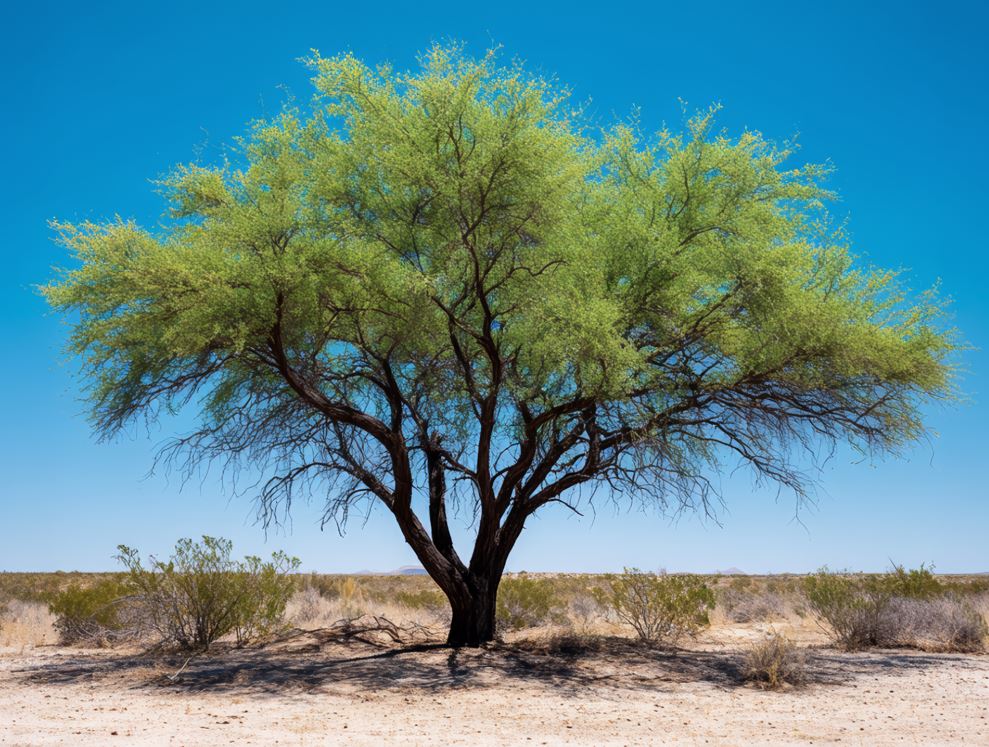
Introduction to the Guava Tree
The guava tree, scientifically known as Psidium guajava, is a species of tropical fruit tree native to Central and South America. This tree is highly valued for its sweet and aromatic fruits, commonly known as guavas. The guava tree can grow to heights of 10 to 33 feet and is notable for its rough-textured bark and glossy green leaves. Guavas come in several varieties, including the strawberry guava and the white guava, each with unique flavor and color characteristics.

Ecological Importance of the Guava Tree
The guava tree is valued not only for its fruit but also for its crucial role in the ecosystem. This tree is an important agent of natural reforestation, as its fruits, consumed by various wildlife species, help disperse the seeds. Additionally, the guava tree provides shelter and food for many species of birds and mammals, strengthening local biodiversity. By planting a guava tree, we contribute to soil conservation and environmental balance, highlighting its value not only agriculturally but also ecologically.

Botanical Characteristics of the Guava Tree
Leaf Identification
The leaves of the guava tree are simple, opposite, and oval-shaped with slightly serrated edges. Each leaf measures between 5 to 15 cm in length and has a deep green color. A distinctive feature is their leathery texture and prominent venation, which not only makes them unique in appearance but also aids in the plant’s transpiration process. These leaves have aromatic properties and are used in traditional medicine to treat various ailments.

Structure and Texture of the Trunk
The trunk of the guava tree is sturdy and upright in growth, displaying a grayish, flaky bark that is particularly thick and resilient. This bark helps the tree protect itself from harsh weather and pest attacks. The trunk diameter can vary significantly depending on the age and environmental conditions, thereby contributing to the tree’s structural stability.

Types of Roots: An Underground Look
The root system of the guava tree is fascinating, as it is mainly composed of shallow roots that spread extensively but do not penetrate deeply into the soil. This feature allows the tree to efficiently utilize nutrients and water from the upper soil layers, adapting well to a variety of environmental conditions. Additionally, some of these roots can become aerial in humid and tropical environments, which is a peculiar and beautiful spectacle to observe.
Varieties of Guava Tree
There are multiple varieties of the guava tree that differ in the size, color, and flavor of their fruits. Among the most popular are the strawberry guava, known for its pink pulp and sweet taste, and the white guava, characterized by its lighter pulp and a slightly more acidic flavor. Other varieties include red guava and yellow guava, each offering unique characteristics that make them preferred for different culinary uses and product preparations such as jellies, juices, and preserves.

Characteristics and Benefits of the Strawberry Guava
The strawberry guava, one of the most charming varieties of the guava tree, is distinguished by its pink pulp and a sweet flavor that resembles strawberries. This type of guava is especially valued both for its nutritional benefits and its versatility in the kitchen. Rich in vitamins A and C, fiber, and antioxidants, the strawberry guava not only improves digestive health and strengthens the immune system but is also ideal for making juices, jams, and desserts. Its attractive color and exotic flavor make it popular in markets and kitchens around the world.
The Life Cycle of the Guava Tree
Flower Development: Process and Particularities
The guava tree blooms several times a year in tropical climates, producing small white flowers. These flowers are hermaphroditic, meaning they have both male and female organs, facilitating pollination by insects, primarily bees. Each flower consists of five white petals and numerous stamens, giving them a delicate and attractive appearance. The flowering process is crucial for fruit production and largely depends on the tree’s climatic conditions and care.

Fruiting Stages: Guavas Growing
After pollination, the tree enters its fruiting phase, where the flowers slowly transform into fruits. This stage can last between 4 to 6 months, depending on the variety and environmental conditions. The ripe guava undergoes a color change from green to yellow, pink, or red, indicating it is ready to be harvested. During this period, it is crucial to maintain proper watering and protect the fruits from pests and diseases to ensure an abundant and high-quality harvest.
Properties and Benefits of the Guava Tree
- High vitamin content: Guavas are exceptionally rich in vitamin C, surpassing even many other citrus fruits, making them excellent for strengthening the immune system.
- Source of antioxidants: The fruits of the guava tree contain antioxidants such as vitamin E, carotenoids, and lycopene, which help combat free radicals and promote overall health.
- Improves digestive health: Guava is a good source of dietary fiber, which aids digestion and prevents issues such as constipation.
- Anti-inflammatory properties: Extracts from guava leaves and fruits have anti-inflammatory properties, useful in the treatment of inflammation and pain.
- Cardiovascular health: Regular consumption of guava can help regulate blood pressure and cholesterol levels, thanks to its high potassium and soluble fiber content.

The Cultivation of the Guava Tree
Ideal Conditions for Guava Cultivation
For optimal growth, the guava tree requires a tropical or subtropical climate, although it is relatively tolerant of different conditions. It prefers well-drained, nutrient-rich soils with a pH between 5 and 7. Sun exposure is crucial, as it requires direct sunlight to develop properly. Additionally, although the guava tree can tolerate brief periods of drought, it needs regular watering during the warmer months to maintain fruit production.
Common Problems and Solutions in Cultivation
The cultivation of guavas can face several challenges, including pests such as fruit flies and diseases like anthracnose. To combat these pests, it is recommended to implement biological control measures and maintain good sanitation in the cultivation area. Avoiding excessive watering and ensuring proper air circulation are essential practices to prevent fungal diseases. Additionally, regular pruning helps maintain tree health and improves the quality and quantity of the fruit produced.
Culinary Delights: Dishes and Preparations with Guava
- Guava jelly: One of the most popular preparations, ideal for enjoying as a spread or in desserts.
- Cakes and pies: Guava is used as a filling to make delicious cakes and pies, providing a unique tropical flavor.
- Juices and smoothies: Refreshing and nutritious, guava juices and smoothies are perfect for hot days.
- Guava in syrup: Pieces of guava cooked in a sweet syrup, ideal for serving as a dessert or accompaniment to cold dishes.
- Sauces and dressings: Guava adds an exotic touch to various sauces and dressings, pairing well with spices or fresh herbs.

Conservation and Future of the Guava Tree
Conservation and Sustainability Efforts
Efforts to conserve the guava tree include sustainable agricultural practices and reforestation programs aimed not only at preserving this species but also at improving the health of the surrounding ecosystem. Additionally, developing varieties that are more resistant to diseases and adapted to different climatic conditions is key to ensuring its long-term sustainability.

The Role of the Guava Tree in the Agriculture of the Future
The guava tree plays a vital role in the agriculture of the future, especially in regions prone to adverse climatic conditions, due to its drought resistance and adaptability. Its cultivation can contribute significantly to food security, offering a substantial source of essential nutrients. Additionally, the guava tree can play a crucial role in agroforestry, a practice that combines agriculture with forest conservation to create more resilient and productive systems.
How to Contribute to Its Conservation
Contributing to the conservation of the guava tree involves developing an ecological awareness that promotes responsible agricultural and consumption practices. Planting guava trees in local areas, participating in reforestation programs, and choosing guava products from sustainable sources are effective actions. Educating oneself and others about the importance of protecting these trees also plays a crucial role in conservation efforts.

Frequently Asked Questions
How long does it take for a guava tree to grow?
A guava tree takes between 2 to 4 years to begin producing fruit after being planted, although this can vary depending on the variety and growing conditions.
Do guavas require special climate conditions to grow?
Guavas prefer warm and tropical climates, but some varieties have been adapted to tolerate more temperate climates. It is important to ensure protection against severe frost and strong winds.
Is it possible to grow a guava tree in a pot?
Yes, it is possible to grow guava trees in pots, especially if dwarf varieties are chosen. This is ideal for those who do not have much space or live in regions with less ideal climates.
What pests or diseases most commonly affect guava trees?
Guava trees can be susceptible to pests such as fruit flies and diseases like anthracnose. Implementing integrated pest management practices and maintaining good orchard hygiene can help control these issues.
What are the main uses of guava?
Besides being consumed fresh, guava is widely used in the preparation of jellies, jams, juices, and it is also popular in savory dishes in some cultures.