What is the Ebony Tree?
The ebony tree, scientifically known as Ebenopsis ebano, is a tree species distinguished by its impressive sturdiness and enigmatic beauty. Native to subtropical areas, this tree is highly valued both for its dense, dark wood and for its strength and durability. Ebony wood is renowned worldwide for its use in making musical instruments and high-quality crafts, highlighting its importance in various cultures and industrial sectors.
Ecological Importance of Ebony
The ebony tree plays a crucial role in its native ecosystem. It not only helps to regulate the water cycle and maintain soil stability, but also provides essential habitat for many wildlife species. The dense canopies of the ebony tree offer shade and shelter to numerous birds and small mammals, while its flowers are an important food source for various species of insects and pollinating birds. Thus, this tree is valuable not only for its wood but also for its contribution to biodiversity and the ecological health of its environment.
Main Growth Regions of the Ebony Tree in America
The ebony tree Ebenopsis ebano, although sharing its name with similar species from other continents, has a geographic distribution focused on the American continent, especially in subtropical climate regions. This tree is predominantly found in areas of northern Mexico, such as Tamaulipas and Nuevo León, extending into southern Texas in the United States. Additionally, its presence is notable in other arid and semi-arid zones where conditions are ideal for its growth, such as certain valleys and slopes that provide the drainage and sun exposure it requires to thrive.

In these regions, the ebony tree is an emblematic figure of the landscape, contributing not only to the local ecology but also to cultural heritage. Its adaptation to dry soils and its ability to withstand periods of drought make it especially valuable in areas prone to extreme weather conditions.
Botanical Characteristics of the Ebony Tree
Leaves of the Ebony Tree
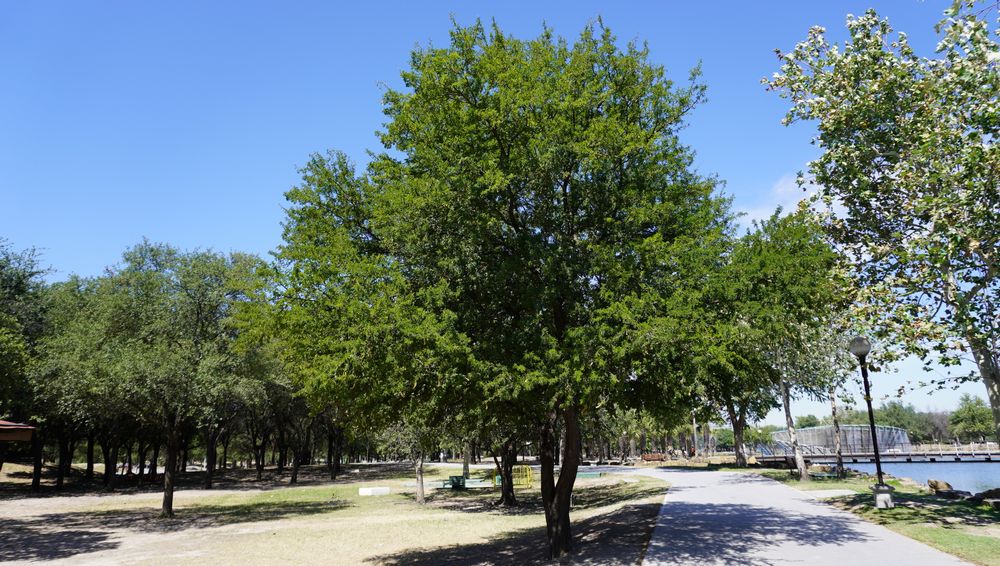
The leaves of the ebony tree are small, oval-shaped, and generally clustered in dense bunches. They display a deep green color, with a slightly leathery texture and a characteristic sheen that makes them stand out under sunlight. These leaves are evergreen, meaning the tree retains its foliage throughout the year, providing constant shade and contributing to its aesthetic appeal in any season.

The Ebony Tree Trunk: Strength and Beauty
The trunk of the ebony tree is sturdy and can reach impressive diameters as the tree matures. Its bark, ranging from gray to black, is rough and fissured, features that not only provide great resistance to adverse environmental conditions but also make it highly prized in carpentry and fine woodworking for the beauty of its dark, dense wood.

Roots of Ebony: The Hidden Foundation
The roots of the ebony tree are as robust as the rest of its structure. Deep and extensive, these roots allow it to access underground water during drought periods, in addition to providing a solid base that stabilizes the tree even in loose soils. Its root system also plays a crucial role in preventing soil erosion, especially in the arid areas where it is native.

Reproduction and Life Cycle of Ebony
Flowers of the Ebony Tree
The flowers of the ebony tree are small and pale yellow, often going unnoticed among its dense foliage. They appear in clusters during spring and are an important source of nectar for bees and other pollinating insects. Their understated beauty adds a subtle charm to the tree’s silhouette during its blooming season.
Fruits of the Ebony Tree: Shapes and Functions
The fruits of the ebony tree are pods containing small, hard seeds. These pods, ranging from brown to black when mature, are essential for the species’ propagation, as the seeds are dispersed by the wind or by animals that feed on the fruits. In addition to their role in reproduction, these fruits are often used in local crafts and as part of the diet of local wildlife.

Properties and Uses of Ebony
Properties of Ebony Wood
The wood of ebony is widely recognized for its extraordinary hardness and density, making it especially resistant to wear and rot. These characteristics make it ideal for crafting objects that require long durability and mechanical strength. The dark, rich color of the wood, along with its ability to achieve a highly polished finish, makes it a preferred choice for luxury cabinetry, musical instruments, and art objects.
Traditional and Modern Uses of Ebony
Traditionally, the ebony tree has been used in sculpture carving, the making of high-quality furniture, and the construction of musical instruments such as clarinets and pianos. In modern times, its wood remains highly valued in the manufacture of decorative and functional objects that seek elegance and durability. Additionally, recent research has explored the use of ebony wood in technological applications, including components for audiovisual devices that benefit from its unique acoustic properties.
Environmental Benefits of the Ebony Tree
Ebony in Soil Conservation
The ebony tree plays a crucial role in soil conservation. Thanks to its deep and extensive root system, this tree is able to anchor the soil and prevent erosion caused by winds and rains, especially in the arid regions where it is native. This ability makes it an essential component in reforestation projects and the rehabilitation of degraded areas.

Ebony and Biodiversity
The ebony tree contributes significantly to the biodiversity of its ecosystem. By providing shade and shelter, it fosters the presence of various animal and plant species. Its flowers attract a variety of pollinating insects, while its fruits serve as a food source for birds and mammals, helping to maintain ecological balance. Thus, ebony not only beautifies the landscape but also supports life around it.
Conservation and Threats to the Ebony Tree
Current Threats to the Ebony Tree
The ebony tree faces several threats that jeopardize its survival and that of its habitat. Excessive logging to exploit its valuable wood is one of the main threats, leading to a significant reduction in its population in the wild. Additionally, agricultural expansion and urban development continue to shrink its natural space, severely fragmenting its habitat and limiting its chances of natural regeneration.
Ebony Conservation Strategies
To protect the ebony tree, various conservation strategies have been implemented. These include the creation of reserves and protected areas where the trees can grow without the pressure of logging. Additionally, reforestation and sustainable cultivation programs are promoted, involving local communities in the management and benefits of these forests. Environmental education plays a crucial role in these efforts, raising awareness about the importance of this tree and the methods for its sustainable conservation.

Conclusion: The Future of the Ebony Tree
The future of the ebony tree will largely depend on our ability to understand and mitigate the threats it faces, as well as our willingness to implement sustainable management practices. This tree is not only a source of economic resources but also a vital element in maintaining biodiversity and the ecological health of the regions where it thrives. As ecological awareness grows, ebony emerges as a symbol of conservation efforts, reminding us of the importance of protecting our natural resources for future generations.
Frequently Asked Questions about the Ebony Tree
Where is the ebony tree primarily found?
The Ebony tree, specifically the species Ebenopsis ebano, is primarily found in northern Mexico and southern Texas, USA. It adapts well to the semi-arid conditions of these regions, playing an important role in the local ecosystems.
Why is ebony wood so valued?
Ebony wood is extremely dense and hard, making it resistant to wear and rot. Its dark color and ability to be polished to a high shine make it popular in the manufacture of luxury furniture, musical instruments, and fine craftsmanship.
What are the main threats to the ebony tree?
The main threats include excessive logging to trade its prized wood and habitat loss due to urban and agricultural development. These activities significantly reduce wild ebony populations and fragment their habitat.
How can one contribute to the conservation of the ebony tree?
Contributing to the conservation of the ebony tree can include supporting reforestation and conservation initiatives, purchasing ebony wood products certified as sustainable, and participating in environmental education and awareness to promote the importance of preserving these trees and their ecosystems.
Is the ebony tree good for the garden?
The ebony tree can be an excellent addition to gardens in areas with suitable climates. It provides consistent shade thanks to its evergreen foliage and is drought-resistant, making it ideal for gardens in semi-arid regions. However, it is important to consider its size and extensive root system, which may require ample space for proper growth.