What is a Cypress Tree?
The cypress tree, scientifically known under the genus Cupressus, is part of the family Cupressaceae. This group of trees is revered for its longevity and elegant form, characterized by dense, evergreen foliage that retains its color year-round. Cypresses are conifers, meaning they are gymnosperm plants that produce cones as their form of fruit rather than flowers.

Geographic Distribution of Cypress Trees
Cypresses have a wide distribution that spans from temperate zones to subtropical regions of the planet. They are predominantly found in the northern Mediterranean, parts of Asia Minor, North America, and some areas of Central America. Their ability to adapt to different types of soil and climatic conditions allows them to thrive in a variety of environments, from rocky coasts to high mountains.
Physical Characteristics of the Cypress
Leaf Identification
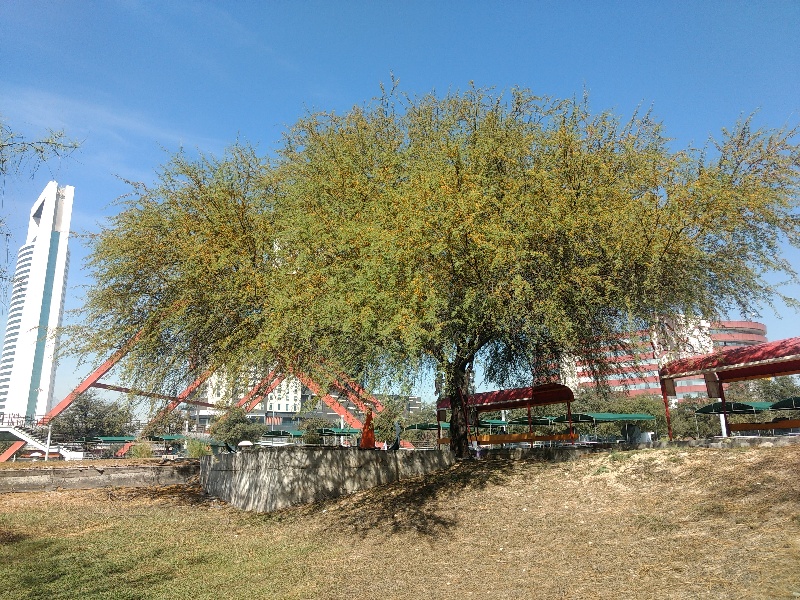
The leaves of the cypress tree are small and scale-like, densely arranged around the branches, forming a compact foliage that feels soft to the touch. They are evergreen, maintaining their dark green color throughout the year, which contributes to the cypress’s popularity in gardening and landscaping. The leaves also emit a characteristic woody scent when crushed, another distinctive charm of these trees.

Trunk and Bark: Support and Shield
The trunk of the cypress stands out for its robustness and can reach impressive heights, typically up to 30 meters, although some species can be much taller. The bark is thick and fibrous, with tones ranging from gray to reddish-brown, providing not only structural support but also effective protection against fires and pests, a vital adaptation in its natural habitats.
Roots of the Cypress: The Hidden Foundation
The roots of the cypress are as impressive as the visible tree. Extending deep into the soil, these robust roots help anchor the tree firmly, allowing it to withstand strong winds and harsh weather conditions. Additionally, its root system can spread widely in search of water, enabling it to survive in dry environments and be extremely efficient in soil stabilization, reducing erosion.
Variations Among the Most Common Cypress Species
Mediterranean Cypress (Cupressus sempervirens)
The Mediterranean Cypress, also known as the common cypress or Italian cypress, is famous for its tall, narrow stature, often used in landscaping to create natural barriers or striking visual frames. This tree can reach up to 30 meters in height and is characterized by its columnar shape, ideal for classic European gardens. Its drought resistance makes it especially valuable in warmer and drier climates.

Monterey Cypress (Cupressus macrocarpa)
The Monterey Cypress is native to the coast of California and is notable for its tolerance to salinity, making it ideal for coastal landscapes. This tree can grow up to 65 feet tall, and its trunk may have multiple branches, creating a more dispersed and less uniform shape than the Mediterranean cypress. Its leaves are a lighter green, and its bark is noticeably rougher, adding an interesting texture to the landscape.

Reproduction Process of the Cypress
The Cypress Flowers: A Subtle Spectacle
The flowers of the cypress are actually quite modest and not very eye-catching. Cypress trees are monoecious, meaning that the same tree has both male and female flowers. The male flowers are small and appear in the form of yellowish cones, while the female flowers are even less noticeable and mature into larger cones that eventually become the tree’s fruits.
Fruits and Seeds: The Promise of New Life
The fruit of the cypress is a woody cone that, when mature, opens to release the seeds. These cones are small, usually 2 to 3 centimeters in diameter, and take several months to fully mature. The seeds are dispersed by the wind, allowing for efficient propagation of the cypress in its natural habitat. This dispersal method helps ensure that new generations of cypresses can find a suitable place to grow, away from the competitive shade of the parent tree.

Benefits and Properties of the Cypress
Ecological Impact of the Cypress
The cypress tree plays a crucial role in its ecosystem not only as a barrier against wind and erosion but also as an important provider of habitat for wildlife. Birds, in particular, benefit from its dense foliage, which offers them shelter and a safe place to nest. Additionally, due to its drought resistance, cypress trees are essential in soil and water conservation, helping to maintain the ecological balance in their natural environments.
Medicinal and Commercial Uses
Traditionally, cypress has been valued for its medicinal properties. Its essential oil, obtained from the leaves and branches, is used in aromatherapy to relieve anxiety and promote relaxation. It also has astringent properties and is used in the treatment of varicose veins and hemorrhoids. Commercially, cypress wood is prized for its durability and resistance to rot, making it ideal for furniture making, formwork, and paneling.
How to Grow a Cypress Tree in a Pot
- Choosing the right variety: Opt for a cypress that adapts well to container cultivation, such as Leyland Cypress or Italian Cypress.
- Choosing the right pot: Use a pot with good drainage, at least a couple of times larger than the root system of the young tree.
- Use the right soil: Fill the pot with a high-quality potting mix that drains well.
- Location: Place the pot in a spot that receives direct sunlight for at least 6 hours a day. Cypress trees need plenty of light to grow well.
- Watering: Water regularly, keeping the soil moist but not saturated. Make sure water does not pool at the base.
- Fertilization: Apply a balanced fertilizer every spring to promote healthy and robust growth.
- Pruning: Prune the cypress annually to maintain its desired shape and size. Pruning also helps promote dense foliage.
- Pest and disease control: Regularly inspect the leaves and branches of the cypress for signs of pests or diseases. Address any issues immediately to prevent further damage.
- Transplant when necessary: As the cypress grows, it may be necessary to transplant it into a larger pot to accommodate its growth.
These steps will help you keep a cypress tree healthy and thriving in a container environment.

Care and Conservation of Cypress Trees
Ideal Conditions for Growth
Cypresses thrive in temperate to subtropical climates with direct sun exposure. They prefer well-drained soils and can tolerate both dryness and certain levels of moisture. It is crucial to provide them with enough space for vertical and radial growth, as an adult cypress can reach considerable heights and spread its roots widely.
Pest and Disease Management
To maintain the health of the cypress tree, it is important to watch for common pests such as mites and scale insects. Additionally, cypresses can be susceptible to fungal diseases like cypress canker, which can be prevented by ensuring proper air circulation and avoiding overwatering. Timely treatment with fungicides and eco-friendly pesticides can effectively control these issues.
The Cypress and Climate Change
The cypress, due to its ability to withstand adverse climatic conditions, plays a vital role in mitigating climate change. These trees are capable of capturing significant amounts of CO2, which contributes to reducing global warming. However, climate change presents significant challenges, including the alteration of its natural habitat and the increased incidence of pests and diseases. The implementation of adaptive conservation strategies is essential to ensure the survival of these species.
Conclusion
Cypress trees are not only aesthetically pleasing but also ecologically beneficial. Their ability to adapt to different environments and their usefulness in medicine and industry make their conservation a priority for those who promote ecological awareness. By understanding and applying proper care and management practices, we can ensure that cypress trees continue to be a valuable and sustainable resource for future generations.
Frequently Asked Questions about the Cypress Tree
How long can a cypress live?
Cypresses are known for their impressive longevity. Many species can live for hundreds of years, and under ideal conditions, some individuals even exceed a thousand years. Factors such as care, climate, and soil play a crucial role in the longevity of these trees.
Do cypress trees require a lot of maintenance?
In general, cypress trees require relatively low maintenance. They need regular watering during their first years or in conditions of extreme drought, and benefit from occasional pruning to maintain their shape and health. However, once established, they are quite resilient and can be cared for with minimal interventions.
Is the cypress suitable for any garden?
The cypress can be an excellent addition to many gardens, but its eventual size and specific needs must be considered. Larger gardens that can accommodate its height and root spread are ideal. Additionally, some species are better suited to certain climates and soil types than others.
What types of wildlife do cypress trees attract?
Cypress trees provide habitat and food for a variety of wildlife. Their dense branches offer shelter and nesting sites for birds, while the cones serve as a food source for squirrels and other small mammals. In some cases, they can also attract butterflies and other beneficial insects.