

Introduction to the Kapok Tree
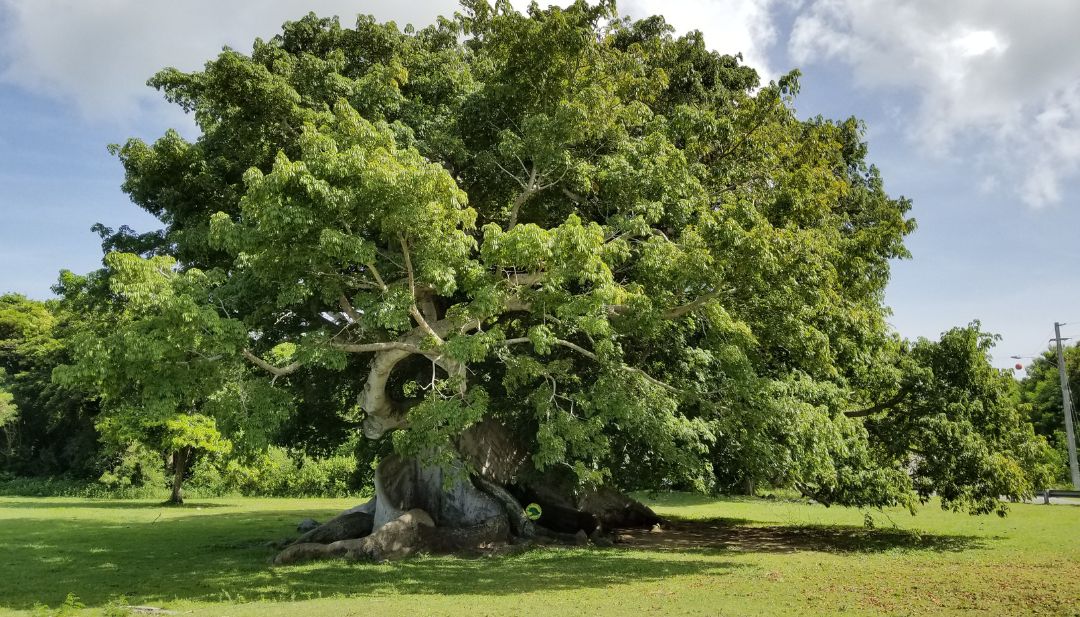
The Ceiba pentandra, commonly known as the kapok tree, is a giant among the flora of the tropical world. This impressive tree is notable not only for its height and diameter but also for its profound cultural and historical significance, especially in Mesoamerican civilizations where it was regarded as a sacred tree of the Maya.
Origins and Geographic Distribution
The geographic distribution of the kapok tree (Ceiba pentandra) is extensive, spreading across the tropical regions of the Americas, Africa, and southern Asia. In the Americas, this tree is emblematic in countries such as Mexico, where rainforests and moist forests provide the ideal environment for its growth. Its presence is so significant that it has even been named the national tree of several Central American countries.
This tree is not only found in warm and humid climates, but it has also been able to adapt to a variety of soils, demonstrating its incredible capacity for survival and adaptation. However, it is in deep, well-drained soils where the kapok tree reaches its full splendor, rising to heights that can exceed 230 feet.
Unique Characteristics of the Ceiba
Leaves of the Ceiba: Form and Function
The leaves of the kapok tree are distinctive and functional. Each leaf is composed of multiple leaflets, usually numbering between 5 and 9, arranged in a palmate form. This design is not only aesthetic but also serves a crucial ecological function: maximizing sunlight capture in environments where competition for light is intense. The leaves are a deep green, reflecting their high efficiency in photosynthesis, essential for supporting the enormous size of the tree.

The Trunk: A Thorny Support
One of the most striking features of the ceiba tree is its thick, spiny trunk. These spines, which are more commonly found on younger specimens, serve as a defense mechanism against herbivores. The ceiba’s trunk can reach impressive diameters, sometimes exceeding 10 feet, making it one of the most robust trunks among tropical trees. Beyond its defensive role, the spongy trunk helps the tree store water, a valuable adaptation in its natural habitats subject to dry periods.

Roots of the Kapok Tree: A Life-Support System
The roots of the kapok tree are as impressive as the rest of the tree. This giant stands firmly in the soil thanks to an extensive system of buttress roots. These roots not only stabilize the massive trunk and large branches but are also essential for nutrient absorption in the superficial soils of the rainforest. Visually striking, these roots can extend quite far from the main trunk, creating a spectacle often as photogenic as the tree itself.

Botanical Aspects of the Kapok Tree
Ceiba Flowering: A Natural Spectacle
The flowering of the ceiba tree is a visually stunning and biologically significant event. The flowers of the kapok tree (Ceiba pentandra) emerge directly from the trunk and larger branches, a phenomenon known as cauliflory. These flowers are large, with white or pink petals, and exude a sweet fragrance that attracts a variety of pollinators, including bats and bees. The flowering not only contributes to the biodiversity of its environment but also plays a crucial role in the reproduction of this towering arboreal giant.

Fruits and Seeds: The Proliferation of the Kapok Tree
The fruits of the kapok tree (Ceiba pentandra) are large capsules that, when ripe, open to reveal a mass of white cottony fibers. These fibers, known as kapok, surround the seeds and aid their dispersal by wind, allowing the tree to colonize extensive areas. Kapok is not only vital for the propagation of the kapok tree but has also been used by humans in the manufacture of pillows, mattresses, and other fillings due to its softness and buoyancy. The seeds, once released, can germinate quickly under suitable conditions, ensuring the continuation of this majestic species in its natural habitat.

Properties and Benefits of the Kapok Tree
Traditional and Medicinal Uses of the Ceiba
The ceiba tree has been revered not only for its impressive presence but also for its multiple uses in the daily and medicinal lives of traditional cultures. Historically, various parts of the tree, including leaves, bark, and roots, have been used in traditional medicine to treat a variety of ailments. For example, the bark of Ceiba pentandra has been used to relieve pain and fever, while the leaves have been employed in skin remedies and as anti-inflammatory agents. These uses reflect not only the tree’s utility but also the deep knowledge that indigenous and local communities have developed about its natural properties.
The Kapok Tree in Agroforestry and Environmental Sustainability
In the context of agroforestry, the Ceiba pentandra plays a crucial role in enhancing the sustainability and biodiversity of agricultural systems. Its ability to improve soil structure and its potential as a refuge and food source for wildlife make it an ideal species to integrate into mixed cropping practices. Furthermore, the kapok tree contributes to the fight against climate change due to its rapid growth and efficiency in carbon capture. Therefore, including the kapok tree in agroforestry systems not only promotes an ecological approach to agriculture but also helps conserve this vital and majestic tree for future generations.

Ceiba Species
The Silk Floss Tree: Beauty and Distinction
The Ceiba speciosa, also known as the silk floss tree, is one of the most dazzling species within the Ceiba genus. Known for its spiny and distinctive trunk, which resembles a bottle-shaped trunk, this species stands out for its large, pink flowers that adorn the tree during the blooming season. Native to the tropical regions of South America, Ceiba speciosa is not only valued for its striking ornamental appearance but also for its resilience and ability to adapt to various environments, making it popular in parks and urban areas worldwide.

Other Popular Kapok Trees
In addition to Ceiba pentandra and Ceiba speciosa, there are other species within the Ceiba genus that are equally fascinating. Among them are Ceiba chodatii, often found in Paraguay and parts of Argentina, and Ceiba bolliviana, native to Bolivia. These species share similar characteristics, such as thick trunks and an imposing presence, but each possesses unique adaptations that make them stand out in their natural habitats. For example, Ceiba chodatii is known for its tolerance to drier climates, while Ceiba bolliviana adapts well to the high elevations of the Andes.
The Ceiba: Sacred Tree of the Mayans
Cultural and Spiritual Significance of the Ceiba
The kapok tree is much more than just a tree in Maya tradition; it is a sacred symbol of connection between worlds. For the Maya, this imposing tree represented the world axis (Yaxche), connecting the underworld, the earth, and the skies. The kapok tree was considered the tree of life, central to their creation myths, providing support and sustenance to the entire cosmos. In many communities descended from the Maya, this respect for the kapok tree remains alive, reflecting its enduring spiritual and cultural significance.
The Kapok Tree in the Mayan Worldview
In the Maya worldview, the ceiba tree held a preeminent place. It was believed that its roots extended to the underworld, while its trunk represented the earth and its branches reached the sky, making it a gateway between different planes of existence. The Maya also considered it a meeting place for the gods and a point of mediation for humans seeking spiritual guidance. Ceremonies and rituals around the ceiba were common, and often, Maya spiritual leaders used the space beneath its canopy for meditation and prayer, seeking the wisdom the tree could offer through its connection to all spheres of life.

Conservation of the Kapok Tree
Challenges and Threats for the Kapok Tree
The kapok tree (Ceiba pentandra), despite its robustness and cultural significance, faces multiple threats that jeopardize its survival. Deforestation, caused by agricultural expansion and urban development, has drastically reduced its natural habitat. Additionally, climate change is altering weather patterns, affecting water availability and the overall health of these trees in their native environments. Logging also represents a significant threat, given the economic value of its wood and kapok fiber.
Strategies for the Conservation of the Kapok Tree
The conservation of Ceiba pentandra requires a multifaceted approach that includes habitat protection, reforestation with native species, and the promotion of ecological awareness among local and global communities. Environmental education programs that teach about the intrinsic value and ecosystem benefits of the ceiba can motivate communities to actively participate in its conservation. Additionally, the establishment of protected areas and collaboration with international organizations are crucial to securing a sustainable future for this monumental tree.
Conclusion: Protecting the Green Heritage
The kapok tree is more than just a tree; it is a living legacy of natural and cultural history. Protecting this green heritage is not only an ecological responsibility but also an obligation to future generations. Promoting ecological awareness and taking concrete measures for its conservation can ensure that the majestic kapok tree remains a pillar of tropical ecosystems and a symbol of connection between the past and the future. Through collective and individual efforts, we can help guarantee that the kapok continues to thrive in its natural habitat, benefiting biodiversity and human communities alike.


