What is the Ash Tree?
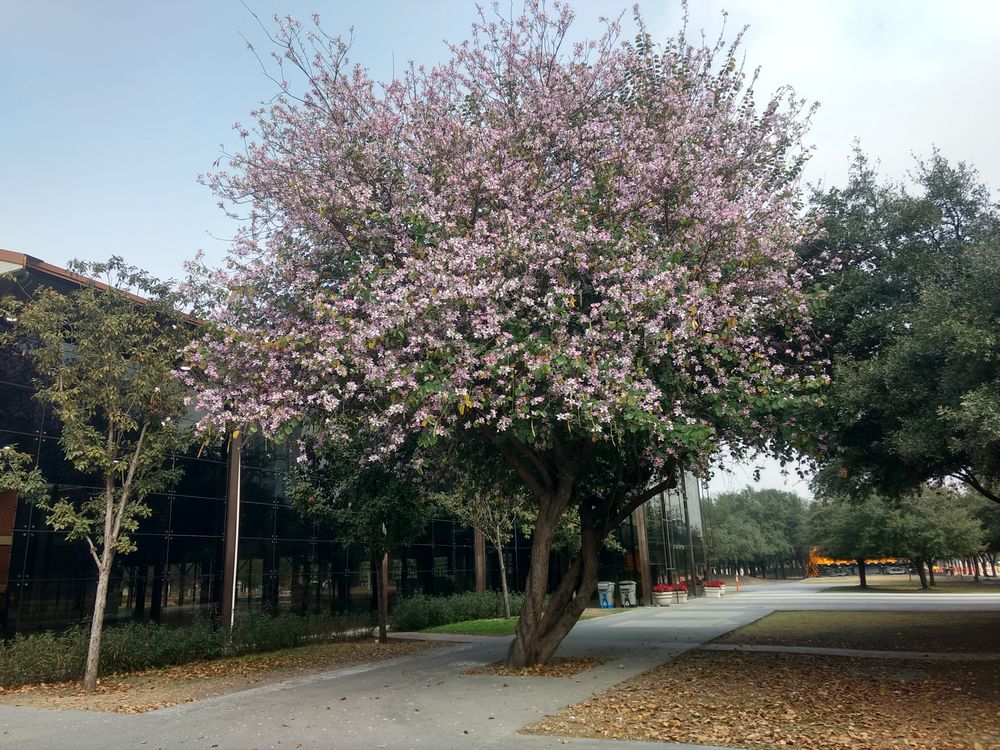
The ash tree is a species belonging to the genus Fraxinus, notable for its imposing presence and its ability to grow to impressive heights. There are several ash species, each adapted to different climates and regions. This tree is characterized by its dense and lush foliage, providing broad and refreshing shade during warm months. Its leaves are usually bright green and turn vibrant colors in the fall, creating spectacular landscapes. Additionally, the ash is valued for its wood, which is used in making furniture, musical instruments, and carpentry due to its strength and flexibility.

Ecological Importance of the Ash Tree
The ecological importance of the ash tree is vast, as it plays a crucial role in maintaining biodiversity and the balance of the ecosystems where it resides. Ash trees not only provide shelter and food to a wide variety of animal species, including birds, insects, and mammals, but they also contribute to soil stability and water cycle regulation. Their deep roots help prevent soil erosion, while their dense canopy promotes water infiltration, reducing the risk of flooding. Additionally, ash trees are important carbon sinks, capturing carbon dioxide from the air and releasing oxygen, which helps mitigate climate change.
Unique Characteristics of the Ash Tree
Ash Leaf: Identification and Characteristics
The leaves of the ash tree are easily identifiable by their compound structure, usually composed of 5 to 11 leaflets arranged oppositely along a central axis. Each leaflet is lance-shaped, with slightly serrated edges and a pointed tip, characterized by its deep green color that transforms into shades of yellow, red, or purple during autumn. This peculiarity not only adds a unique aesthetic appearance to the landscape but also serves as an indicator of the health and biodiversity of the environment where the ash tree is found.

The Ash Tree Trunk: Support and Beauty
The trunk of the ash tree is another of its distinctive features, known for its strength and durability. With bark that can range from soft gray to dark brown, the trunk presents deep fissures in more mature trees, giving it a robust and majestic appearance. This structure not only supports the vast canopy of the tree but is also valued in the timber industry for its quality and versatility, being a prized resource for the manufacture of a wide range of products.

Ash Tree Fruits: Shape, Color, and Uses
The fruits of the ash tree, known as samaras, are small winged structures that facilitate their dispersal by wind. These fruits are oblong in shape and can vary in color from pale green to light brown as they mature. In addition to their reproductive function, ash samaras have applications in certain gardening and ecological restoration practices, as their ease of dispersal helps propagate these valuable trees in different environments.
The Flowers of the Ash Tree: Seasons and Attractions
Although less noticeable than other features, ash tree flowers have their own charm. Depending on the species, they can be dioecious (male and female flowers on separate trees) or monoecious (both types of flowers on the same tree). They bloom in early spring, before the leaves appear, and typically range in color from white to light purple, attracting pollinators such as bees and butterflies. This flowering stage is not only crucial for the reproduction of the ash tree but also adds a subtle beauty to the natural environment.

The Root System of the Ash Tree
The root system of the ash tree is as impressive as the rest of the plant. Composed of a deep primary root and a network of secondary roots that spread widely, this system allows the ash tree to anchor firmly to the soil and access underground water resources during droughts. This robustness and adaptability make the ash a vital element in preventing soil erosion and maintaining the health and stability of forest ecosystems.
Properties and Benefits of Ash
Environmental Benefits of the Ash Tree
The ash tree offers numerous environmental benefits that significantly contribute to the health of our planet. Among these, its ability to improve air quality stands out, as it sequesters carbon dioxide and releases oxygen. Ash trees also play a crucial role in water conservation, as their dense foliage and root systems promote water infiltration into the soil, reducing runoff and erosion. Additionally, they contribute to biodiversity by providing habitat and food for various wildlife species, strengthening local ecosystems.
Uses and Applications of Ash Wood
Ash wood is highly valued for its strength, elasticity, and beauty, making it ideal for a wide range of applications. From the manufacture of tools, high-quality furniture, and hardwood flooring to its use in the sports industry for crafting baseball bats, rackets, and skis, the versatility of ash wood is impressive. Its ability to absorb impacts without breaking makes it a preferred choice for items that require durability and resilience.

Medicinal Properties of the Leaves and Bark of the Ash Tree
Traditionally, the leaves and bark of the ash tree have been used for their medicinal properties. They are believed to have anti-inflammatory, diuretic, and laxative effects. Infusions and decoctions prepared from these parts of the tree have been used to treat various conditions, including arthritis, fever, and urinary problems. Although modern science continues to investigate the efficacy of these traditional remedies, interest in the healing properties of ash remains strong.
How to Identify an Ash Tree
Keys to Identify the Ash Tree Among Other Trees
Identifying an ash tree is relatively simple if you know some key characteristics. First, observe the leaves: ash leaves are compound, with 5 to 11 opposite leaflets. The shape of the leaf, along with the unique arrangement of its winged seeds, or samaras, are clear indicators. Additionally, the bark of young ash trees is usually smooth and gray, while in mature trees it becomes rougher and furrowed. These characteristics, along with its typical branching structure, make the ash tree easy to identify.
The Importance of Preserving Ash Trees
Preserving ash trees is crucial for maintaining the balance of our ecosystems and the health of the environment. These trees not only provide essential ecological benefits, but they also enrich our landscapes with their beauty. In recent years, diseases such as the emerald ash borer have threatened ash populations, highlighting the need for conservation efforts and sustainable forest management. Protecting ash trees means ensuring a legacy of biodiversity and ecological resilience for future generations.
Care and Maintenance of the Ash Tree
Ideal Conditions for Ash Tree Growth
To ensure optimal growth, the ash tree requires certain environmental conditions. It prefers well-drained soils, although it adapts to a wide range of soil types. It is important to ensure adequate exposure to sunlight, as ash thrives under direct light. Regarding watering, it needs a moderate amount, especially in the early stages of growth and during extended drought periods. A proper fertilization schedule can contribute to its health and vigor, while regular pruning helps maintain its structure and prevent diseases.
Protection Against Diseases and Pests
Ash trees are susceptible to various diseases and pests, the most notable being the emerald ash borer. To protect these trees, it is essential to implement preventive measures, such as regular monitoring to detect early signs of infestation or disease. Treatment may include the use of specific insecticides or integrated pest management techniques. Additionally, keeping the trees healthy through proper care is crucial to increase their resistance to diseases and pests.
Identification of the main ash tree pests
Recognizing a pest early is essential to take proper action and protect your tree. These are the most common pests:
- Emerald ash borer (Agrilus planipennis): This small beetle is perhaps the most devastating pest for ash trees. Its larvae feed on the inner tissue of the tree, causing severe damage.
- Aphids: These small insects suck the tree’s sap, weakening it and promoting the growth of fungi.
- Caterpillars: Different species of caterpillars can feed on ash leaves, reducing their photosynthetic capacity.
Control Strategies
Once the pest is identified, it is essential to take measures to protect your ash tree.
- Sticky traps: They are effective for capturing beetles and other adult insects before they can reproduce.
- Insecticides: Depending on the pest, they can be an effective solution. It is important to choose one specific to the pest and follow the label instructions to the letter.
- Biological control: Using natural enemies of pests, such as parasitoid wasps or ladybugs, can be an ecological and effective option.
- Regular pruning: Removing affected or weakened branches can help prevent the spread of pests.
The Ash Tree in Landscaping and Urban Design
The Ash Tree in Parks and Gardens
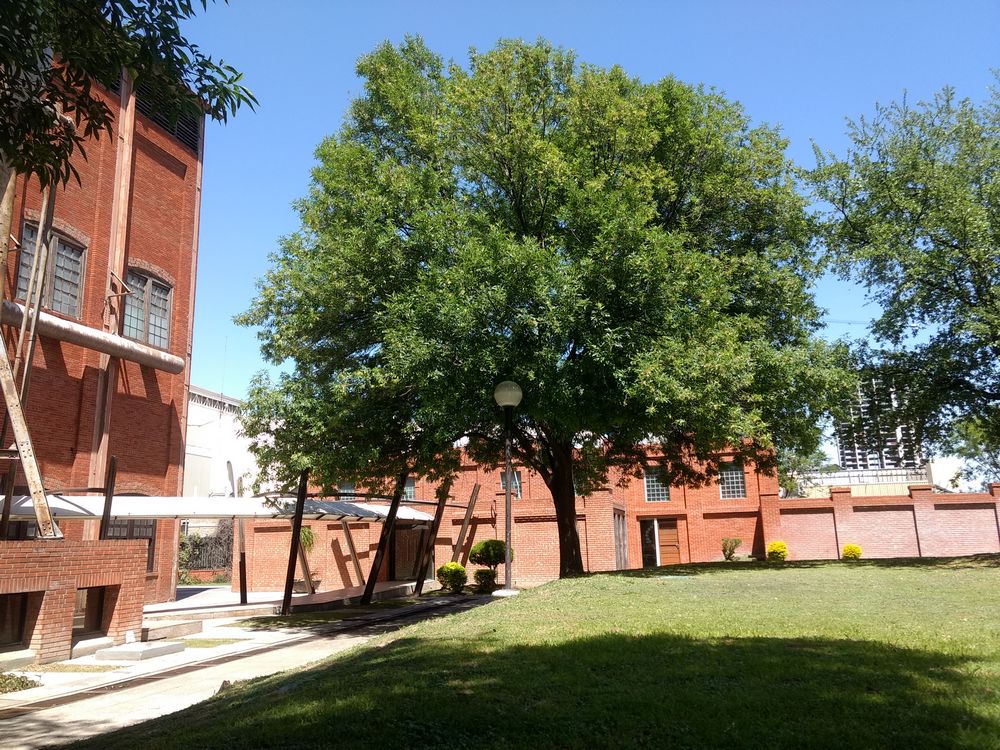
The ash tree is a popular choice in landscaping and urban design, thanks to its majestic appearance and its ability to provide ample shade. Its use in parks, gardens, and avenues contributes not only to the beauty of the urban landscape but also to the creation of functional green spaces that improve the quality of life for city residents. Ash trees are often planted in recreational areas to provide outdoor resting and leisure spots.

Contribution of the Ash Tree to Urban Biodiversity
By integrating ashes into urban environments, we significantly contribute to the city’s biodiversity. These trees provide habitat and food for a variety of bird species, insects, and small mammals. Their presence helps maintain balanced and resilient urban ecosystems, fostering the presence of pollinators and other beneficial organisms that support the health of urban green spaces.
Conclusions: The Role of the Ash Tree in Our Environment
The ash tree plays an indispensable role in maintaining our ecosystems and enhancing our urban environments. Through its environmental benefits, aesthetic value, and contribution to biodiversity, ash trees enrich our quality of life and foster greater ecological awareness. It is essential to recognize the importance of caring for and preserving these majestic trees for present and future generations. By doing so, we ensure the balance of our ecosystems and promote a harmonious coexistence with nature.