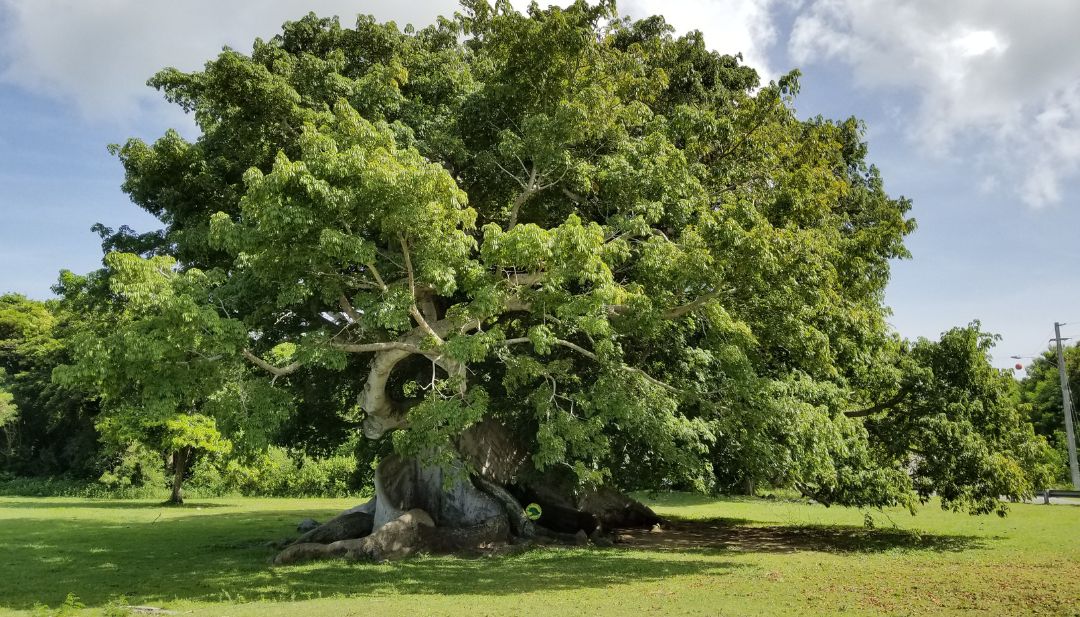
What is the Apricot Tree?
The apricot tree, also known as apricot, is a fruit species whose scientific name is Prunus armeniaca. This tree is primarily valued for its delicious fruit, apricots, which have a sweet and slightly tangy flavor, perfect for eating fresh or in various culinary preparations. The apricot tree is a medium-sized tree that can reach up to 26 feet in height, characterized by its beautiful white and pink blossoms in spring.

Origins and Distribution
The apricot has its roots in northeastern China, near the border with Russia, from where it spread along trade routes to the Middle East and Europe. Its cultivation is ancient, with evidence dating back more than 3,000 years in Chinese territory. Today, this tree is found in various parts of the world, being especially popular in countries with temperate climates. The apricot tree has been adapted to different climatic and geographic conditions, allowing its cultivation to spread widely, finding a special place in gardens, home orchards, and large-scale commercial productions.
Characteristics of the Apricot Tree

General Description
The apricot tree is distinguished as a deciduous species, which means it loses its leaves during the winter to bloom splendidly in spring. It reaches an average height of between 10 to 26 feet, depending on growing conditions and the specific variety. Its branches extend forming a rounded and well-proportioned crown, offering light and pleasant shade. The apricot tree blooms before new leaves appear, adorning the landscape with a mantle of white or pink flowers.
The Leaves of the Apricot Tree
The leaves of the apricot tree are simple, alternate, and have a serrated margin. Oval or heart-shaped, these glossy green leaves provide a vibrant contrast against the darker tone of the branches and trunk. The texture of the leaves is generally smooth, and their size ranges from medium to large, contributing to the tree’s robust and healthy appearance.

The Trunk and the Bark
The trunk of the apricot tree is straight and sturdy, with bark that ranges in color from light gray to darker brown tones. Over time, the bark may become slightly cracked, providing refuge for small wildlife and adding character to the tree’s appearance. This texture is not only important for the ecosystem surrounding the tree but is also appreciated for its natural beauty.
The Roots of the Apricot Tree
The root system of the apricot tree is quite strong and extends deeply into the soil, allowing it to access water and nutrient sources at greater depths. This makes the tree relatively resistant to periods of drought once it is well established. The roots also help stabilize the tree, enabling it to better withstand adverse weather conditions.
Flowers and Their Pollination
The blooming of the apricot is one of its most beautiful displays, occurring in late winter or early spring. The flowers, which can be solitary or appear in pairs, are pure white or slightly pink. This stage is crucial for pollination and the subsequent fruit production. Pollination is primarily carried out by bees and other insects, highlighting the importance of these pollinators for the successful cultivation of the apricot.

The Fruit: Apricot
The fruit of the tree, the apricot, is a drupe similar to the peach but smaller in size, with a soft, fuzzy skin that ranges in color from yellow to orange, often with a touch of red. Its flesh is juicy, sweet, with a slight tartness, surrounding a hard central pit. This fruit is not only valued for its delicious flavor but also for its high content of vitamins and minerals, making it an excellent addition to a balanced diet.

Cultivation and Care of the Apricot Tree
Climatic Requirements
The apricot tree prefers temperate climates with cold winters that allow it to fulfill its chilling hour requirements for good flowering and fruiting. However, it is susceptible to late spring frosts, which can damage the flowers and affect fruit production. In summer, it requires plenty of sunlight for the proper development and ripening of apricots. A south or southwest exposure is ideal to maximize light absorption.
Planting and Spacing
The planting of the apricot tree should be done in a location with good sun exposure and protected from strong winds. It is important to ensure that the soil has good drainage to avoid waterlogging, which can cause root rot. The spacing between trees should be at least 13 to 20 feet (4 to 6 meters) to allow proper growth and development of the canopy, as well as to facilitate air circulation and reduce the incidence of diseases.
Irrigation and Maintenance
Irrigation is crucial during the first years of the tree’s life and in periods of prolonged drought. Once established, the apricot is relatively drought-tolerant, but a regular water supply promotes better flowering and fruiting. Mulching around the tree can help retain soil moisture, suppress weeds, and provide nutrients as it breaks down.
Pruning and Management
Pruning is essential for maintaining the health and productivity of the tree. It should be done during the winter when the tree is dormant, removing diseased, damaged, or inward-growing branches to improve air circulation and light penetration. It is also important to perform formative pruning in the early years to establish a strong structure of main branches.

Common Problems and Diseases
The apricot tree can be susceptible to various diseases and pests, such as brown rot, powdery mildew, and attacks by insects like aphids and the apricot moth. Prevention through the selection of resistant varieties, good air circulation, and timely removal of affected parts of the tree is key. In cases of severe infestations or diseases, it may be necessary to resort to specific treatments, preferably organic, to maintain the health of the tree and the safety of its fruit.
Properties and Benefits of the Apricot
Nutritional Value
The apricot is known for its high nutritional value, being a rich source of vitamins A, C, and E, as well as containing essential minerals such as potassium, iron, and magnesium. This combination of vitamins and minerals makes the apricot an excellent choice to include in a healthy diet. Additionally, it is low in calories and contains dietary fiber, which aids digestion and promotes a feeling of fullness, thus supporting weight management.
Health Benefits
Thanks to its richness in antioxidants, the apricot offers multiple health benefits, including protection against cellular damage and reducing the risk of various chronic diseases. Vitamin A, present in high concentration, is crucial for eye health, skin, and the immune system. Vitamin C, in turn, promotes wound healing and the maintenance of body tissues, while vitamin E acts as a powerful antioxidant. Potassium contributes to the proper functioning of the nervous system and the regulation of blood pressure, supporting cardiovascular health.
Culinary Uses
The apricot is extremely versatile in the kitchen, and can be enjoyed both fresh and dried. In its fresh state, it is delicious eaten plain, in fruit salads, or as part of desserts and cakes. Dried, it becomes a nutritious and energizing snack, ideal for carrying as a treat or adding to cereals and yogurts. Additionally, apricot is used to make jams, jellies, and preserves, taking advantage of its natural sweetness. In the cuisine of some countries, it is also used in savory dishes, adding a sweet and tangy touch that balances and enhances the flavors.

Conservation and Sustainability of the Apricot Tree
Ecological Impact
The apricot tree plays a significant role in the ecosystem, contributing to biodiversity and providing habitat and food for various species of birds, insects, and small wildlife. Its cultivation can help prevent soil erosion thanks to its root system, which stabilizes the soil and helps maintain its health and structure. Additionally, as a deciduous species, apricot trees add organic matter to the soil through leaf fall, enriching it and naturally improving its fertility.
Conservation and Improvement of Varieties
The conservation of different varieties of apricot trees is vital for the genetic diversity of this species, allowing it to adapt to various environmental and climatic conditions. This is especially important in the face of climate change challenges. Genetic improvement and conservation programs aim to develop varieties more resistant to diseases, pests, and extreme weather conditions, thus ensuring the sustainability of its cultivation and food security. Fostering ecological awareness around the importance of these practices is essential to preserve not only the apricot but biodiversity in general.

Conclusion: The Importance of the Apricot Tree in Ecology and Nutrition
The apricot tree is much more than just a simple source of delicious fruits. Its cultivation and conservation represent a crucial link in the biodiversity chain and an essential component of agricultural ecosystems. Promoting sustainable agricultural practices and ecological awareness around this tree significantly contributes to the health of our planet, offering both environmental and nutritional benefits. By integrating the apricot tree into diversified cropping systems, we can help create more resilient agricultural landscapes, improve food security, and promote a healthier, more sustainable environment for future generations.