Getting to Know the Apple Tree
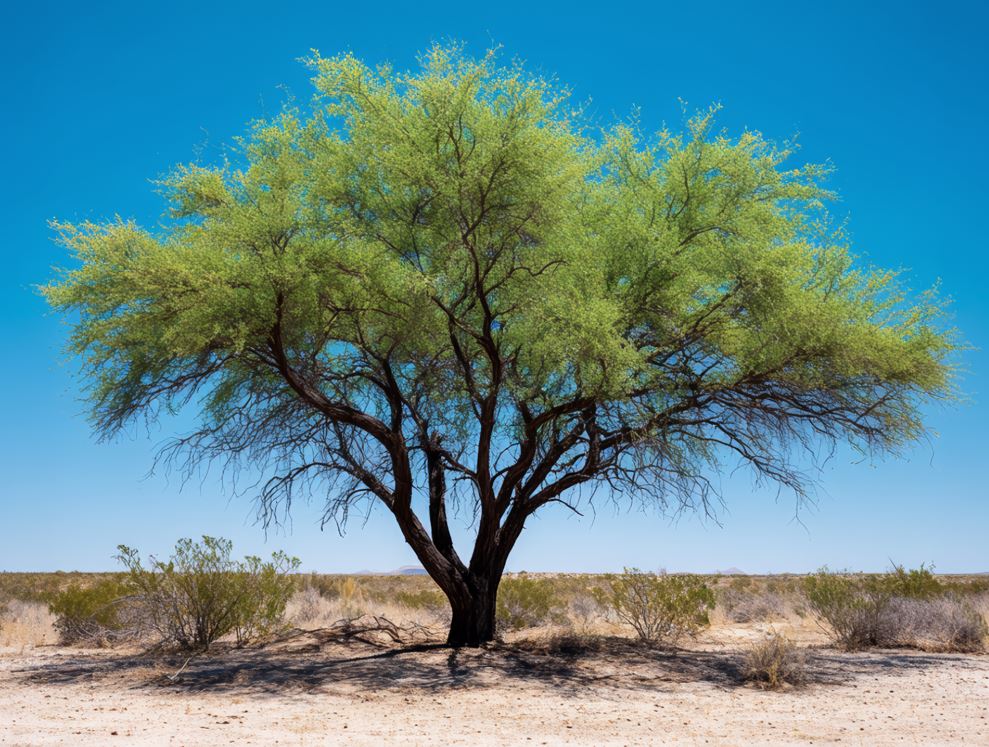
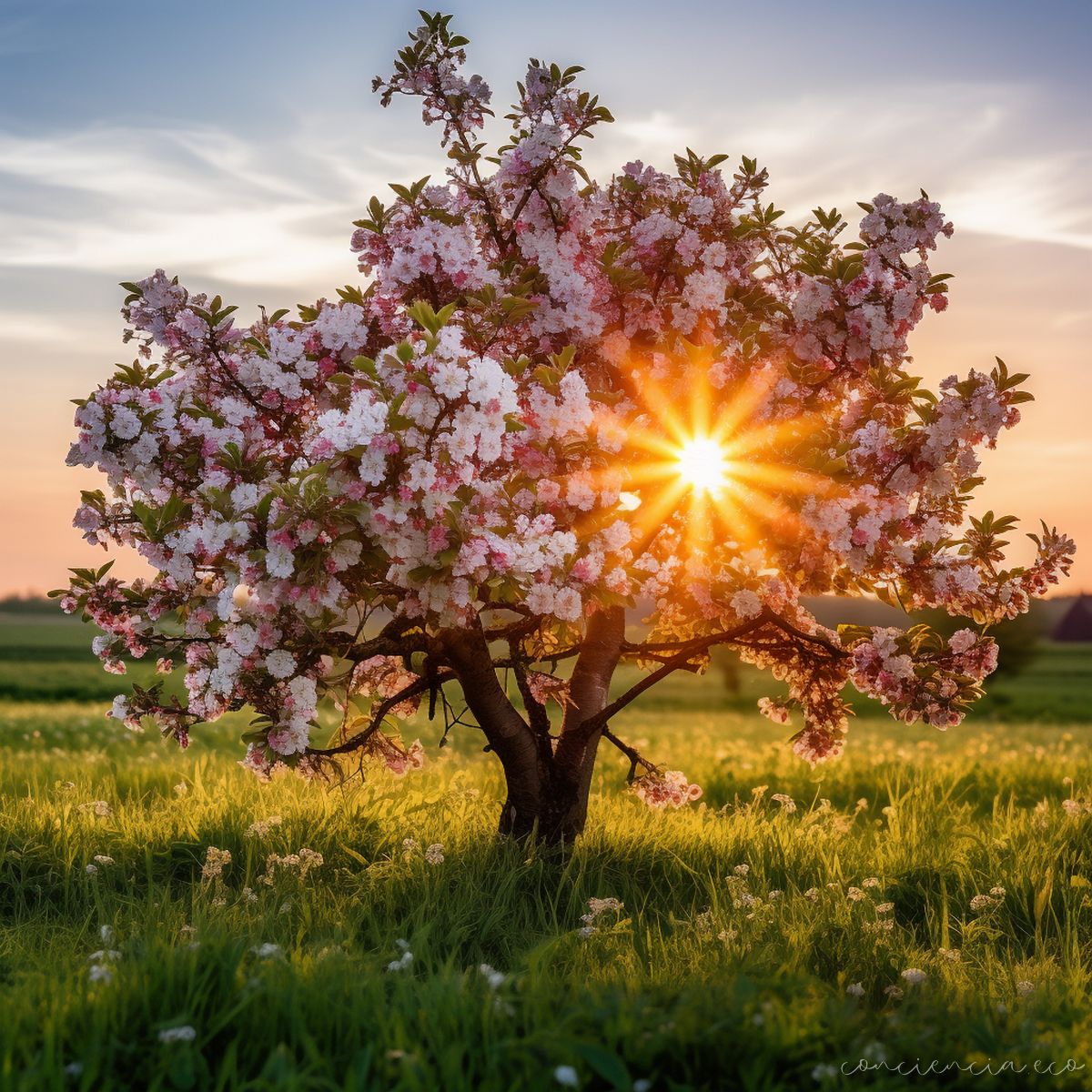
A apple tree, commonly known as a apple tree, is a fruit species belonging to the Rosaceae family and the genus Malus. This tree is renowned not only for its beauty during the blooming seasons but also for its ability to produce one of the most popular and widely consumed fruits worldwide: the apple. Apple trees can vary in size and shape, and there are numerous varieties producing everything from the green apple to the red apple.

Ecological Importance of the Apple Tree
The apple tree plays a crucial role in the ecosystem. Beyond its agricultural use, these trees are fundamental for maintaining local biodiversity. Apple trees provide shelter and food to a wide range of animal species, from birds to beneficial insects, contributing to a more balanced environment. Additionally, during their blooming period, apple trees are an important source of pollen, making them essential for bees and other pollinators. The preservation of small and large apple trees is vital to ensure the continuity of these ecological benefits.
Botanical Characteristics of the Apple Tree
Leaf Identification
The leaves of the apple tree are essential for identifying the species and understanding its health. Generally, these leaves are simple, with an oval to oblong shape, serrated edges, and a deep green color that varies slightly between species. During spring and summer, the apple tree leaves offer a visual spectacle, transforming the landscape and providing a clear indicator of the tree’s life cycle.
Trunk Structure
The trunk of an apple tree is robust and fairly short, which contributes to the tree’s stability, especially important for supporting the weight of the fruit. The bark of the trunk is generally gray and becomes cracked with age, which can be an indicator of the tree’s health and age. This structure not only supports the system of branches and leaves but is also crucial for transporting nutrients from the roots to the leaves.
Root System of the Apple Tree
The root system of an apple tree is fibrous and relatively extensive, allowing the tree to efficiently absorb water and nutrients from the soil. The roots of apple trees are essential for their survival and fruit production, extending both in depth and horizontally to stabilize the tree and support its growth. This root system makes apple trees resilient to various climatic and soil conditions, although they prefer well-drained soils rich in organic matter.
Apple Varieties
Green Apple Tree: A Touch of Freshness
The Granny Smith apple tree is mainly known for its tart and crunchy fruit, ideal for those who prefer a refreshing flavor. These apples, like the famous ‘Granny Smith‘, are perfect for cooking due to their firmness and low sugar content, which allows them to maintain their structure when heated. Additionally, their vibrant green color makes them a decorative addition both in the kitchen and in the garden.

Red Apple Tree: The Classic Sweetness
The red apple tree produces the most iconic and sought-after apples on the market. Varieties such as ‘Red Delicious‘ and ‘Fuji‘ are highly valued for their intense sweetness and juicy texture. These apples are ideal for fresh consumption as well as for making juices and desserts. Their deep red color not only makes them visually appealing but also indicates a high antioxidant content.

Small Apple Tree: Little Gems of Nature
The small apple trees are a special category that includes miniature varieties such as the ‘Crabapple‘. These apples, although smaller in size, offer a burst of flavor and are exceptional for decorative and culinary uses. Their disease resistance and adaptability to different climates make them ideal for small gardens or as part of urban landscaping projects.
Flowering and Fruiting Process
The Apple Blossom Spectacle
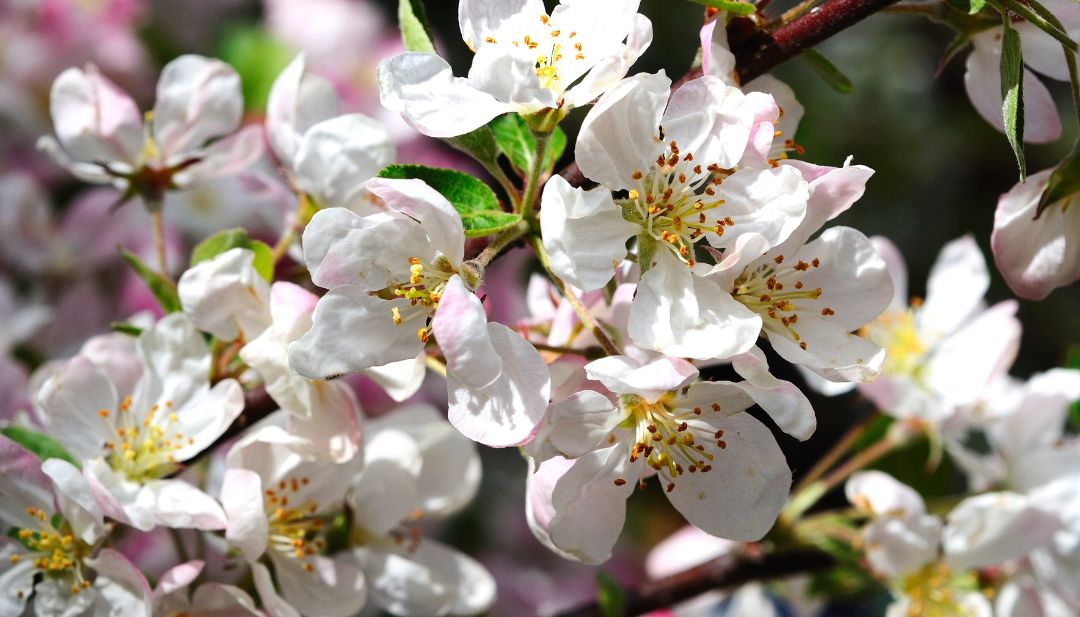
The flowering of the apple tree is one of the most spectacular events in the tree’s life cycle. In spring, the trees are covered with flowers in shades of white and pink, which not only beautify the landscape but also attract a variety of pollinators. Each flower, composed of five petals and a delicate fragrance, is crucial for pollination and the eventual production of fruit. This period is not only vital for the reproduction of the apple tree but also essential for maintaining the biodiversity of the local ecosystem.
From Flower to Fruit: The Apple Cycle
After pollination, the apple tree begins its fruiting process, which carries the promise of the flower turning into an apple. This cycle is fascinating: initially, the flower’s ovary swells and begins to transform into what will eventually become the apple. Throughout the summer, the fruit goes through several stages of growth, maturing in color, size, and flavor. Each variety has its own ripening time, which can range from late summer to early fall, depending on the climate and growing conditions.
Properties and Benefits of Apples
Nutritional Properties of Apples
Apples are recognized for their richness in essential nutrients that contribute to a healthy diet. A medium apple contains approximately 95 calories and is an excellent source of dietary fiber, especially when eaten with the skin. Additionally, apples are rich in vitamins such as vitamin C and K, and provide a good amount of potassium. They also contain a variety of antioxidant compounds, including quercetin, catechin, and chlorogenic acid, which play a crucial role in cellular protection.

Healthy Benefits of Eating Apples
Consuming apples regularly can provide multiple health benefits. Among these, their ability to improve cardiovascular health stands out, thanks to their soluble fiber content, which helps reduce cholesterol levels in the blood. Apples also have anti-inflammatory and antioxidant properties that can help lower the risk of chronic diseases such as type 2 diabetes and cancer. Additionally, apple consumption is associated with improved digestive health and may contribute to better weight control due to their fiber content and low calorie count.
How to Grow an Apple Tree Step by Step?
- Choosing the right variety: Depending on the climate and available space, select an apple tree variety that best suits your local conditions.
- Select the planting site: Choose a location that receives full sun for at least 6 hours a day and has well-drained soil.
- Prepare the soil: Ensure the soil pH is between 6.0 and 7.0. Amend the soil with compost to improve its fertility and structure.
- Plant the tree: The best time to plant apple trees is during their dormancy period, in the fall or early spring. Dig a hole twice the size of the tree’s root system, place the tree in the hole, and fill it back with soil.
- Water properly: After planting, water generously to establish good contact between the roots and the soil. Maintain consistent moisture, especially during the first years and in periods of drought.
- Fertilization: Fertilize the tree at the beginning of spring and again in summer to promote healthy growth and good fruiting.
- Pruning: Prune the tree regularly to shape it and promote balanced growth. Pruning is best done in winter when the tree is dormant.
- Pest and disease control: Regularly inspect the tree for signs of pests or diseases. Use integrated pest management methods to address any problems without immediately resorting to chemicals.
- Protection against cold: In areas where winter temperatures are severe, protect the tree trunk with special wraps to prevent cold damage.
- Harvest: Harvesting usually begins in late summer through fall, depending on the variety. Pick the apples when they are ripe, which can be determined by their color and ease of detaching from the tree.
Ideal Conditions for Cultivation
Apple trees thrive in conditions where there is sufficient sunlight and well-drained soil. They prefer temperate climates, although some varieties are adapted to withstand colder or warmer climates. A crucial factor for successful apple cultivation is choosing a location that is not prone to late frosts, as these can damage the blossoms and affect fruit production.
Specific Care for Apple Trees
In addition to regular pruning and fertilization, it is important to ensure that the tree is not subjected to water stress, especially during flowering and fruit development periods. Protection against pests, such as spider mites and codling moths, and diseases, like powdery mildew and scab, is vital to maintain the tree’s health and ensure a good harvest.
Common Diseases and Pests of the Apple Tree
Disease Management in the Apple Tree
The most common diseases affecting apple trees include apple scab, powdery mildew, and fruit rot. These diseases can be effectively managed through proper cultural practices, such as ensuring good air circulation between branches and maintaining strict hygiene by removing plant debris that may harbor pathogens. Additionally, it is crucial to select disease-resistant varieties and, when necessary, apply appropriate fungicidal treatments during critical phases of the tree’s life cycle.
Pest Control: Protect Your Apple Tree
Pests such as the apple codling moth, red spider mite, and scale insects can cause significant damage to apple trees and their fruit production. Effective control of these pests begins with regular monitoring of the tree and the implementation of biological and mechanical controls, such as introducing natural predators and installing traps. The use of pesticides should be a last resort, preferably selecting products that are environmentally friendly and do not harm pollinators or other beneficial animals.

Conclusion
Successful apple cultivation not only provides the satisfaction of producing your own fruit but also contributes to a broader ecological awareness. By choosing sustainable cultivation practices and staying attentive to the health of our apple trees, we not only improve our immediate environment but also support local biodiversity and promote a healthier ecosystem. Let us remember that every step we take toward caring for our trees is a step toward a greener, more sustainable planet.