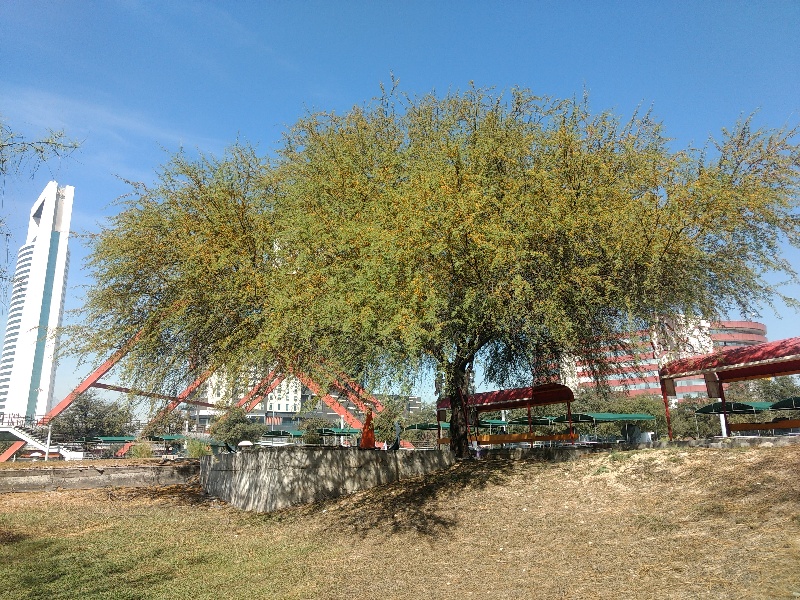
What is the Anacahuita Tree?
The Anacahuita tree, scientifically known as Cordia boissieri, is an emblematic species of the landscape of northeastern Mexico, especially recognized as a native tree of Monterrey. This beautiful plant is famous for its striking white blossoms that not only beautify the surroundings but also provide invaluable ecological value to the region. The Anacahuita belongs to the borage family (Boraginaceae) and is characterized by its drought resistance, adapting wonderfully to the arid and semi-arid climates typical of Nuevo León.

Ecological Importance of the Anacahuita
The desert candle tree is not only relevant for its beauty. Its ecological importance lies in several aspects that directly benefit the ecosystem of Nuevo León. Here we highlight a few:
- Refuge for biodiversity: The branches of the Mexican mesquite tree serve as a home for various species of birds and small mammals, as well as providing a resting and feeding site for pollinators such as bees and butterflies, thanks to its Mexican mesquite flowers.
- Contribution to pollination: The spectacular flowering of the anacahuita plays a crucial role in pollination and other endemic plants of Nuevo León, thus ensuring the reproduction of various plant species in the region.
- Combats soil erosion: The root system of the Mexican ash tree significantly helps prevent soil erosion, especially in areas prone to drought where this phenomenon is a constant concern.
- Air quality improvement: Like all plants, the anacahuita plays an important role in purifying the air, transforming CO2 into oxygen and thereby contributing to a healthier environment.
This green gem of Monterrey not only beautifies the landscapes but is also fundamental for the ecological balance and health of the region, making its conservation a priority for local communities and environmental preservation initiatives.

Botanical Characteristics of the Anacahuita
The Leaves of the Anacahuita
The leaves of the anacahuita are a fascinating hallmark of this species, with their soft texture and deep green color that catches the eye. They are broad, oval to oblong, and usually measure between 7 and 15 cm long. A notable feature is their entire margin, which contributes to the plant’s simple yet beautiful aesthetic. Additionally, the leaves of the anacahuita play a crucial role in the process of photosynthesis, capturing sunlight to convert it into vital energy for the tree and releasing oxygen into the environment.

The Trunk and the Bark
The trunk of the Mexican ash (Fraxinus uhdei) is as resilient as it is elegant. With a height that can range between 13 and 20 feet under optimal conditions, its trunk stands as a pillar of strength. The bark, in turn, appears in shades ranging from gray to brown, with a rough texture that cracks over time, giving the tree a majestic and robust appearance. This bark is not only a protective shield against harsh environmental conditions but also serves as a refuge for small organisms, contributing to local biodiversity.

The Roots of the Anacahuita Tree
The roots of the anacahuita play a vital role in the survival and stability of the tree, especially in the dry and semi-arid soils where this species thrives. They are designed to seek water deeply, allowing the anacahuita to withstand prolonged periods of drought. Additionally, the root system of the anacahuita helps maintain soil integrity, preventing erosion and improving ecosystem health. Its ability to adapt and survive in harsh conditions is a testament to the resilience of this species, making it an invaluable component of its natural habitat.

The Blooming of the Soapberry Tree
Anacahuita Flowers: Description and Beauty
The blooming of the anacahuita tree is an impressive natural spectacle, characterized by its pure and radiant white flowers. Each flower, approximately 3 to 5 cm in diameter, features five delicate petals surrounding a bright yellow center, creating a charming visual contrast against the dark green foliage. These flowers not only beautify the landscape but also emit a soft and pleasant fragrance, attracting a variety of pollinators. The flowering primarily occurs during the spring and summer months, transforming natural and urban spaces with its unique beauty.

Pollination of the Anacahuita
The pollination of the white brasil is a vital process both for the reproduction of the plant and for the health of the surrounding ecosystem. Its flowers act as a magnet for bees, butterflies, and other pollinating insects that, while visiting them in search of nectar, inadvertently transfer pollen from one flower to another. This exchange facilitates fertilization and, consequently, fruit production. Effective pollination ensures not only the perpetuation of the white brasil species but also that of other endemic plants of Nuevo León, contributing to the biodiversity and ecological stability of the region.
Fruits of the Anacahuita Tree
Characteristics of Wild Tamarind Fruits
After flowering, the anacahuita tree produces fruits that are as interesting as its flowers. These small, oval-shaped fruits mature to a color ranging from yellow to bright orange, adding an extra visual appeal to the tree. Each fruit contains seeds that play a crucial role in the species’ dispersal, with the help of birds and other animals that feed on them and subsequently spread the seeds to different locations.

Uses and Benefits of Fruits
The fruits of the Mexican buckeye, besides their ecological role, have practical applications. In some local cultures, they are used in traditional cooking to make jams, jellies, and other desserts, taking advantage of their sweet flavor and unique texture. This practice not only highlights the culinary versatility of the fruits but also promotes the conservation of the species through the sustainable use of its resources.
Medicinal Properties of Anacahuita
Beyond its beauty and culinary uses, the anacahuita is valued for its medicinal properties. Traditionally, it has been used in folk medicine to treat a variety of ailments, including respiratory and skin problems. Studies have begun to scientifically explore these properties, attributing them mainly to the antioxidant and anti-inflammatory compounds present in the tree’s leaves and fruits. This research highlights the importance of preserving the anacahuita and other endemic plants of Nuevo León, not only for their ecological value but also for their therapeutic potential.
Toxic Parts and Precautions
Although the Texas ebony tree is widely recognized for its benefits and uses, it is important to keep in mind that some parts of the plant can be toxic if ingested in large quantities. Specifically, the seeds contained inside the fruits may contain toxins that are harmful to humans and animals if consumed without proper processing. Caution is advised, and it is essential to consult with experts or reliable sources before using any part of the tree for medicinal or culinary purposes. Information and education about the proper handling of the Texas ebony are crucial to avoid health risks.

What is the Mexican Buckeye Good For?
The white ebony tree serves a wide variety of purposes, standing out not only for its ornamental beauty but also for its versatility in practical and medicinal applications. Among its most notable uses are:
- Ornamental: Thanks to its aesthetics and blooming, it is ideal for beautifying parks, gardens, and public spaces.
- Medicinal: Used in traditional medicine to relieve respiratory and skin conditions, thanks to its anti-inflammatory and antioxidant properties.
- Habitat for wildlife: Its branches and foliage provide shelter and food for birds and squirrels, promoting biodiversity in the environment.
- Ecological balance: It contributes to the balance of local ecosystems by actively participating in pollination and providing oxygen.
- Protection against heat: Its leafy canopy provides generous shade, essential for combating intense heat in urban and rural areas, especially in Monterrey where temperatures can be very high.
- Food: Although caution is necessary due to toxic parts, the fruits can be used in making jams and jellies after proper processing.
- Environmental education: Serves as an educational resource to teach about native flora and the importance of conserving endemic species.

The Mexican Buckeye tree, with its wide range of uses, is a natural treasure that offers multiple benefits both for the environment and for the communities that live alongside this species. Its conservation is essential to maintaining healthy ecosystems and promoting a sustainable future.
Conservation and Cultivation of the Anacahuita Tree
Tips for Growing the Anacahuite
The cultivation and conservation of the tarahumara alder are essential to ensure its survival and enjoy its benefits. Here are some tips for those interested in cultivating this species:
- Choose a site with full sun, as the Mexican Hickory thrives best under direct sunlight.
- Ensure good drainage in the soil, as although it is drought-tolerant, it does not tolerate waterlogging.
- Maintain moderate watering, especially during the driest months, to support the tree’s optimal growth.
- Perform occasional pruning to shape the tree and encourage healthy growth.
- Protect the young tree from frost by covering it or providing some form of physical barrier during the coldest months.
Incorporating these practices will not only promote the healthy and robust development of the Mexican tallow tree but also contribute to its preservation for future generations, ensuring that this species remains a valuable part of the ecosystem and the natural heritage of the region.
Endemic Plants of Nuevo León and Their Relationship with the Anacahuita
Nuevo León hosts a rich diversity of endemic plants, many of which coexist and mutually benefit with the Texas Ebony. These ecological relationships range from shared pollination to the creation of microhabitats that favor the germination and growth of young plants.
The anacahuita, with its ability to adapt and thrive in the semi-arid climate of Nuevo León, serves as a vital example of resilience and adaptation, offering lessons on the conservation of other plant species in areas with similar climatic conditions. Its presence indicates a healthy and resilient ecosystem, capable of sustaining and promoting biological diversity.
Some of the endemic plants of Nuevo León that share traits of resilience and adaptability with the anacahuita include:
- Leucophyllum frutescens (Texas Sage): Known for its drought resistance and showy blooms that attract pollinators.
- Agave lechuguilla: A plant adapted to arid soils, crucial for desert biodiversity and with various traditional uses.
- Dasylirion wheeleri (Sotol): Resistant to extreme conditions, it is essential for local wildlife and holds cultural significance.
- Yucca filifera (Spanish Dagger): It stands out for its adaptability to poor soils and its ability to store water, similar to the littleleaf sumac.
- Opuntia spp. (Nopales): With a wide distribution in the state, they play an important role in the diet of local wildlife and in preventing soil erosion.
These species, along with the Chittamwood, are an essential part of the natural wealth of Nuevo León. Their conservation is vital to maintaining the health of the ecosystem, biodiversity, and the cultural identity of the region.

Conclusions: The Importance of Preserving the Anacahuita
The preservation of the anacahuita tree is of utmost importance for the ecosystem of Nuevo León and for promoting ecological awareness among local and international communities. Through its ornamental beauty, medicinal benefits, contribution to biodiversity, and role in environmental education, the anacahuita stands as a symbol of the region’s natural wealth and a reminder of our collective responsibility toward environmental conservation.
Safeguarding this native tree and other endemic species is crucial for maintaining ecological balance, ensuring that future generations can enjoy and learn from nature at its fullest. The anacahuita not only enriches our landscape but also strengthens the fabric of our global ecology, emphasizing the need to act with diligence and commitment in protecting our planet.