
Introduction to the World of Acacia
Welcome to a fascinating journey through the world of the acacia, a genus of trees and shrubs that impress not only with their resilience and beauty but also with their incredible adaptability and the deep ecological relationship they establish with their environment. This journey will explore not only the unique features that make the acacia such a special plant but also its importance within the ecosystems it inhabits.
Origins and Geographic Distribution
The genus Acacia includes more than 1,200 species spread across the world, predominantly in tropical and subtropical climate regions. Originally associated with the African continent, where some of the most iconic species are found such as Acacia senegal and Acacia seyal, acacias have spread to territories in Australia, America, Asia, and even the Mediterranean region.
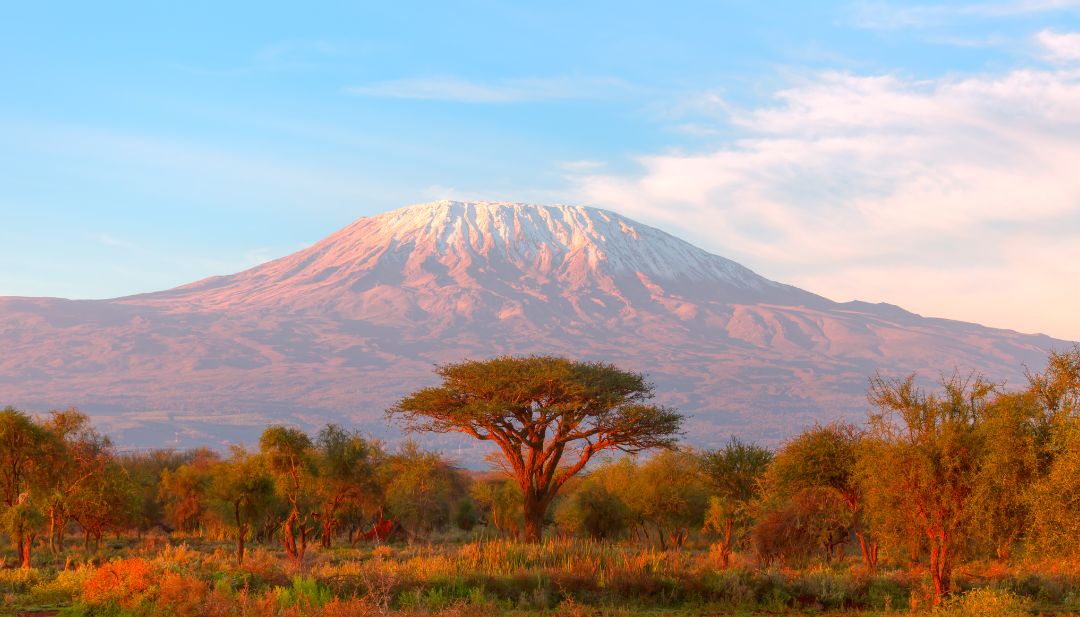
The geographic distribution of acacia is as varied as the species themselves, adapting to a wide range of environmental conditions, from arid deserts to humid rainforests. In Australia, for example, acacias are such a prevalent element in the landscape that the country has adopted Acacia pycnantha, commonly known as the golden wattle, as its national flower.
This adaptability not only demonstrates the robustness of acacias but also their ecological importance, acting as key species in many of the habitats where they are found. The ability of these plants to thrive in diverse conditions makes them fundamental in soil conservation, water regulation, and as shelter for many animal species.
Join us on this journey to discover more about these fascinating plants, their biology, and the crucial role they play in their ecosystems.
Unique Characteristics of the Acacia
Acacia is distinguished by a series of exceptional traits that allow it to adapt and thrive in often challenging environments. From its leaves to its roots, every aspect of this plant reveals a fascinating story of evolution and adaptation.
The Leaves of the Acacia: Surprising Adaptations
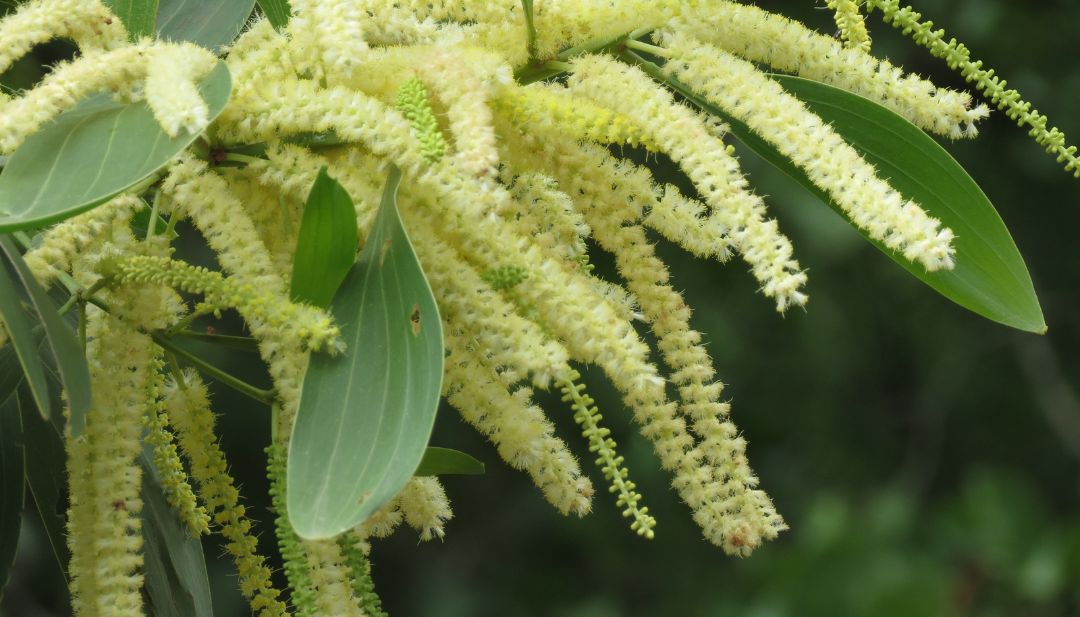
The leaves of the acacia are a true testament to its ability to adapt to its environment. Many species of acacia have developed small leaves or phyllodes, which are actually flattened stems that perform the function of leaves. This adaptation reduces water loss in arid and hot climates, allowing the acacia to thrive where other plants could not. Additionally, the leaves of some acacia species contain chemicals that deter herbivores, protecting the tree from being eaten.
The Acacia Trunk: Strength and Resilience
The trunk of the acacia is another element of admiration, characterized by its robustness and ability to withstand extreme conditions. In many species, the bark of the trunk is thick and rough, offering protection against forest fires, pests, and diseases. This natural design not only safeguards the life of the tree, but also serves as a habitat for various species, contributing to the biodiversity of the ecosystem.
The Roots of the Acacia: A Network of Life
The roots of the acacia form a complex underground network that plays a crucial role in its survival and that of the surrounding ecosystem. Many species of acacia have deep roots that seek water in underground layers, allowing them to survive in drought conditions. Additionally, the roots of acacia often form symbiotic associations with nitrogen-fixing bacteria, enriching the soil with essential nutrients and benefiting other plants in the community.
Each of these aspects —from the leaves to the roots— highlights the incredible adaptability of the acacia and its integral role in maintaining the health and diversity of the ecosystems where it thrives.
Varieties of Acacia
The genus Acacia encompasses a wide diversity, ranging from imposing trees to sturdy shrubs. Their adaptability has allowed them to colonize a vast range of habitats, providing both ecological and ornamental value.
Acacia Trees Versus Acacia Shrubs
The distinction between trees and shrubs in the world of acacias is based on characteristics such as height, branching structure, and environmental adaptations. While trees tend to reach for the sky, shrubs prefer a more modest existence that is no less vital.
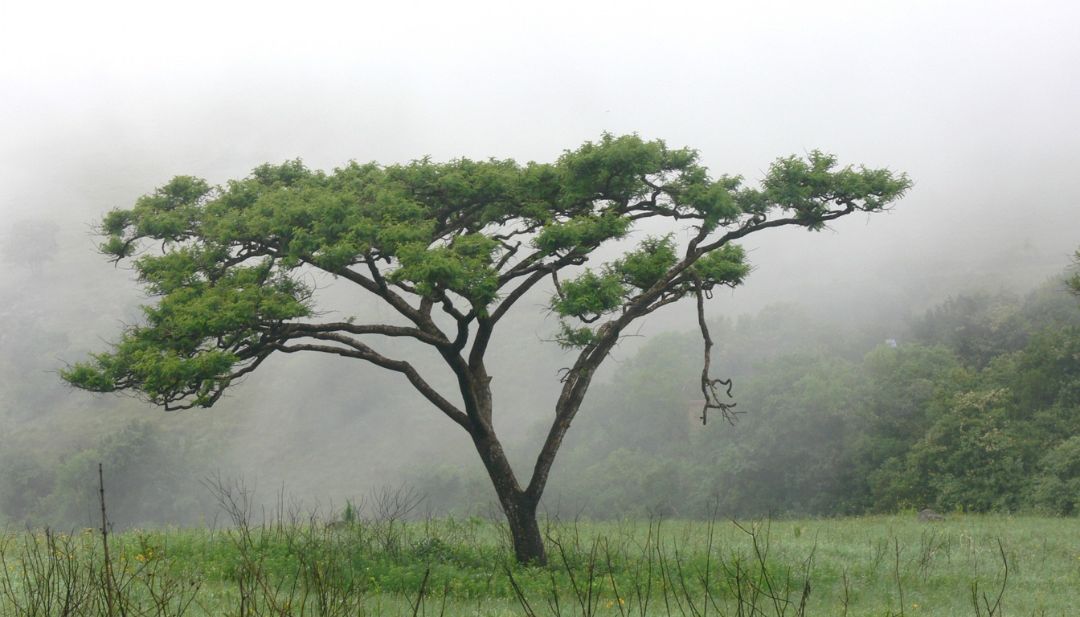
- The acacia trees are characterized by their elegant stature, reaching heights that can exceed 65 feet. They are pillars of their ecosystems, providing shade and habitat to diverse forms of life.
- The acacia shrubs, on the other hand, usually have a shorter stature and greater density, adapted to optimize survival in drier conditions or to act as natural barriers against wind and erosion.
Featured Acacia Species
Within the rich biodiversity of the Acacia genus, some species stand out for their unique characteristics and their ecological or cultural significance.
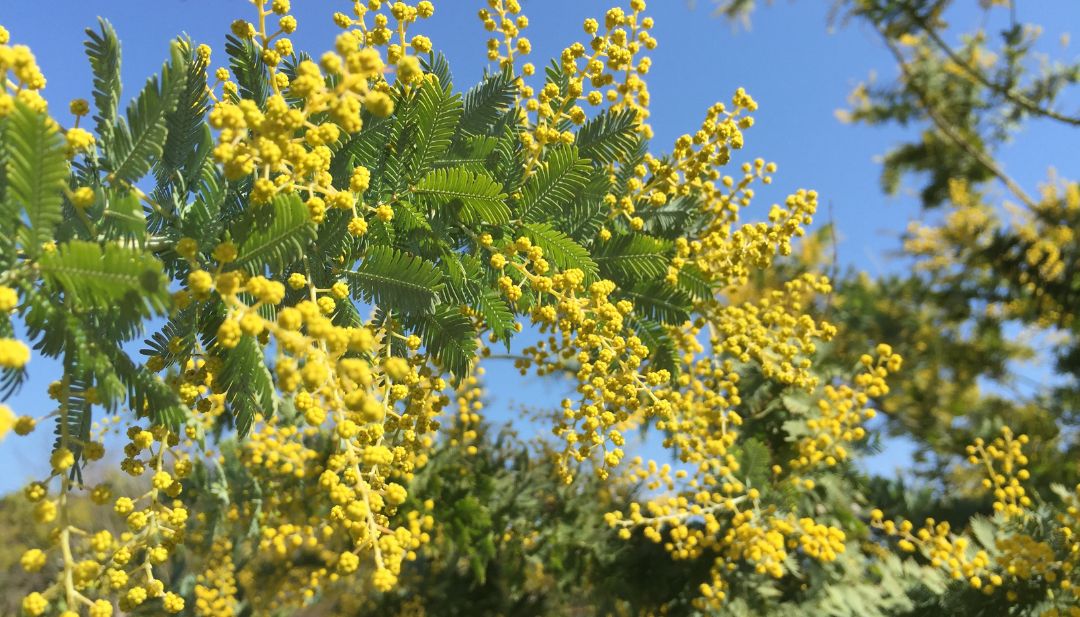
- Acacia pycnantha, known as the golden wattle, is admired for its lush yellow flowers and is the national flower of Australia.
- Acacia senegal is valued for its gum arabic, a product of global economic importance used in food, cosmetics, and as a stabilizing agent.
- Acacia dealbata, or silver wattle, is renowned for its attractive flowers and its ability to adapt to different climate conditions, making it a favorite in ornamental gardening.
- Acacia mangium: Known for its rapid growth, this species is widely used in reforestation programs and as a source of timber and pulp.
- Acacia auriculiformis: Valued for its wood and its ability to fix nitrogen, it improves the soil fertility where it grows, contributing to the restoration of degraded lands.
- Acacia nilotica (also known as gum arabic tree): Valued for its hard wood and gum arabic production, this species also has traditional medicinal properties.
- Blackwood Acacia (also known as Australian Blackwood): It is an important source of fine wood, used in furniture making and carpentry.
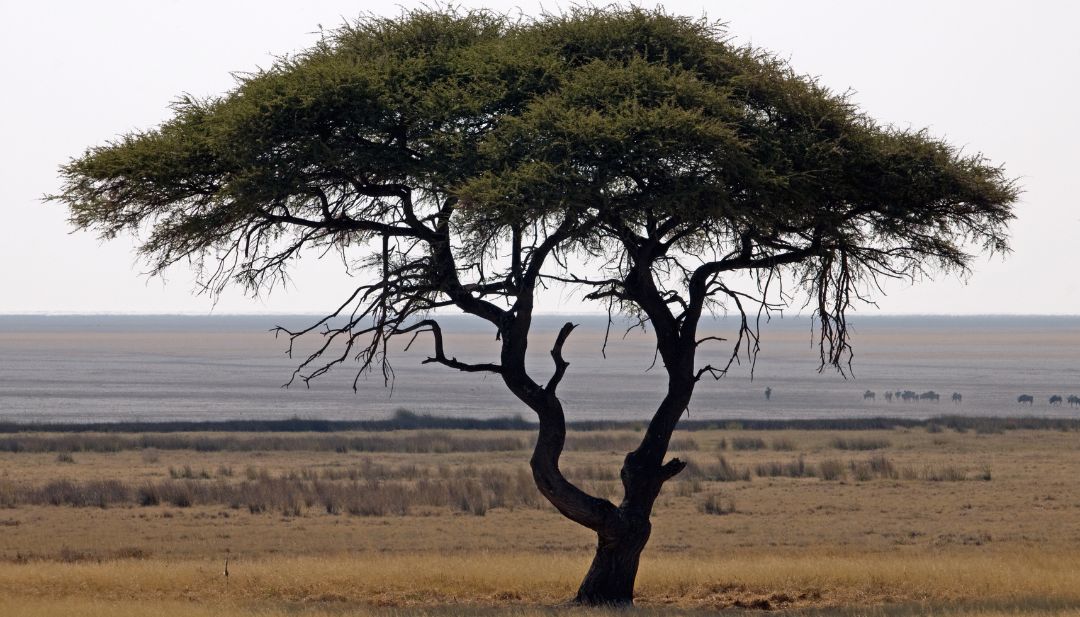
- Acacia tortilis (also known as umbrella thorn acacia or dumlu tree): Noted for its resilience to extremely arid conditions, this species is crucial for the survival of wildlife in African deserts.
- Koa (Acacia koa): Endemic to Hawaii, this species is prized for its high-quality wood, used in the making of musical instruments and fine furniture.
- Acacia catechu (also known as khair or cutch tree): Famous for its extract, cutch, used in medicine, dye, and the leather industry.
- Acacia saligna (also known as blue wattle or narrow-leaf acacia): This species is used in soil stabilization programs and as a forage source for livestock.
These variations in shape, size, and function illustrate the versatility and richness of the genus Acacia, highlighting its importance in natural ecosystems and its value to humanity.
The Ecological Importance of the Acacia
Acacias are not only notable for their beauty and usefulness but also for their crucial ecological role in the ecosystems where they are found. Their presence fosters a complex network of symbiotic relationships and contributes significantly to environmental conservation.
Acacia in Its Ecosystem: Symbiotic Relationships
Acacia species play a vital role in creating and maintaining healthy habitats through their interactions with other organisms. One of their most well-known symbiotic relationships is with various species of nitrogen-fixing bacteria. These bacteria, housed in nodules on the roots of acacias, convert atmospheric nitrogen into a form that the plant (and surrounding plants) can use, thereby enriching the soil and promoting a healthier ecosystem.
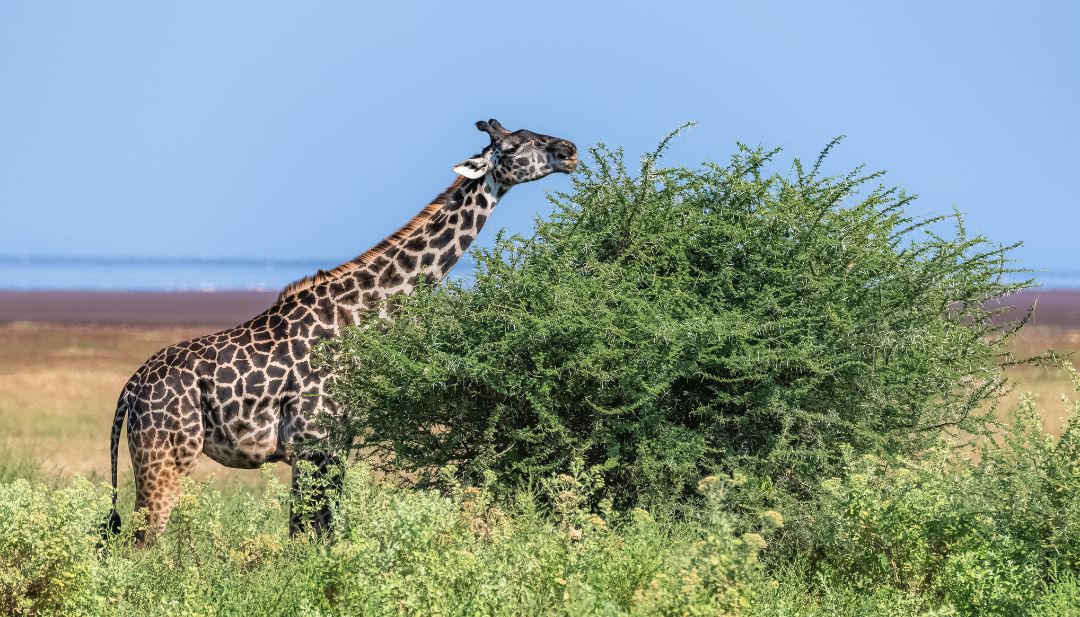
Furthermore, acacias offer shelter and food to a wide range of animals, from insects to large mammals. In Africa, for example, the umbrella thorn acacia is essential for elephants and giraffes, which feed on its leaves and fruits. Acacias are also part of the diet of numerous birds, which in turn contribute to the dispersal of their seeds, facilitating the regeneration and expansion of these plant species.
The Sweet Connection: Acacia Honey and its Meaningful Impact
Acacias not only play a crucial role in the ecological balance of their habitats but are also key players in the production of one of the most prized honeys worldwide: acacia honey. This honey is distinguished by its light, almost transparent color, and its delicate sweet flavor, which retains the subtle floral notes of acacia blossoms. Its slow crystallization allows it to be enjoyed in liquid form for a longer time, making it a favorite among consumers and a highly valued gourmet product.
Beyond its exquisite flavor, acacia honey is recognized for its beneficial health properties. It is attributed with calming effects, ideal for relieving stress and promoting a good night’s rest. Additionally, its antioxidant content helps strengthen the immune system, while its ability to act as a natural sweetener makes it a preferred choice for those seeking healthier alternatives.
Conservation of Acacias: Challenges and Solutions
Despite their resilience and adaptability, many Acacia species face threats due to deforestation, climate change, and overexploitation. Habitat loss not only endangers these plant species but also the multitude of organisms that depend on them for survival.
To counteract these threats, conservation initiatives are being implemented that include reforestation with native acacia species and the protection of areas where these species are essential for ecosystem health. Environmental education plays a crucial role, raising awareness about the importance of acacias and promoting sustainable practices that help preserve these valuable ecosystems for future generations.
Conclusion: The Acacia and Its Role in Ecological Awareness
The genus Acacia exemplifies the interconnectedness of life on our planet, highlighting how a single species can influence the health and biodiversity of an entire ecosystem. Through its adaptability, symbiotic relationships, and contribution to soil and water conservation, acacias teach us about resilience and interdependence in nature.
Fostering the conservation of acacias and understanding their ecological role is essential to advancing greater ecological awareness. By protecting these species and their habitats, we are investing in the health of our planet and ensuring a greener, more sustainable future for all.
