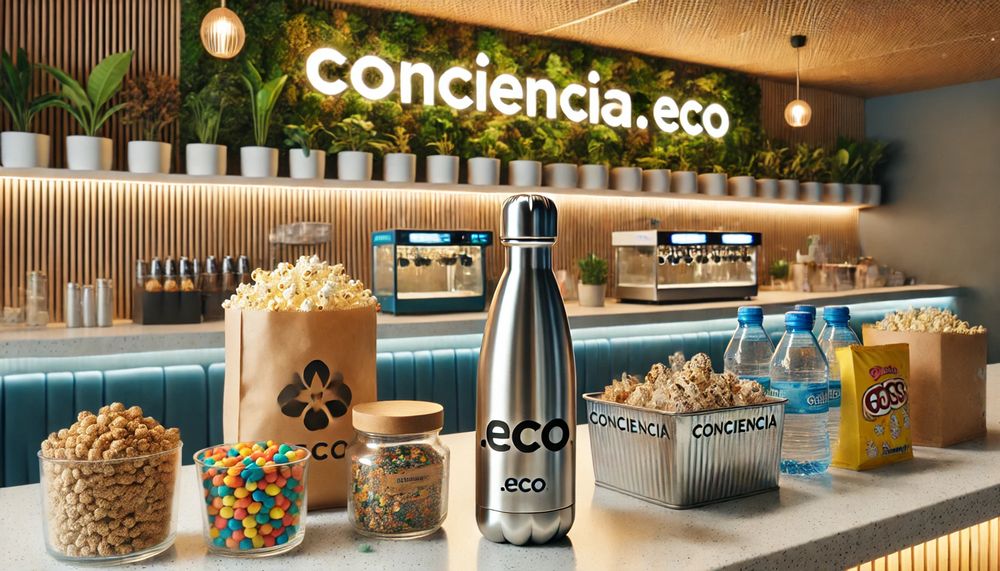
Grocery shopping is a daily activity that can have a significant impact on the environment if not done consciously. With small changes in your daily habits, you can turn this task into an opportunity to protect the planet. Here we share with you 10 practical and simple ways to shop more sustainably and responsibly.
1. Always Carry Reusable Bags With You

Using reusable bags is a simple way to reduce plastic consumption. These bags are stronger, more durable, and prevent you from using single-use bags that end up polluting the environment. Always carrying a reusable bag in your backpack or car will help you be prepared for any unexpected purchase.
2. Buy Bulk Products and Reduce Packaging
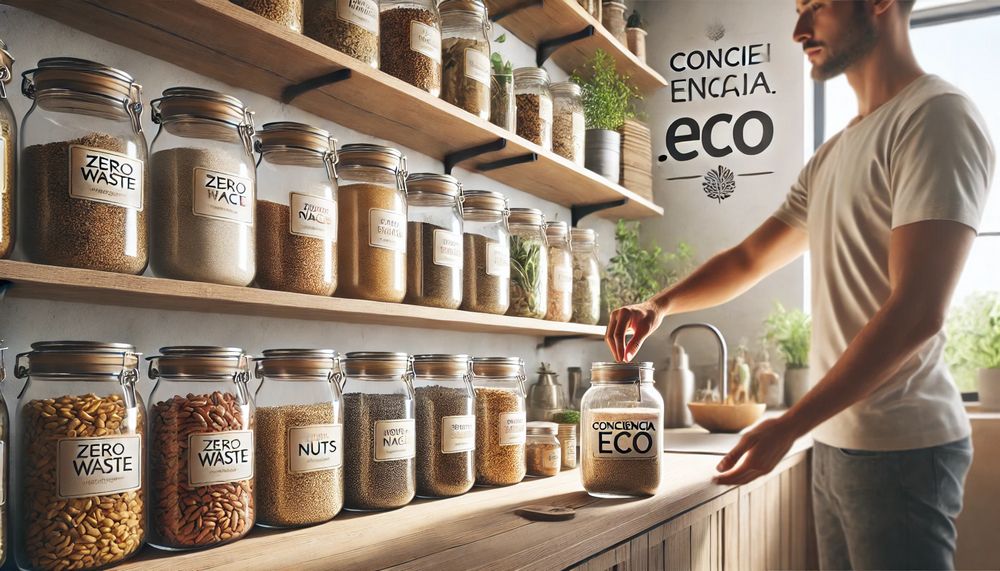
Bulk products are not only usually more economical, but they also help reduce the use of unnecessary packaging. Bring your own jars or cloth bags to purchase foods like grains, nuts, or spices. Reducing packaging is a direct action to prevent the generation of plastic waste.
3. Prioritize Seasonal Foods
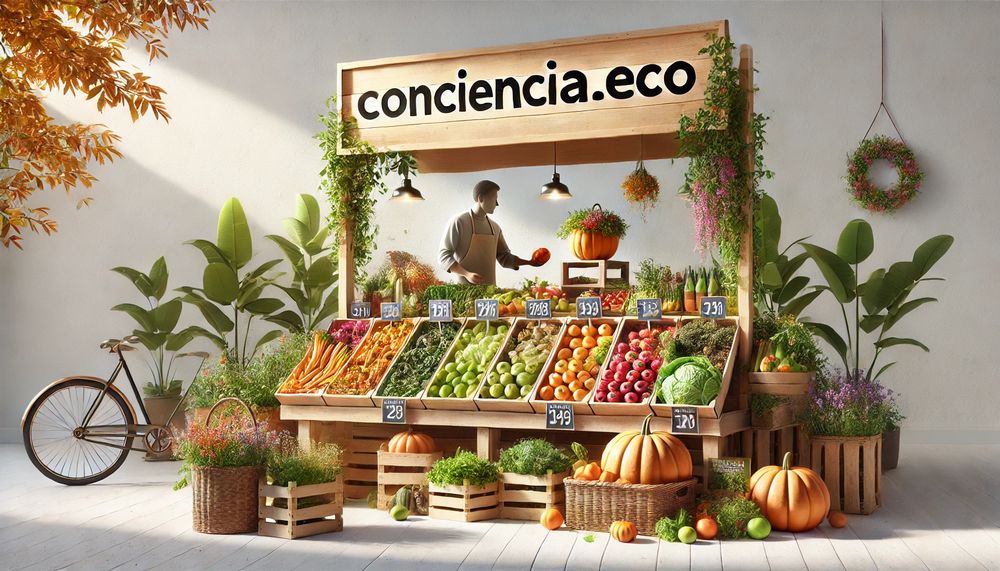
Buying seasonal foods is beneficial for both your health and the environment. These products require less energy for cultivation and transportation since they do not come from distant places. Additionally, their flavor and freshness are usually superior, and you support the local economy by purchasing them.
4. Choose Brands Committed to the Environment
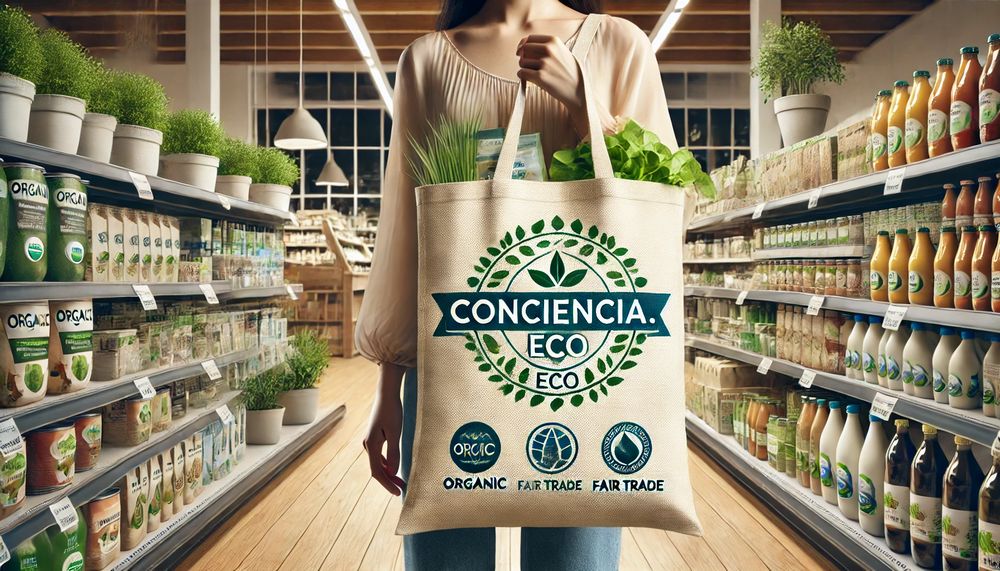
Nowadays, many brands are adopting sustainable practices. Research which ones are the most environmentally responsible and prioritize their products. Look for certifications like “organic,” “cruelty-free,” or “fair trade” to ensure you support ethical and committed companies.
5. Choose Recyclable or Compostable Packaging
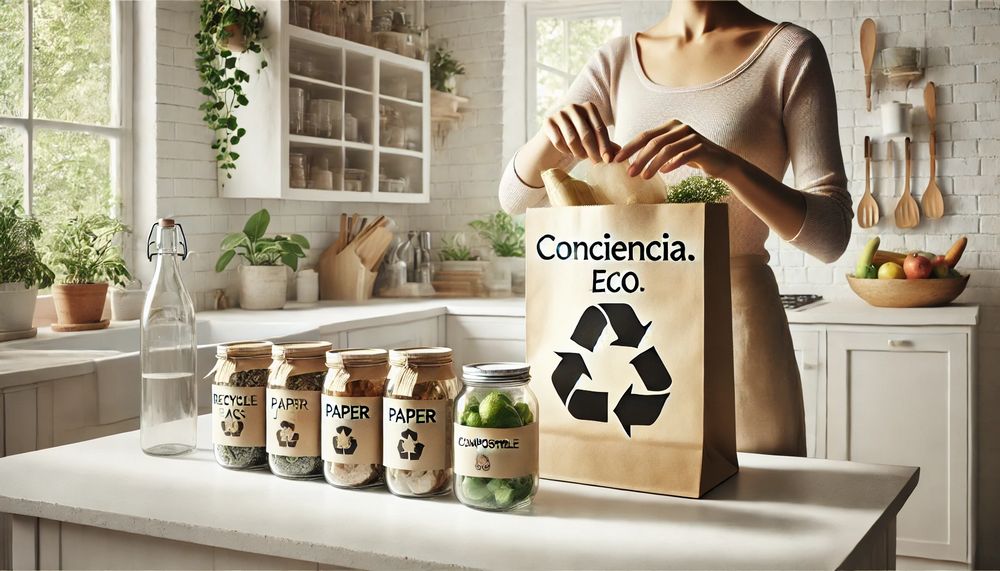
When you can’t avoid packaging, choose those that are recyclable or compostable. Glass, paper, and some biodegradable plastics are more eco-friendly options. Checking the labels will help you identify these materials and make better choices when shopping.
6. Support Local Markets and Small Producers
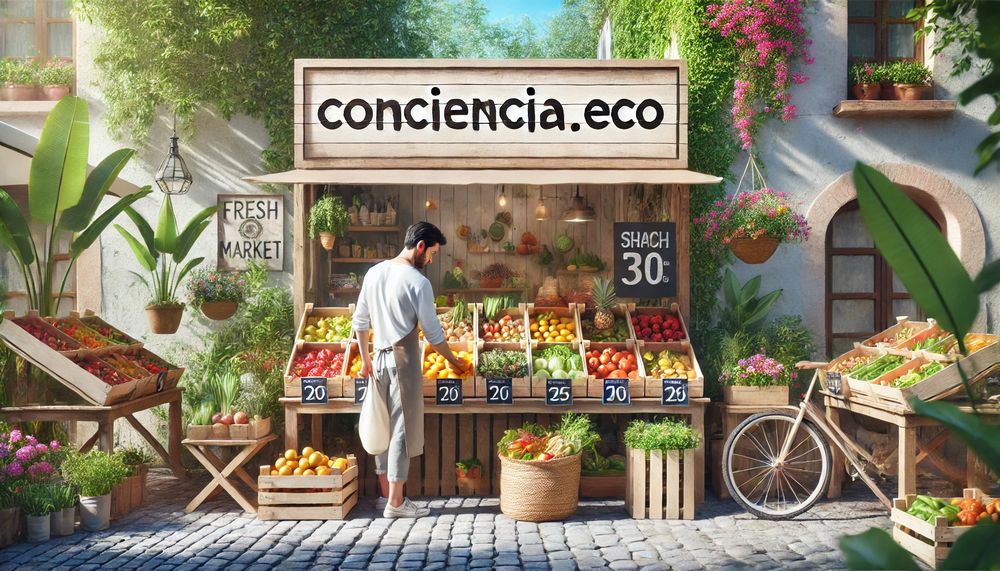
Buying at local markets is an excellent way to reduce the carbon footprint associated with product transportation. Additionally, you support small producers who often use more sustainable methods. Local products are not only fresher, but they also strengthen your community’s economy.
7. Buy Only What You Need to Avoid Waste
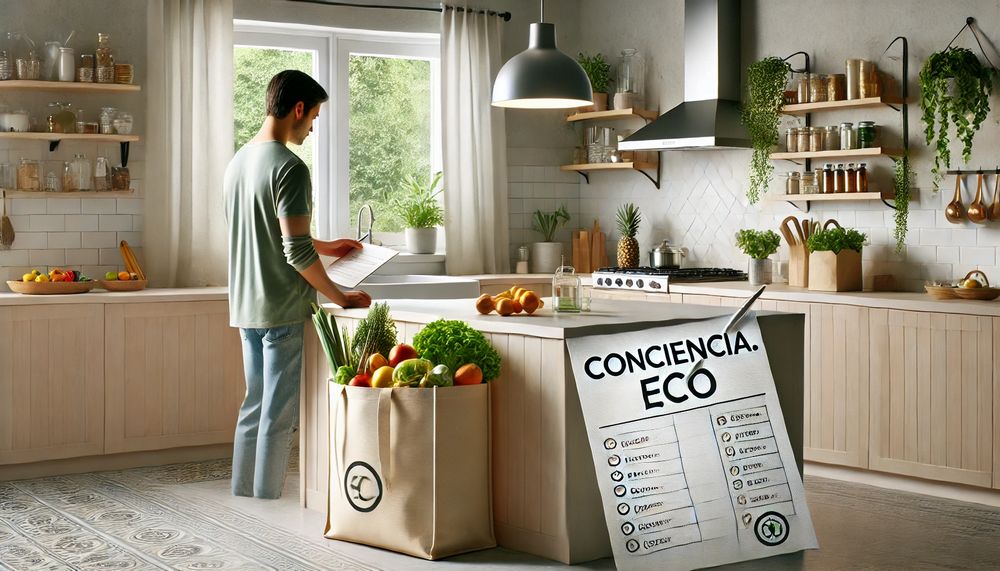
Plan your purchases and avoid buying more than you really need. This will help you reduce food waste and save money. Making a shopping list before going to the supermarket is a simple strategy to stay in control and avoid impulsive buys.
8. Bring Your Own Containers for Perishable Products
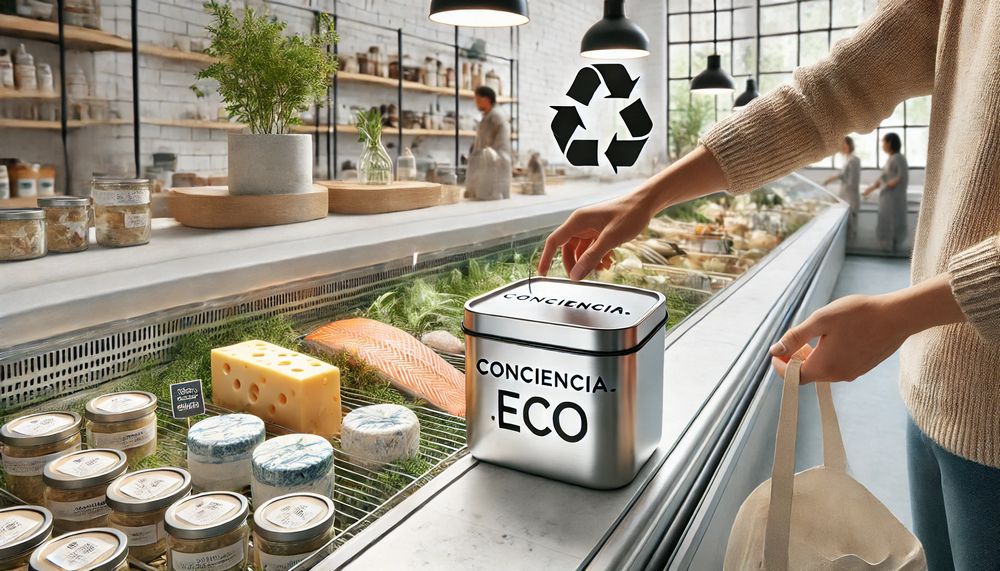
In many places, you can bring your own containers to buy fresh foods like meat, fish, or cheeses. This not only reduces plastic use, but also allows you to better control the quantity you need, avoiding waste.
9. Prefer Organic and Pesticide-Free Products
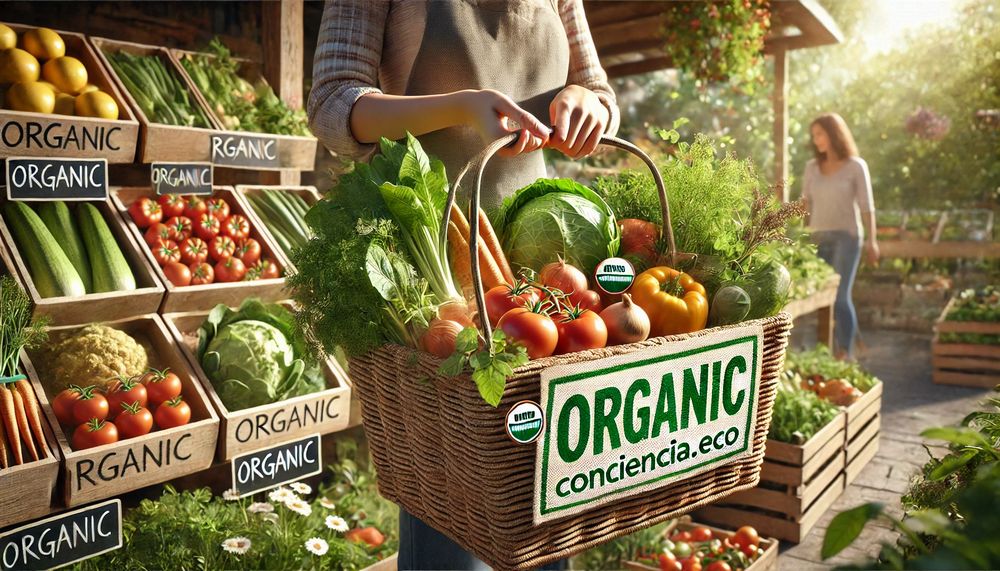
Organic products are not only better for your health but also protect soils and biodiversity by avoiding the use of pesticides and chemical fertilizers. Choosing organic options contributes to caring for the planet and promotes healthier eating.
10. Walk, Use a Bicycle, or Public Transportation for Shopping
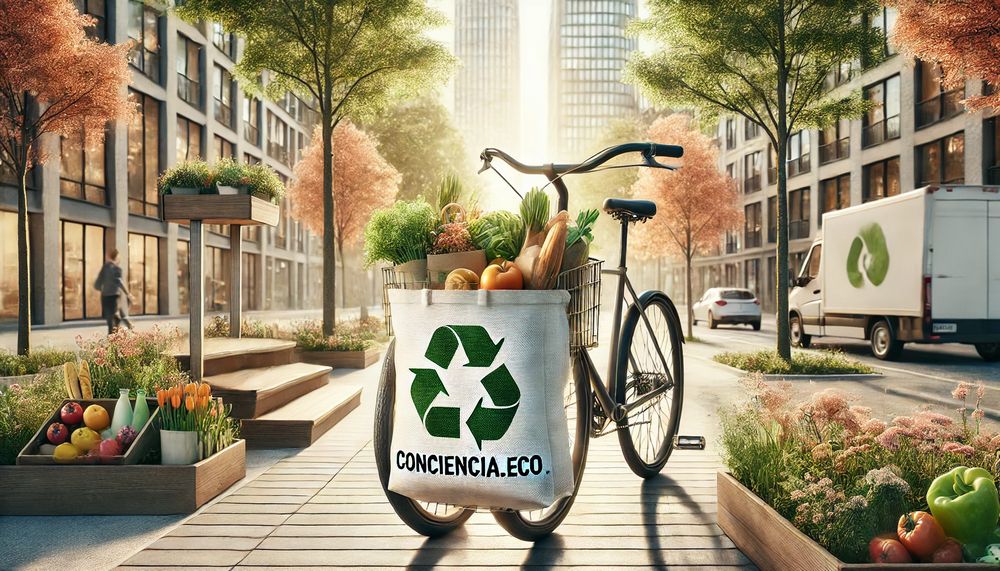
Reduce your carbon footprint by choosing sustainable transportation for grocery shopping. If you live near your market or supermarket, walking or biking is ideal. Small changes in your daily mobility can make a big difference in reducing pollutant emissions.
Benefits of Consuming Local and Seasonal Products
- Carbon footprint reduction: Local products require less transportation, which decreases greenhouse gas emissions.
- Support for the local economy: By buying from small producers, you promote the economic growth of your community.
- Greater Freshness and Quality: Seasonal foods are usually fresher and more nutritious because they spend less time in storage.
- Promotion of sustainability: Seasonal crops require fewer resources such as water and energy, reducing their environmental impact.
- Connection with the environment: Choosing local and seasonal products allows you to learn more about the foods available in your region.
Data on Consumption and the Environment
| Fact | Environmental Impact |
|---|---|
| More than 1 million plastic bags are used worldwide every minute | These bags take between 100 and 500 years to decompose, polluting oceans and soils. |
| 30% of the food produced globally is wasted | This waste generates 8% of greenhouse gas emissions. |
| Buying local products can reduce CO₂ emissions by up to 20% | This is due to the shorter distance food travels from its source to your table. |
| Only 9% of plastics produced are recycled globally | The rest ends up in landfills, oceans, and ecosystems, impacting biodiversity. |
| Food transportation generates 6% of global CO₂ emissions | Choosing local and seasonal products significantly reduces these emissions. |
Impact of Food Waste on the Environment
Food waste is one of the leading causes of climate change, as it significantly contributes to greenhouse gas emissions. Discarded food not only represents a loss of resources such as water, energy, and land but also generates methane as it decomposes in landfills. Combating this issue starts with small actions, such as buying only what is necessary and making the most of every food item.
In conclusion, shopping sustainably is not only beneficial for the environment but also for your health and your finances. Every conscious choice you make has the power to create a positive impact. Start today by applying these ideas to your next purchase and be part of the change toward a greener future. The planet will thank you!