Shopping online has become a daily activity for many people, but we rarely consider the environmental impact it creates. From transportation to packaging, our choices can make a difference. Here are **10 practical and effective ways** to reduce your carbon footprint while shopping online.
1. Shop at Stores That Offer Sustainable Shipping

Many online stores are adopting sustainable shipping options, such as recyclable packaging or low-impact transportation methods. Choosing these stores not only reduces pollution but also promotes responsible business practices. Research and choose companies that prioritize caring for the planet in their operations.
2. Group Your Purchases to Reduce Shipping

Each individual shipment generates carbon emissions, increasing the environmental impact of your purchases. Grouping your orders into a single shipment is a simple way to minimize these emissions. Plan your purchases carefully to avoid multiple deliveries and help improve the efficiency of shipping companies.
3. Choose Products with Biodegradable or Reusable Packaging
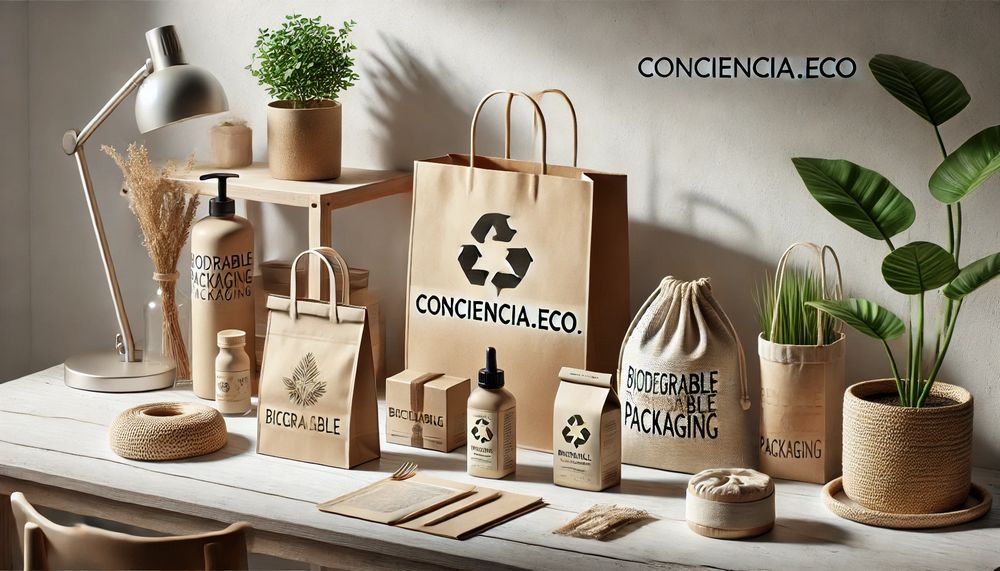
Packaging is one of the main sources of waste in e-commerce. By choosing products that use biodegradable or reusable packaging, you reduce the environmental impact of your purchases. Avoiding single-use plastics helps reduce pollution and promotes a more sustainable consumption model.
4. Prioritize Local Products to Reduce Transportation Distances
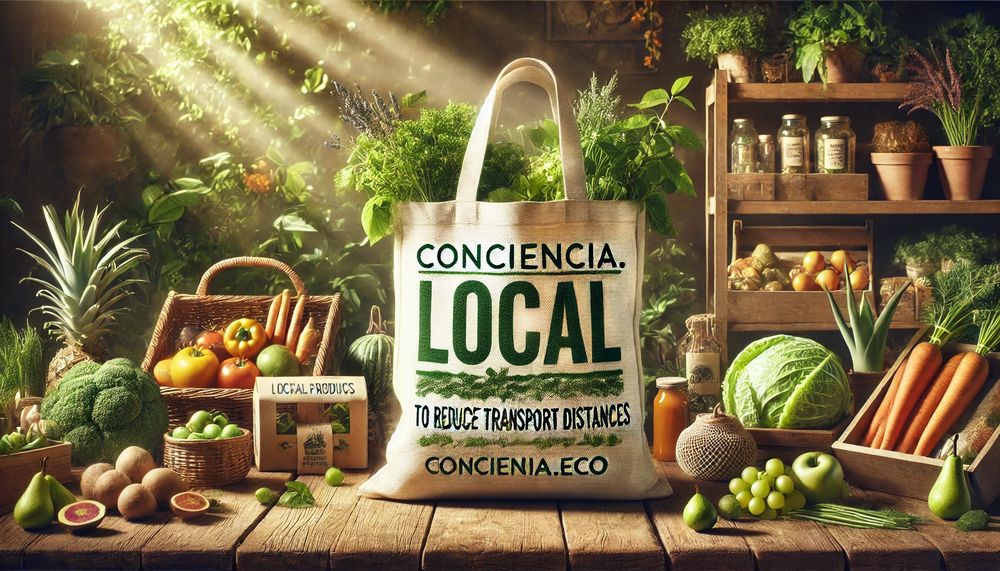
Local products not only support nearby businesses, but they also significantly reduce emissions associated with long-distance transportation. Choosing local products is an effective way to minimize your carbon footprint and strengthen your community’s economy.
5. Look for Stores That Use Renewable Energy

Many companies are starting to use renewable energy in their warehouses and distribution centers. By choosing stores that use clean energy sources, you contribute to the development of more sustainable commerce. Supporting these initiatives encourages the use of responsible energy and reduces the environmental impact of your purchases.
6. Avoid Using Express Shipping Whenever Possible

Express shipping often generates a greater environmental impact because it requires faster and less efficient transportation. Choosing standard delivery times allows companies to group orders and optimize routes, thereby reducing the carbon emissions generated by each delivery.
7. Review the Companies’ Sustainability Policy

Many online stores have sustainability policies that outline their efforts to reduce environmental impact. Before buying, research whether the company uses responsible practices, such as renewable energy or recycling programs. Choosing companies committed to the environment can make a big difference.
8. Buy Only What You Need to Avoid Waste
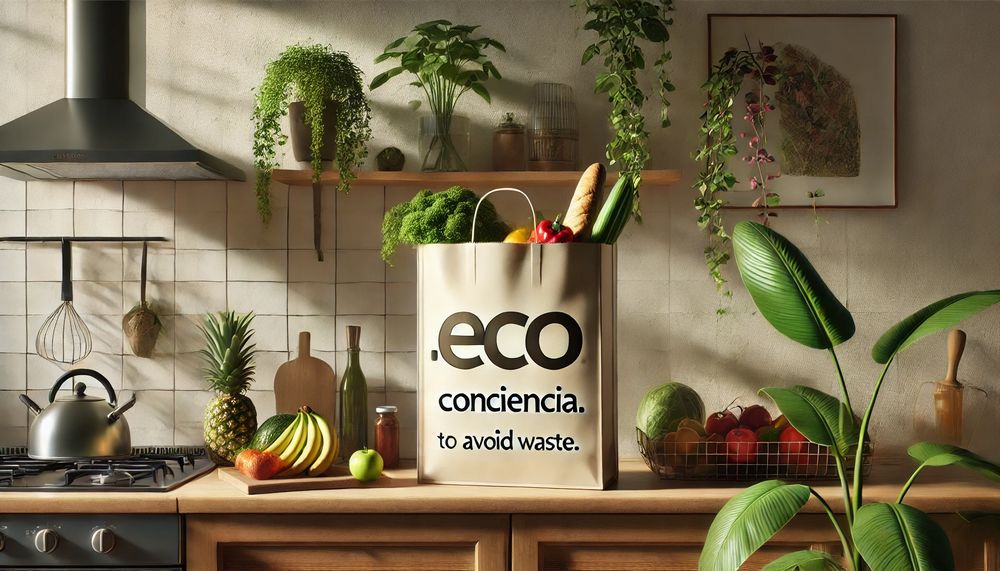
It’s easy to get carried away by promotions and buy more than you really need. This excess generates waste and increases the demand for transportation and packaging. Adopting conscious consumption helps you reduce your carbon footprint and contribute to a more sustainable consumption system.
9. Return Reusable Packaging or Participate in Recycling Programs
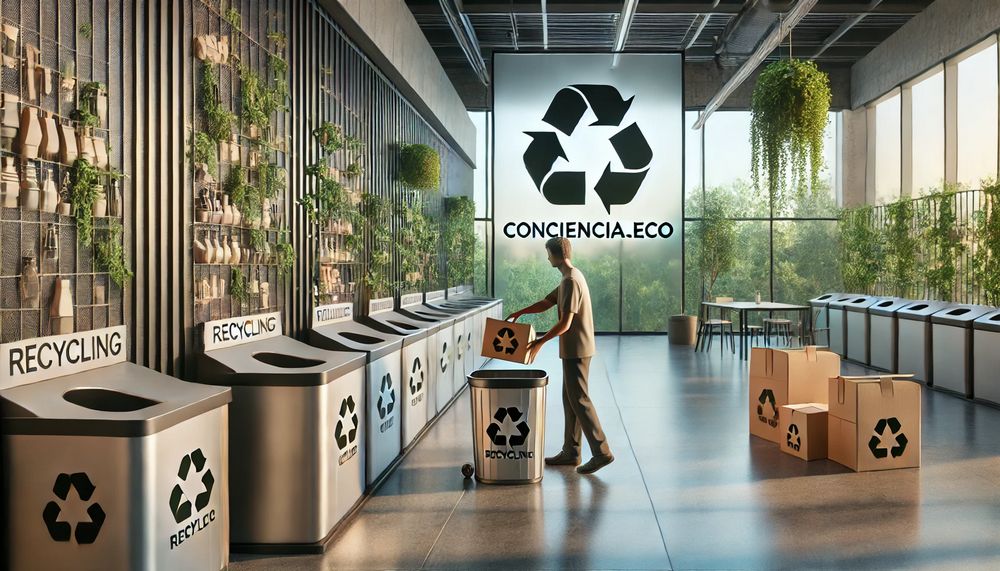
Some companies offer programs to return reusable or recyclable packaging. Participating in these initiatives ensures that the materials are properly processed and prevents them from ending up in landfills. Make sure to check if the online store offers these types of programs.
10. Support Businesses that Offset Their Carbon Emissions

Some stores offset their emissions by investing in sustainable projects such as reforestation or clean energy development. Shopping at businesses that take these actions promotes more responsible commerce and helps mitigate the environmental impact of e-commerce.
How Packaging Material Recycling Works
Recycling packaging materials is a process that allows resources to be reused and reduces waste ending up in landfills. Although not all materials are recyclable, many such as cardboard, paper, and certain types of plastic can be processed again if they are properly sorted and disposed of. Below, we offer some key tips for recycling the packaging from your online purchases:
- Cardboard and paper: Make sure to remove adhesive tape or labels before placing them in the recycling bin.
- Recyclable plastics: Look for the recycling symbol on the packaging to identify if it can be recycled and check local regulations for proper disposal.
- Reusable packaging: Save boxes and bags that can be useful for future uses instead of discarding them immediately.
- Avoid contamination: Do not mix recyclable materials with organic or dirty waste, as this can render them unusable for recycling.
Recycling properly not only reduces the amount of waste but also helps save energy and natural resources in the production of new products.
Tips for Identifying Companies Committed to the Environment
Choosing responsible companies is one of the best ways to support sustainability in online shopping. These companies implement policies and practices that reduce their environmental impact and promote conscious consumption. Here’s how to recognize them:
- Environmental certifications: Look for labels such as Carbon Neutral, FSC (Forest Stewardship Council), or tags indicating the use of sustainable materials.
- Transparency: Companies committed to sustainability often publish clear information about their sustainability policies on their websites.
- Recycling programs: Many stores offer services to return or recycle packaging, demonstrating their commitment to waste reduction.
- Compensation initiatives: Some companies invest in sustainable projects, such as reforestation or renewable energy, to offset their carbon emissions.
Environmental Impact of E-Commerce and How to Reduce It
| Appearance | Environmental Impact | How to Reduce It |
|---|---|---|
| Transportation | It accounts for 40% of carbon emissions in e-commerce due to the use of combustion vehicles. | Choose standard shipping instead of express and prioritize local products to reduce transportation distances. |
| Packaging | 30% of urban solid waste comes from packaging materials, especially plastics. | Choose products with recyclable or biodegradable packaging and reuse boxes and bags. |
| Energy Consumption | E-commerce platforms use data centers that consume large amounts of energy. | Shop at stores that use renewable energy in their operations and distribution centers. |
| Returns | Returns generate additional shipping and, in many cases, returned products are not reused. | Be sure to review carefully before purchasing to avoid unnecessary returns. |
| Excess Consumption | Increased shopping drives production and transportation, which raises carbon emissions. | Buy only what you need and avoid impulsive deals that encourage waste. |
With every purchase, you can send a message of support to responsible companies and encourage others to adopt sustainable practices.
Conclusion
Shopping online doesn’t have to mean harming the environment. With small changes in your habits and conscious choices, you can reduce your carbon footprint and support more sustainable commerce. Choose committed stores, recycle your packaging, and share these tips with your friends and family. Together, we can make a difference for the planet.