Did you know that by riding a bicycle, you’re not only improving your health but also contributing to a cleaner world? This sustainable mode of transportation is an excellent way to reduce your environmental impact. Here we present 10 practical and easy ways to care for the planet while enjoying your bike rides.
1. Use a Secondhand or Recycled Bicycle
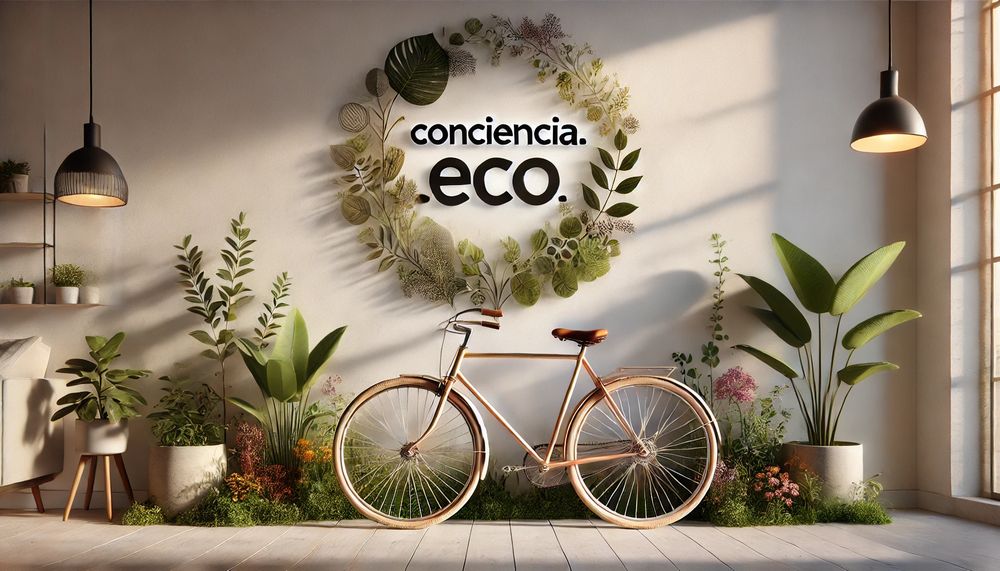
Choosing a second-hand or recycled bicycle is not only economical but also helps reduce the demand for new materials. By reusing a bicycle, you are contributing to reducing the amount of waste and extending the useful life of a product. It’s a sustainable and mindful choice!
2. Avoid Using Plastics in Your Bicycle Accessories
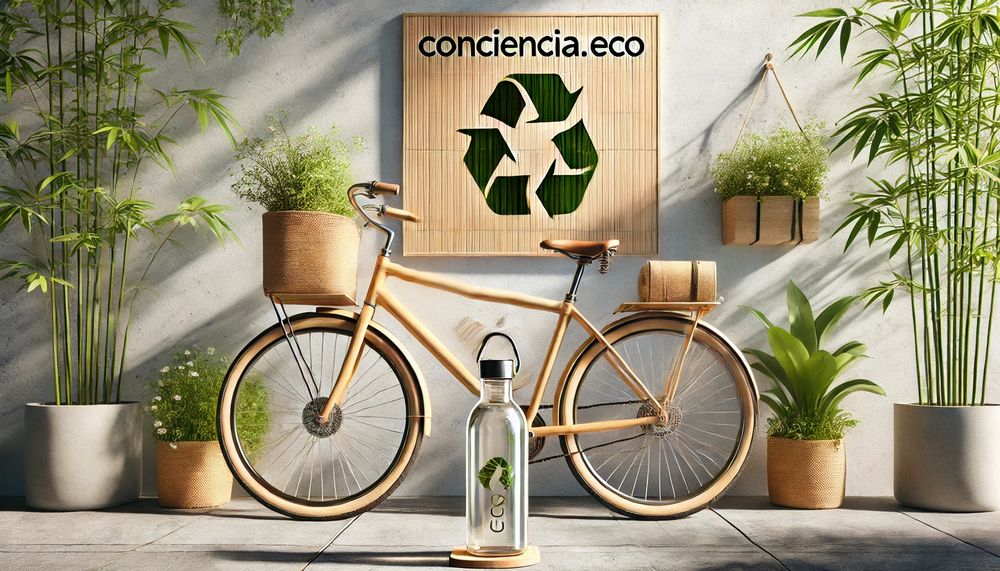
Many bike accessories, such as bottles or holders, are made of plastic. Try to choose sustainable alternatives, like biodegradable or reusable materials. This will not only reduce plastic consumption but also encourage the use of more eco-friendly products.
3. Choose Routes that Promote Sustainable Transportation
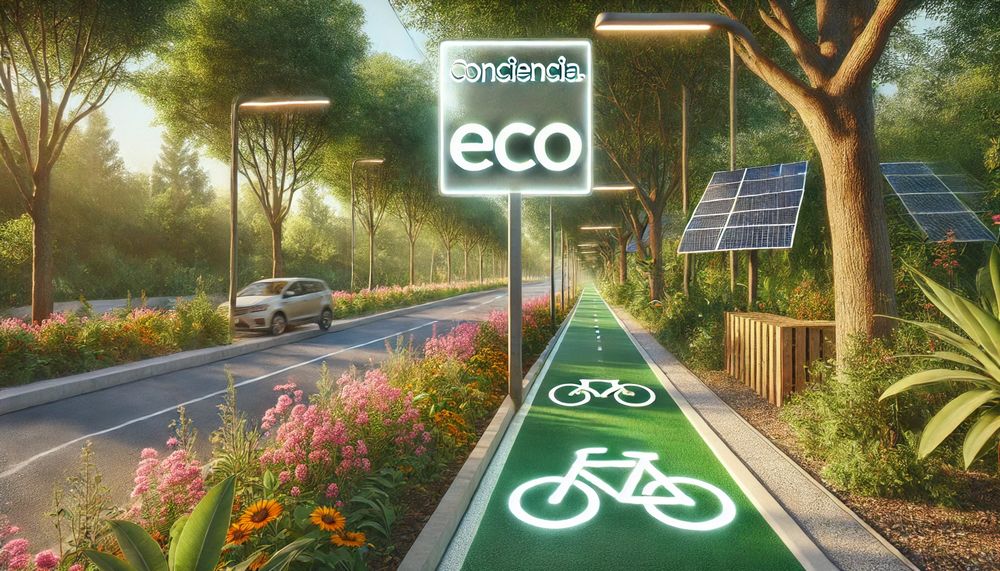
When planning your routes, look for paths designed to promote sustainable mobility. These routes are usually better adapted for cyclists and encourage the reduction in car use. Additionally, they allow more people to adopt bicycles as their primary mode of transportation.
4. Bring Your Own Reusable Bottle
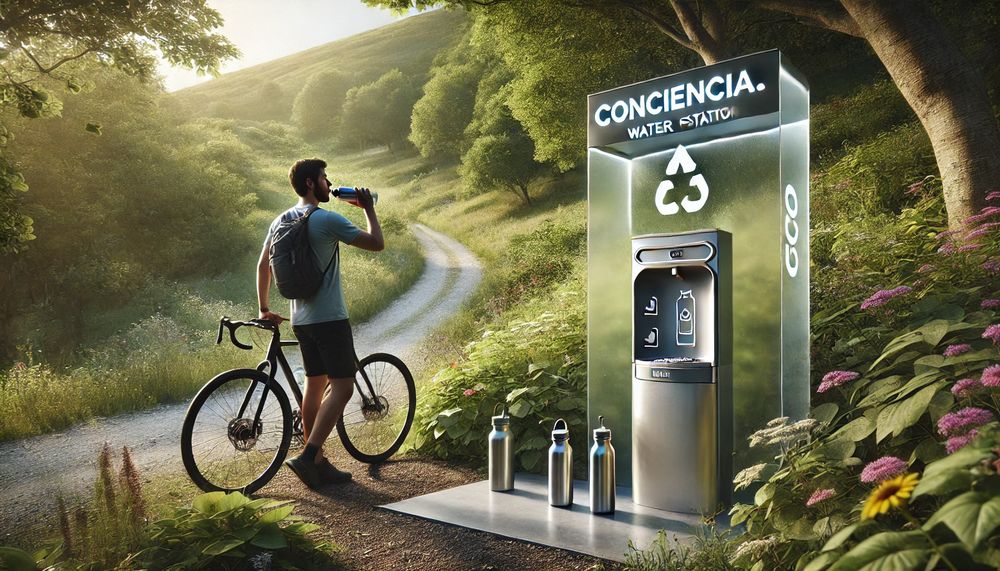
Avoid buying disposable water bottles during your trips. Carrying a reusable bottle is a simple action that helps reduce plastic waste. Additionally, many routes have refill stations, making this practice even easier and more sustainable.
5. Perform Bicycle Maintenance with Sustainable Products
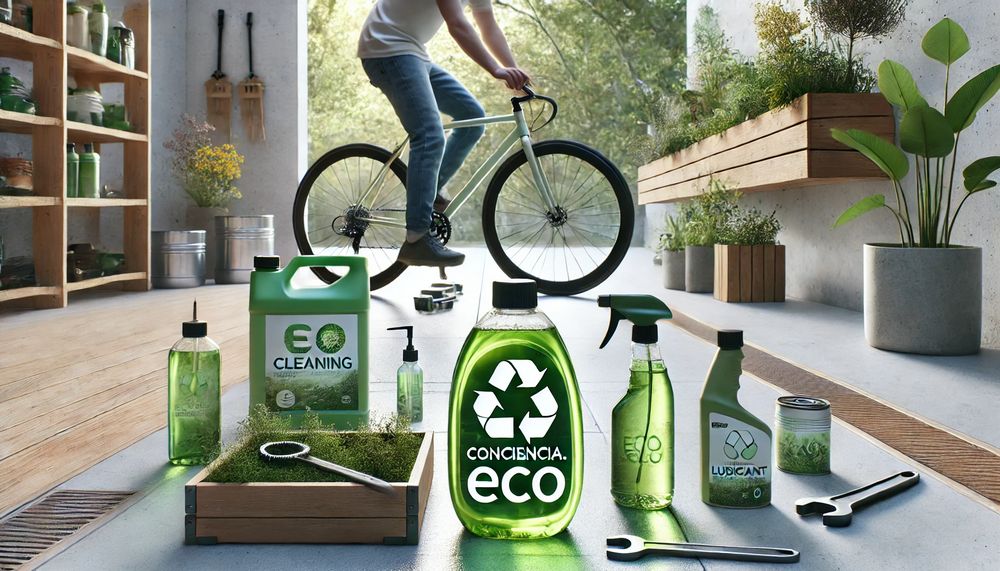
Maintaining your bicycle in good condition is crucial, but make sure to use eco-friendly cleaning products and lubricants. These products are designed to be friendly to the environment, reducing negative impacts on ecosystems while keeping your bike in optimal condition.
6. Join Bicycle Groups to Promote Sustainable Mobility
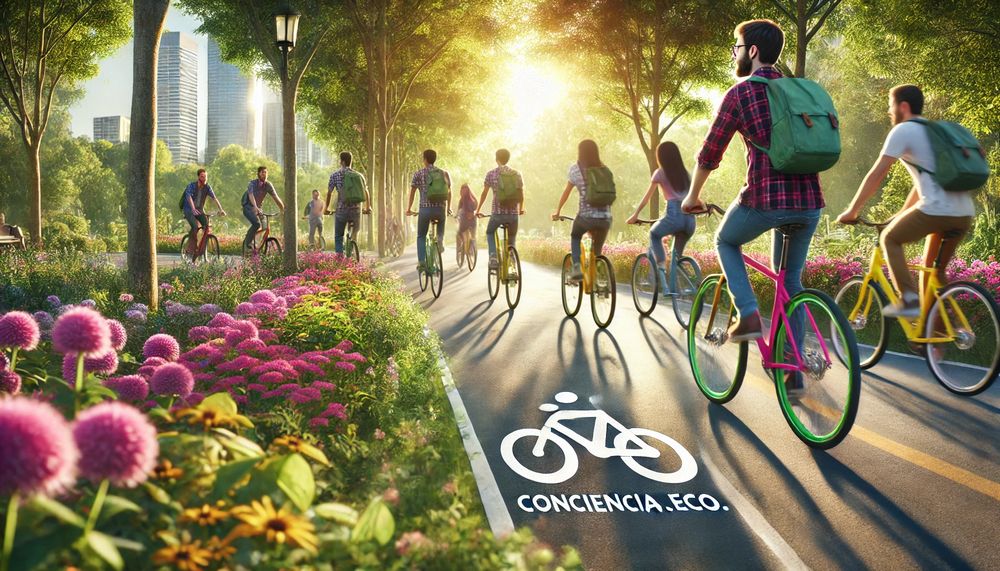
Joining cycling groups is not only an excellent way to socialize, but it also promotes the use of bicycles as a mode of transportation. By organizing group rides or local events, you can inspire more people to choose this sustainable option and reduce the use of polluting vehicles.
7. Use LED and Low-Energy Lighting
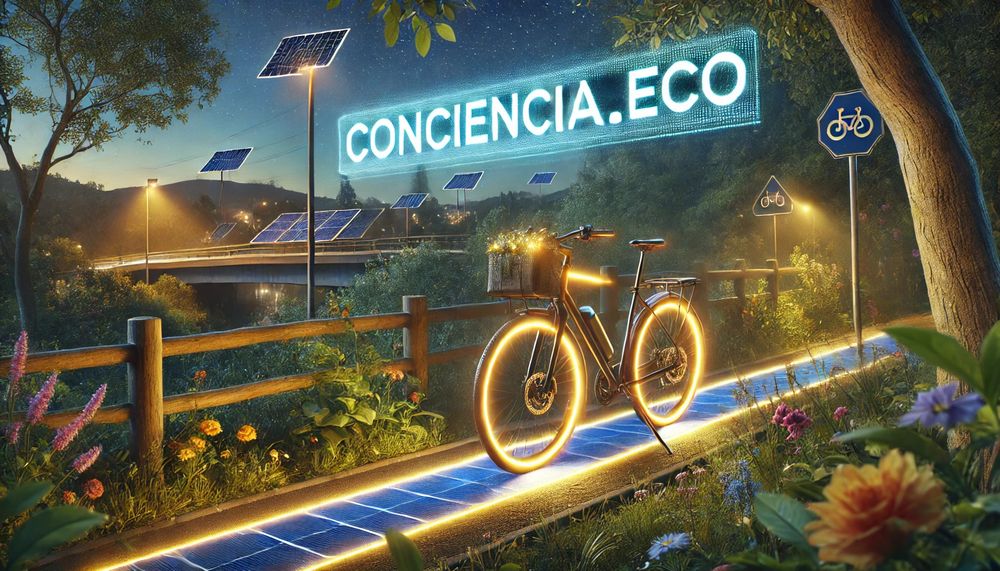
Safety is essential when riding a bicycle, and for that, you need good lighting. Choose LED lights, as they consume less energy and last longer than traditional ones. Additionally, being more efficient, they reduce the environmental impact of your gear while keeping you visible on your nighttime rides.
8. Store Energy with Dynamos for Basic Gadgets
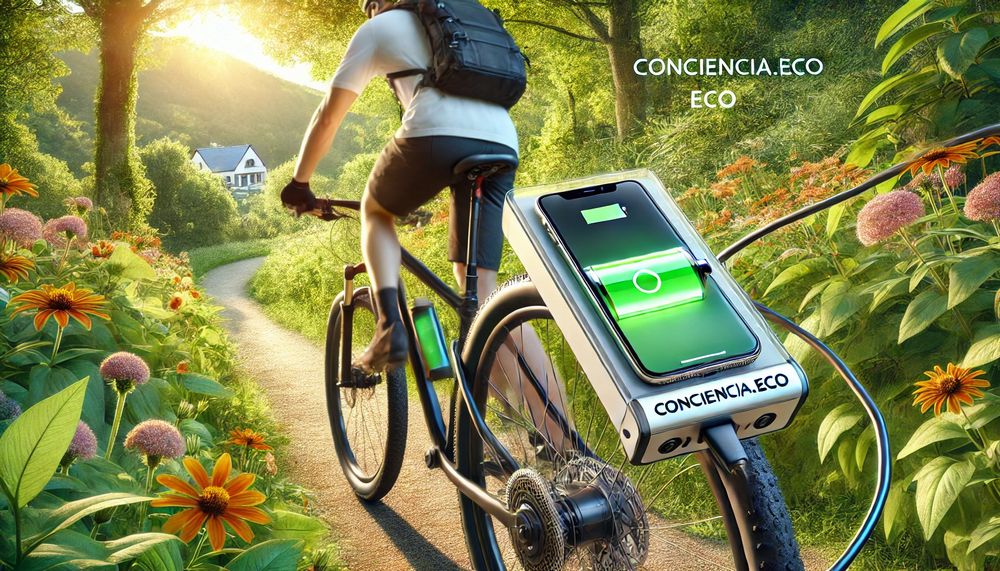
Did you know you can generate energy while you pedal? Installing a dynamo on your bike allows you to charge basic devices like lights or mobile phones without relying on conventional electricity. This is not only practical but also reduces energy consumption and promotes the use of renewable energy.
9. Avoid Water Waste When Cleaning Your Bike
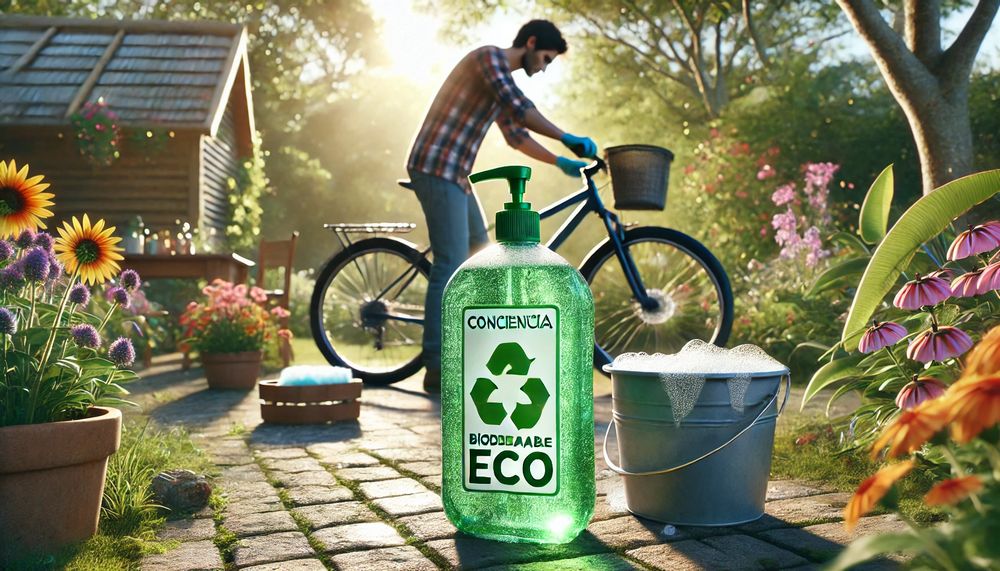
Cleaning your bicycle is important, but make sure to do it responsibly. Use buckets of water instead of hoses and biodegradable products to minimize environmental impact. Saving water while keeping your bike spotless is a simple yet meaningful action.
10. Donate or Recycle Your Bike When You No Longer Use It
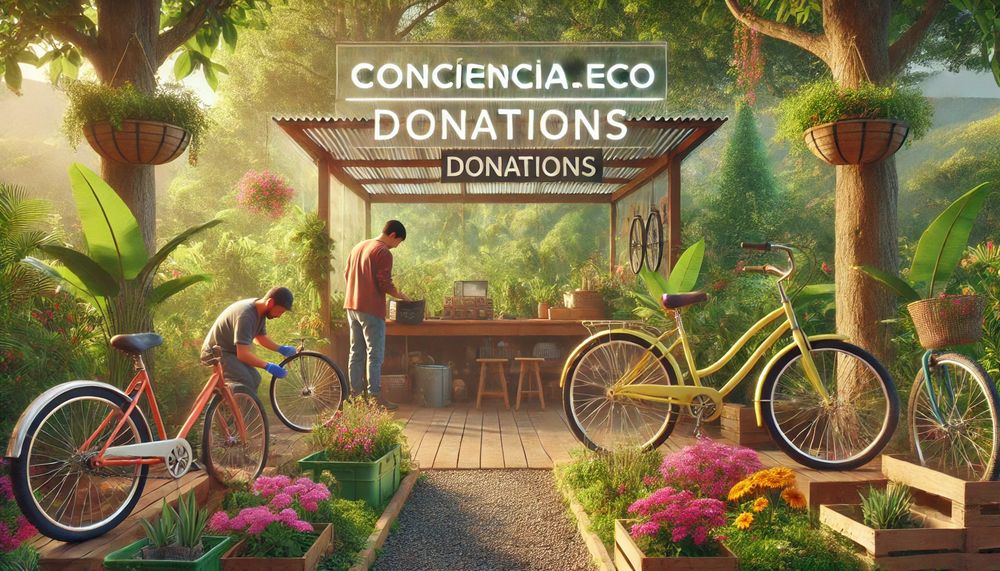
If you no longer need your bicycle, don’t leave it abandoned or throw it away. Instead, donate it to someone who needs it or recycle it properly so its components can have a second life. This reduces waste and supports a circular economy system.
How Bicycles and Their Components Are Recycled
Bicycle recycling is a process that allows the reuse of materials such as steel, aluminum, and plastic to manufacture new products. Many parts of a bicycle can be repurposed or transformed into other useful objects. Below, we explain the basic steps to recycle a bicycle:
- Disassembly: The parts are separated, such as the frame, wheels, chain, and seat.
- Classification: Each component is organized according to its material, such as metal, plastic, or rubber.
- Metal Recycling: Steel and aluminum are melted down to manufacture new products.
- Reuse: Parts such as chains or wheels can be repaired to give them a second life.
- Final Disposal: Non-recyclable materials are safely discarded.
Positive Impact of Bicycling on the Environment
| Appearance | Impact of the Bicycle | Comparison with an Automobile |
|---|---|---|
| CO2 Emissions | 0 kg per kilometer | Average car emits 0.24 kg of CO2 per kilometer |
| Energy Consumption | Only requires human energy | Depends on fossil fuels |
| Maintenance Cost | Average of $50 per year | Average of $1,000 per year |
| Necessary Space | 1.5 m² per bicycle | Average of 12 m² per car |
| Waste Generated | Mostly Recyclable | Non-Recyclable Items and Contaminating Oils |
Environmental Benefits of Biking
Riding a bicycle not only improves your quality of life but also has a positive impact on the environment. Here are some of its main benefits:
- Emission reduction: By not using fuel, bicycles reduce air pollution.
- Less traffic congestion: More bicycles on the streets mean fewer cars and less traffic.
- Resource saving: Bicycles require less energy and materials to manufacture compared to cars.
- Space conservation: Bicycles take up less space, reducing the need to build extensive parking lots.
The bicycle is much more than a means of transportation! It is a powerful tool for protecting the environment and improving your well-being. Dare to include these tips in your rides and be part of the change toward a more sustainable world. What are you waiting for to pedal for a greener planet? 🌱