

Reading is one of the most enriching activities we can enjoy, but did you know you can do it sustainably? In this article, you will find 10 practical and simple ideas to keep nurturing your love for books while reducing your environmental impact. Adopt these habits and help the planet with every page you read!
1. Choose Digital Books or eBooks
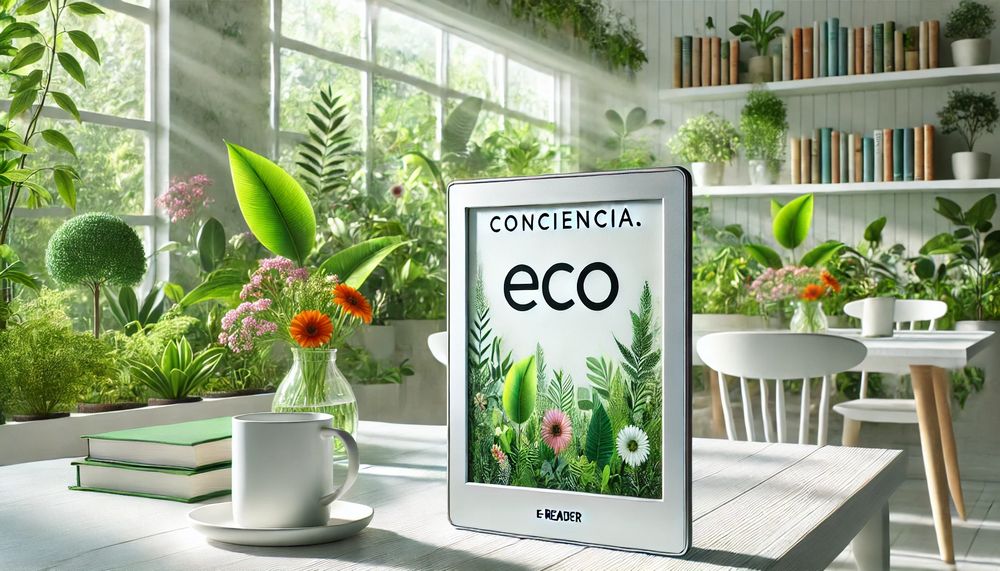
Digital books are an excellent eco-friendly alternative. By choosing eBooks, you reduce the demand for paper and lower the environmental footprint associated with printing and transporting physical books. Additionally, reading devices like tablets or e-readers can store hundreds of titles, making them practical and sustainable in the long term.
2. Buy Secondhand Books
Buying used books is an effective way to give them a second life and prevent them from ending up in the trash. You can explore secondhand bookstores, local markets, or online shops. This practice is not only cost-effective but also helps reduce the consumption of natural resources associated with the production of new books.
3. Donate or Exchange Used Books
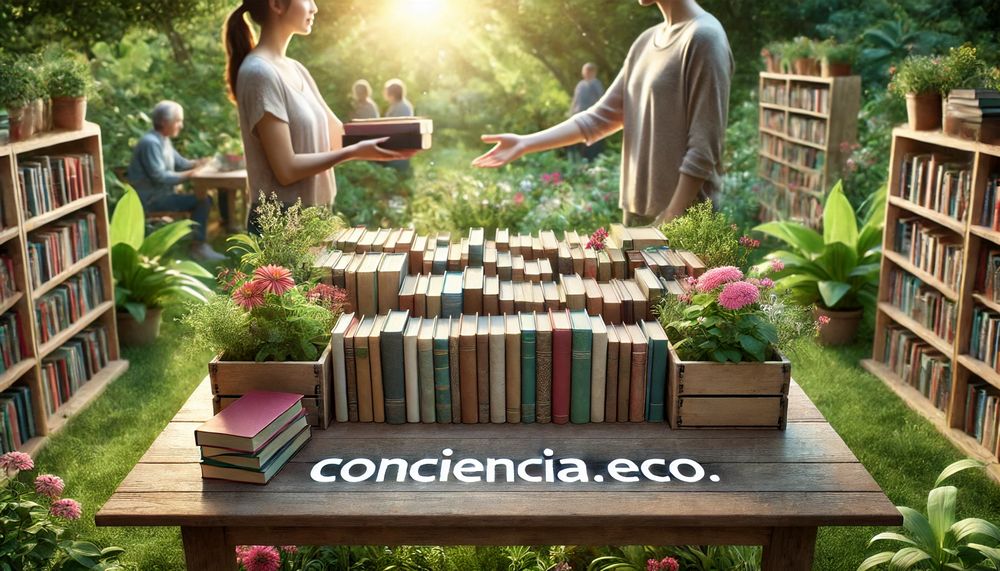
If you have books you no longer read, donate them to libraries, schools, or community centers. Another option is to organize book swaps with friends or in your community. This way, you extend the useful life of books and promote more responsible and collaborative consumption.
4. Choose Libraries Instead of Buying New Books
Libraries are incredible resources that allow you to access thousands of books without needing to buy them. By using their services, you reduce the need to print more copies and support a culture of reuse. Additionally, many libraries now offer digital lending, which expands your sustainable reading options.
5. Support Publishers That Use Recycled Paper
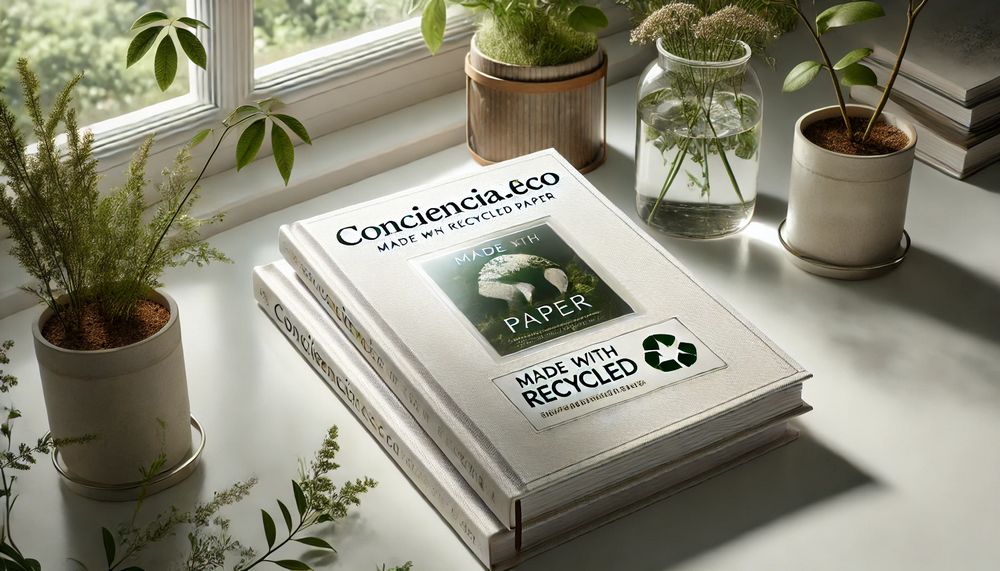
More and more publishers are choosing to use recycled paper and eco-friendly inks in printing their books. By purchasing copies from these publishers, you are supporting sustainable practices in the publishing industry. Look for books labeled “recycled paper” or “sustainable production” to make more conscious choices.
6. Use Reading Glasses Made from Sustainable Materials
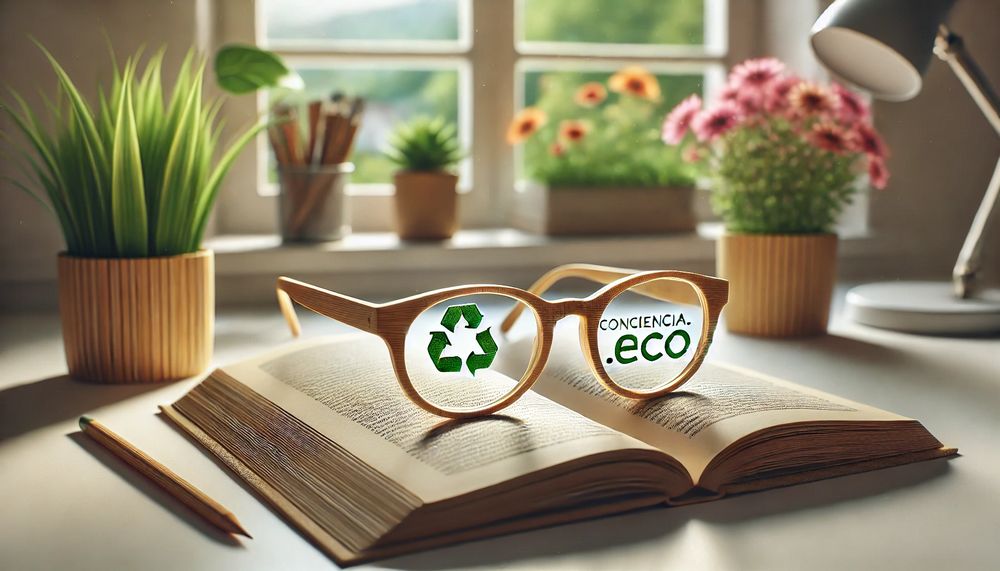
Reading glasses made from sustainable materials, such as bamboo or recycled plastic, are a responsible choice for book lovers. By choosing these products, you support responsible production and reduce the environmental impact associated with conventional materials. Additionally, many of these glasses combine functionality with attractive design.
7. Use Sustainable Material and Local Trade Bookmarks

Instead of using plastic or non-biodegradable separators, choose those made from recycled cardboard, wood, or fabric. Buying these products from local shops also supports the sustainable development of your community. It’s a simple way to contribute to caring for the planet while enjoying your reading.
8. Participate in Community Book Clubs
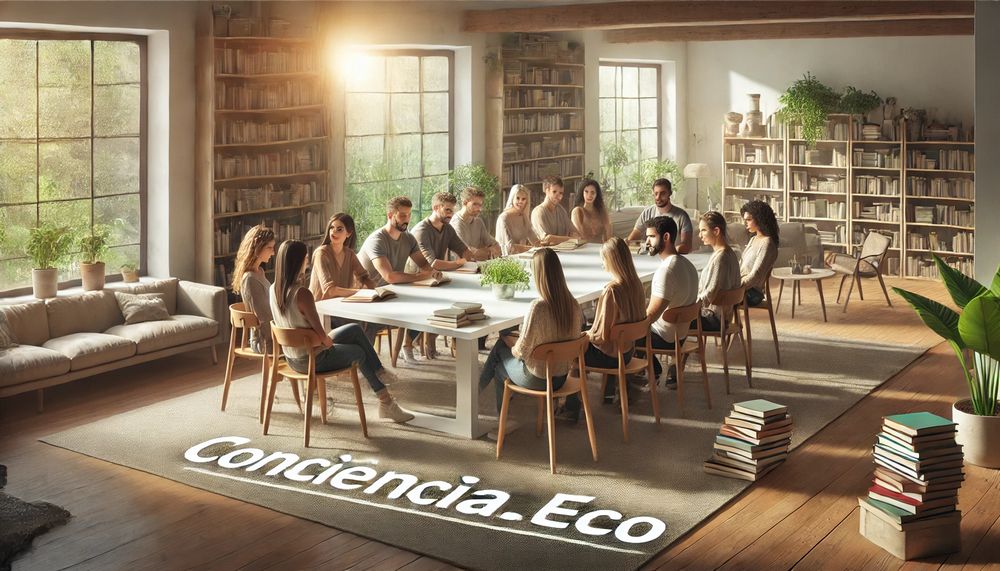
Book clubs encourage the exchange of ideas and the reuse of books among their members. Instead of buying a new book for each read, you can share copies and reduce your consumption. Additionally, participating in these spaces is a fun and social way to promote the habit of reading and environmental care.
9. Use a Solar Reading Lamp if You Read at Night
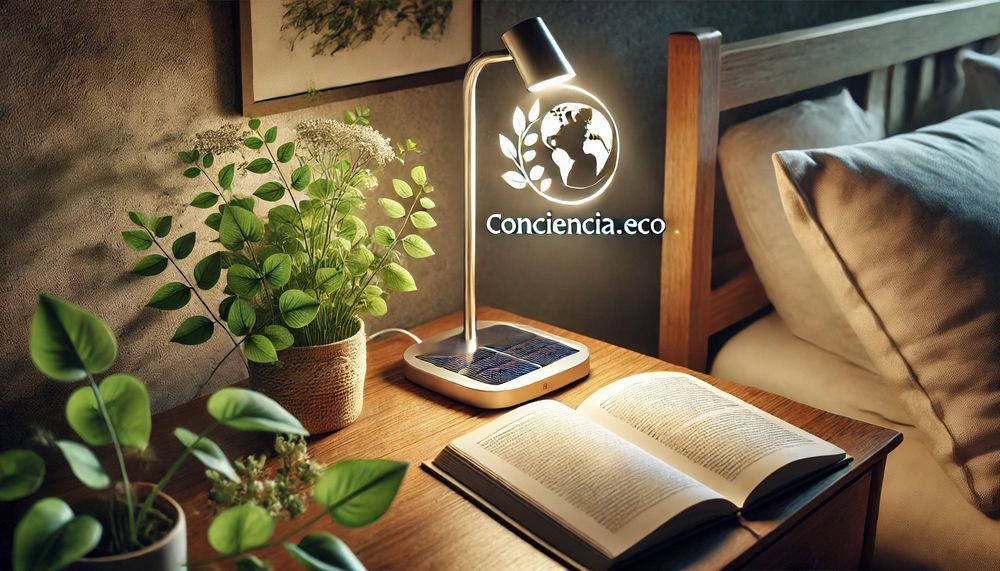
Solar lamps are an eco-friendly solution for lighting up your reading nights. These lamps charge during the day and allow you to save electrical energy while enjoying your favorite books. It is a practical and sustainable alternative that you can easily incorporate into your daily routine.
10. Organize a Book Swap Market
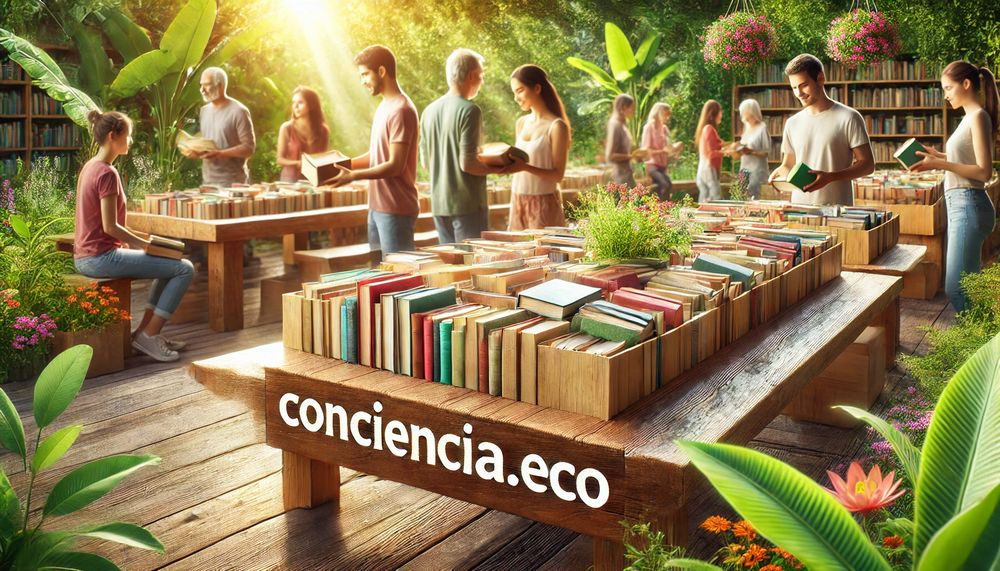
Gathering your friends, neighbors, or coworkers to exchange books is a fun way to refresh your personal library without spending money. By participating in a barter market, you encourage responsible consumption and extend the useful life of books you no longer need. An activity everyone can enjoy!
How Does Paper Recycling Work in Books?
Recycling paper from books is an important process to reduce waste and minimize the environmental impact of the publishing industry. Although not all books are recyclable due to certain types of binding or coatings, many can be reused. Below, I explain how this process works:
- Collection: Books are collected at recycling points or specialized centers where they are sorted according to the type of paper and additional materials, such as hard covers or plastics.
- Separation: Non-recyclable items such as staples, adhesives, or plastic-coated covers are removed, leaving only the paper.
- Shredding: The paper is shredded into small pieces to facilitate its transformation into pulp.
- Pulp Creation: The pieces of paper are mixed with water and chemicals to form a paste known as pulp, removing inks and other residues.
- Formation of New Sheets: The pulp is processed and turned into new recycled paper sheets, ready to be reused in various products.
Recycling books not only reduces the amount of waste in landfills but also saves resources like water and energy. Incorporating this practice into your daily life makes a big difference for the environment!
Environmental Impact of Physical Books and Sustainable Alternatives
| Appearance | Impact of Physical Books | Sustainable Alternatives |
|---|---|---|
| Tree Consumption | Approximately 17 trees are needed to produce one ton of book paper. | Choosing eBooks eliminates the need to cut down trees. |
| Water Used | Paper production requires up to 10,000 liters of water per ton. | Supporting publishers that use recycled paper reduces water usage. |
| Carbon Footprint | The transportation and production of books emit between 7.5 and 8.5 kg of CO₂ per unit. | Choosing secondhand books or libraries reduces these emissions. |
| Waste | Every year, millions of books end up in landfills if they are not recycled. | Donating or exchanging books promotes reuse and reduces waste. |
This table highlights the environmental impact associated with physical books and presents more responsible alternatives you can adopt. Share this knowledge and start making more sustainable choices today!
Environmental Benefits of eBooks Compared to Physical Books
eBooks offer a more sustainable alternative to physical books. Below, I share some of their environmental benefits:
- Reduction of paper consumption: eBooks eliminate the need to cut down trees to produce paper.
- Lower carbon footprint: Digital distribution avoids emissions associated with the transportation of physical books.
- Saving resources: They do not require inks, adhesives, or other materials used in printing and binding.
- Efficient storage: Digital devices can store thousands of books without taking up physical space, which also reduces the need for bookshelves.
- Durability: An eBook does not wear out over time like a physical book, which reduces long-term waste generation.
Tips to Extend the Lifespan of Your Books
Extending the life of your books is not only beneficial for you but also for the environment. Follow these practical tips to care for them better:
- Keep your books in a dry place and away from moisture to prevent mold.
- Use bookmarks instead of folding the corners of the pages.
- Store your books vertically and use bookends if necessary to prevent them from warping.
- Avoid exposing them directly to the sun, as it can fade the covers and damage the paper.
- Clean them regularly with a soft cloth to prevent dust buildup.
Conclusion
Reading sustainably is a powerful way to combine your love for books with caring for the environment. From choosing eBooks to donating used books or joining book clubs, every action counts to reduce the environmental impact of our daily activities.
Are you ready to put these tips into practice? Join the change and share these ideas with your friends and family. Together, we can build a more sustainable future, page by page.


