

Going to a soccer stadium is an exciting activity, but it can also have a significant environmental impact. Adopting small sustainable habits during these events can make a difference. With simple actions, you can enjoy your passion for soccer while contributing to caring for the planet. Here are 10 ways to achieve this.
1. Use Public Transportation or Carpool

Public transportation or carpooling are alternatives that significantly reduce carbon emissions. Additionally, they help alleviate traffic congestion around the stadium. By choosing these options, you are supporting more sustainable mobility and minimizing your environmental footprint, while enjoying the journey with friends or family.
2. Buy Drinks in Recyclable Containers and Dispose of Them Properly
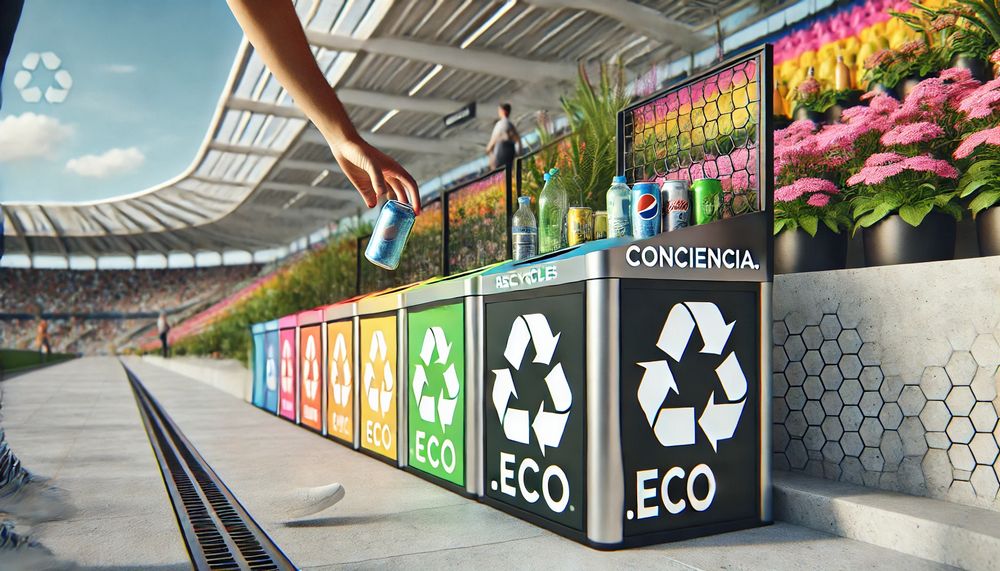
Stadiums usually sell beverages in recyclable cans or bottles. Choose these containers and make sure to dispose of them in the appropriate recycling bins. This simple act helps reduce the amount of accumulated trash and promotes a cleaner environment inside the stadium.
3. Avoid Buying Food with Plastic Packaging
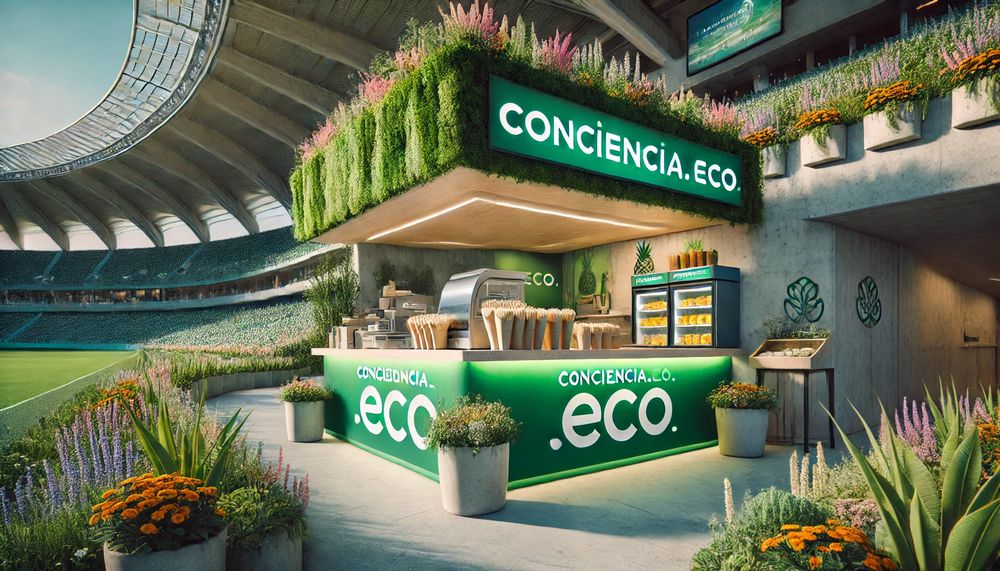
Single-use plastics are one of the largest sources of pollution. Choose foods served in biodegradable packaging or without wrappers. With this simple action, you help reduce plastic waste that ends up polluting the environment and join the fight against pollution.
4. Choose Digital Tickets Instead of Paper Tickets
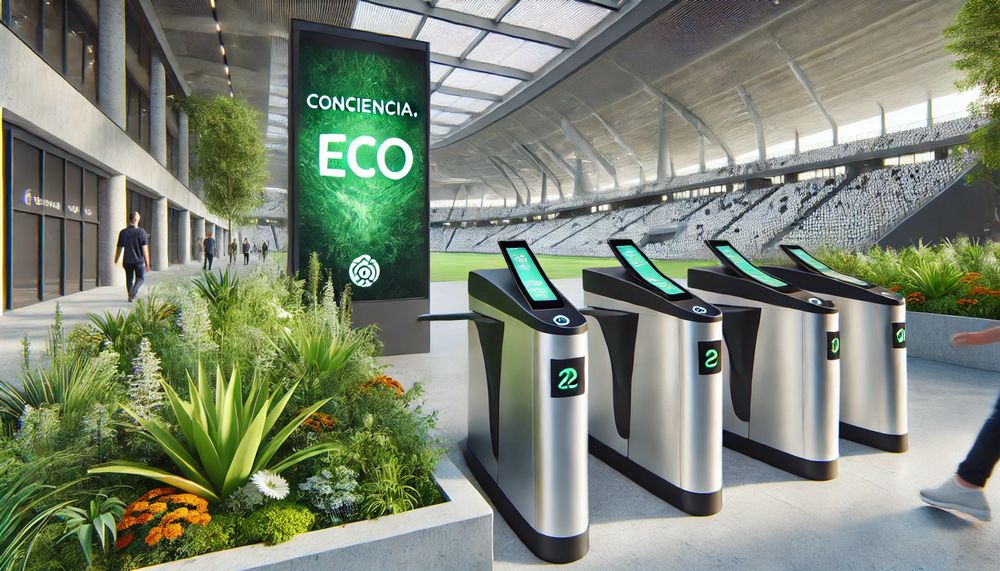
Digital tickets are a practical and eco-friendly option that many stadiums already offer. They reduce paper consumption and help prevent unnecessary waste. Additionally, it is a safer way to manage your tickets since you don’t risk losing them.
5. Participate in the Stadium Recycling Initiatives
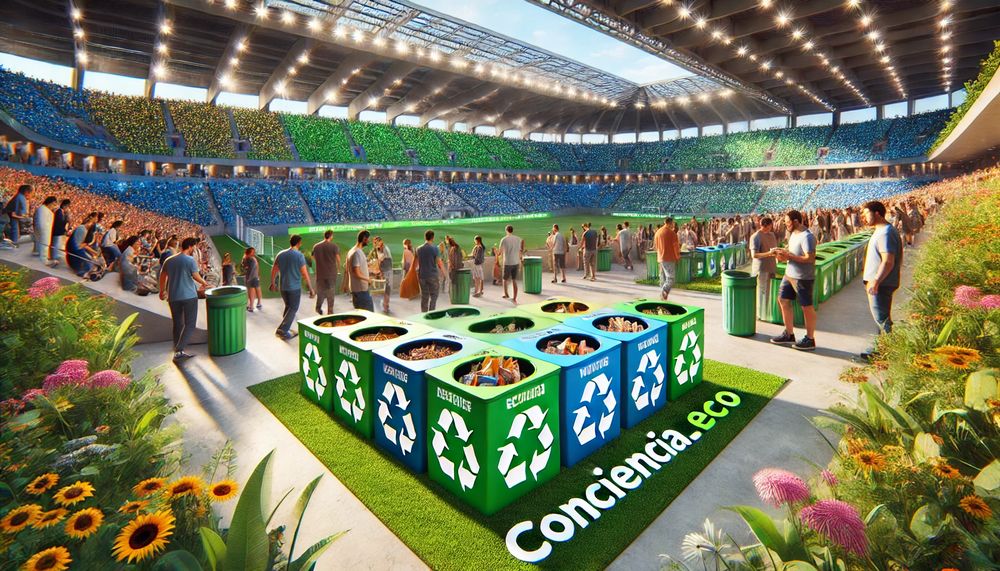
Many stadiums have recycling programs and designated collection points for waste. Take advantage of these initiatives and make sure to properly separate your waste. By doing so, you help keep the venue clean and promote a culture of sustainability among attendees.
6. Do Not Leave Trash on Your Seat
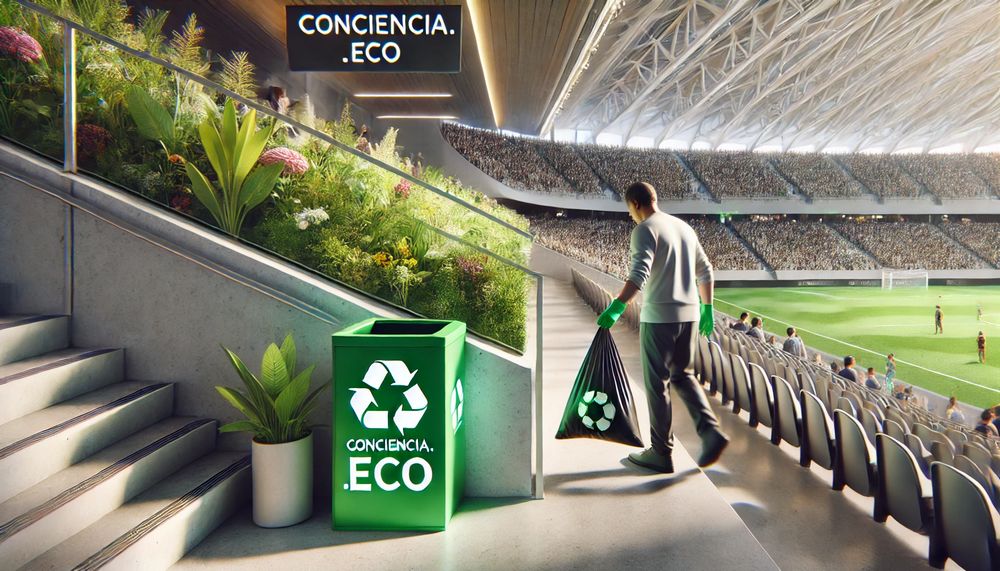
At the end of the game, be sure to collect all the waste you generated and place it in the appropriate containers. This small gesture not only keeps the stadium clean, but also inspires others to do the same. Remember that caring for the environment starts with simple actions.
7. Use Garments Made from Sustainable Materials to Motivate Your Team

T-shirts and accessories made from sustainable materials, such as organic cotton or recycled fibers, are an excellent choice. By choosing these types of products, you are supporting a more responsible industry with the planet and showing your love for soccer in a conscious way.
8. Consume Local Products at the Stadium Stands

Supporting local businesses within the stadium not only benefits the community’s economy but also reduces the carbon footprint associated with transporting products. Choose locally produced food and beverages to enjoy a more sustainable consumption.
9. Choose Foods with Biodegradable Packaging
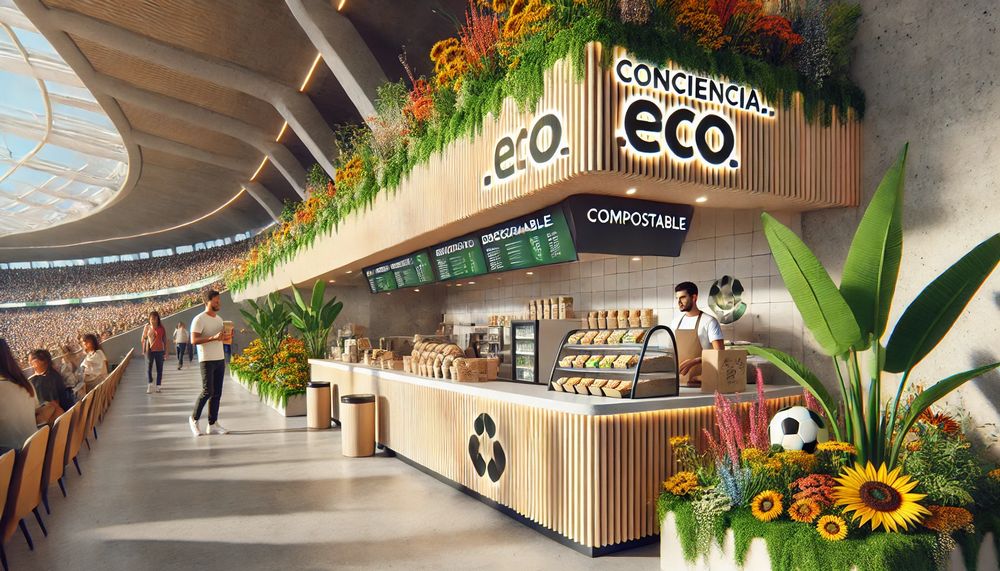
When you buy food at the stadium, look for options served in biodegradable or compostable containers. This helps reduce plastic waste and encourages the use of more eco-friendly materials. Ask vendors about these options and be willing to try them.
10. Share the Message of Sustainability with Other Enthusiasts

Talking with other enthusiasts about the importance of caring for the environment can have a great impact. Share your ideas and encourage your friends to join these sustainable practices. Together, you can make the stadium a cleaner and more planet-friendly place.
Benefits of Using Public Transportation for Large Events
- Reduction of carbon emissions: By using public transportation, the number of vehicles on the road decreases, which reduces air pollution.
- Less vehicle congestion: With fewer cars, the areas around the stadium are more accessible and heavy traffic is avoided.
- Economic savings: Public transportation tickets are generally more affordable than the combined cost of fuel and parking.
- Greater comfort: You avoid the stress of searching for parking and can enjoy the journey with peace of mind.
- Encouraging sustainable habits: By choosing public transportation, you are setting a positive example to promote a more environmentally conscious culture.
Environmental Impact of Everyday Actions in Stadiums
| Action | Negative Impact | Sustainable Alternative |
|---|---|---|
| Use of private transportation | Generates around 30% of the CO₂ emissions associated with the event. | Use public transportation, bicycles, or carpool with other attendees. |
| Single-Use Plastic Consumption | Each event generates thousands of tons of plastic waste that take centuries to decompose. | Choose foods served in biodegradable or compostable packaging. |
| Printing tickets on paper | Involves tree cutting and consumption of water and energy for its production. | Choose electronic tickets and encourage their use among friends. |
| Single-Use Plastic Consumption | Each event generates thousands of tons of plastic waste that take centuries to decompose. | Choose foods served in biodegradable or compostable packaging. |
This table shows how small decisions can have a big impact on the environment. Changing simple habits like choosing sustainable transportation or reducing plastic use can significantly contribute to caring for the planet.
How Stadiums Can Be More Sustainable
Stadiums play a crucial role in environmental sustainability, as they can implement practices that reduce their impact. Here are some initiatives they can adopt:
- Solar panel installation: To generate renewable energy and reduce dependence on non-sustainable sources.
- Rainwater harvesting systems: Using this water for irrigation or cleaning reduces the consumption of potable water.
- Recycling stations: Well-placed and clearly marked containers make it easier for attendees to separate waste.
- Promotion of Sustainable Transportation: Providing bicycle parking and discounts for those who arrive by public transit.
- Use of sustainable materials: From stadium construction to the utensils used in food services, choosing recycled or biodegradable materials can make a significant difference.
Implementing these measures not only benefits the environment but also enhances the stadium’s image as a space committed to sustainability. Additionally, it inspires attendees to adopt more responsible practices in their daily lives.


