The practice of yoga not only helps us stay fit and reduce stress but can also be an excellent opportunity to care for the environment. With a few simple adjustments, you can turn your yoga routine into a more sustainable experience in harmony with nature. Here are 10 practical ways to achieve this.
1. Choose an Eco-Friendly and Biodegradable Yoga Mat
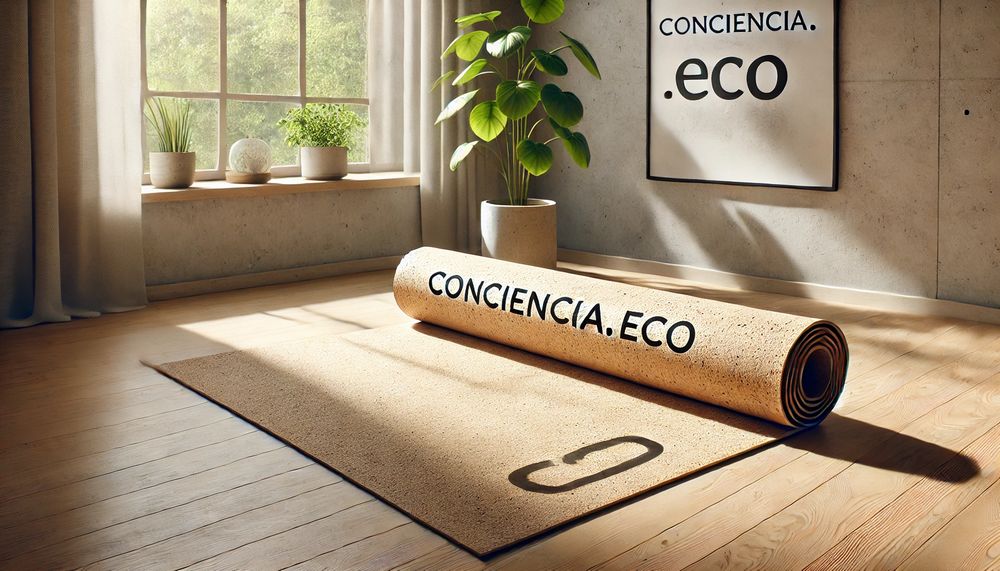
Conventional yoga mats are made of PVC, a material that is not environmentally friendly. Choose alternatives made from biodegradable materials such as natural rubber, cork, or jute. These mats are not only more sustainable but also provide a comfortable and secure surface for your poses.
2. Practice in Outdoor Spaces to Connect with Nature
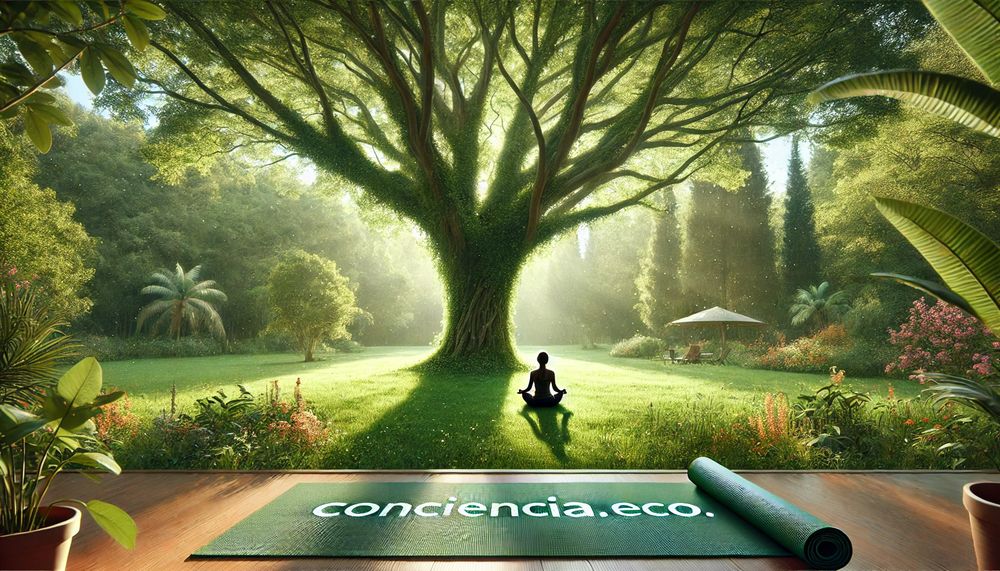
Practicing your yoga sessions outdoors, such as in a park or garden, not only reduces electricity consumption but also enhances your connection with nature. Feeling the fresh air and hearing the sounds of the surroundings amplifies the benefits of the practice and helps you lower your ecological footprint.
3. Wear Yoga Clothing Made from Sustainable Materials

The clothes you wear for practicing yoga can also make a difference. Choose garments made from organic materials, such as organic cotton or bamboo, or look for brands that use recycled fabrics. These options not only care for the planet but are also comfortable and soft on your skin.
4. Reduce the Use of Plastic Bottles and Bring Your Own Reusable Bottle

Stay responsibly hydrated by carrying a reusable stainless steel or glass bottle. This prevents the use of disposable plastic bottles that pollute the oceans and take hundreds of years to degrade. Additionally, you will be promoting a more mindful and sustainable habit.
5. Choose Natural and Homemade Products to Clean Your Rug

Conventional cleaning products often contain chemicals harmful to the environment. Make your own homemade cleaner by mixing water, vinegar, and a few drops of essential oils. This method is economical, natural, and effective for keeping your rug clean and free of bacteria.
6. Decorate Your Yoga Space with Bamboo and Plants for a Natural Atmosphere

Incorporating natural elements like bamboo and plants into your yoga space creates a more relaxing and harmonious environment. Plants help to purify the air and provide a visual connection to nature, while bamboo is a sustainable material that adds warmth to the setting.
7. Support Instructors and Classes that Promote Sustainability
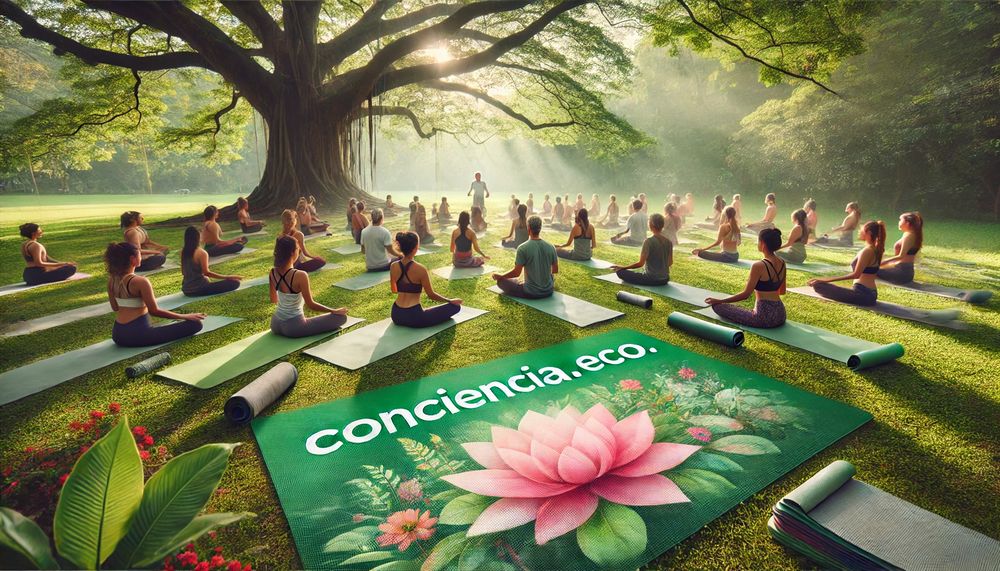
Choose yoga classes or instructors that have a sustainable focus, such as using recycled materials or practicing in outdoor spaces. You can also look for yoga communities that promote eco-friendly initiatives and engage in projects to care for the environment.
8. Incorporate Outdoor Breathing Techniques to Reduce Energy Consumption

Doing breathing exercises in a park or garden, instead of using air-conditioned spaces, allows you to save energy and enjoy the benefits of fresh air. Additionally, breathing in a natural environment improves your physical and mental health by increasing the amount of oxygen you inhale.
9. Use Natural Candles or Sunlight Instead of Artificial Lighting

During your indoor yoga practice, opt for natural light or beeswax or soy candles. These candles are biodegradable and do not emit toxins, unlike conventional ones. Besides, using sunlight whenever possible reduces electricity consumption and creates a cozier atmosphere.
10. Learn Nature-Inspired Poses and Reflect on Your Surroundings
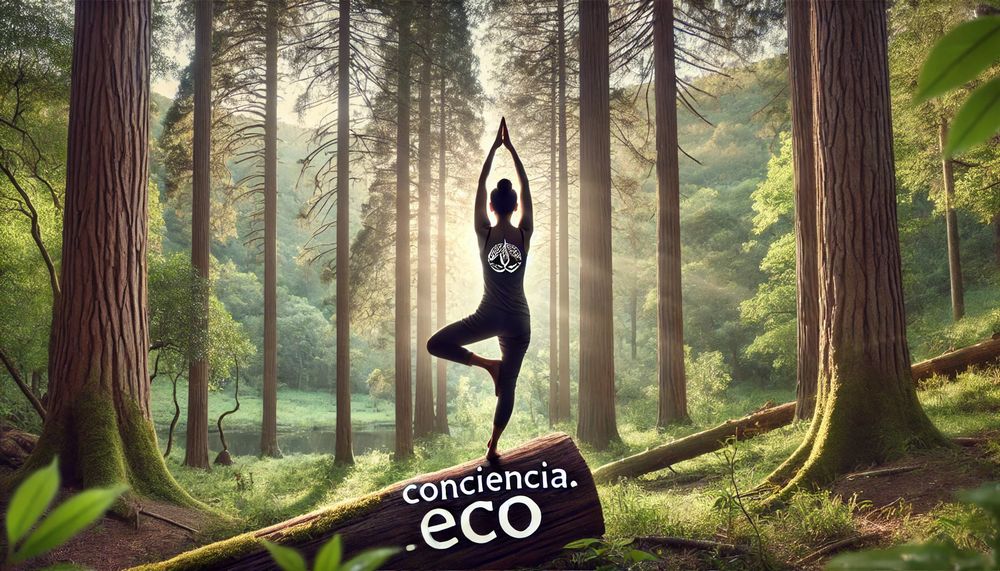
Get inspired by nature with poses like the tree or mountain, which symbolically connect you with the environment. These poses not only improve your balance and concentration but also invite you to reflect on the importance of protecting the planet and living in harmony with it.
How to Recycle Yoga Materials You No Longer Use?
If you have unused yoga materials, such as mats or blocks, recycling them is an excellent way to reduce your environmental impact. Many of these items can have a second life if managed properly. Here are some tips for recycling them:
- Contact local recycling centers that accept materials such as PVC or rubber.
- Donate your old mats to animal shelters, where they can be used as beds or protective rugs.
- Use pieces of your rug for crafts or home projects, such as coasters or furniture protectors.
- Look for brands that offer recycling programs for used yoga equipment.
- Share your materials with friends or family members who need them to get started with yoga.
Environmental Impact and How Your Yoga Practice Can Make a Difference
| Environmental Fact | Impact | Conscious Action |
|---|---|---|
| 1 PVC yoga mat takes up to 500 years to degrade | It contributes to increasing plastic waste in landfills and oceans | Buy biodegradable mats made from materials like cork or natural rubber |
| Disposable plastic bottles generate 1.5 million tons of waste per year | Only 9% of plastics are recycled globally | Use a reusable stainless steel or glass bottle |
| Chemical cleaning products pollute rivers and soils | They can take decades to break down and harm ecosystems | Clean your rug with homemade solutions like vinegar and water |
| Practicing indoors with air conditioning consumes up to 2.5 kWh per hour | Increases CO2 emissions worldwide | Do yoga outdoors and reduce energy consumption |
| Paraffin candles emit harmful chemicals when burned | They contribute to indoor air pollution | Use beeswax or soy candles, which are natural and biodegradable |
Benefits of Practicing Yoga Outdoors in Contact with Nature
Practicing yoga in natural settings offers multiple benefits, both for your well-being and for the planet:
- Greater connection with nature: Feeling the sun, breeze, and earth enhances your emotional balance.
- Energy savings: By using natural light and fresh air, you reduce electricity consumption.
- Stress reduction: Natural sounds, such as birdsong, promote relaxation.
- Sensory stimulation: Changing your environment revitalizes your senses and fosters creativity.
- Greater focus: Being in an open space without distractions encourages a state of mindful awareness.
Conclusion
Practicing yoga sustainably not only benefits your well-being but also the environment. By embracing these practices, you are taking a step toward a more conscious and eco-friendly lifestyle. Make every yoga session an opportunity to care for the planet! Start incorporating these tips today and share this guide with your friends to inspire more people to join the change.