Painting your room is a great way to refresh the space and add a personal touch, but did you know you can also do it sustainably? In this article, we share with you 10 practical and eco-friendly ideas to transform your room while caring for the environment. Let’s get to work!
1. Choose Sustainable and Non-Toxic Paints

Many traditional paints contain volatile organic compounds (VOCs) that can be harmful to health and the environment. Choose certified eco-friendly paints that are toxin-free and biodegradable. These options reduce pollution and are safer for you and your family.
2. Choose Reusable Brushes and Rollers

Instead of buying single-use tools, invest in high-quality brushes and rollers that you can wash and reuse for future projects. This not only helps the planet but also saves money in the long run. A small change with a big impact!
3. Use Light Colors to Save Energy

Light colors, such as white or pastel tones, reflect natural and artificial light better. This means you will need less artificial lighting during the day, which reduces energy consumption and contributes to a more sustainable home.
4. Buy Paints in Recycled or Recyclable Containers
Some brands offer paints in containers made from recycled materials or that are easily recyclable. Choose these options to reduce material waste and promote a circular economy.
5. Reuse Leftover Paint from Other Projects

Before buying new paint, check if you have leftovers from previous projects. You can mix them to create unique and original shades. This way, you make the most of your resources and avoid unnecessary waste.
6. Donate or Share Paint You Don’t Use
If you have leftover paint after painting your room, don’t waste it. Donate the excess to schools, community organizations, or share it with friends and family. This not only reduces waste, but also helps others with their own renovation projects.
7. Look for Water-Based Paint Options
Water-based paints are less harmful to the environment compared to solvent-based paints. Additionally, they release fewer chemicals into the air, making them safer for both your health and the environment.
8. Naturally Ventilate the Space

While painting, open windows and doors to naturally ventilate the space instead of using electric fans. This not only reduces energy consumption, but also helps efficiently disperse any lingering odors or chemicals.
9. Make Sure to Clean Tools Without Polluting
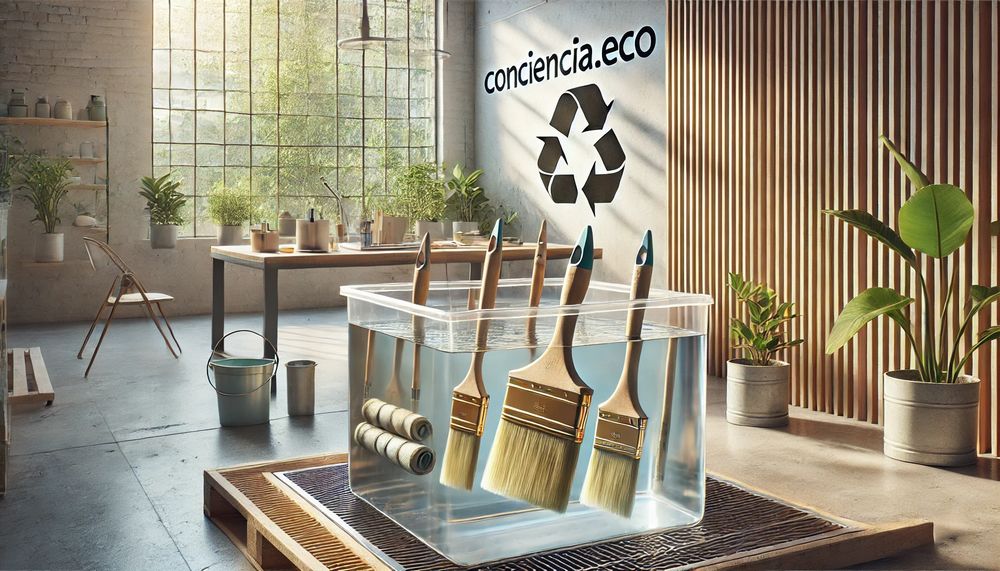
Wash brushes and rollers with water in a container instead of directly under the faucet. Then, let the paint residues settle and dispose of the water responsibly. This way, you avoid contaminating nearby water sources.
10. Recycle Containers and Waste Responsibly

Once you finish painting, be sure to recycle the paint containers and manage the waste properly. Look for recycling centers that accept these materials and, if possible, reuse the containers for other purposes at home.
How to Safely Dispose of Leftover Paint or Paint Residue?
Improper disposal of paint can cause serious environmental problems, especially if poured down the drain. To dispose of it responsibly, follow these steps:
- Never pour it directly down the drain or onto the soil. This can contaminate water and soil, impacting local ecosystems.
- Let the paint dry completely. If it is water-based paint, place the leftovers in an open container and let them solidify. For solvent-based paints, check local regulations for proper disposal.
- Use absorbent materials. Mix the liquid paint with sand, sawdust, or soil to speed up drying and make it easier to handle.
- Take waste to a recycling center or hazardous waste disposal facility. Many cities have designated collection points for paints and other toxic materials.
By following these steps, you will avoid harming the environment and contribute to the care of water and ecosystems.
Environmental Impact of Paints: What You Need to Know
| Appearance | Impact of Traditional Paints | Benefit of Eco-friendly Paints |
|---|---|---|
| Volatile Organic Compounds (VOCs) | They emit toxic gases that pollute the air and impact respiratory health. | Low or zero gas emissions, creating a healthier environment. |
| Container Recycling | Containers are often difficult to recycle and end up in landfills. | Many containers are recyclable or reusable, reducing waste. |
| Ingredients | Synthetic and toxic chemicals that harm the environment. | Natural and biodegradable ingredients, less harmful to the ecosystem. |
| Occupant Health | Risk of allergies, headaches, and respiratory problems. | Safer indoor environment, ideal for homes with children or pets. |
How to Identify Truly Sustainable Paints and Materials
Choosing truly eco-friendly paints and materials is key to caring for the environment and protecting your health. Below, we offer some tips for identifying sustainable products:
- Look for certified labels: Certifications such as “EcoLabel” or “Green Seal” ensure that the product meets environmental standards.
- Avoid volatile organic compounds (VOCs): Choose paints that indicate low or no VOC emissions.
- Prefer biodegradable components: Check if the paint ingredients are natural and non-toxic.
- Research the company: Choose brands committed to sustainability and transparent about their manufacturing processes.
Making informed decisions not only benefits the environment but also ensures a healthier home.
Change Your Space and Care for the Planet
Now that you know these sustainable practices, it’s time to apply them in your next project. Painting your room can be an exciting and responsible experience if you make conscious choices. Start today and transform your space while caring for the planet for future generations.