Did you know that small changes in your daily habits can have a big impact on the environment? When you go to the coffee shop, you can make sustainable choices that benefit the planet without complicating your life. Here are 10 simple ways to enjoy your favorite drink while contributing to environmental care. Make your coffee more conscious!
1. Bring Your Own Thermos or Reusable Cup
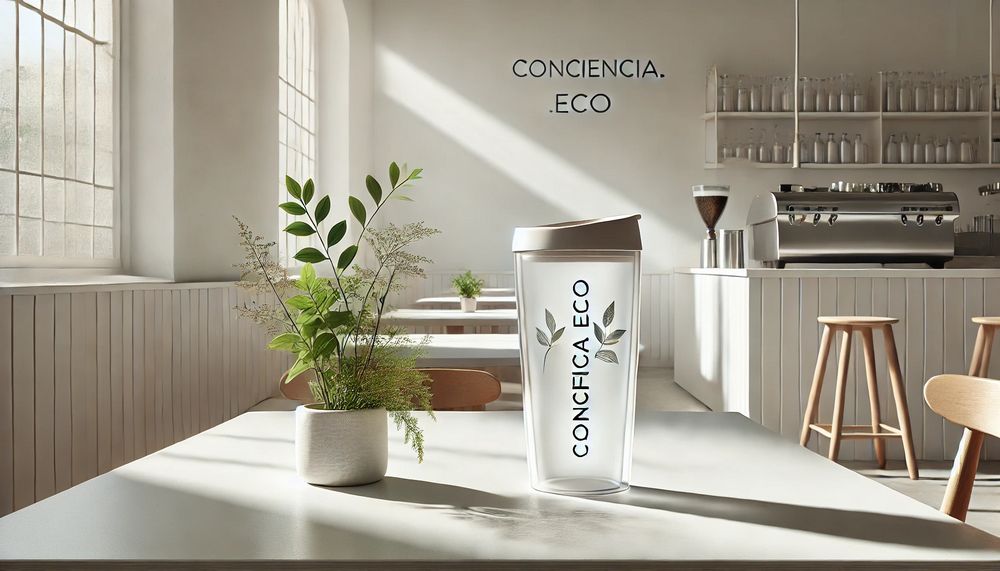
A very simple way to reduce waste is to carry a reusable thermos or cup with you. Many coffee shops even offer discounts for avoiding disposable cups. With this small change, you will be helping to reduce the consumption of plastic and cardboard, which are materials that are difficult to recycle in large quantities.
2. Choose Fair Trade and Sustainably Sourced Coffee
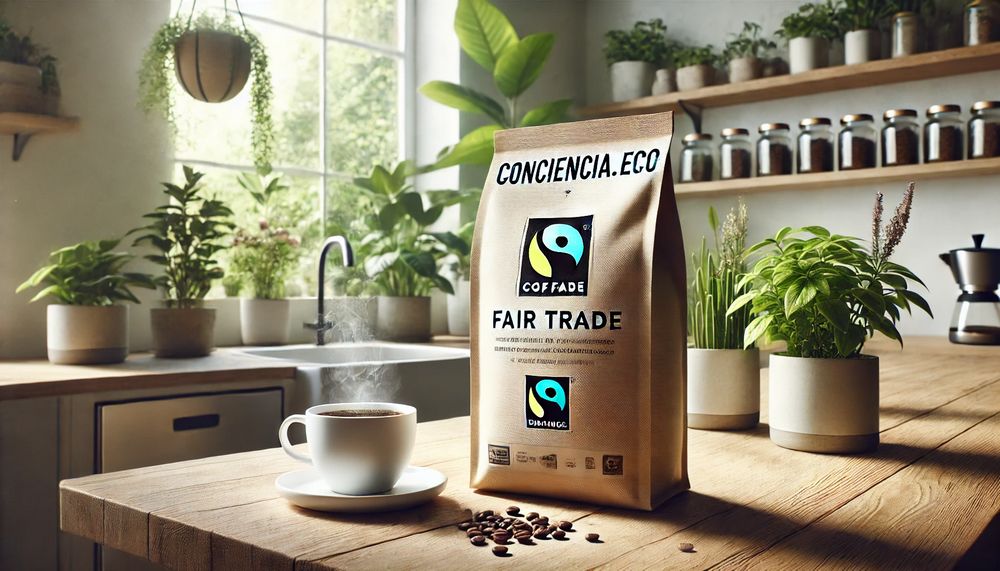
Choose coffee that has been grown ethically and sustainably. Look for labels like “Fair Trade“ or “Rainforest Alliance“, which guarantee fair conditions for producers and environmentally friendly practices. In this way, you support a more sustainable and equitable supply chain.
3. Reduce the Use of Straws and Disposable Utensils
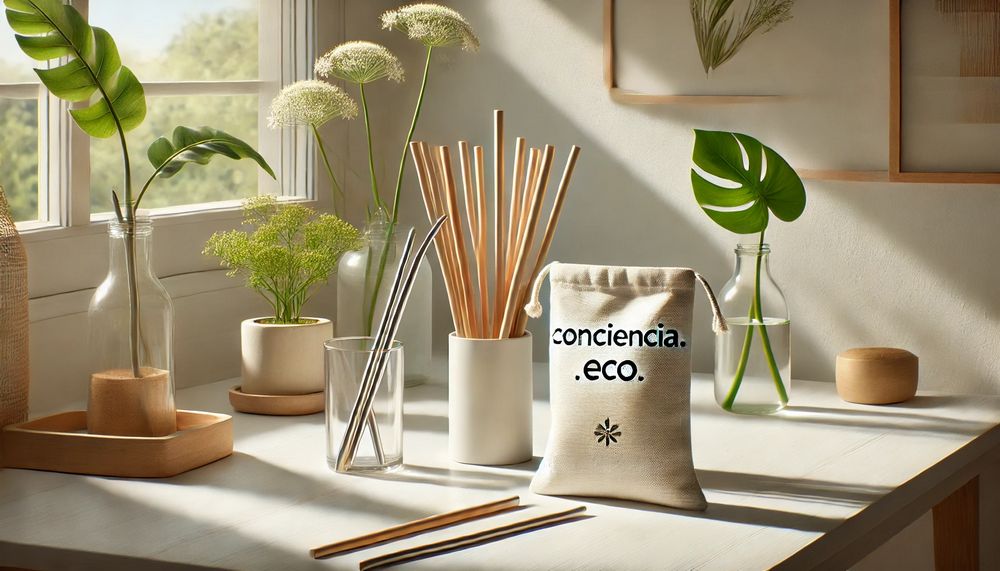
Disposable straws and cutlery are responsible for a large portion of the plastic pollution in the oceans. If you don’t need them, ask not to receive them. Even better, carry reusable straws made of stainless steel or bamboo. These small actions can make a big difference.
4. Avoid Plastic Lids on Your Drink
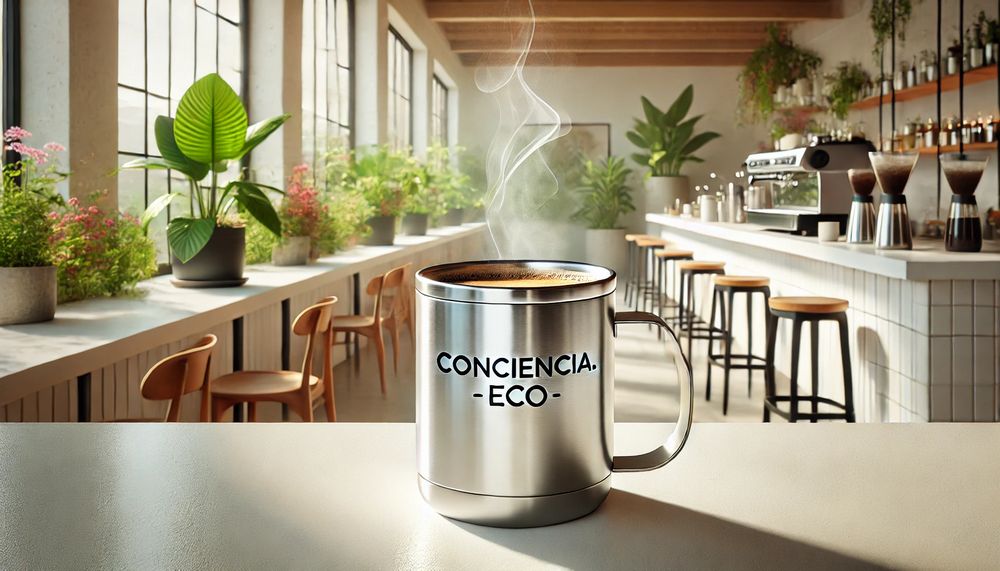
If you’re not taking your coffee to go, avoid asking for plastic lids. In many cases, they aren’t necessary and create waste that is difficult to recycle. If you need a lid, choose those made from biodegradable materials whenever possible.
5. Support Cafés that Promote Eco-friendly Practices
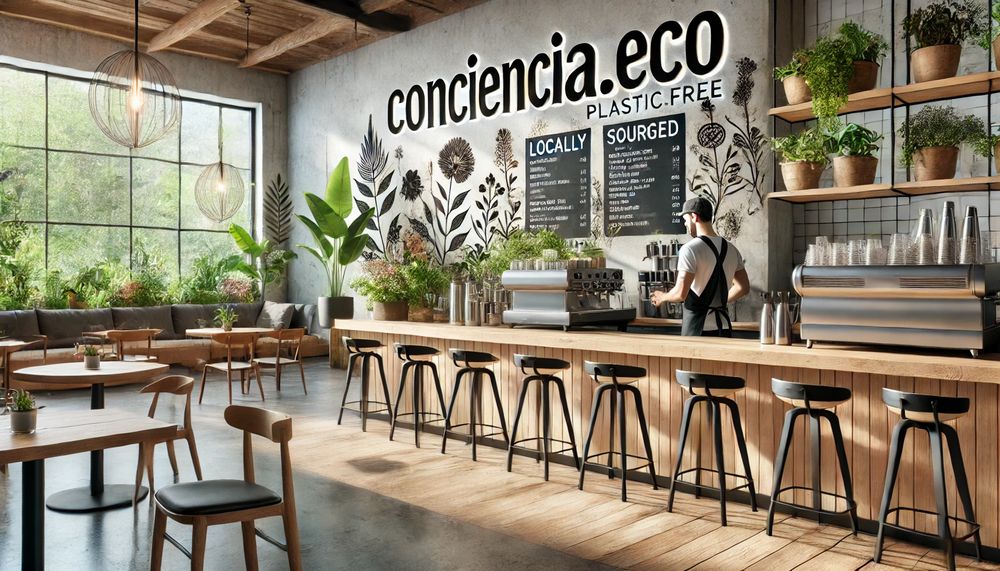
Choose coffee shops that have green policies, such as using local products, offering vegan options, and avoiding plastics. Your choice as a consumer can drive more businesses to adopt sustainable practices. Additionally, you will be supporting a business model that is conscious of the planet.
6. Request Your Order Without Unnecessary Packaging
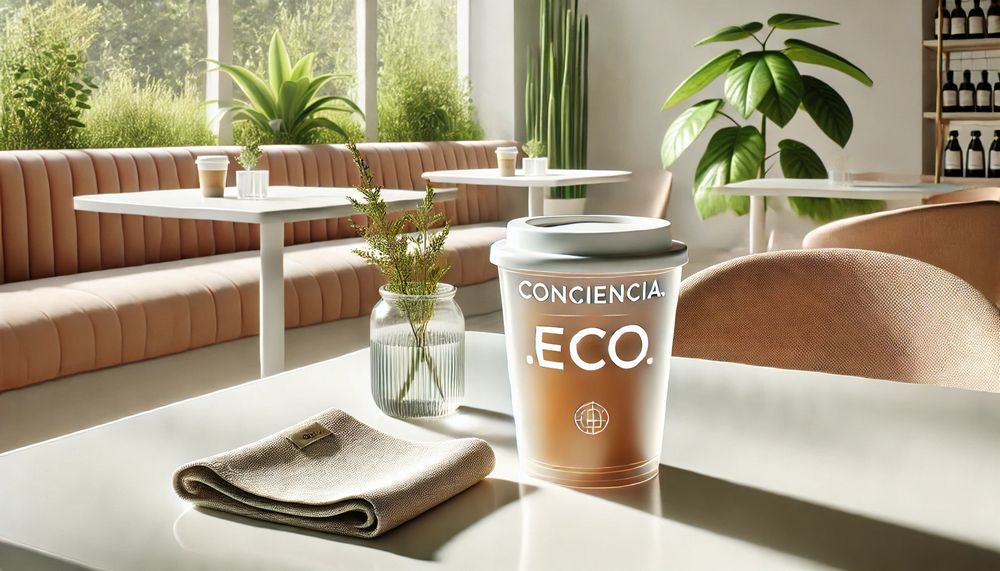
When ordering takeout, mention that you don’t need napkins, utensils, or bags if you won’t use them. By doing so, you help reduce the amount of waste generated during your café visit. This simple habit is an effective way to avoid waste.
7. Bring Your Own Bag or Food Container
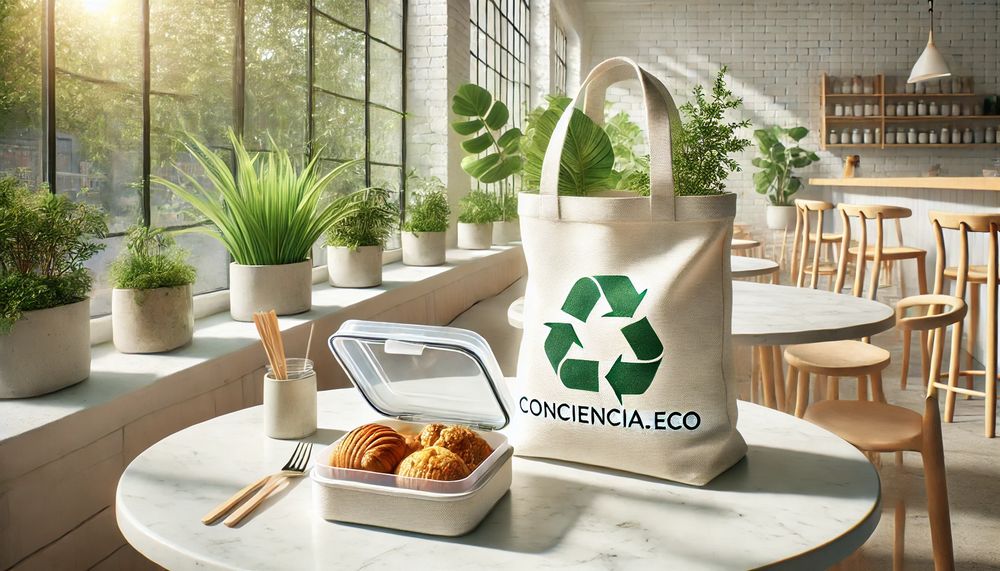
If you are going to buy food at the café, consider bringing your own bag or a reusable container. This way, you avoid using disposable packaging, which mostly is not recyclable. This small effort can have a great impact on waste reduction.
8. Choose Vegan or Plant-Based Options
Choosing plant-based milk drinks or vegan snacks at the café is an excellent way to care for the planet. The production of animal-based foods has a high environmental impact, while vegan options tend to be more sustainable.
9. Recycle the Waste You Generate Properly
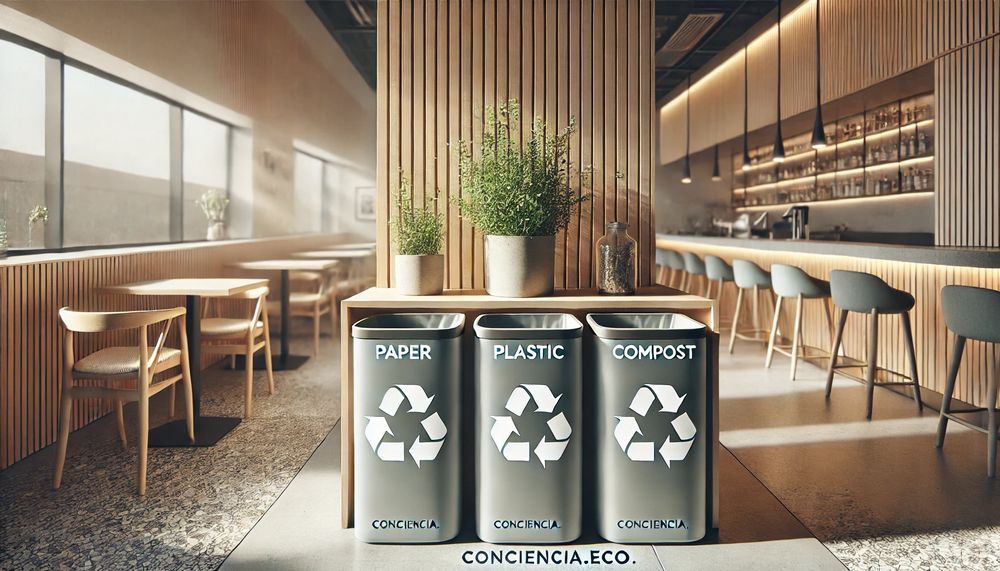
Make sure to properly separate the waste you generate at the café, such as cups, lids, and napkins. If the place has recycling stations, use them. If not, take the waste home to recycle it. Responsible recycling helps minimize the environmental impact of waste.
10. Promote Local and Seasonal Consumption
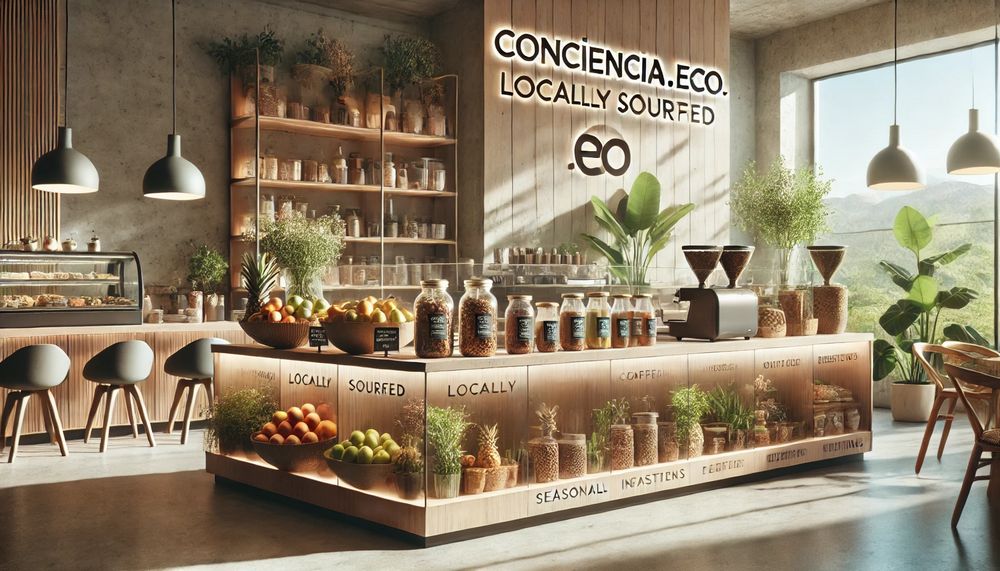
Whenever possible, support coffee shops that use local and seasonal ingredients. This not only boosts the local economy but also reduces the carbon footprint associated with transporting imported products. Your choice makes a difference!
How the Materials You Use at Coffee Shops Are Recycled
When you visit a coffee shop, it’s common to generate waste such as paper cups, plastic lids, napkins, and packaging. However, many of these materials can be recycled if handled properly. Here, we explain how the recycling process works for the most common types of waste:
- Paper cups: Although they have a plastic lining, they can be recycled if properly separated. It is important to remove the lid and discard any remaining beverage residue.
- Plastic caps: They are usually made of polypropylene (PP) and can be recycled at specialized centers. Be sure to clean them before placing them in the recycling bin.
- Napkins: These should not be recycled if they are dirty, but they can be composted if they are made of unbleached paper.
- Packaging: Some biodegradable packaging can be composted, while others must be separated for recycling depending on the type of material.
Recycling correctly requires a bit of effort, but it significantly helps reduce the waste that ends up in landfills.
Striking Facts About Consumption in Coffee Shops
| Category | Relevant Data | Environmental Impact |
|---|---|---|
| Disposable Cups | More than 16 billion paper cups are used worldwide every year. | They generate tons of waste, as many are not recyclable due to their plastic lining. |
| Reusable Cups | Using a reusable cup can save up to 500 disposable cups per person per year. | Reduces resource demand and prevents waste generation. |
| Plastic Straws | Every day, 500 million straws are used in the United States alone. | Many end up in the oceans, harming marine wildlife. |
| Local Consumption | Consuming local products reduces CO2 emissions by 10-20%. | It supports the local economy and reduces the carbon footprint of transportation. |
Impact of Local Consumption on the Carbon Footprint
Choosing to consume local products in coffee has a positive impact on the environment. Imported ingredients often require long transportation, which increases greenhouse gas emissions. In contrast, local products are not only fresher, but they significantly reduce the carbon footprint.
By supporting local producers, you also promote a more sustainable and conscious economy. As a consumer, you have the power to influence market practices with your choices. How about next time you visit a café, you ask where their ingredients come from? Every small action counts in protecting the planet!