Did you know that even something as everyday as listening to music can help care for the environment? By adopting some simple and practical habits, you can enjoy your favorite playlist while reducing your environmental impact. Here we share 10 clever ways to listen to music and minimize your carbon footprint. It’s easier than you think!
1. Use Headphones or Devices Powered by Solar Energy

If you’re looking to reduce your energy consumption, consider devices that harness solar power. There are solar headphones and chargers on the market that convert sunlight into energy for your devices. This way, you take advantage of a clean and renewable energy source while enjoying your favorite music outdoors.
2. Listen to Music via Streaming Only with Wi-Fi

Streaming consumes a considerable amount of energy, especially if you use mobile data. Connect to Wi-Fi whenever possible, as it is a more efficient way to access your songs. Additionally, you can take advantage of this to disable autoplay, further reducing energy impact.
3. Download Your Songs to Avoid Data Usage

Instead of constantly streaming music online, download your favorite songs. This will not only help you save mobile data, but also reduce the demand on servers, which require large amounts of energy to operate. A benefit for both you and the planet!
4. Share Your Streaming Subscription with Family or Friends
Shared streaming plans are an economical and sustainable option. Instead of having several individual accounts, share a subscription with your friends or family. This not only reduces digital resource consumption, but also encourages more responsible use of technology.
5. Choose Low Energy Consumption Devices
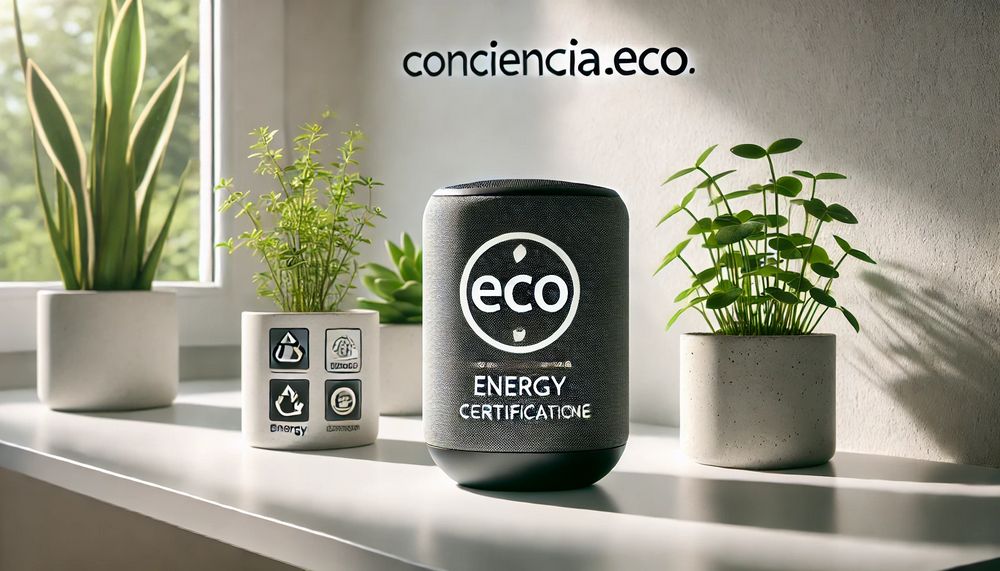
When choosing equipment like speakers, headphones, or players, opt for those that are more energy-efficient. Look for labels that certify low energy consumption. These devices usually last longer and create a lower environmental impact, making them a smart investment.
6. Turn Off Devices When Not in Use

Although it may seem like a small detail, leaving your devices on when you’re not using them unnecessarily increases energy consumption. Turn off your speakers, headphones, or players when you’re not listening to music. This simple habit can make a big difference in reducing your carbon footprint.
7. Choose Music Platforms That Use Renewable Energy
Some streaming platforms have adopted the use of renewable energy in their data centers. Research which ones support these types of initiatives and consider using their services. Listening to music on platforms committed to the environment is a way to support sustainability.
8. Listen to Music in Sustainable Physical Formats

Although digital formats are more common today, physical formats like vinyl records or CDs can be a sustainable option if you already own them. Enjoy the music you have without creating new waste and extend the lifespan of these materials.
9. Recycle Your Old Headphones and Devices Properly
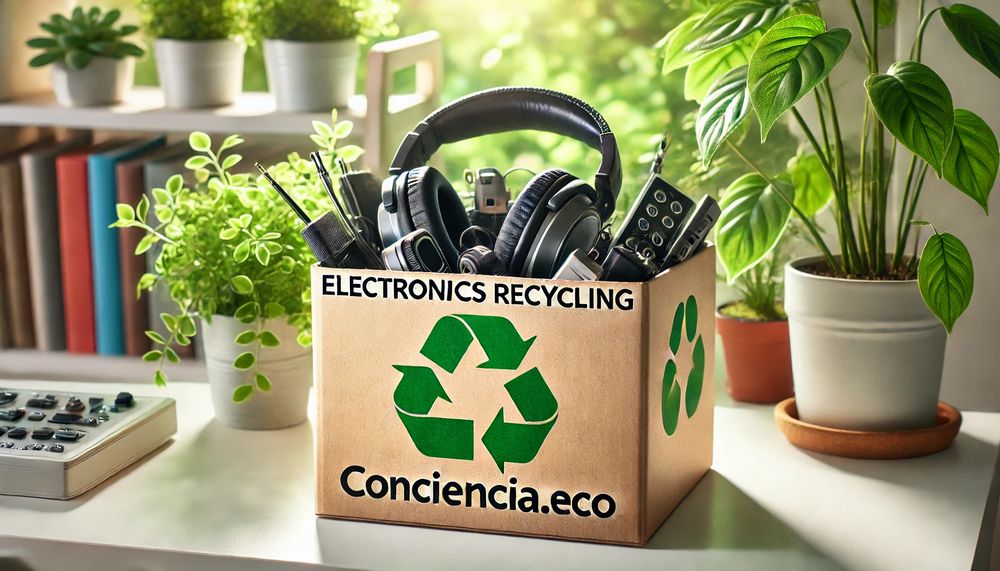
When your headphones or devices no longer work, don’t throw them in the trash. Take these items to specialized recycling centers. Many of their components can be reused, preventing them from polluting the environment.
10. Attend Local Concerts to Reduce Transportation Emissions

Supporting local live music not only benefits artists but also reduces the need for long-distance travel to attend events. Enjoy music close to home and help lower the carbon emissions caused by long journeys.
How to Properly Recycle Headphones and Electronics
Recycling electronic devices like headphones is essential to prevent them from polluting the environment. Many of their components contain materials that can be reused. Follow these steps to dispose of them responsibly:
- Identify a specialized recycling center: Look for facilities that accept electronic waste in your area.
- Sort your devices: Separate headphones from other electronics to ease the recycling process.
- Check if they can be repaired: Before recycling, see if it’s possible to give them a second life through repairs.
- Delete personal data: If the device has storage, make sure to erase all information.
- Deliver the equipment: Take your headphones and other electronics to the appropriate center for processing.
Recycling properly not only helps the planet but also promotes a circular economy by making the most of existing materials.
Environmental Impact of Digital Music Consumption and How to Reduce It
| Fact | Environmental Impact | How to Reduce It |
|---|---|---|
| Music Streaming | Generates 80 million tons of CO₂ per year due to server energy consumption. | Download songs to listen offline and use Wi-Fi instead of mobile data. |
| Earphone Disposal | More than 15 million earphones are discarded annually, most ending up in landfills. | Recycle earphones at specialized centers and choose durable models. |
| Production of Electronic Devices | It requires the extraction of minerals such as lithium, causing deforestation and pollution. | Buy sustainable devices and extend their lifespan through repairs. |
| Large-Scale Concerts | They can generate up to 500 tons of CO₂ from transportation and energy per event. | Attend local concerts and sustainable events that reduce environmental impact. |
Tips for Choosing More Sustainable Devices
When you purchase electronic devices, choosing sustainable options can make a significant difference in environmental impact. Here are some practical tips:
- Look for energy efficiency certifications: Prioritize devices with labels such as Energy Star or similar.
- Choose products made from recycled materials: Many modern devices use reused components.
- Opt for brands committed to sustainability: Research which companies have green policies and responsible manufacturing processes.
- Consider durability: Buy high-quality devices that last longer and avoid those with rapid obsolescence.
- Prefer reparability over replacement: Choose models with interchangeable and accessible parts for repair.
Making these decisions promotes more conscious and responsible consumption toward the environment.
The Impact of Technology on the Environment
The use of technology has a significant impact on the environment, from material extraction to electronic waste management. However, with small changes in our daily choices and habits, we can minimize this impact. Adopt more sustainable practices and promote a culture of care for the planet. The future of the environment depends on our actions today. Start making greener decisions and share these tips with those around you!