Caring for the environment while enjoying gardening is easier than it seems. Adopting sustainable practices not only benefits your plants but also the planet. In this list, we share with you 10 practical and easy ways to garden at home and make a positive difference in your surroundings. Let’s get our hands in the soil!
1. Use Homemade Compost to Fertilize Your Plants
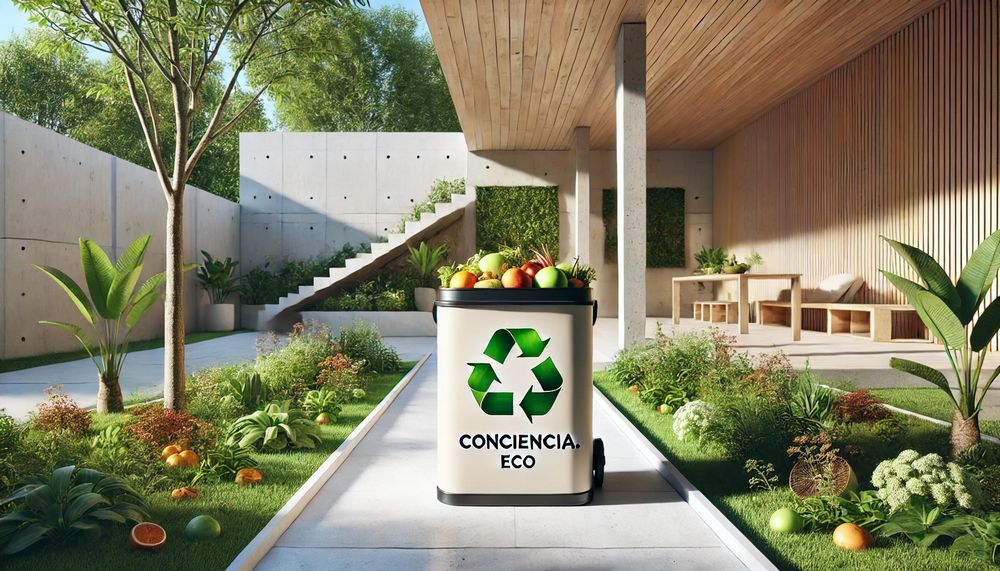
Homemade composting is an excellent way to make use of the organic waste from your home. Fruit peels, vegetables, and other biodegradable scraps can become a natural fertilizer full of nutrients for your plants. Besides reducing the amount of trash you produce, you’ll help enrich the soil in your garden.
2. Save Water with a Smart Irrigation System

Optimizing water use is essential for sustainable gardening. Drip irrigation systems or timers allow you to water your plants efficiently, avoiding waste. You can also water early in the morning or at dusk to reduce evaporation and make the most of every drop.
3. Plant Native Species to Promote Biodiversity
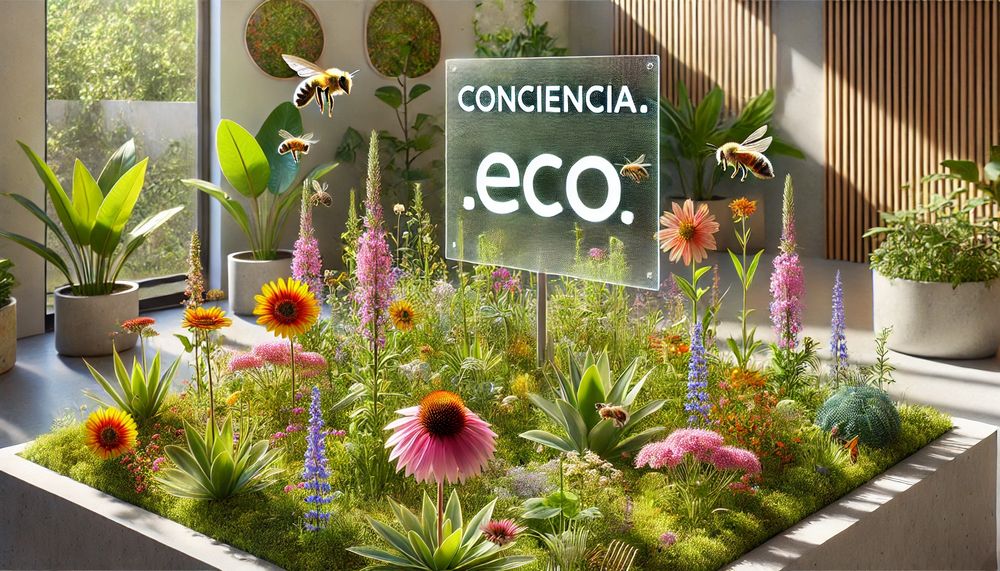
Native plants are a sustainable choice because they are adapted to the climate and soil of your region. By including them in your garden, you help preserve local biodiversity and provide shelter and food for native insects and animals, such as bees and butterflies.
4. Recycle and Reuse Old Pots
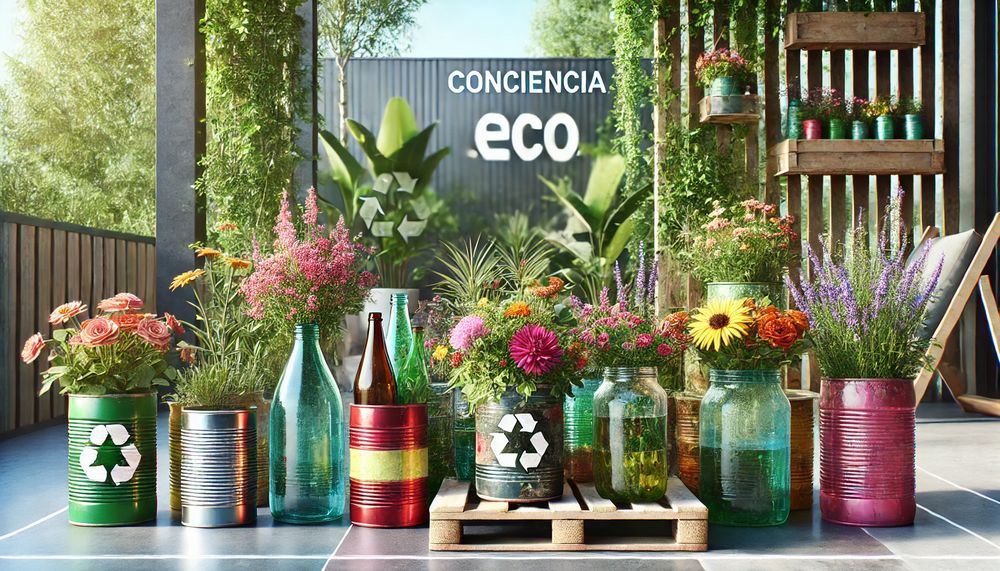
It’s not necessary to buy new pots when you can give a second life to the ones you already have at home. You can also use objects like cans, bottles, or old containers for planting. This way, you reduce waste and add a creative touch to your garden.
5. Create a Vertical Garden with Reusable Materials
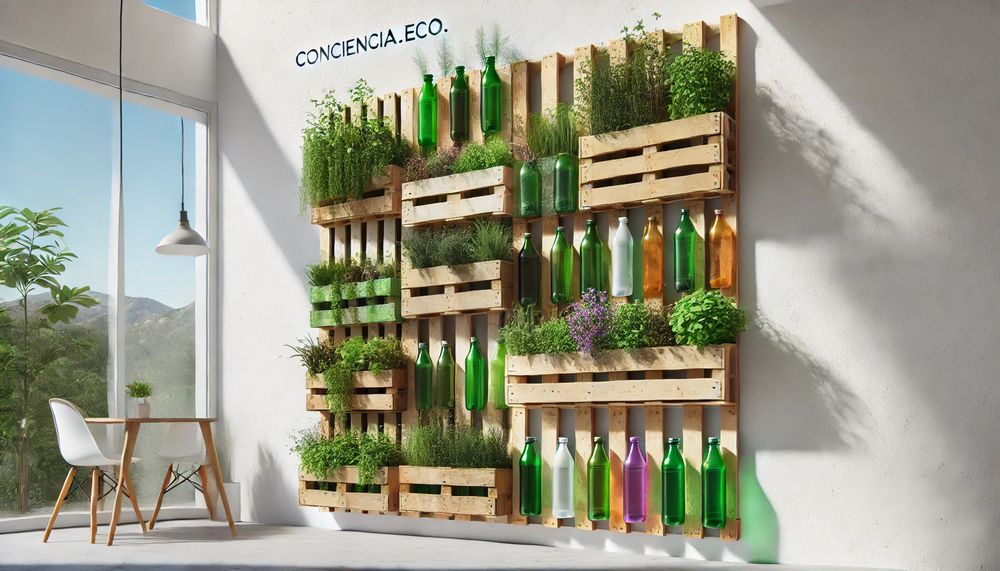
If you have limited space, a vertical garden is an excellent solution. Use reusable materials, such as wooden pallets or plastic bottles, to build it. It’s a practical and eco-friendly option that beautifies your walls while you grow herbs, flowers, or vegetables.
6. Avoid Using Chemical Fertilizers and Choose Organic Alternatives
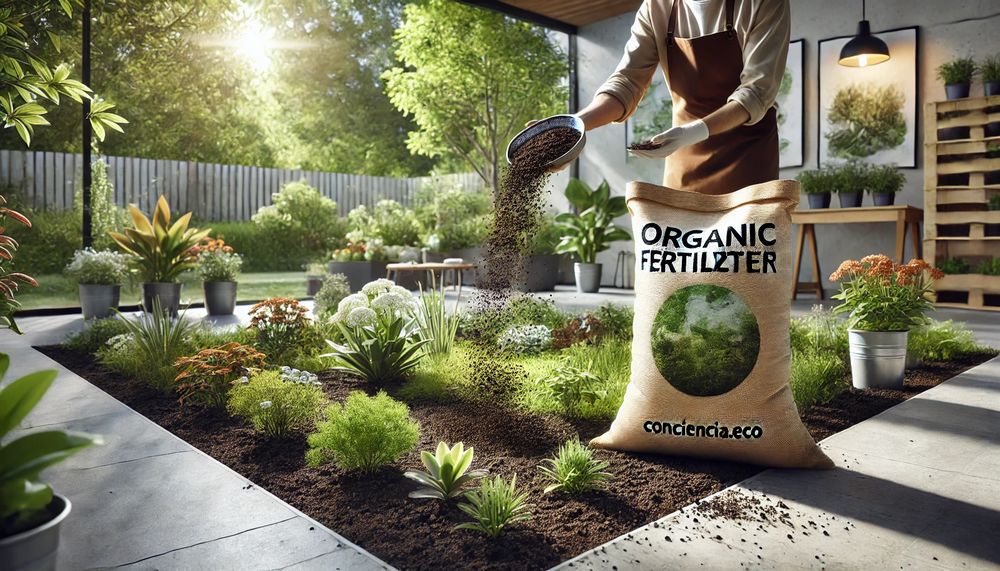
Chemical fertilizers can damage the soil and contaminate groundwater. Instead, use organic fertilizers, such as manure, worm castings, or compost. These alternatives nourish your plants naturally, without compromising the ecosystem balance in your garden.
7. Collect Rainwater for Use in Irrigation
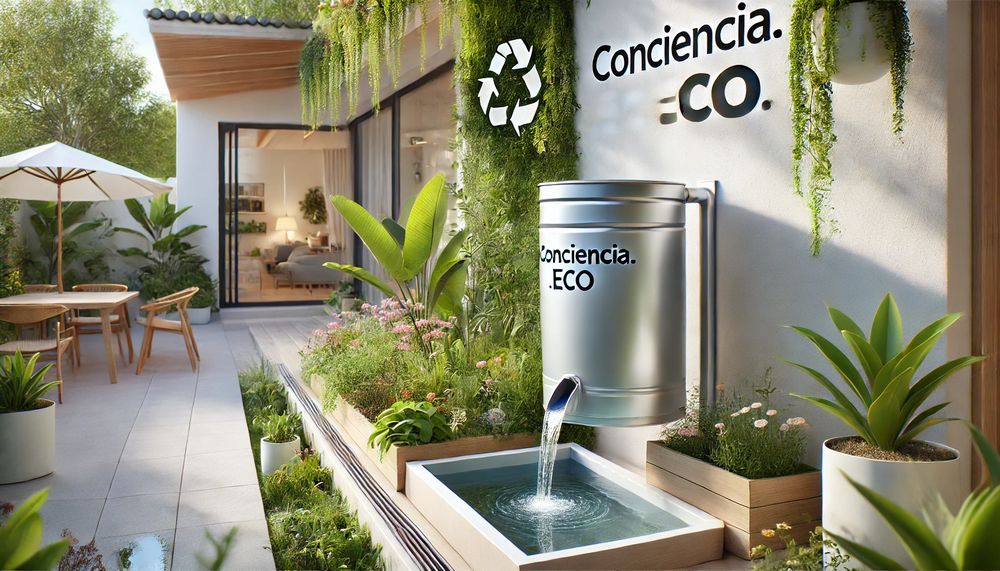
Harvesting rainwater is a simple way to care for the environment and save resources. Install a collection system using barrels or buckets to capture the water. This way, you will have a free and natural supply to keep your plants healthy, even during dry seasons.
8. Design an Edible Garden to Reduce Waste
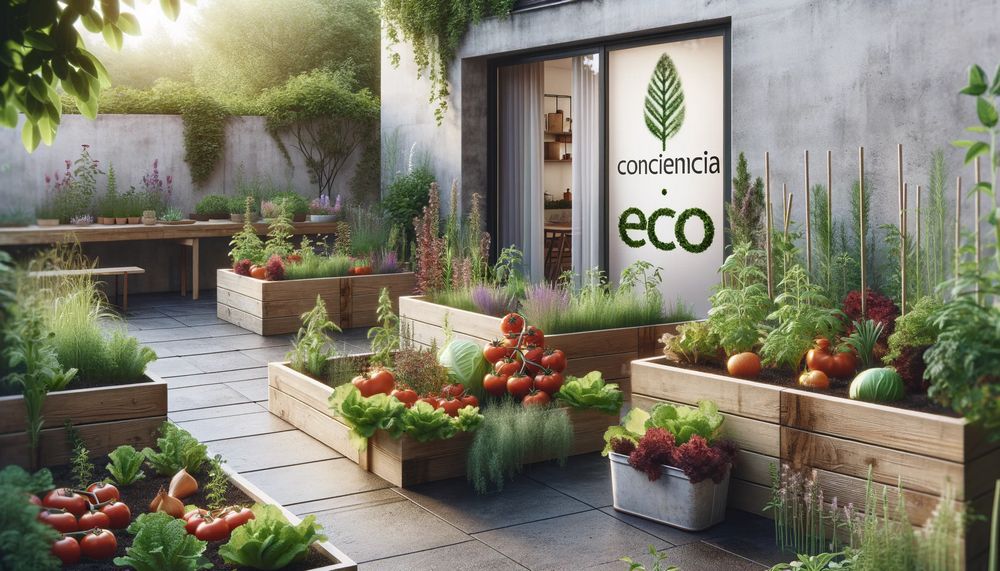
Growing your own food is not only rewarding but also sustainable. Having an edible garden, such as one with herbs, vegetables, or fruits, reduces reliance on commercial products and lowers the environmental impact associated with the transportation and packaging of food.
9. Use Solar Energy for Lighting Your Garden
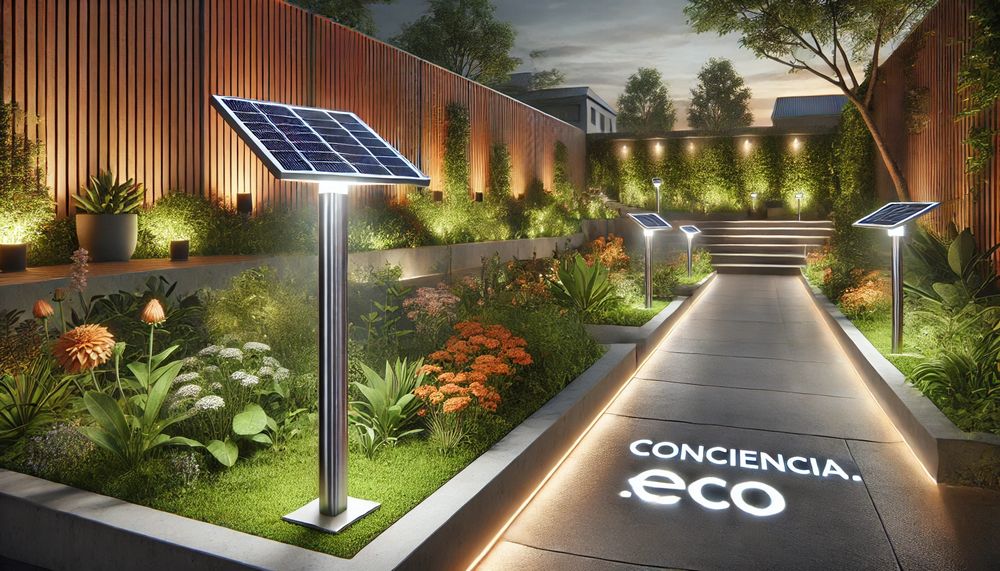
If you want to light up your garden at night, solar lamps are an eco-friendly and cost-effective option. These lights charge during the day and provide efficient illumination without consuming electricity. Additionally, they create a cozy and elegant atmosphere in your outdoor spaces.
10. Promote Habitat for Pollinators with Special Plants
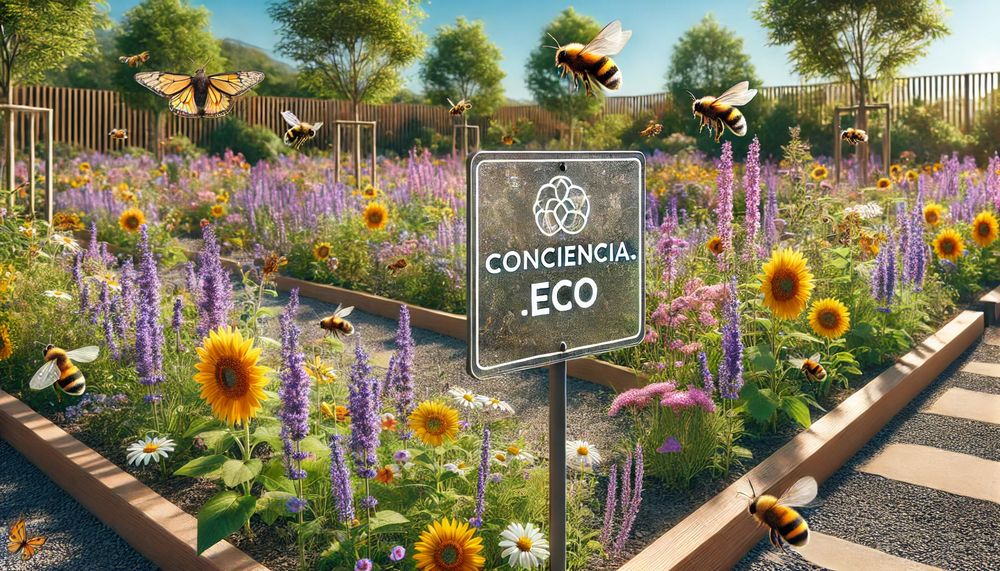
Pollinators, such as bees and butterflies, are essential for ecological balance. Include plants like lavender, sunflowers, or daisies in your garden to attract these important visitors. You will help preserve them while enjoying a garden full of life and color.
How to Choose the Best Species for a Sustainable Garden
Choosing the right plants for your sustainable garden is key to ensuring its success and reducing environmental impact. Opt for species that are resilient, low maintenance, and adapted to your region’s conditions. Here are some tips:
- Choose native plants: They are more resistant to pests and diseases, as well as requiring less water and fertilizers.
- Prioritize perennials: These plants live more than one year, reducing the need for constant replanting.
- Look for drought-resistant plants: Ideal if you live in areas with limited water availability.
- Include edible species: Such as herbs, vegetables, or fruit trees, to make the most of your garden.
- Be sure to consider sun exposure: Some plants prefer full sun, while others grow better in partial shade.
With these recommendations, you will create a garden that is not only beautiful but also efficient and environmentally friendly.
Comparison of Conventional vs. Sustainable Gardening Practices
| Appearance | Conventional Gardening | Sustainable Gardening |
|---|---|---|
| Water Use | Frequent and often wasted watering. | Efficient watering with drip systems or collected rainwater. |
| Fertilizers | Chemical fertilizers that contaminate soil and water. | Use of compost, worm castings, and organic fertilizers. |
| Waste | Generates plastic and packaging waste. | Promotes recycling and material reuse. |
| Plants | Non-native or invasive species are often chosen. | Native species that support biodiversity are prioritized. |
| Energy | Use of electric or gasoline-powered tools. | Manual tools or solar lighting are preferred. |
This table helps you identify the key differences between two gardening approaches. Take action and commit to sustainable practices to care for the planet!
Benefits of Creating a Sustainable Garden at Home
An eco-friendly garden at home not only beautifies your spaces but also offers multiple benefits for your life and the environment. This sustainable practice fosters a connection with nature and care for the planet. Below, we share some key benefits:
- Improves air quality: Plants filter pollutants and produce oxygen, creating a healthier environment.
- Promotes biodiversity: You provide a home for insects, birds, and other animals essential to the ecosystem.
- Reduce environmental impact: By using sustainable practices, you decrease resource consumption and waste generation.
- Contributes to personal well-being: Taking care of a garden helps reduce stress and improves your mental health.
- Promotes cost savings: Growing your own food reduces spending on supermarket products.
Take the First Step Toward a Sustainable Garden
Taking care of the environment from home is easier than you think, and a sustainable garden is an excellent starting point. Begin by applying some of the ideas shared here and gradually transform your green space into an eco-friendly refuge. Let’s get to work and make a difference!