Exploring the mountain is a wonderful activity that connects us with nature, but it also carries great responsibility. Adopting sustainable habits while enjoying a mountain hike not only protects the environment but also inspires others to do the same. Here we share with you 10 practical and simple ways to care for the environment while enjoying your next outdoor adventure.
1. Bring Your Own Reusable Bottle

Avoid disposable plastic bottles by carrying a reusable bottle with you. This not only reduces the amount of waste but also helps you stay hydrated during your hike. By choosing a reusable bottle, you are taking direct action to reduce plastic pollution, which severely impacts natural ecosystems.
2. Choose Marked Trails to Avoid Damage

The marked trails are designed to minimize the impact on the natural environment. Walking off them can damage plants and disrupt animal habitats. Staying on the trails is a simple way to enjoy the mountain without harming the ecological balance. Remember that leaving nature as you found it is part of being a responsible hiker.
3. Pick Up Your Trash and Others’
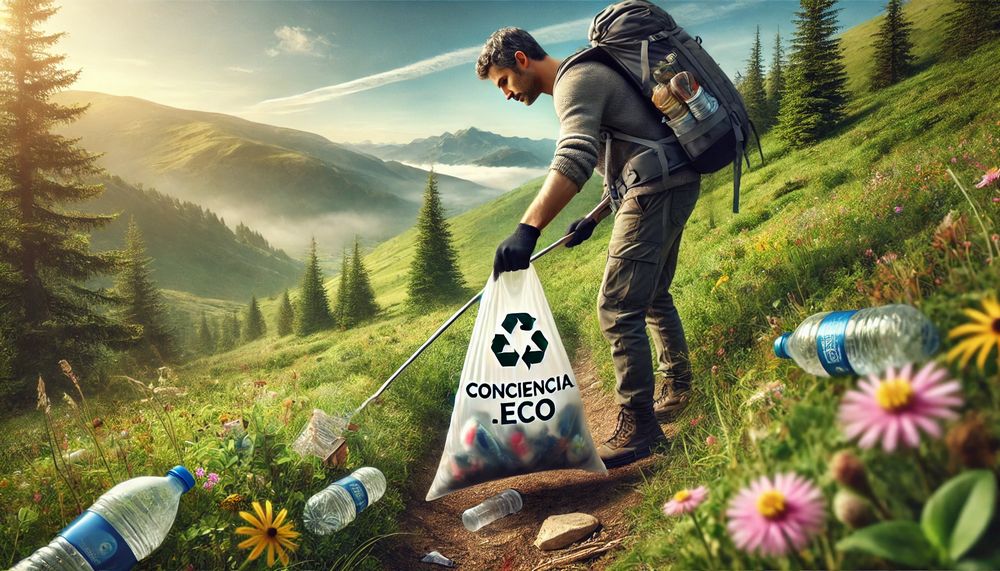
It’s not enough to just take your own trash with you—you can go further by picking up any litter you find along the way! This simple action has a big impact on environmental conservation. Bring an extra bag to collect waste and leave the place cleaner than you found it.
4. Use Biodegradable Sunscreen

Conventional sunscreen contains chemicals that can be harmful to ecosystems. Choose biodegradable sunscreens that protect both your skin and the environment. These products are more water- and soil-friendly, helping to preserve local flora and fauna.
5. Carry Your Food in Reusable Containers
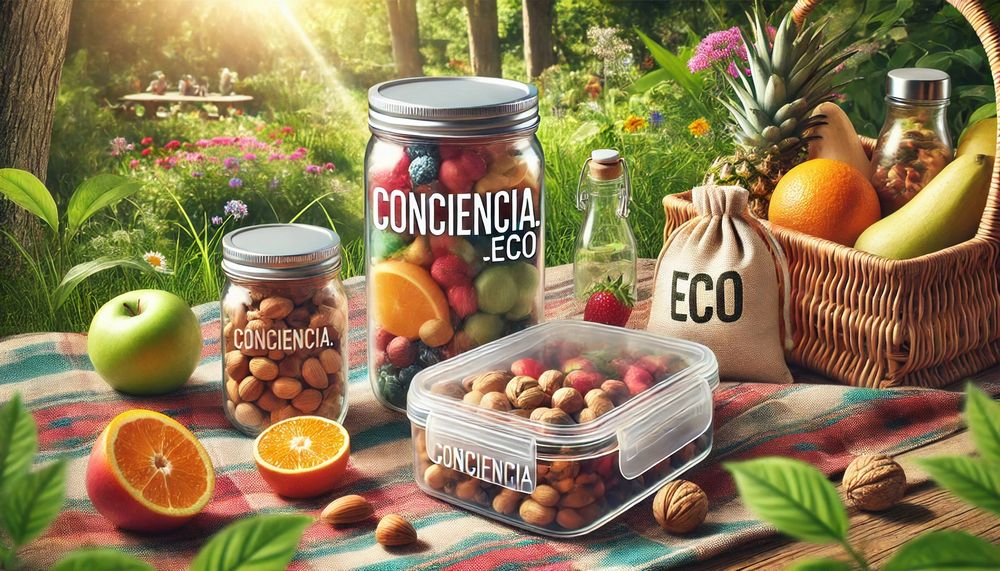
Pack your food in reusable containers to avoid generating plastic or aluminum foil waste. Besides being more practical, you contribute to reducing the amount of trash that ends up in natural environments. Choose silicone bags, glass jars, or reusable boxes to carry your snacks in a sustainable way.
6. Reduce the Use of Single-Use Plastics
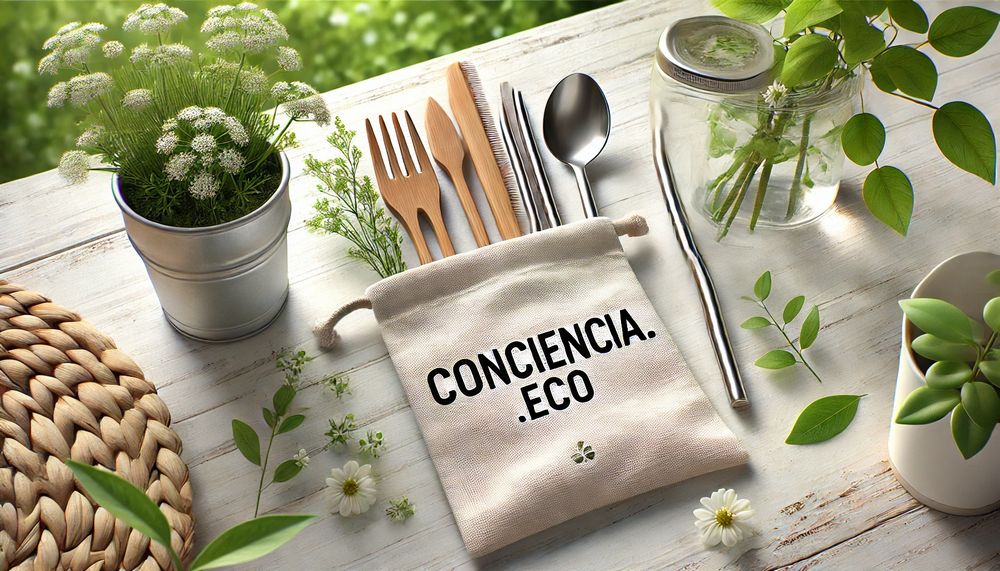
Avoid carrying disposable plastic items such as cutlery, plates, or bags. Instead, use reusable utensils that you can wash and use again. This small action can make a big difference, as single-use plastic is one of the biggest threats to natural ecosystems.
7. Respect Local Flora and Fauna
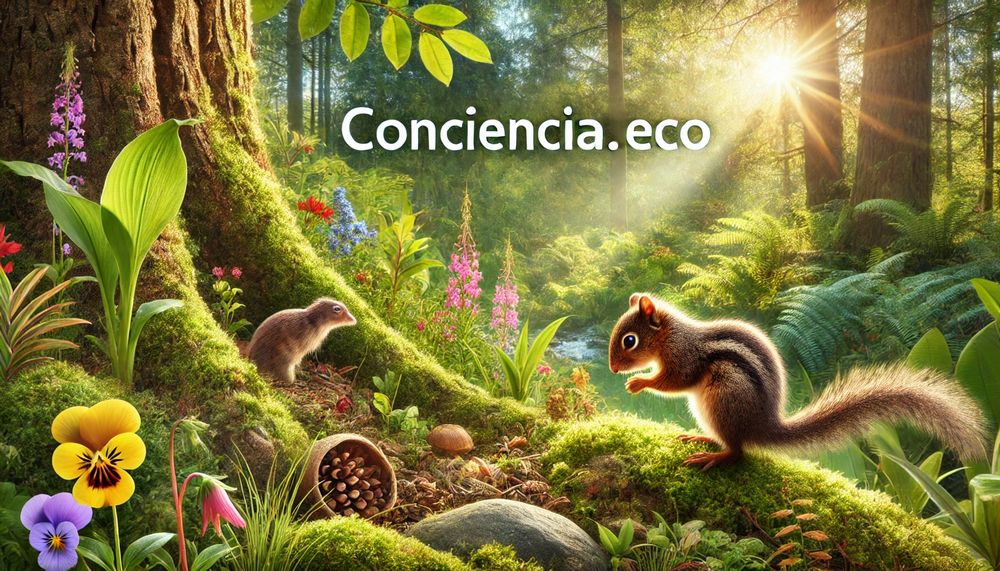
Admire the beauty of plants and animals without disturbing them. Do not pick flowers or feed the animals, as this can disrupt the ecosystem. Respecting the flora and fauna ensures that others can also enjoy nature in its original state.
8. Choose Shared or Public Transportation

Reaching the mountain sustainably is possible by using public transportation or carpooling with friends. This reduces pollutant gas emissions and helps ease road congestion. Additionally, sharing transportation also makes the experience more social and enjoyable.
9. Participate in Community Clean-Up Activities
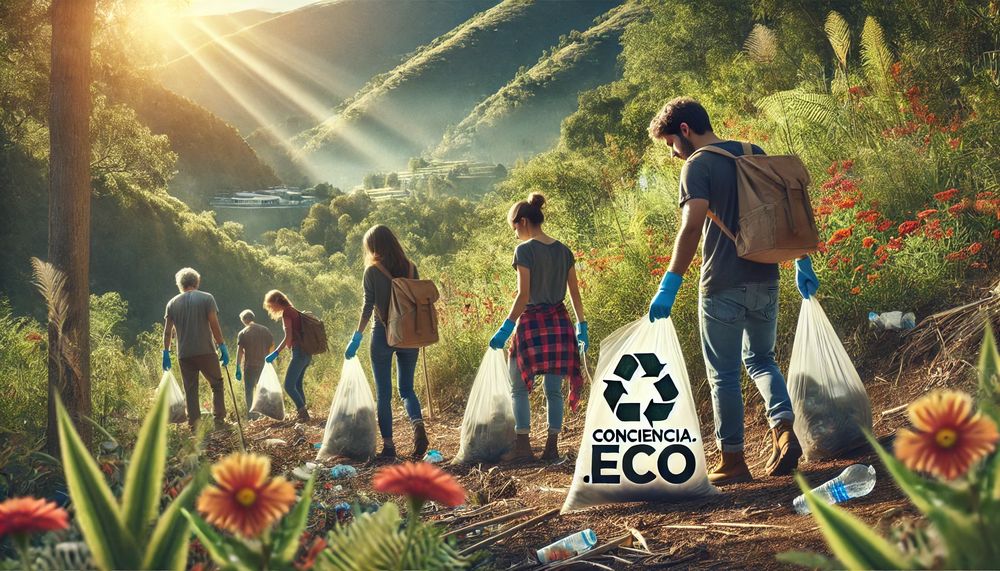
Many communities organize cleanup days in natural areas such as mountains and parks. Joining these initiatives not only helps preserve the environment but also fosters a spirit of collaboration and awareness in your community.
10. Buy Sustainable Clothing and Mountain Gear
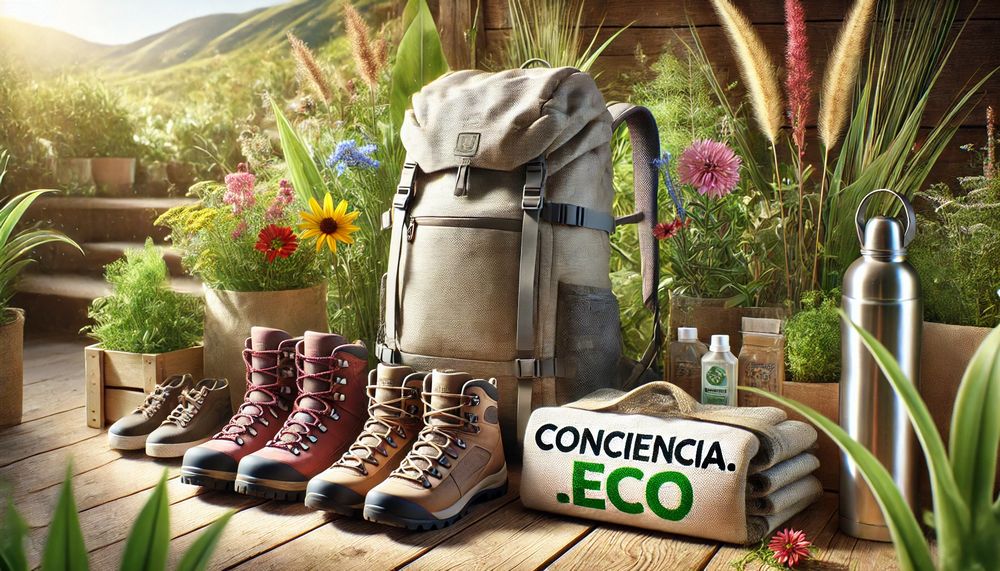
Choose garments and accessories made from recycled or sustainable materials. Many brands now offer eco-friendly options that are just as durable and comfortable. By choosing sustainable products, you support responsible practices and reduce your environmental footprint while enjoying the mountain.
The Recycling Cycle of Collected Waste
Recycling the waste you find during your mountain visit is a way to give it a new life and prevent it from polluting the environment. It is important to understand the recycling cycle to see how your actions contribute to environmental care. Here we explain the main stages of the process:
- Collection: Waste is separated and gathered at designated points to be taken to recycling facilities.
- Classification: At recycling plants, materials are sorted by type, such as plastic, glass, paper, or metal.
- Cleaning: The waste goes through a cleaning process to remove dirt residues and prepare it for transformation.
- Transformation: Recyclable materials are processed to become raw materials ready to manufacture new products.
- Manufacturing: Recycled raw materials are used to create new products, closing the loop and reducing the need to extract natural resources.
Understanding this process not only motivates you to pick up waste but also inspires you to properly sort and recycle in your daily life.
Environmental Impact of Waste and How to Reduce It
| Type of Waste | Decomposition Time | Sustainable Alternatives |
|---|---|---|
| Plastic | More than 400 years | Use reusable steel or glass bottles and containers. |
| Aluminum Cans | Between 80 and 200 years | Recycle them properly to reduce bauxite mining. |
| Paper and Cardboard | Between 1 and 5 months | Choose recycled products and reuse them whenever possible. |
| Glass | Undefined | Recycle it, as it can be reused infinitely without losing quality. |
| Cigarette Butts | Up to 10 Years | Avoid smoking in natural areas and dispose of cigarette butts in designated containers. |
This table highlights the impact of the most common waste and offers practical solutions to reduce their effect on the environment. Embracing sustainable alternatives makes a difference!
How to Choose Biodegradable Products for Your Outdoor Adventures
Choosing biodegradable products for your mountain outings is an effective way to protect the natural environment. Here are some key tips for making sustainable choices:
- Check the labels: Look for products that clearly indicate they are biodegradable and made from natural materials.
- Choose recyclable packaging: Make sure the packaging is also eco-friendly, preferably recyclable or compostable.
- Choose natural materials: Opt for paper, wood, or plant fiber products instead of plastic.
- Consider certified products: Look for certifications like “EcoLabel” or similar that guarantee the product is environmentally friendly.
- Avoid harmful chemicals: Choose products free of toxic substances, especially if used near water or soil.
Incorporating these products into your outings helps minimize environmental impact and promotes a more harmonious relationship with nature.
Tips for Educating Others About Environmental Care
Inspiring others to protect the environment is a powerful way to create positive change. Here are some tips for educating effectively:
- Lead by example: Show others how to adopt sustainable habits during your mountain outings.
- Share information: Use your social media to spread tips and resources about sustainability.
- Organize activities: Invite friends and family to participate in community clean-ups or eco-friendly workshops.
- Talk about benefits: Emphasize how caring for the environment improves the quality of life for everyone.
- Provides tools: Shares apps, guides, or websites that can help others learn more about sustainable practices.
Environmental education begins with small actions that inspire those around you. Share this article, organize an eco-friendly outing, or participate in local initiatives. Every step counts to protect the planet!