Washing your hands is an essential daily activity, but it can also be an opportunity to contribute to caring for the planet. With small changes in your daily routine, you can reduce water consumption, avoid using pollutant products, and promote more sustainable habits. Discover how to make this simple act a gesture in favor of the environment.
1. Turn Off the Faucet While You Lather Up

Leaving the water running while you lather can waste up to 6 liters of water per minute. Turning off the faucet when you don’t need it is one of the simplest and most effective ways to save water. This habit not only benefits the environment but also your water bill.
2. Use Natural and Biodegradable Soaps
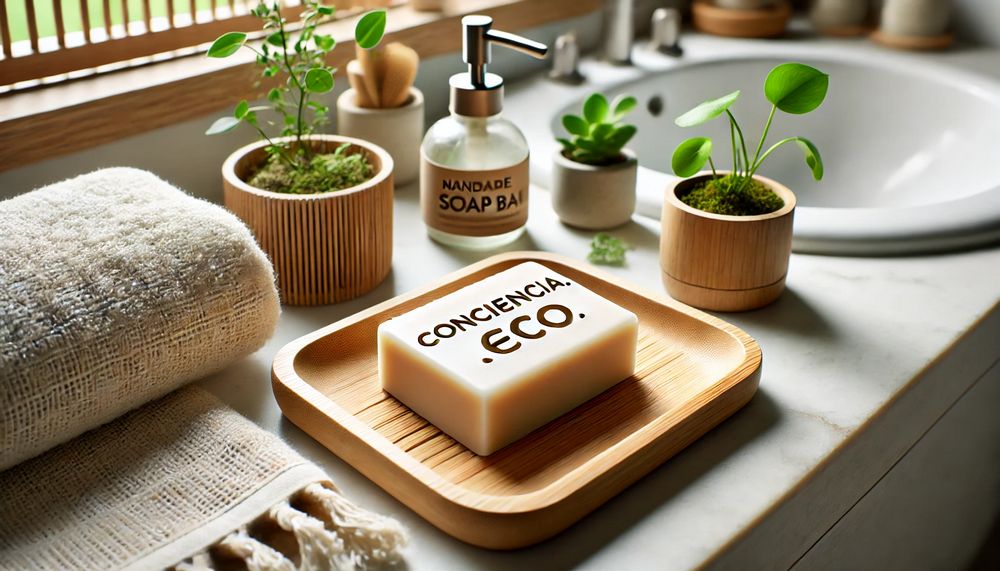
Commercial soaps can contain harmful chemicals that end up in rivers and oceans. Choosing natural and biodegradable soaps ensures that the water you use when washing your hands does not pollute the environment. Additionally, these products are often gentler on your skin.
3. Adjust Water Pressure to Reduce Waste
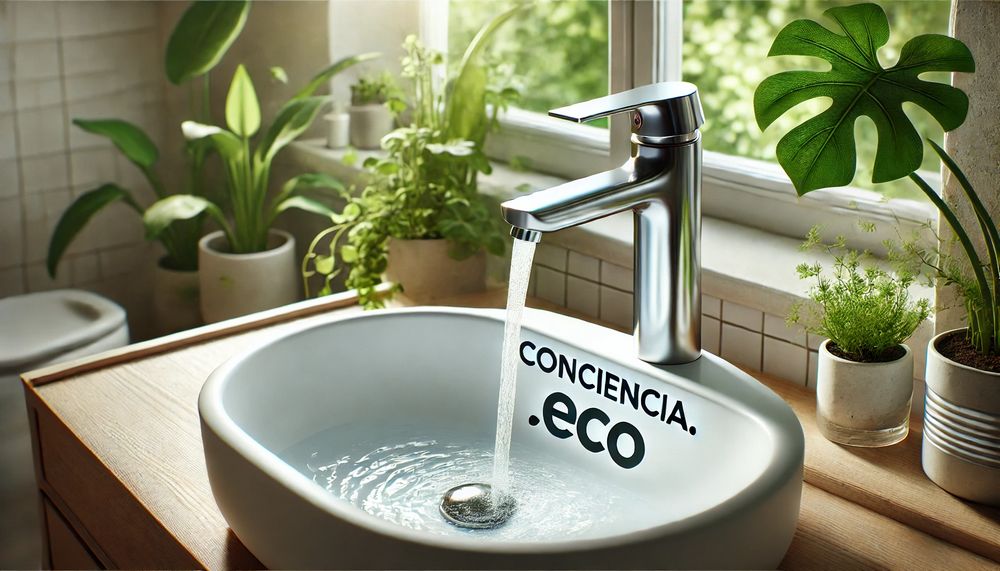
Excessive water pressure can cause unnecessary waste. If you reduce the flow intensity, you will use only the amount needed to effectively wash your hands. This small adjustment makes a big difference in water savings throughout the day.
4. Choose Reusable Towels Instead of Paper
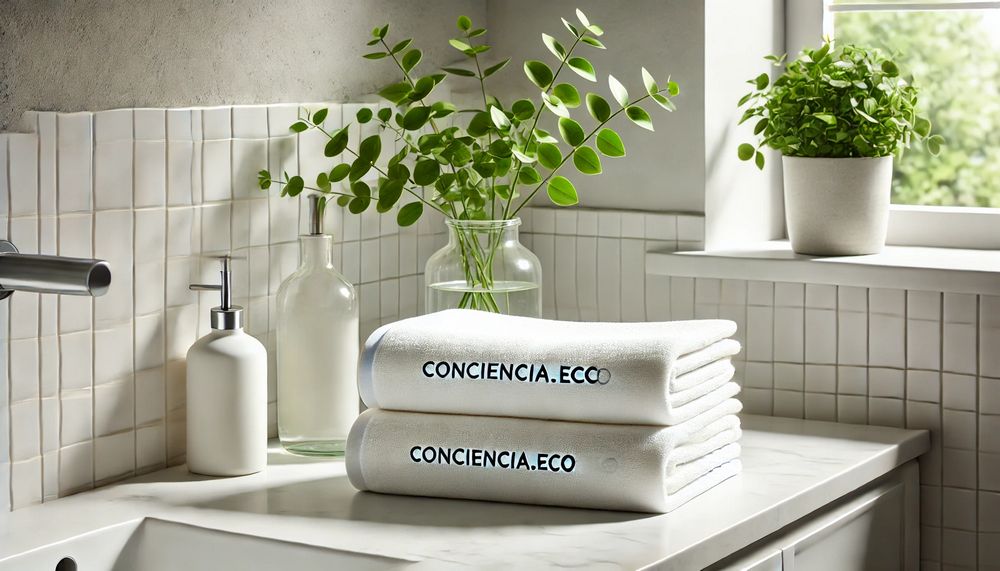
Paper towels generate a large amount of waste, especially if used multiple times a day. Replacing them with reusable cloth towels is a more sustainable option. Washing these towels along with your regular laundry can be a practical way to keep them clean without wasting extra resources.
5. Place a Container to Collect Excess Water
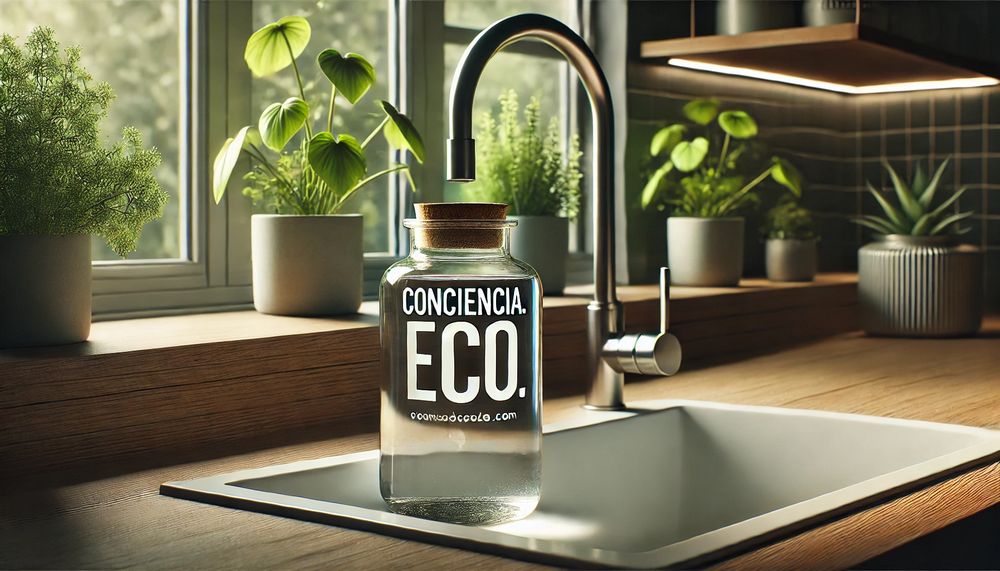
When you turn on the tap to wait for hot water, you can use a container to collect the running water. This water can be used to water plants or clean. It’s a simple solution to reduce daily waste without needing to drastically change your habits.
6. Install an Aerator on the Faucet
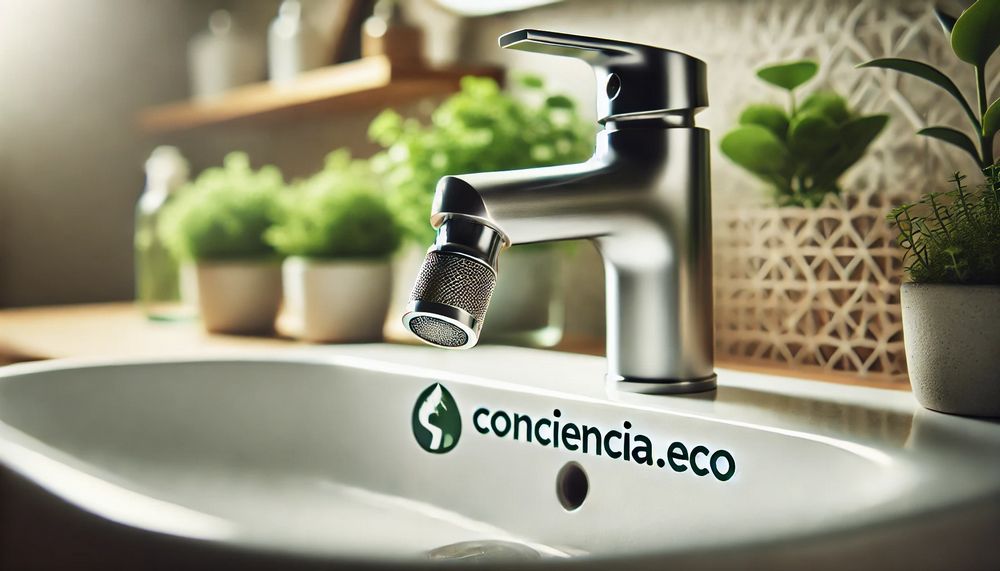
An aerator is an affordable device that you can install on the faucet to reduce water flow without compromising pressure. This small accessory mixes air with the water, achieving significant savings while you wash your hands. It’s an easy way to care for the environment right at home.
7. Reuse Collected Water to Irrigate Plants
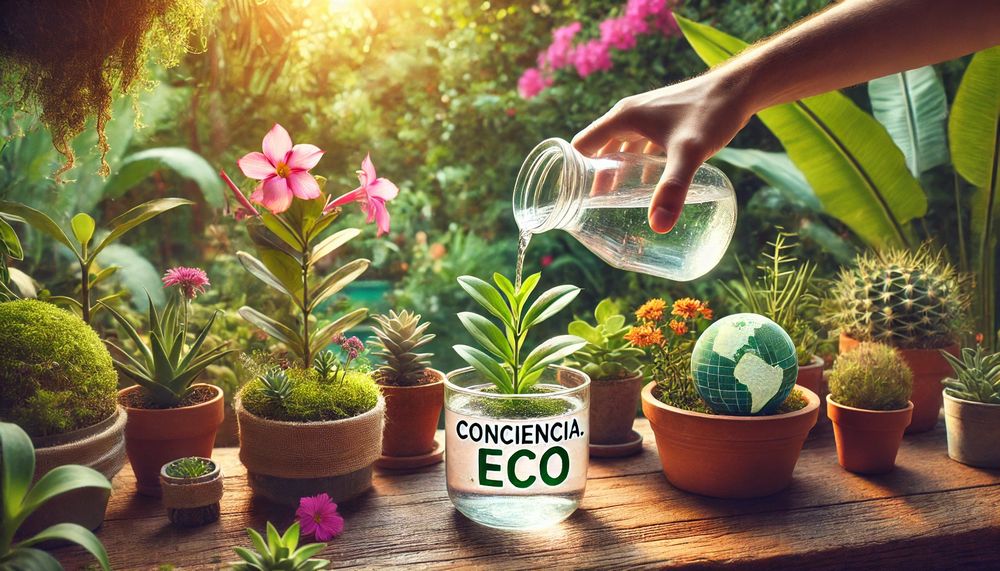
The water you collect while waiting for it to heat up can be reused to water your plants. This simple action is an efficient way to give water a second use, especially if you have a garden or potted plants.
8. Choose Low-Flow Faucets or Sensor-Activated Faucets
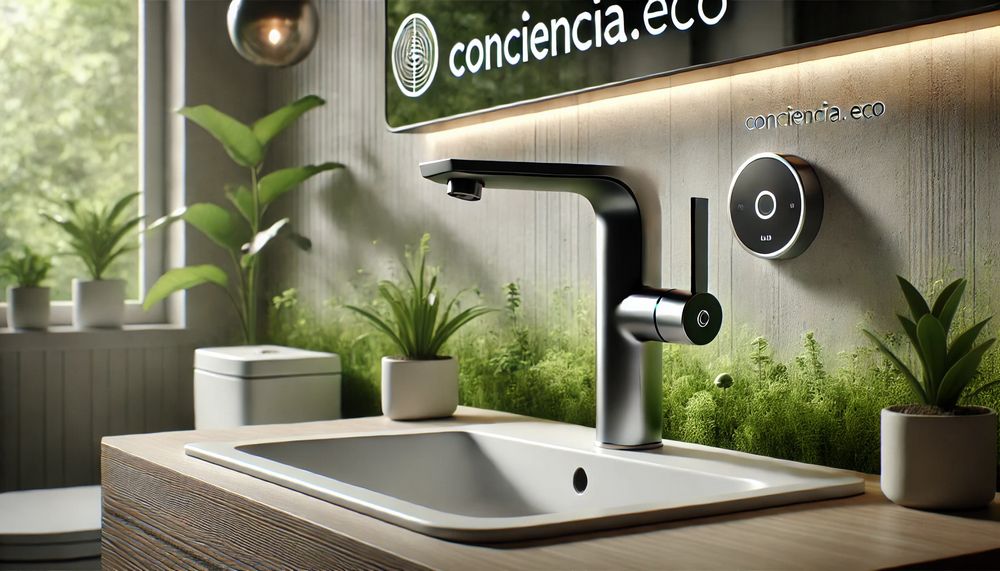
Low-flow faucets or those with automatic sensors are designed to reduce water usage. They are a sustainable investment that helps control the exact amount of water needed and prevents the faucet from being left on by mistake.
9. Avoid Using Soaps with Microplastics
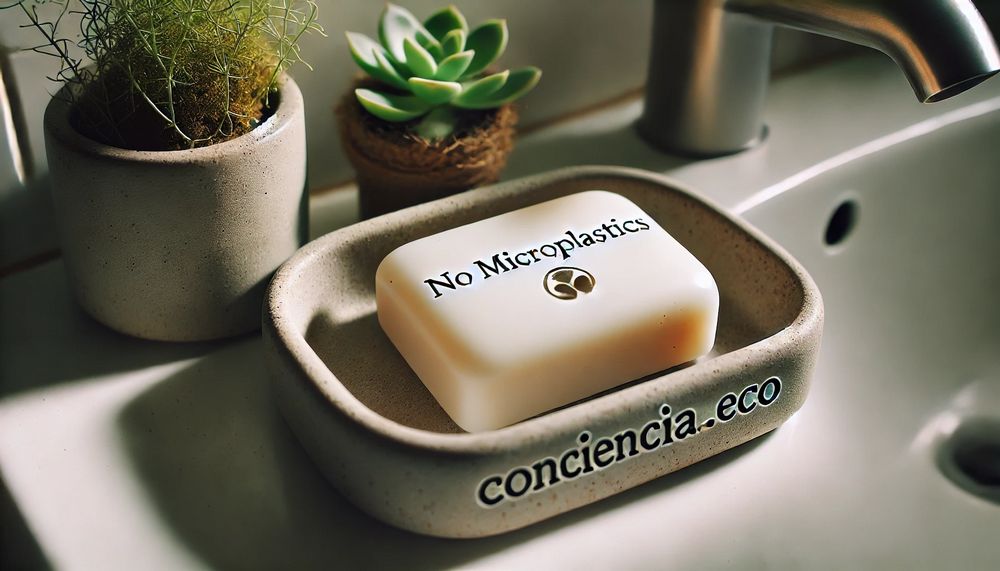
Some soaps and hygiene products contain microplastics that end up polluting aquatic ecosystems. Choose products free of these materials and opt for natural alternatives that are safe for the environment.
10. Teach Your Family to Save Water When Washing Their Hands
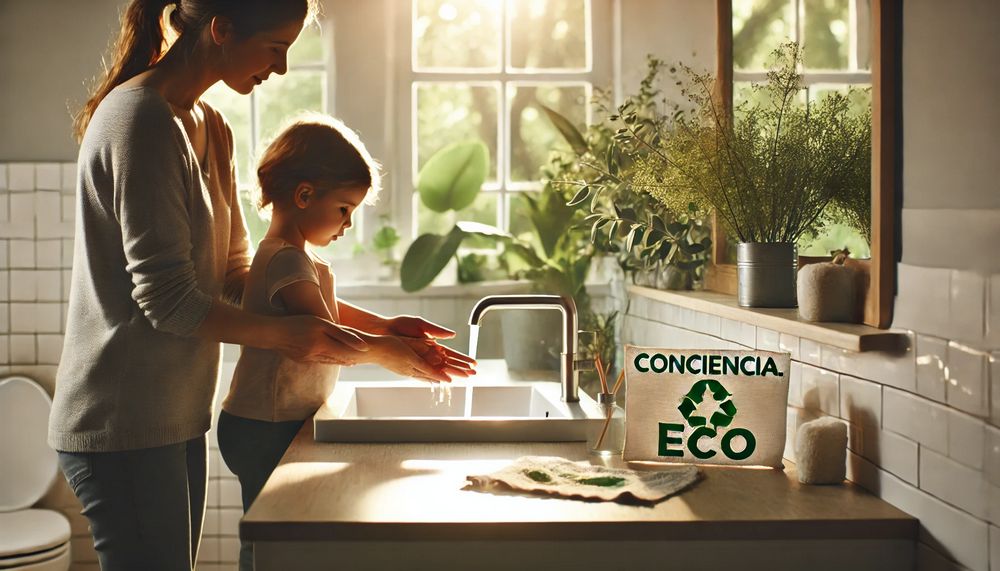
Sustainable habits start at home. Teach your children, partner, or family members how to turn off the faucet and choose responsible products, and make water conservation a shared responsibility. By educating others, you expand the positive impact of your daily efforts.
Advantages of Using Natural Handmade Soaps
Natural handmade soaps are a sustainable alternative that benefits both the environment and your skin. Made with eco-friendly ingredients and free from harsh chemicals, their use helps reduce pollution and promotes a healthier lifestyle. Some of their main advantages are:
- Biodegradability: They naturally break down without harming aquatic ecosystems.
- Skin-friendly: Their natural ingredients hydrate and nourish without causing irritation.
- Responsible production: Many handmade soaps are made with sustainable practices and fair trade.
- No microplastics: They do not contain particles that harm marine wildlife.
- Customizable: You can find varieties with specific fragrances and properties to suit your needs.
Impact of Responsible Water Use and Sustainable Products
| Fact | Environmental Impact |
|---|---|
| Turn off the tap while soaping up | Save up to 6 liters of water per minute. |
| Use biodegradable soaps | You prevent the contamination of rivers and oceans by chemical products. |
| Installing an aerator on the faucet | Reduces water consumption by up to 50%. |
| Reuse collected water | Reduces the use of drinking water for tasks such as watering plants. |
| Avoid products with microplastics | You protect marine wildlife and maintain healthy ecosystems. |
How to Recycle Liquid Soap Containers
Liquid soap containers are a source of plastic waste that can be easily recycled with a little effort. By giving these materials a second life, you help reduce the buildup of plastics in the environment. Follow these steps to recycle them properly:
- Rinse containers: Make sure to remove all soap residue before recycling them.
- Separate the caps: Remove the caps or pump dispensers, as they are usually made of a different type of plastic.
- Sort by plastic type: Check the recycling symbol on the container and sort it according to your local regulations.
- Take them to a recycling center: Drop them off at designated points for recyclable plastics or appropriate containers.
- Reuse them if possible: Before recycling, consider whether the container can be used to store other liquids or household products.
Tips to Reduce Resource Consumption at Home
Adopting sustainable habits at home is an excellent way to minimize environmental impact and optimize resource use. From saving water to reducing energy consumption, small changes can make a big difference. Here are some tips to get started:
- Fix dripping faucets to prevent water waste.
- Unplug appliances you are not using to save electricity.
- Use LED bulbs instead of traditional ones to reduce energy consumption.
- Collect rainwater to water your plants or clean outdoor areas.
- Buy in bulk to reduce the use of unnecessary containers and packaging.
Conclusion: Implementing these practices not only helps protect the environment but also promotes a more efficient and cost-effective home. Start today! Every small effort counts, and together we can create a more sustainable future. What changes will you make first?