Washing your car is a common daily activity, but it can have a significant impact on the environment if not done consciously. Fortunately, there are simple ways to do it while reducing water consumption, avoiding harmful chemicals, and contributing to the care of the planet. Here we present 10 easy and practical ways to protect the environment while washing your car.
1. Use a Tub or Bucket Instead of a Hose to Save Water
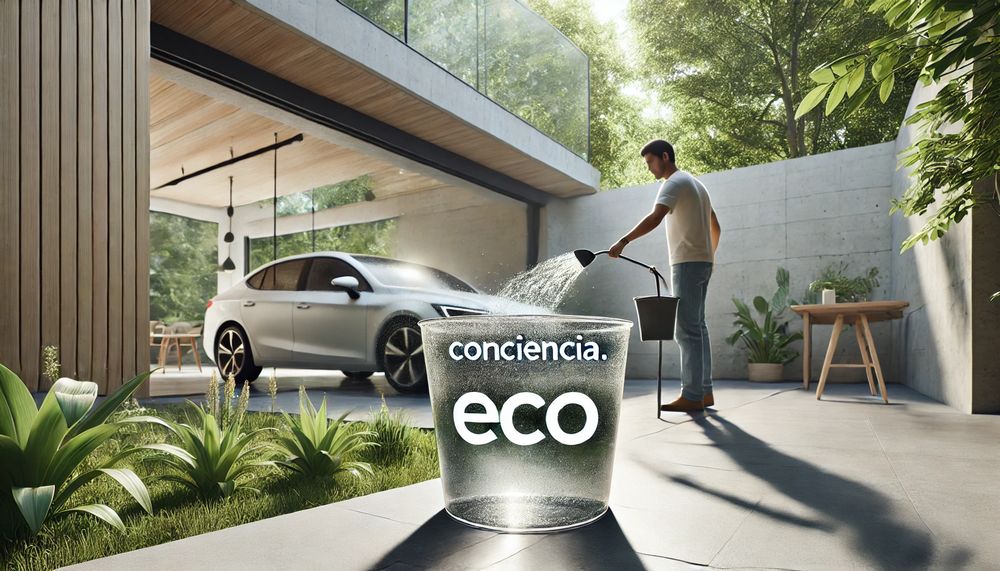
Using a hose to wash your car can waste hundreds of liters of water. Instead, use a tub or bucket to better control the amount of water you use. This not only reduces waste but also helps lower your water bill while doing your part to conserve this valuable resource.
2. Reuse Rainwater to Wash Your Car
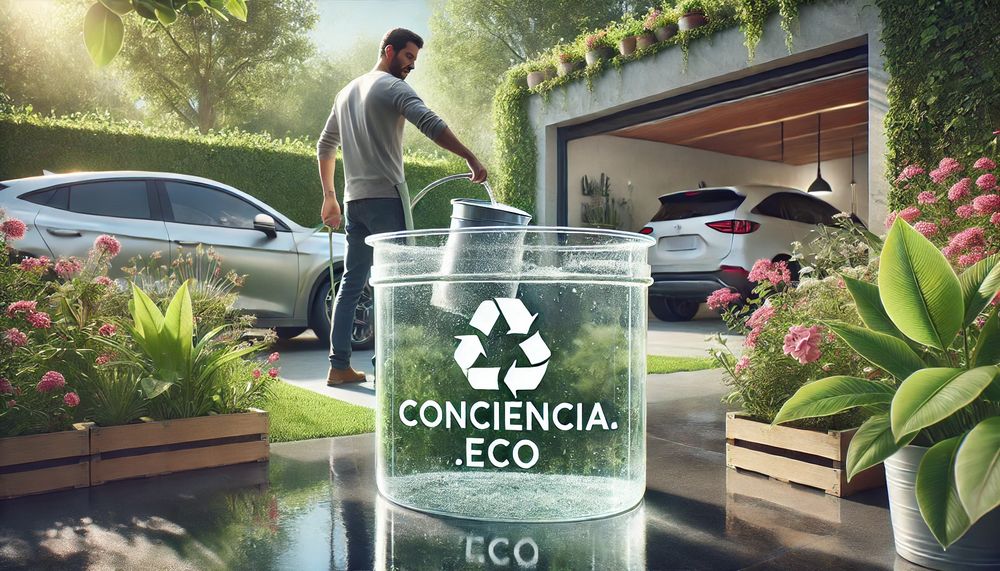
Harvest rainwater by collecting it in tanks or buckets. It is an excellent option for washing your car without using drinking water. Besides being an eco-friendly solution, you give water a new purpose that would otherwise simply evaporate or run off into the streets.
3. Choose Biodegradable Cleaning Products
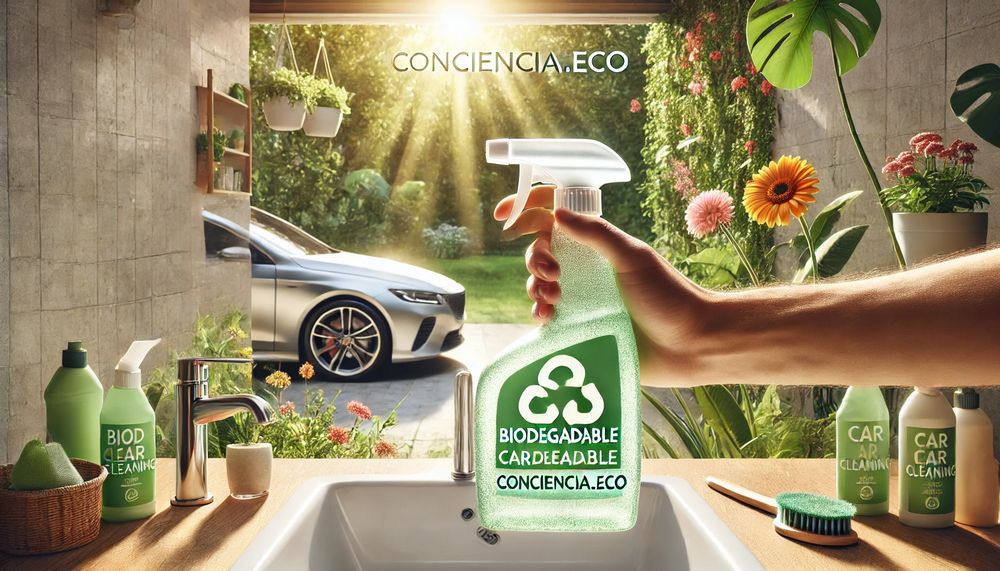
Conventional cleaning products may contain toxic chemicals that ultimately harm the environment. Choose biodegradable products that are safe for water and soil. With this small action, you can avoid contaminating the ecosystem and keep your car spotless at the same time.
4. Clean with Microfiber Cloths to Reduce Waste

Microfiber cloths are reusable, effective at trapping dirt, and gentle on car paint. You will avoid using disposable paper or other single-use materials, thus reducing the amount of waste generated during washing.
5. Wash Your Car at Sustainable Car Wash Stations

Eco-friendly car wash stations usually use water recycling systems and environmentally friendly products. Additionally, many of these stations are more water-efficient than washing your car at home. You contribute to caring for the planet while enjoying a professional wash.
6. Use Surplus Water to Irrigate Your Plants
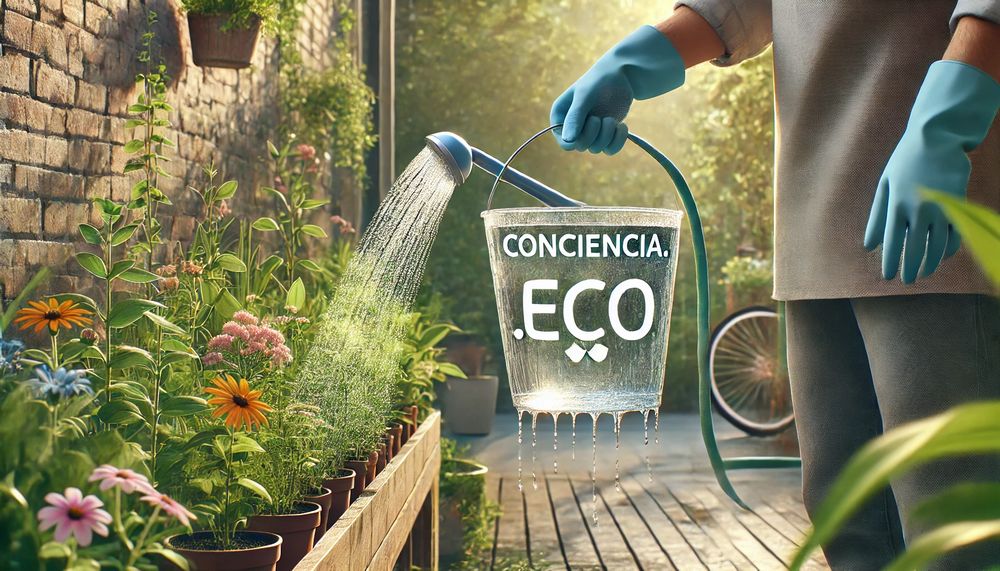
The water you use to wash your car, as long as it doesn’t contain harmful chemicals, can be repurposed to water your plants or garden. This way, you reduce waste and give the water a dual purpose, caring for both your vehicle and the vegetation.
7. Choose Low Energy Consumption Times for Washing
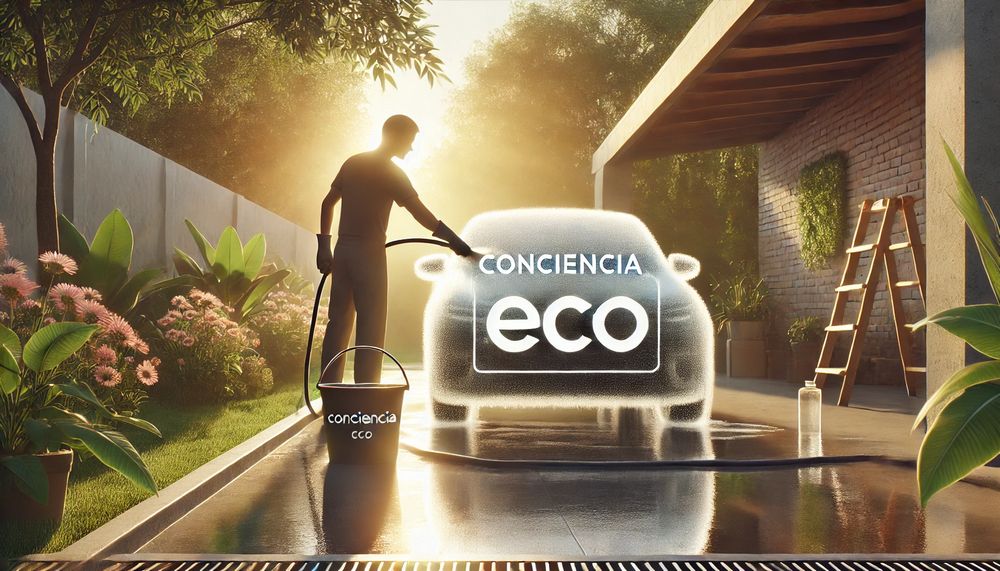
Washing your car early in the morning or at dusk prevents rapid water evaporation and maximizes its use. Additionally, these times usually have lower electricity demand if you use tools like vacuums or pressure washers. Small adjustments like this make a big difference in washing efficiency.
8. Use Only the Necessary Amount of Water and Soap
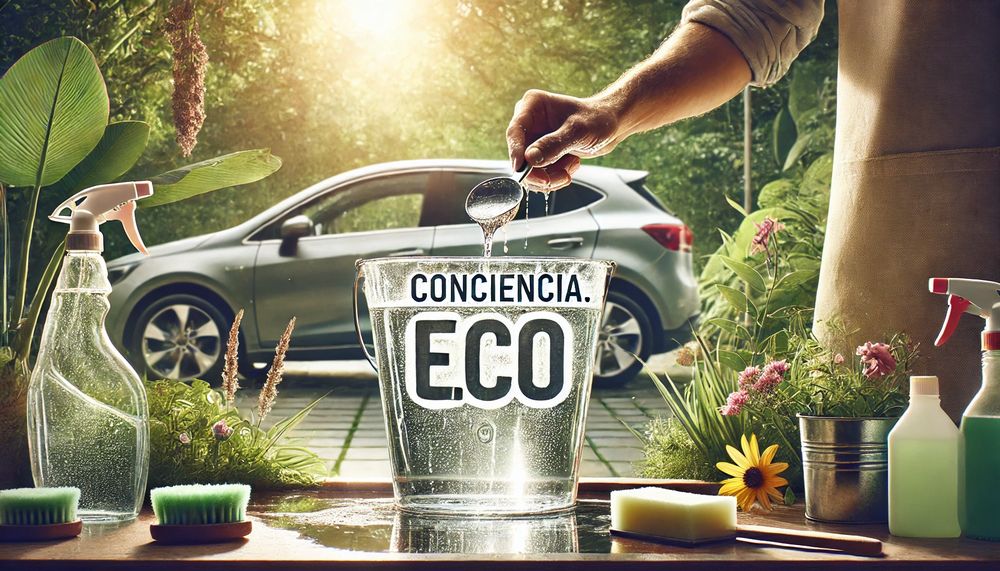
It’s easy to overuse water and soap when washing, but with a bit of awareness, you can reduce this waste. Use only what’s necessary for each part of the car and rinse efficiently. This helps you conserve resources and maintain a sustainable approach in your daily activities.
9. Clean with Rags Made from Old Clothes You No Longer Use
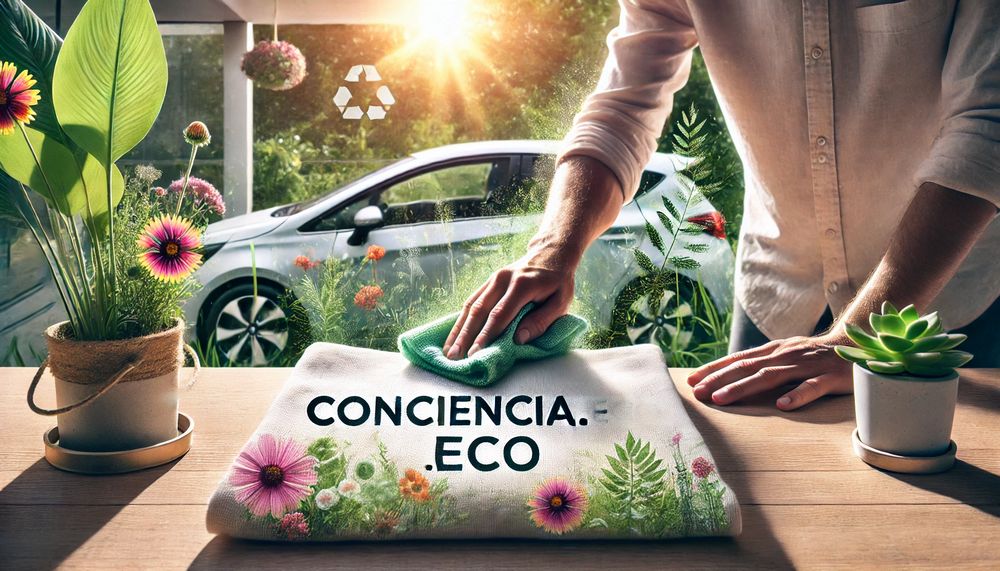
Instead of buying new cloths, reuse old t-shirts or towels as rags to clean your car. This practice reduces textile waste and allows you to give a second life to materials you no longer need.
10. Keep Your Car Clean Frequently to Reduce Washing

Regular maintenance of your car’s cleanliness helps prevent the buildup of dirt that is difficult to remove. This means you will need to wash it less often and with less effort, which significantly reduces water and cleaning product consumption.
How to Choose Biodegradable Cleaning Products
When selecting products to wash your car, it is important to choose those that are biodegradable and environmentally friendly. This not only protects ecosystems but also reduces pollution in water bodies. Here are some tips to help you choose the best products:
- Look for eco-friendly certifications: Make sure the product has seals that guarantee it is safe for the environment.
- Avoid toxic ingredients: Check that they do not contain phosphates, ammonia, or chlorine, as these are harmful to nature.
- Choose concentrated options: Concentrated products last longer and create less packaging waste.
- Read the label: Check that the formulas are 100% biodegradable and safe for flora and fauna.
Using biodegradable products not only protects the planet but also demonstrates a commitment to a more sustainable lifestyle.
Impact of Water and Chemical Use in Car Washing
| Fact | Environmental Impact | Sustainable Action |
|---|---|---|
| A hose wash can consume up to 500 liters of water. | It contributes to the waste of potable water, an increasingly scarce resource. | Use a tub or bucket to reduce consumption to less than 50 liters. |
| 80% of conventional cleaning chemicals end up in water bodies. | They harm aquatic flora and fauna, affecting biodiversity. | Choose biodegradable and eco-friendly products. |
| Washing the car directly on the ground can contaminate the aquifer with residues. | Contaminants penetrate the soil and affect the quality of groundwater. | Conduct washing in areas prepared with drainage systems. |
| A dirty car requires more effort and products to clean. | Higher resource consumption and waste generation. | Keep your car clean with regular and convenient washes. |
The Environmental Impact of Laundry Waste
The waste generated from washing your car, such as oils, soaps, and dirt, can contaminate soil and water if not properly managed. These pollutants directly impact ecosystems and the health of nearby communities.
It is crucial to properly collect and dispose of these wastes. Wash your car in designated areas with filtration systems or collect the waste to prevent it from reaching the environment. Remember that every small effort adds up to reduce environmental impact.
Act now: Start adopting these sustainable habits the next time you wash your car. Make every wash an opportunity to care for the planet.