Watching television is a daily activity that can become an opportunity to protect the planet. By making small changes to your habits, you can reduce your environmental impact without giving up your entertainment time. Here we share 10 practical ways to care for the environment while enjoying your favorite series from the comfort of your home.
1. Choose Renewable Energy to Power Your Devices
Using electricity from renewable sources such as solar panels or green energy companies is an effective way to care for the environment. This significantly reduces the carbon emissions associated with your energy consumption. Consider switching to a clean energy rate to make your time in front of the TV more sustainable.
2. Use a Energy-Efficient Television
Choosing televisions with energy certification, such as LED models, helps reduce electricity consumption. These devices are not only better for the environment but also lower your energy bills. Check the energy efficiency label before making your next tech purchase.
3. Adjust the Screen Brightness to Save Energy
Most modern televisions allow you to adjust the brightness according to the lighting conditions. Lowering the brightness is not only easier on the eyes but also saves energy. Setting your TV to eco mode is a simple way to make your entertainment more sustainable.
4. Download Episodes to Watch Offline and Reduce Data Usage
Online streaming can generate high energy consumption due to the use of data centers. Downloading episodes or movies to watch offline helps reduce this impact. In addition, you will avoid interruptions caused by connection issues and contribute to lowering global energy demand.
5. Reduce the Use of Air Conditioning or Heating While Watching TV
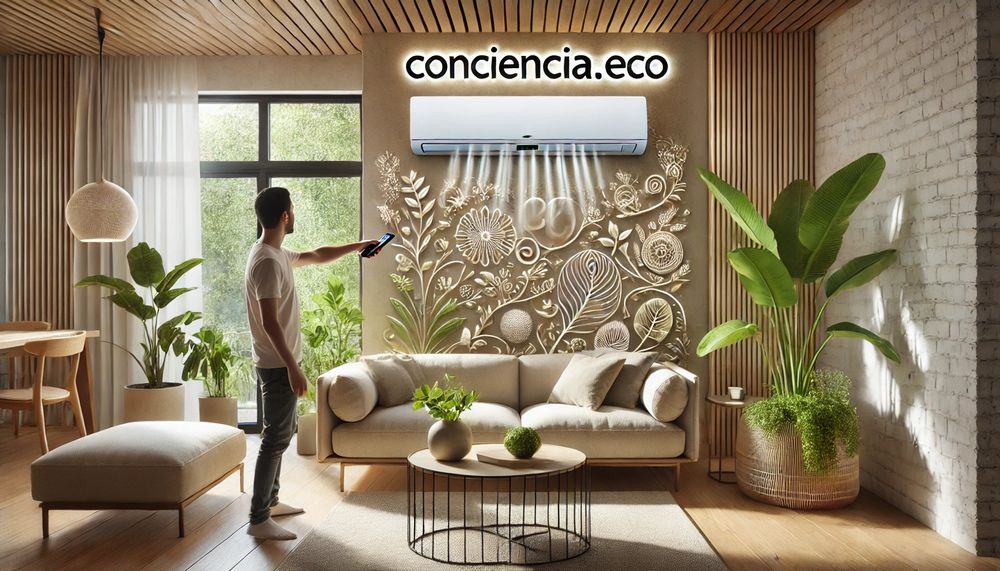
Adjusting your home’s temperature efficiently while watching TV can make a big difference. Use fans, blankets, or appropriate clothing according to the season to stay comfortable without relying excessively on air conditioning or heating. Small changes in your habits can significantly reduce your ecological footprint.
6. Reuse and Recycle Remote Control Batteries
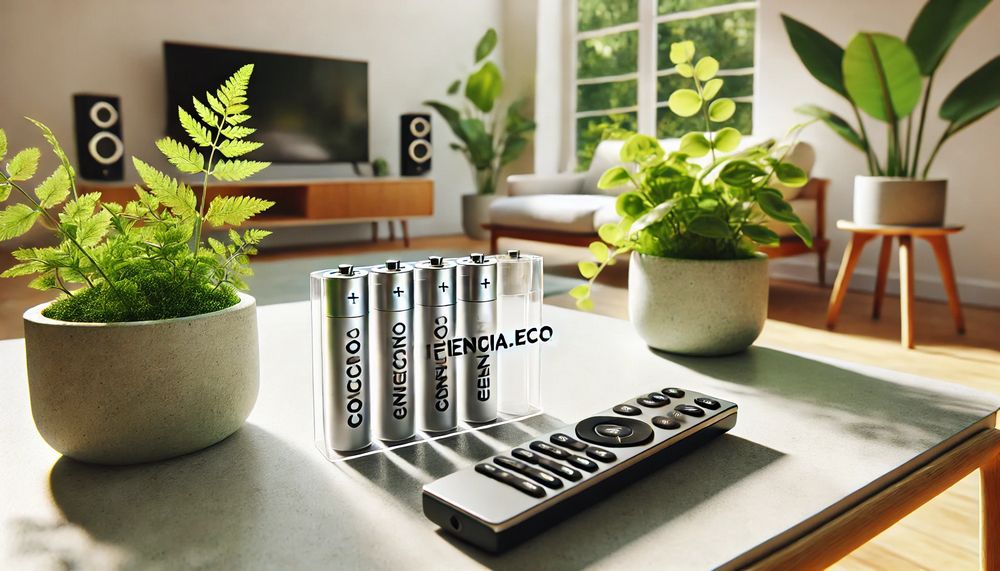
Used batteries can be highly polluting if not disposed of properly. Opt for rechargeable batteries for your TV remote, as they have a longer lifespan and generate less waste. Properly recycling batteries at designated collection points also helps prevent them from polluting the environment.
7. Unplug the TV and Other Devices When They Are in Standby Mode
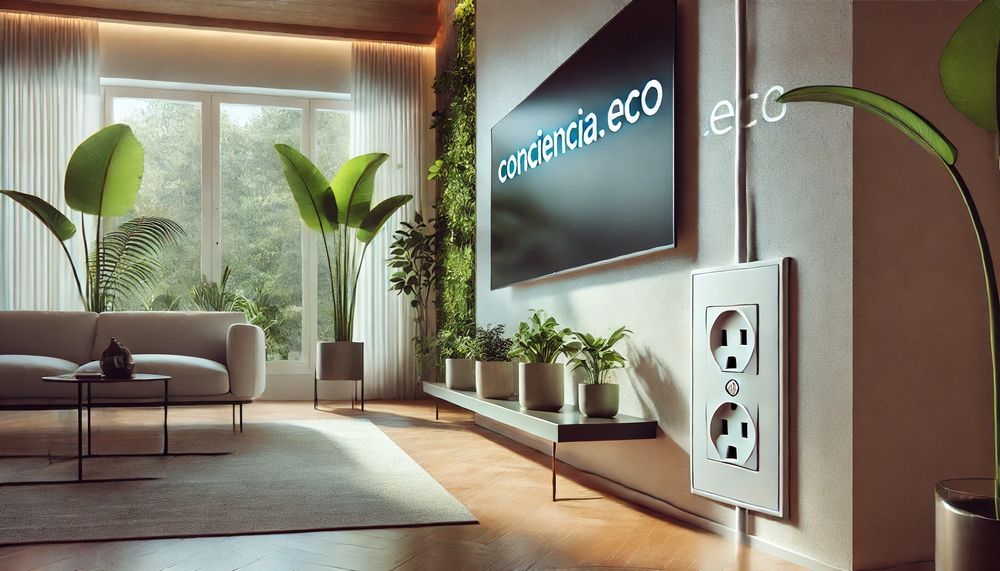
Although the TV is in standby mode, it continues to consume energy known as “vampire power.” Completely unplugging it when not in use is a simple solution to avoid this unnecessary drain. Use power strips with switches to conveniently disconnect multiple devices at once.
8. Set Timers to Automatically Turn Off the TV
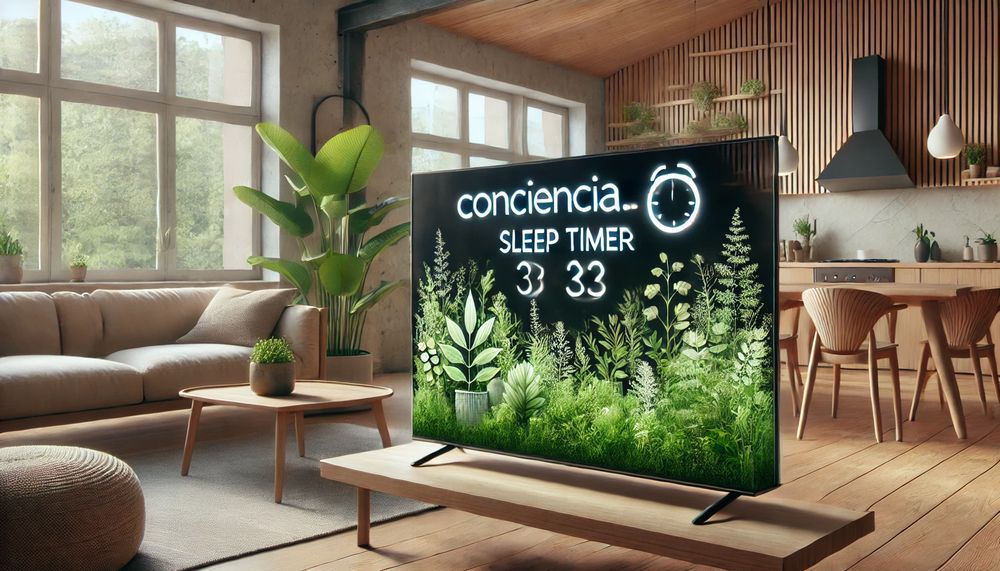
Timers are a useful feature for saving energy, especially if you tend to fall asleep watching television. Setting the automatic shutdown ensures the TV doesn’t stay on longer than necessary. It is a convenient and efficient way to take care of the environment while you rest.
9. Share Your Devices with Family Members to Reduce Energy Consumption
Instead of having each household member use their own device, organize group TV sessions. This not only reduces energy consumption but also encourages moments of togetherness. Enjoying your favorite series together can be both sustainable and fun.
10. Support Content and Programs that Promote Sustainability
Choose programs or documentaries that educate about environmental protection. Besides entertaining you, you will be learning new ways to care for the planet. By consuming content that inspires sustainable practices, you contribute to raising more eco-friendly awareness.
How the Electronic Recycling Process Works
Recycling electronics is a crucial process for reducing technological waste and recovering valuable materials such as metals and plastics. When disposing of a device at a recycling point, it goes through several stages to ensure proper and sustainable management. Here is the process explained:
- Collection: Electronic devices are taken to specialized recycling centers.
- Classification: Devices are separated according to their type and composition (televisions, computers, phones, etc.).
- Disassembly: Components such as batteries and cables are removed to be recycled or safely disposed of.
- Processing: Materials such as metals, plastics, and glass are extracted to be reused in new products.
- Hazardous waste disposal: Toxic components such as mercury or lead are managed to prevent environmental harm.
Recycling your electronics properly helps preserve natural resources and minimize pollution.
Benefits of Using Energy-Efficient Appliances
Investing in energy-certified appliances offers many advantages for both the environment and your wallet:
- Energy savings: They consume less electricity, which lowers your electric bill.
- Emission reduction: They decrease greenhouse gas emissions, helping to combat climate change.
- Long-lasting: These devices tend to be more efficient and durable, which reduces the need for frequent replacements.
- Contribution to sustainability: You help promote the development of cleaner and more responsible technologies.
Choosing energy-efficient products is a simple yet impactful action to care for our planet.
Impact of Everyday Decisions on Energy Consumption
| Action | Positive Environmental Impact | Tip for Implementation |
|---|---|---|
| Use Energy Star Certified Televisions | Reduces energy consumption by up to 25% compared to standard models. | Look for the “Energy Star” label or local efficiency certifications. |
| Turn Off Devices in Standby Mode | Save an average of 10% on your annual electric bill. | Use power strips with switches to easily disconnect multiple devices. |
| Choose Renewable Energy | Reduces carbon emissions by up to 50% or more depending on the source. | Check with local providers offering green energy or install solar panels. |
| Recycle Electronics Properly | Prevent tons of toxic waste from contaminating the soil and water. | Take your devices to authorized collection points. |
| Use LED Lighting in the Entertainment Area | Consumes up to 80% less energy than traditional bulbs. | Replace all the light bulbs in your home with LED options. |
Tips for Creating a More Sustainable Entertainment Space
Designing an eco-friendly entertainment area not only reduces your ecological impact but also improves your home’s efficiency. Here are some practical tips to achieve this:
- Choose recycled or certified wood furniture: Make sure the materials are sustainable and responsibly produced.
- Use LED lighting: These bulbs consume less energy and have a longer lifespan than traditional ones.
- Place plants in the space: They help purify the air and add a natural touch to your environment.
- Use rugs and curtains made from natural materials: such as organic cotton or jute, to complement eco-friendly decor.
- Adopt an efficient sound system: Modern speakers with energy certification deliver high quality with low consumption.
Creating a sustainable space is not only possible but can also be a fun and rewarding project.
Conclusion:
Caring for the environment while enjoying your favorite shows is easier than it seems. With small changes in your habits and more conscious decisions, you can reduce your ecological footprint without giving up your entertainment moments. Start today by applying some of these ideas and become part of the solution for a more sustainable planet. Your action counts!