Going to the park is an activity that connects us with nature, but it is also a perfect opportunity to practice eco-friendly habits. Here we share with you 10 simple and realistic ways to care for the environment while enjoying your day in this setting. With small changes, you can make a big difference and be a positive example for those around you.
1. Bring Your Own Reusable Bottle
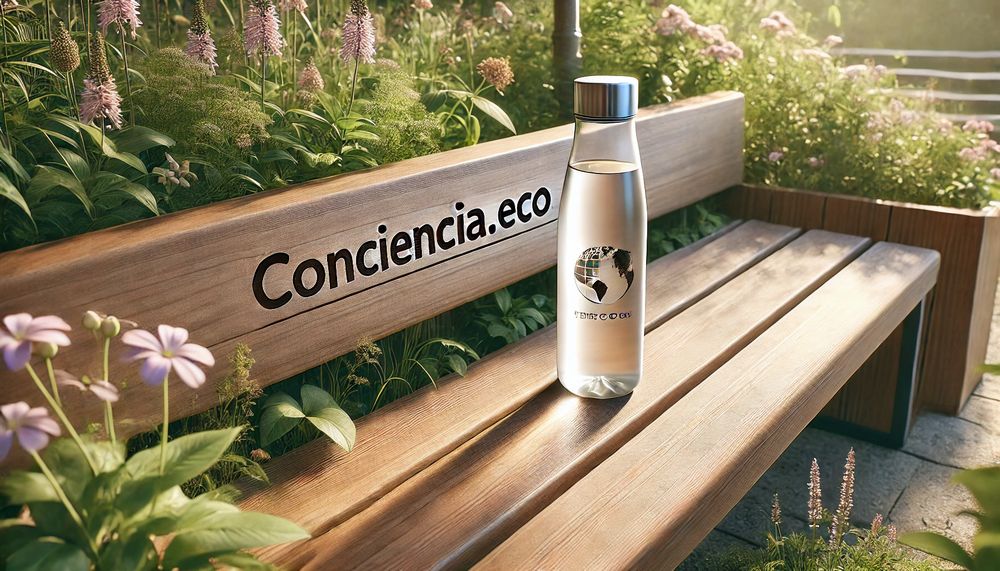
Opting for a reusable bottle will help you avoid using single-use plastics, like disposable bottles. Besides being more eco-friendly, it will save you money in the long run. If the park has water stations, you can easily refill your bottle. This simple act contributes to the reduction of plastic waste.
2. Pick Up Your Trash and Others’
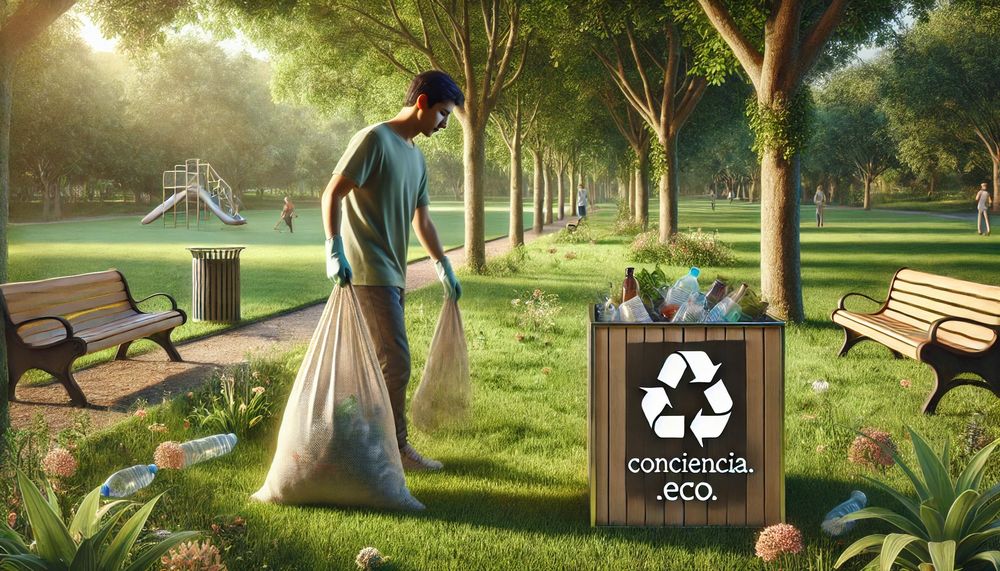
It’s not enough to just take your trash with you; if you find litter in the park, picking it up is a great way to help the environment. Bring an extra bag to collect trash during your visit. With this action, you will be contributing to keeping the space clean and enjoyable for everyone.
3. Avoid the Use of Disposable Plastics
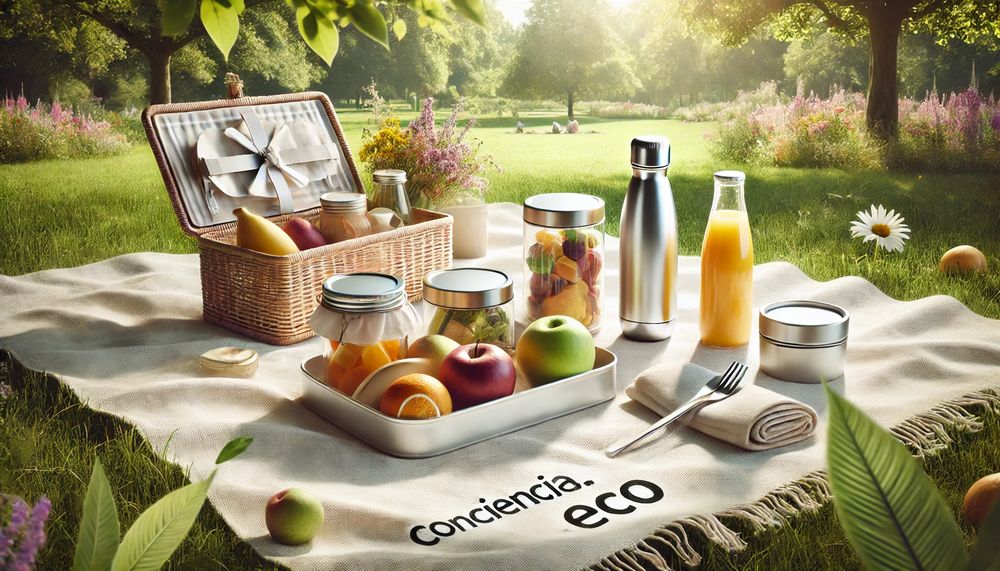
When preparing your picnic or snacks, choose reusable containers instead of plastic bags or disposable utensils. Single-use plastics take centuries to degrade and cause a significant environmental impact. Planning your meals in advance helps minimize waste.
4. Choose to Walk or Use a Bicycle to Get There
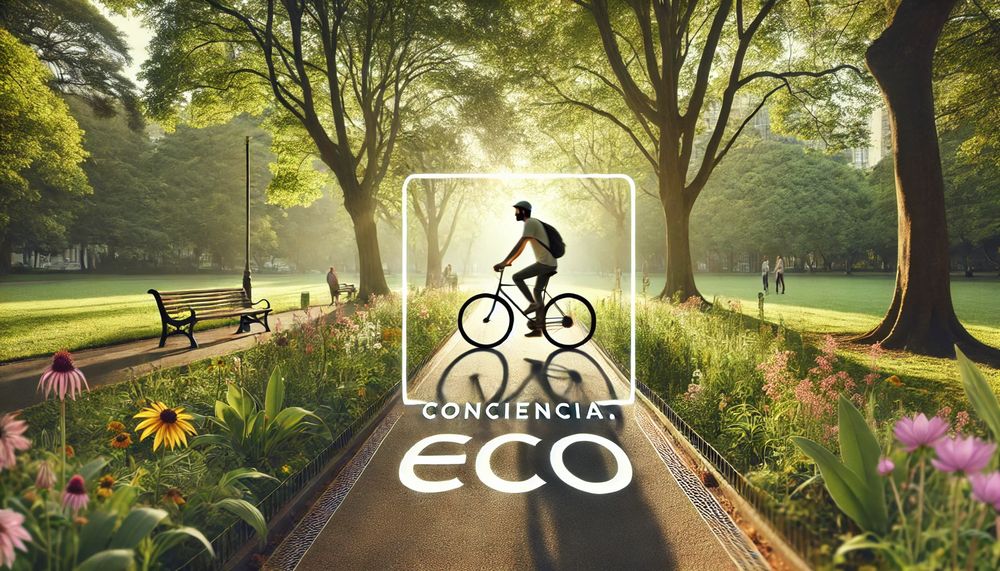
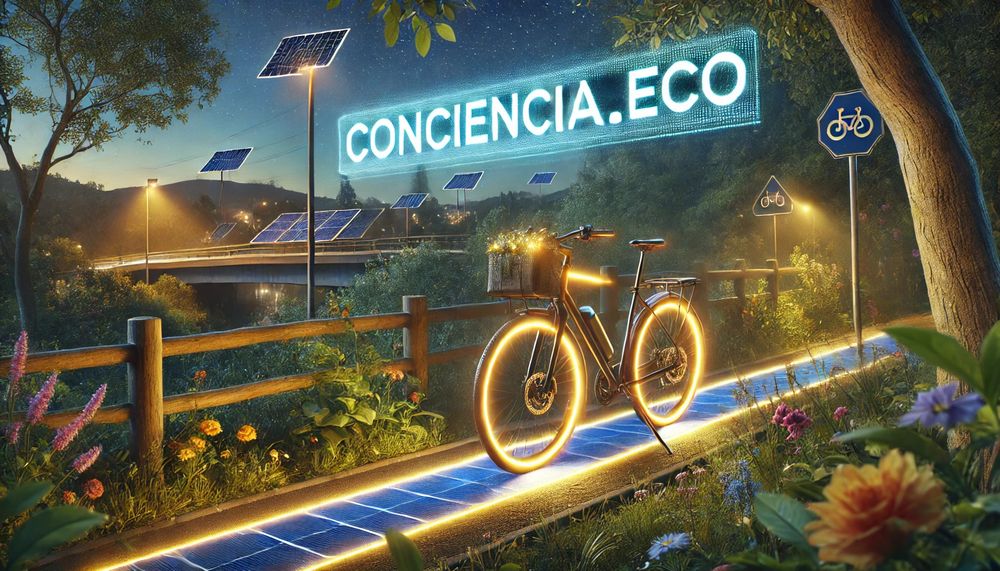
Whenever possible, leave the car at home and choose to walk, use a bicycle, or take public transportation to get to the park. These options not only reduce CO₂ emissions, but also allow you to enjoy the scenery and get exercise.
5. Respect the Flora and Fauna of the Park
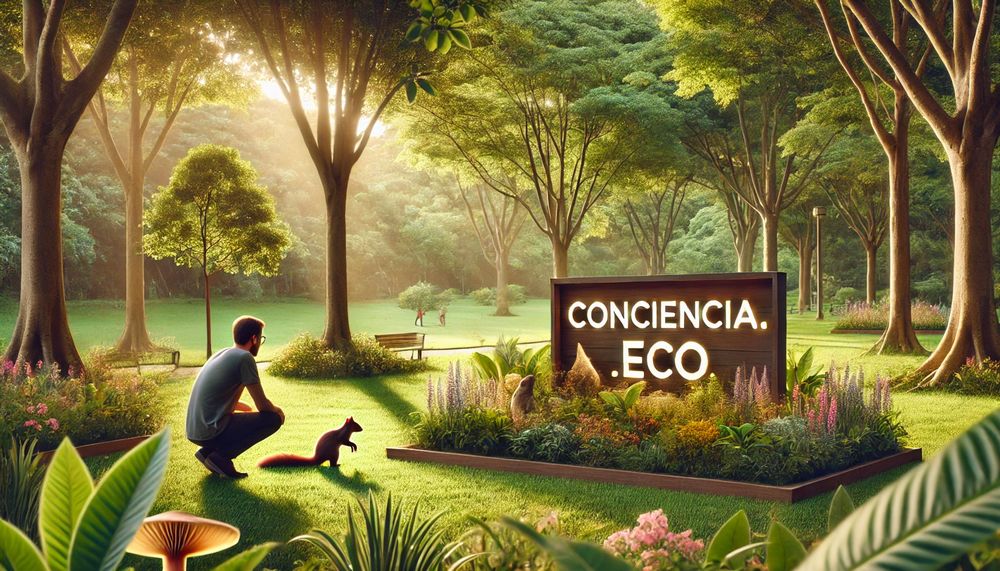
It is important to remember that the park is home to many plants and animals. Avoid damaging trees, picking flowers, or disturbing animal habitats. Keep your distance and observe with respect. Protecting biodiversity is essential to maintaining ecological balance.
6. Use Environmentally Friendly Sunscreen
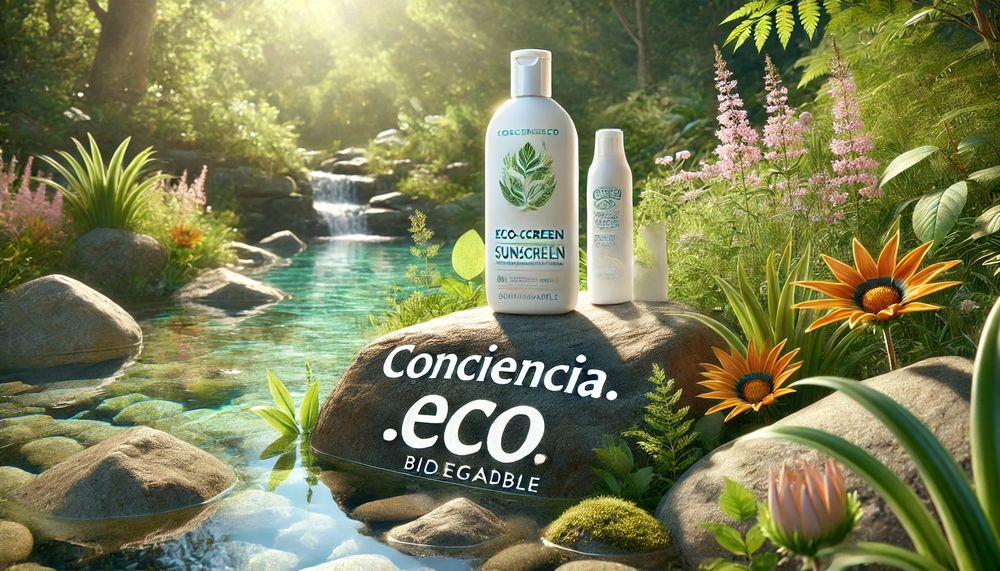
Many conventional sunscreens contain chemicals that can be harmful to aquatic and terrestrial ecosystems. Choose biodegradable products free of oxybenzone and octinoxate. This change not only protects your skin but also cares for the health of the natural environment you visit.
7. Participate in Community Cleanup Activities
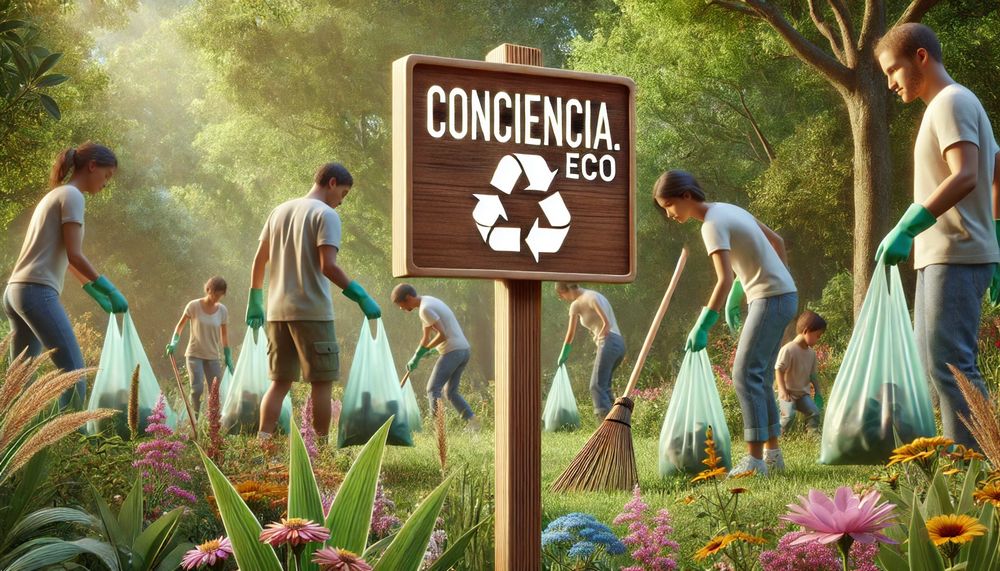
If there are local initiatives to clean the park, join in and encourage others to participate. These activities not only benefit the environment but also promote collective awareness and teamwork. It is an active way to contribute to the care of natural spaces.
8. Carry Snacks in Reusable Containers
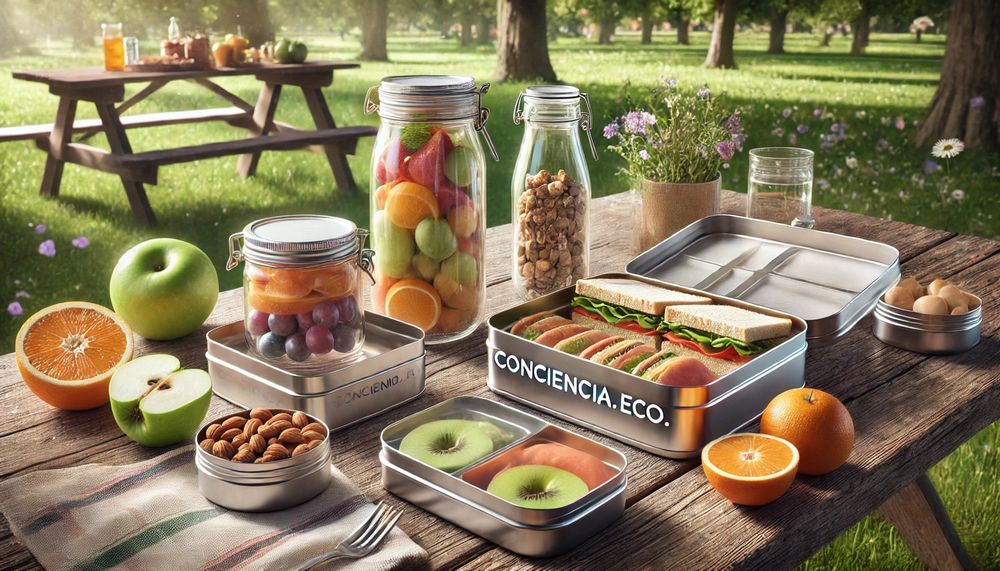
Choose reusable containers for your food, such as lunch boxes or glass jars, instead of using disposable wraps. This not only reduces waste but also helps keep your food fresh and organized. A little planning makes a difference in sustainability.
9. Share Eco-friendly Information with Other Visitors
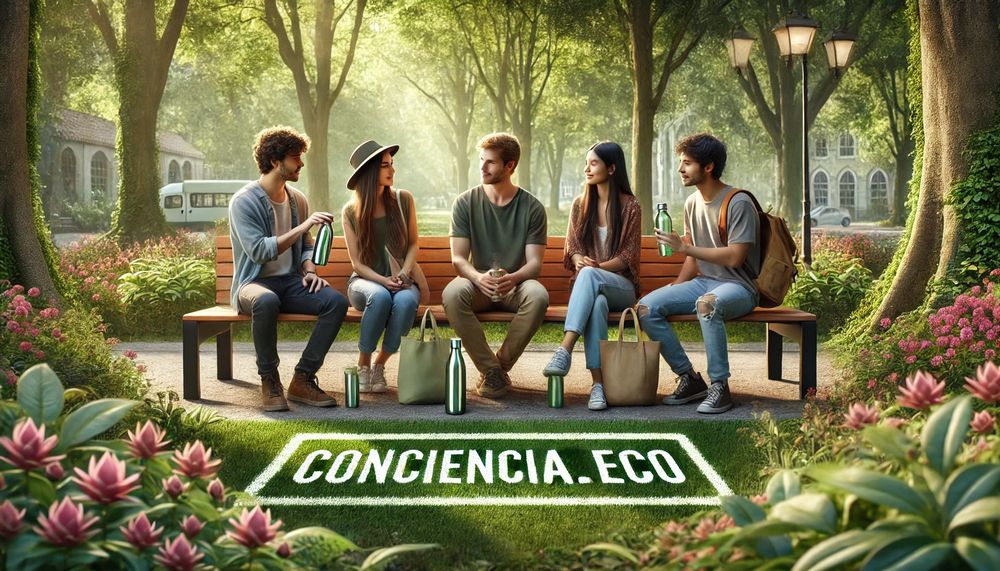
Take advantage of your visit to the park to talk with family or friends about sustainable practices. Sharing facts, tips, or simply setting an example through your actions can inspire others to follow your lead. Change begins with small gestures that multiply.
10. Plant a Tree and Contribute to the Environment
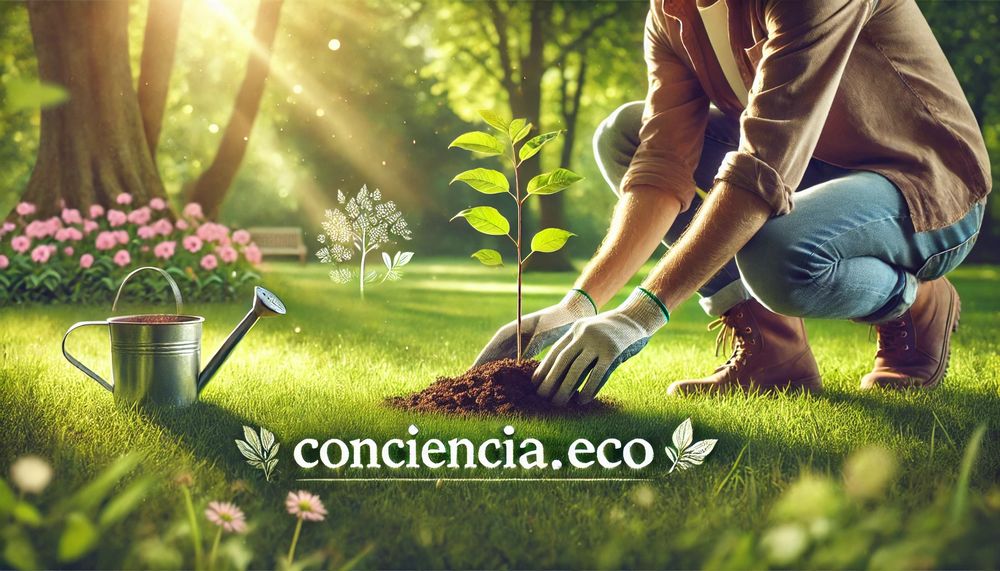
Planting a tree is a simple and symbolic action that has a positive long-term impact. It helps improve air quality, provides shade, and offers shelter for local wildlife. If the park allows it, join reforestation initiatives and contribute to a greener future.
Benefits of Reducing Your Carbon Footprint in Everyday Activities
- Environmental Protection: Reducing your carbon footprint decreases pollution in the air, water, and soil, helping to preserve natural ecosystems.
- Saving natural resources: Small sustainable actions, like using less plastic or consuming less energy, help conserve the planet’s limited resources.
- Better quality of life: Adopting eco-friendly habits contributes to a healthier environment, leading to fewer illnesses and greater well-being.
- Long-term positive impact: Small daily changes have a cumulative effect that benefits both current and future generations.
- Social awareness: Leading by example with your actions inspires others to join the change, fostering a more responsible and united community dedicated to caring for the planet.
Environmental Impact of Everyday Actions and Sustainable Alternatives
| Everyday Action | Environmental Impact | Sustainable Alternative |
|---|---|---|
| Using disposable plastic bottles | Take up to 450 years to degrade; they pollute oceans and habitats. | Use reusable steel or glass bottles. |
| Driving internal combustion engine vehicles | CO₂ emissions contribute to global warming and air pollution. | Walk, bike, or use public transportation whenever possible. |
| Using plastic bags for shopping | Each bag can take up to 1,000 years to decompose and harms marine life. | Carry reusable bags made of fabric or recycled materials. |
| Throwing organic waste into the regular trash | Produces methane in landfills, a greenhouse gas 25 times more potent than CO₂. | Compost at home to create natural fertilizer. |
| Buying products with excessive packaging | Increases the amount of non-recyclable waste and pollution. | Choose bulk products or those with biodegradable packaging. |
As you can see, small everyday decisions can have a significant impact on the environment. Choose sustainable alternatives and contribute to caring for the planet!
How to Choose Eco-Friendly Products for Your Outings
- Check the labels: Look for eco-friendly certifications, such as biodegradable products or those free of harmful chemicals.
- Choose reusable materials: Prioritize items made from bamboo, stainless steel, or glass over single-use plastics.
- Choose local and organic foods: Local products reduce transportation footprints, and organic ones avoid the use of harmful pesticides.
- Purchase from sustainable brands: Support companies that have clear policies respecting the environment and promoting fair trade.
- Avoid excess packaging: Prefer bulk products or those with recyclable containers to reduce unnecessary waste.
By implementing these actions and tips, you will not only be caring for the environment but also enjoy your daily activities with greater purpose and satisfaction. Make every small gesture count, as we can all contribute to a cleaner and more sustainable planet. Inspire others and start today with simple changes that make a difference!