Did you know you can enjoy an amazing vacation while caring for the planet? With small changes in your travel habits, you can reduce your environmental impact and promote more responsible tourism. Here are 10 creative ways to be more sustainable during your next vacation, helping you enjoy yourself without compromising the health of the environment.
1. Plan Your Vacation in Sustainable Destinations

Choose places that prioritize sustainability, such as destinations with eco-friendly certifications or nature reserves. These sites often promote responsible practices, such as biodiversity conservation and efficient resource use. Additionally, visiting environmentally committed destinations positively supports their local economy.
2. Bring Your Own Reusable Bottle
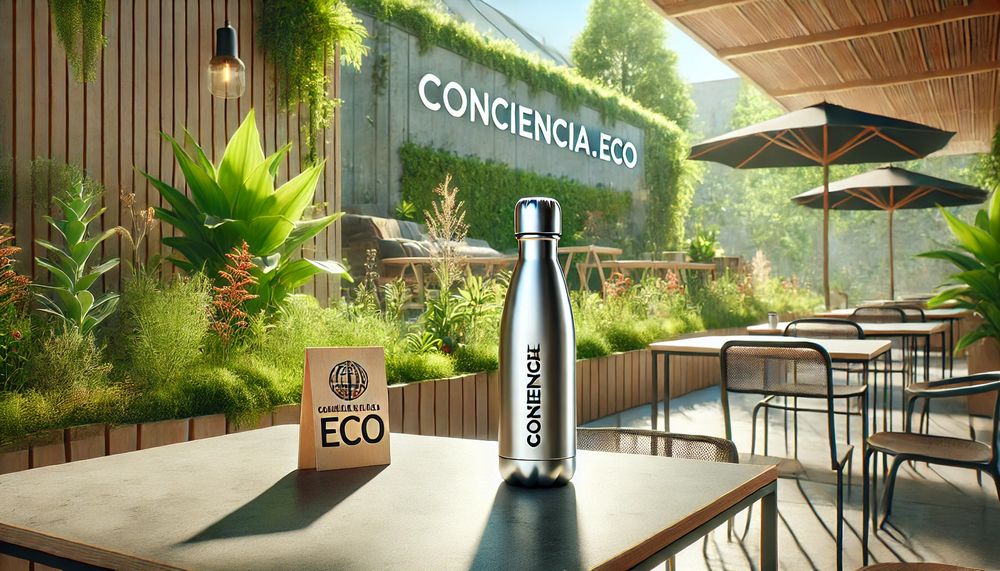
Avoid buying disposable plastic bottles by carrying a reusable one with you. You can fill it at drinking water fountains or refill stations, many of which are available at airports and tourist cities. This small gesture significantly reduces the plastic that ends up in landfills or oceans.
3. Choose Accommodations with Sustainable Certification

Look for hotels, hostels, or guesthouses that have environmental certifications such as Green Key or EarthCheck. These accommodations typically implement practices like recycling, using renewable energy, and reducing waste. Additionally, your choice encourages more businesses to adopt these measures.
4. Reduce the Use of Single-Use Plastics

Carry reusable items with you, such as cutlery, cloth bags, or a thermos. Avoiding disposable utensils and wrappers at restaurants or local shops is a simple way to reduce your impact. One single change in your habits can make a big difference, especially in destinations with limited waste management capacity.
5. Use Public Transportation or Alternative Means

Using public transportation, renting bicycles, or walking is not only more economical but also more environmentally friendly. These options emit fewer pollutants and allow you to better experience the culture and surroundings of the places you visit.
6. Buy Local and Sustainable Souvenirs
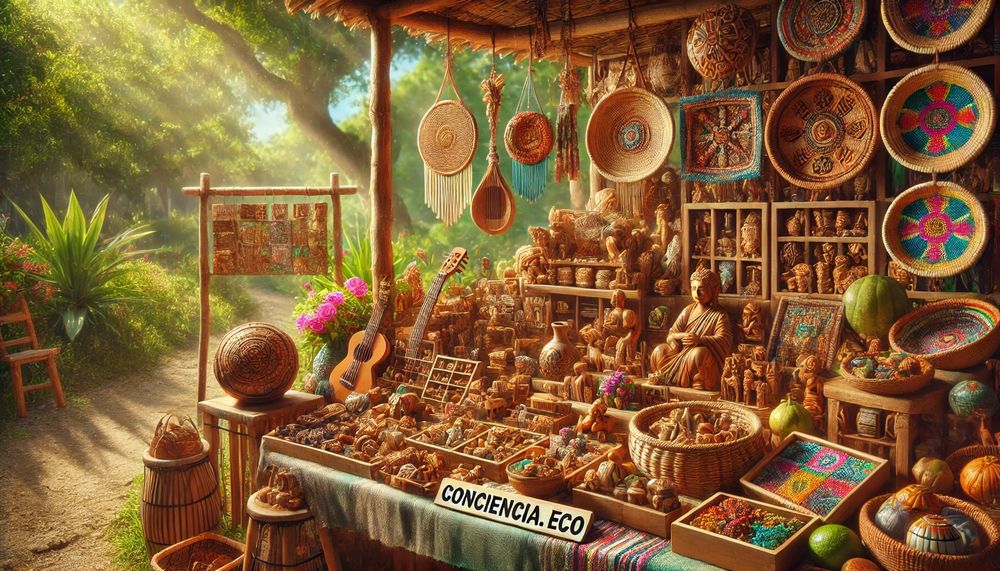
Support local artisans by purchasing handmade products crafted with sustainable materials. Avoid buying souvenirs made of plastic or from practices that harm the environment. With your purchases, you can directly contribute to the development of local communities and preserve their cultural traditions.
7. Minimize the Use of Air Conditioning and Energy

At your accommodation, use air conditioning only when necessary and turn off lights and electronic devices when leaving. These actions help reduce energy consumption and the carbon footprint of your stay. Small habits like these can create a significant positive impact on the use of natural resources.
8. Participate in Responsible Tourism Activities
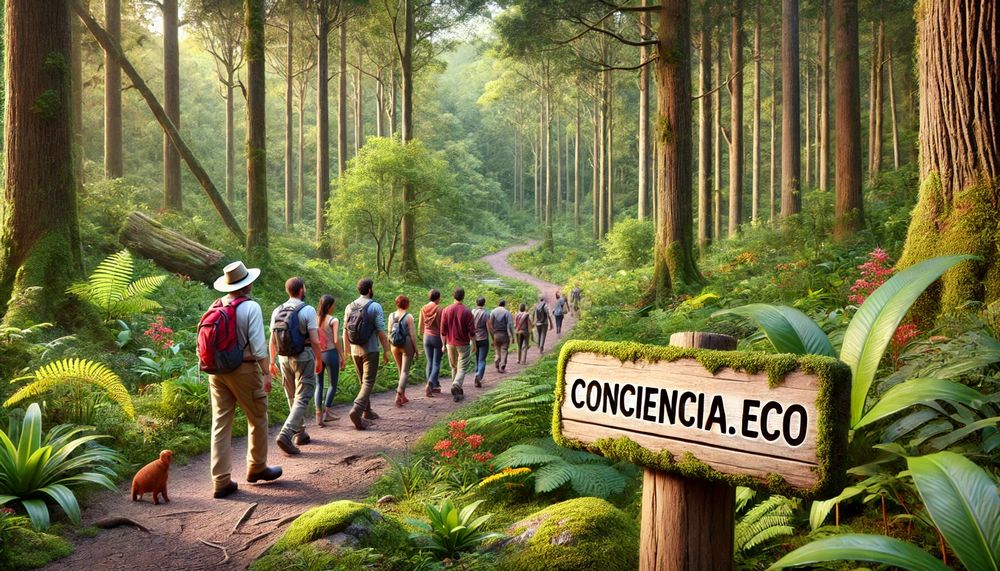
Choose excursions and activities that respect the natural environment and local communities. For example, opt for hikes on authorized trails or cultural tours led by local guides. Sustainable tourism promotes ecosystem conservation and supports the local economy.
9. Respect the Local Wildlife and Flora
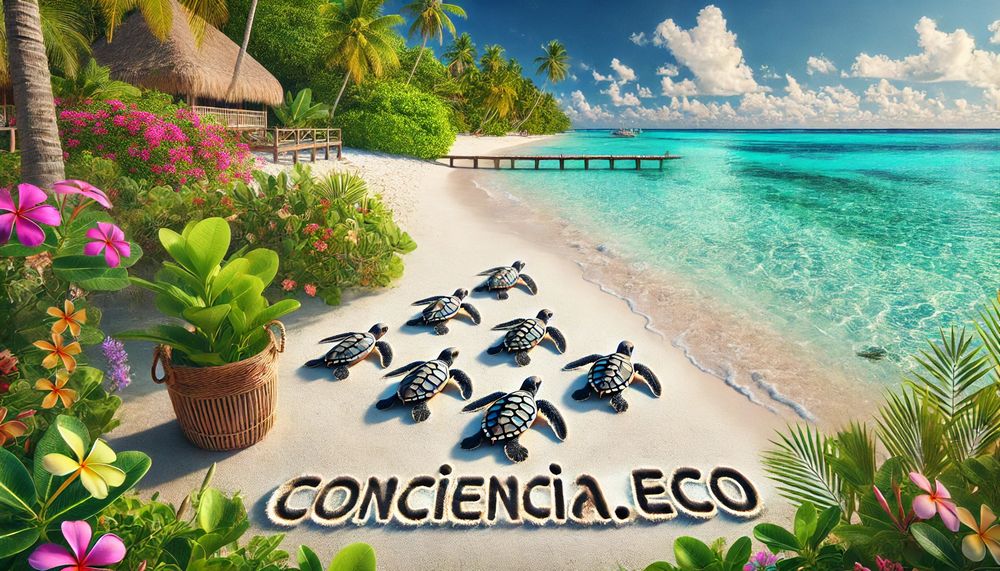
Avoid touching, feeding, or interfering with wild animals, and do not pick plants or flowers. Stay on marked trails to protect habitats. Respecting nature ensures its preservation so future generations can enjoy it as much as you do.
10. Manage Your Waste and Recycle Properly
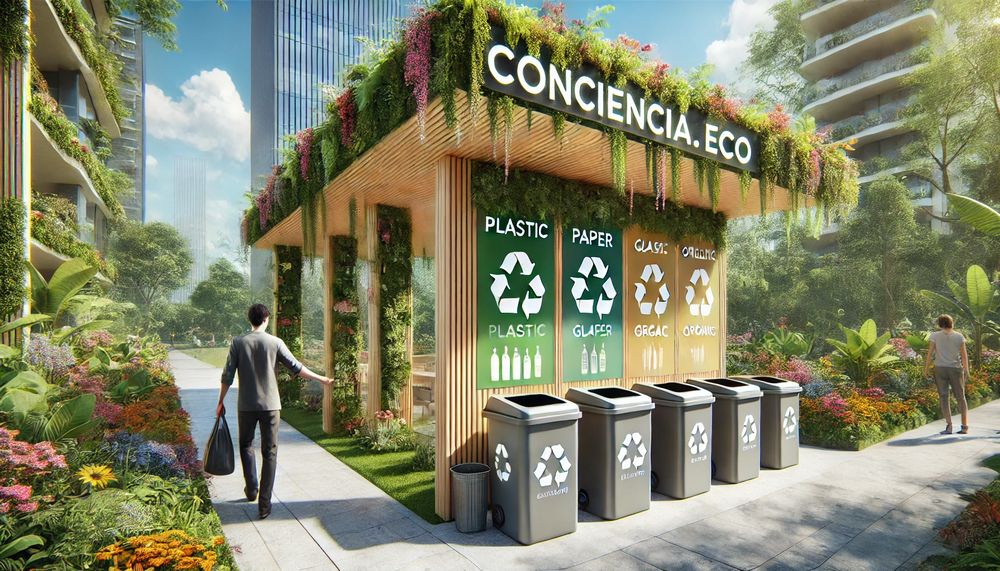
Research the recycling regulations of the place you are visiting and carry a bag with you to collect your waste if you do not find a suitable container. Sorting and disposing of your waste properly helps keep the natural and urban environments you enjoy during your trip clean.
Tips for Identifying Sustainable Tourist Destinations
Choosing a sustainable destination doesn’t have to be complicated. Today, there are many tools and certifications that help ensure your trip is more responsible. Here are some practical tips:
- Look for eco-friendly certifications: Research if the destination has labels such as Biosphere, Green Destinations, or similar.
- Check traveler reviews: Read online opinions about the place’s environmental and social practices.
- Choose protected areas: Opt to visit national parks, nature reserves, or communities with sustainable tourism projects.
- Verify the local economic impact: Make sure the destination supports the economy of its residents instead of relying exclusively on large international chains.
- Prioritize destinations with clear environmental policies: Some places stand out for their commitment to waste reduction, renewable energy use, or resource conservation.
Environmental Impact of Travel Habits and Sustainable Alternatives
| Common Habit | Environmental Impact | Sustainable Alternative |
|---|---|---|
| Use of Disposable Plastic Bottles | It is estimated that 1 million plastic bottles are purchased every minute, most ending up in landfills or the ocean. | Carry a reusable bottle and refill it at drinking water stations. |
| Traveling by Plane | Flights generate 2.5% of global carbon emissions, contributing to global warming. | Choose trains or buses for short distances or offset your carbon footprint when flying. |
| Staying in Hotels Without Environmental Certification | They often have high energy and resource consumption practices, such as washing towels and sheets daily. | Choose accommodations with eco-friendly certifications like Green Key or EarthCheck. |
| Buying Souvenirs Made from Unsustainable Materials | Products made from cheap plastics or materials sourced from endangered species promote exploitation and pollution. | Buy local crafts made with renewable or recycled materials. |
| Not Separating Waste During Travel | Much of the waste generated during travel ends up in landfills or in nature. | Learn about the recycling policies of your destination and bring reusable bags to separate your waste. |
Travel with Awareness and Make a Difference
Incorporating sustainable habits into your vacations not only benefits the planet but also allows you to enjoy more authentic and enriching experiences. Remember that every small effort counts and can inspire others to do the same. Plan your next trip with awareness and contribute to caring for the environment!