Crafting is not only a creative and relaxing activity, but it can also become an opportunity to care for the environment. By adopting sustainable practices, you can reduce your environmental impact while enjoying your projects. Here are 10 easy and practical tips to be more eco-friendly while creating with your hands.
1. Use Recycled Materials for Your Projects
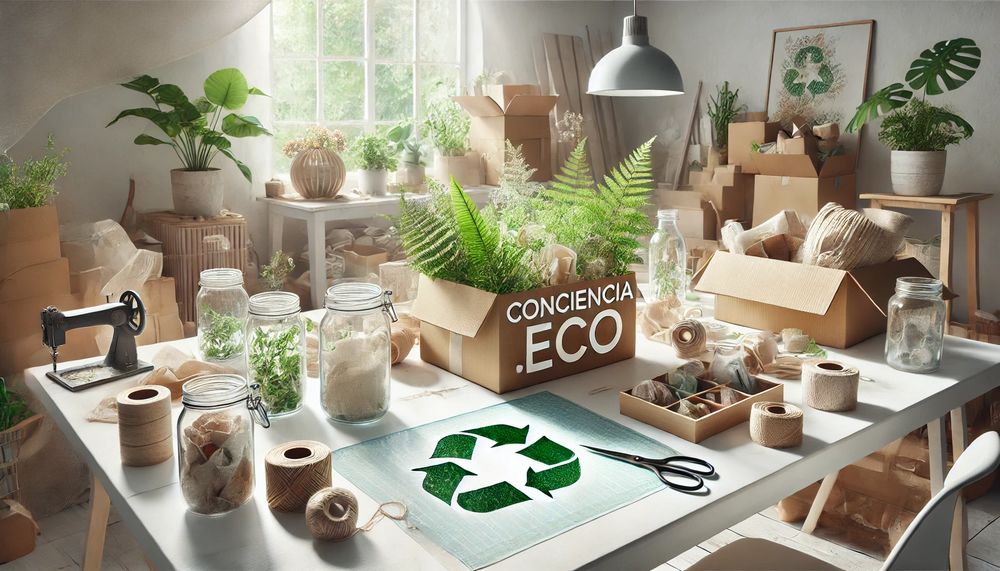
Take advantage of materials you already have at home, such as cardboard boxes, glass jars, or fabric scraps. Reusing these items not only saves resources but also encourages creativity. Giving a second life to what you would normally throw away is a great step toward a more sustainable lifestyle.
2. Reduce the Use of Single-Use Plastics
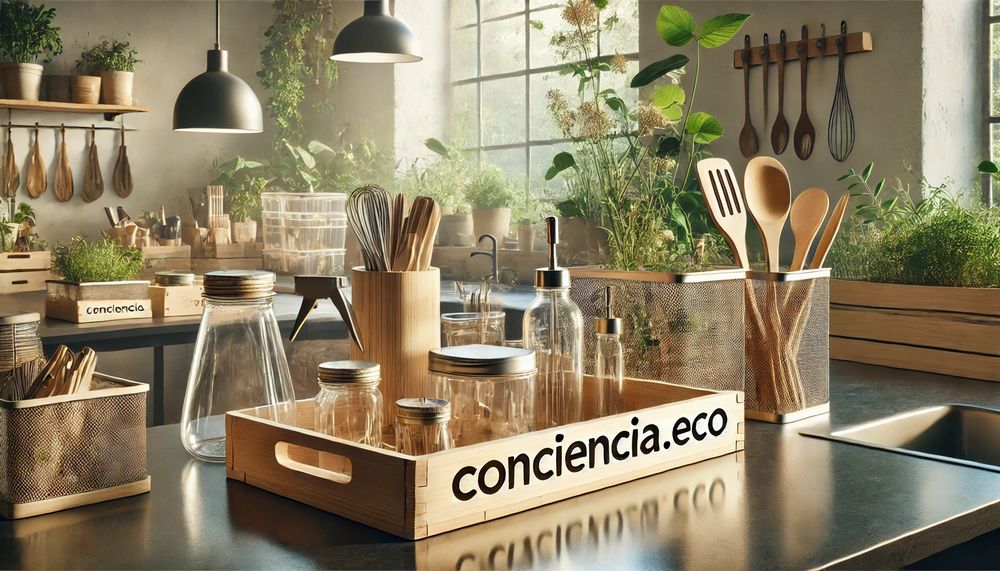
Avoid using disposable plastic products, such as bags, wrappers, or short-lived tools. Instead, opt for reusable alternatives like wooden trays, metal containers, or durable tongs. Plastic is one of the planet’s biggest pollutants, so always look to reduce it whenever you can.
3. Choose Non-Toxic Paints and Adhesives

Many paints and adhesives contain chemicals harmful to health and the environment. Look for natural options or those labeled as non-toxic. These products are just as effective and help prevent water and soil contamination after you dispose of them.
4. Take Advantage of Natural Light During Your Work
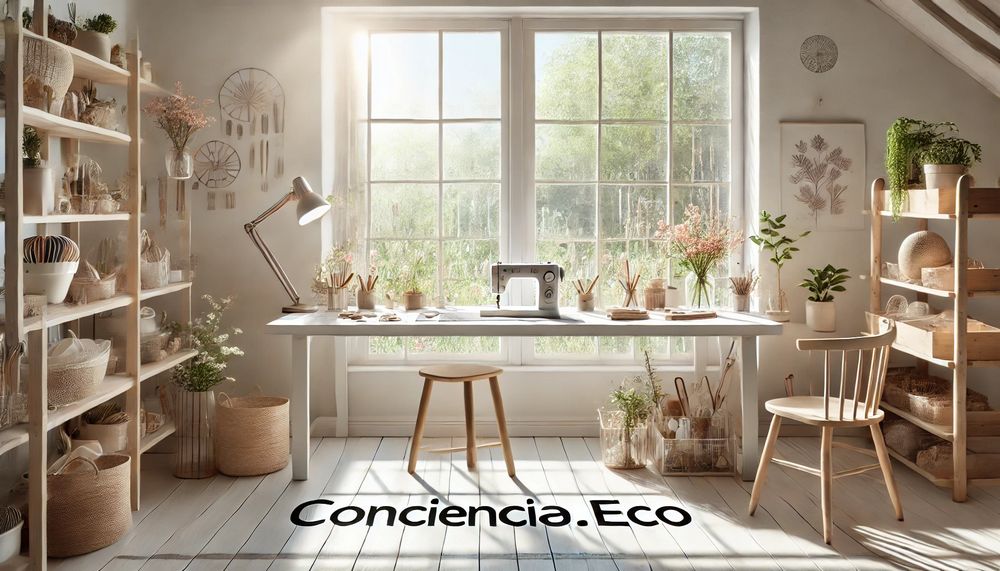
Place your craft area near a window to make the most of natural daylight. This not only reduces electricity consumption but also creates a more pleasant environment. Small actions like this make a big difference in energy savings.
5. Reuse Leftovers and Scraps from Previous Crafts
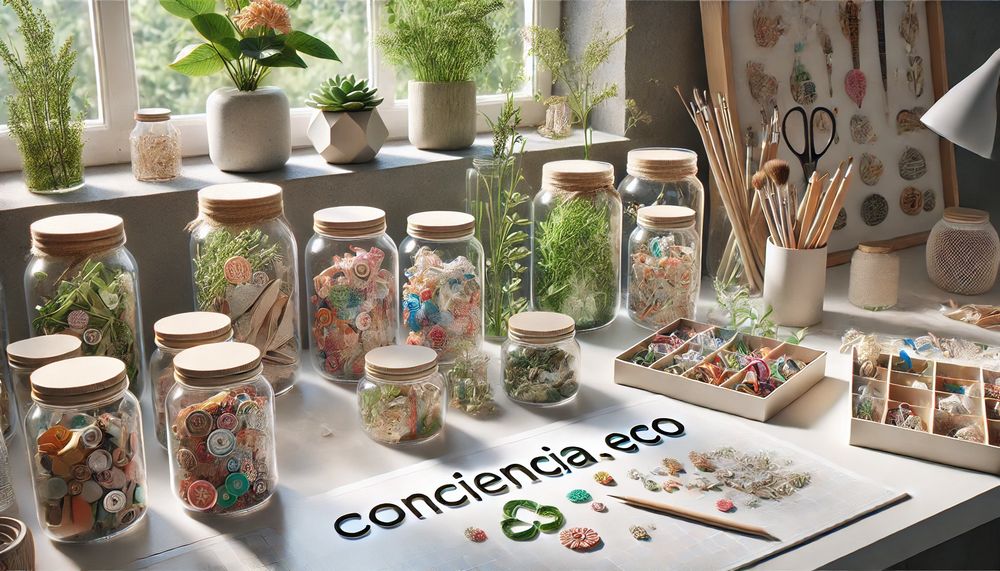
Do not throw away leftover paper, fabric, or any material from previous projects. These small pieces can be useful for decorations or details in future crafts. Reusing is one of the keys to reducing waste and making the most of available resources.
6. Choose Durable and Reusable Tools
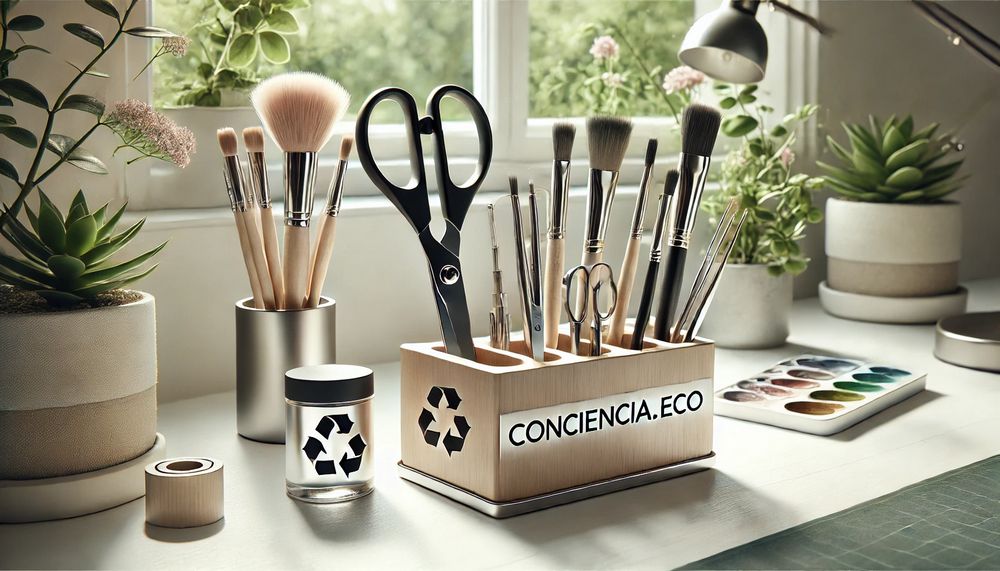
Invest in high-quality tools that can support you through many projects, such as stainless steel scissors or reusable brushes. This will not only help you save money in the long run, but you will also reduce the waste generated by disposable tools.
7. Sort and Separate the Waste Generated
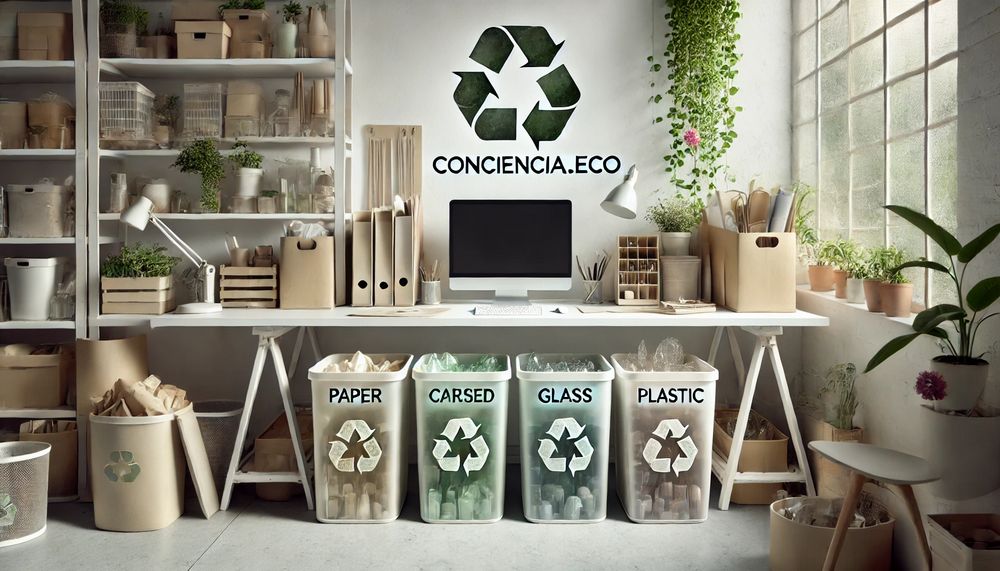
As you work on your crafts, separate recyclable materials from regular waste. Keep a container handy for paper, cardboard, glass, and plastic. Recycling starts with proper sorting, and this habit can extend to other areas of your life.
8. Look for Natural Alternatives to Synthetic Materials

Whenever possible, choose materials like cotton, wood, recycled paper, or natural dyes instead of plastics or synthetics. These materials are usually biodegradable and have a lower environmental impact. Working with natural materials also adds a special touch to your creations.
9. Get Inspired by Low-Impact Environmental Crafts
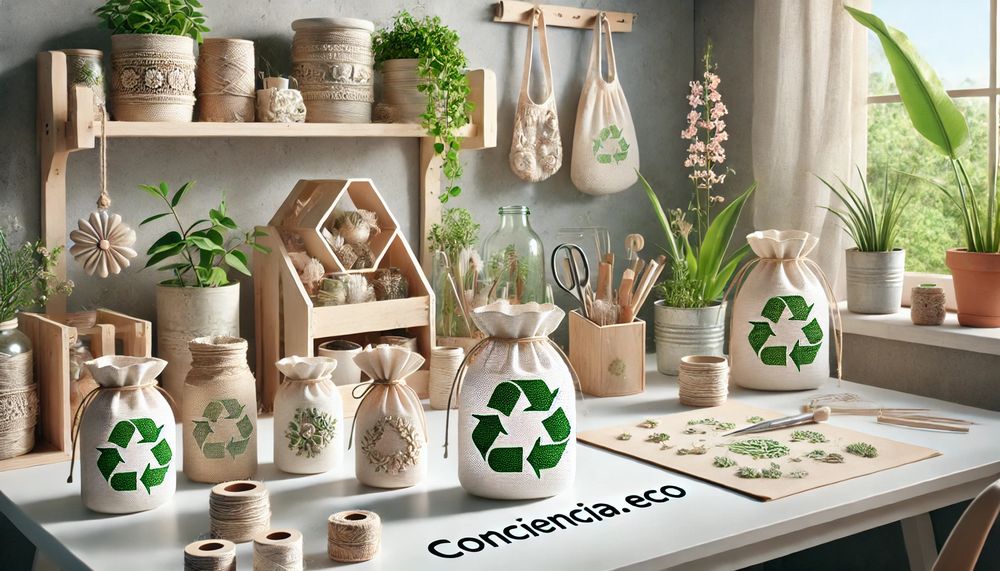
Look for craft ideas that use few resources or are specifically designed to be sustainable. For example, decorating recycled pots or creating bags with fabric scraps. Your creativity can inspire others to care for the planet while having fun.
10. Donate or Gift What You Don’t Use from Your Projects
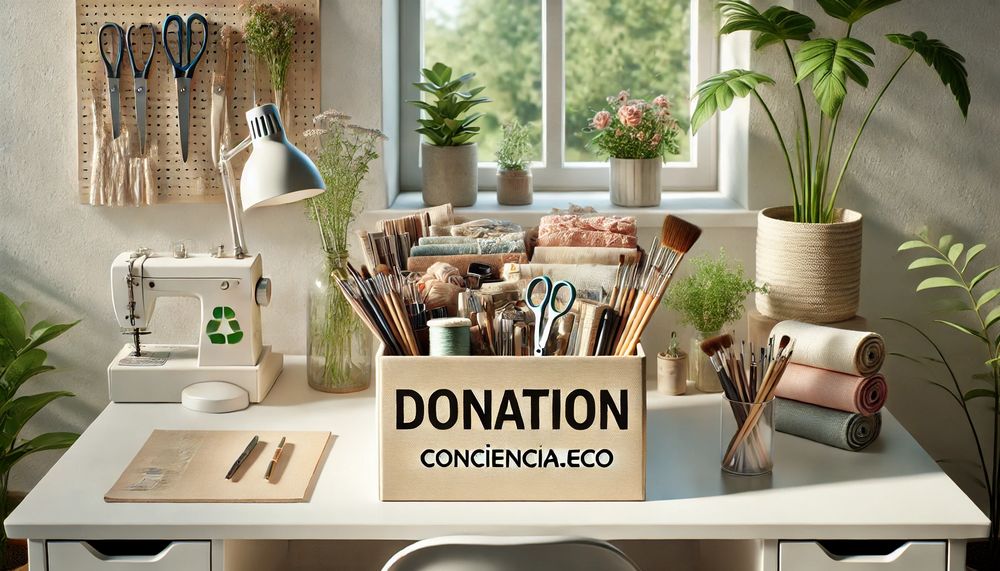
If you have materials or tools that you no longer use, donate them to schools, community workshops, or friends who need them. You can also give away crafts you no longer want to someone who will appreciate them. Sharing is a simple way to extend the useful life of your resources.
How to Choose More Sustainable Materials for Your Crafts
Choosing the right materials is key to making more sustainable crafts. Opt for options that are recycled, biodegradable, or ethically produced. Here are some ideas to help you make better choices:
- Recycled paper: perfect for cards, decorations, and wrapping.
- Reused fabric: use old clothes or fabric scraps for your sewing projects.
- Certified wood: choose wood with sustainability certifications for frames or decorations.
- Natural paints: avoid products with harmful chemicals and look for eco-friendly options.
- Natural decorations: incorporate leaves, stones, or dried flowers into your creations.
Environmental Impact of Common Craft Materials
| Material | Environmental Impact | Sustainable Alternative |
|---|---|---|
| Plastic | It takes up to 500 years to degrade and releases harmful microplastics. | Use glass, wood, or biodegradable materials. |
| Chemical Paints | They contain VOCs (volatile organic compounds) that pollute the air and water. | Choose natural or non-toxic paints. |
| Non-Recycled Paper | Contributes to deforestation and intensive water use during its production. | Choose recycled or FSC-certified paper. |
| Glitter | Made from microplastics, it harms marine life when it reaches the oceans. | Use biodegradable alternatives made from cellulose. |
| Synthetic Fabrics | Release microfibers that pollute the oceans with every wash. | Choose organic cotton or recycled fabrics. |
Ideas to Reduce Waste During Your Projects
Minimizing waste while crafting is easier than it seems. Follow these practical tips:
- Plan your projects to buy only what is necessary.
- Make the most of materials before discarding them.
- Use containers to store leftover materials for future projects.
- Transform leftovers into ornaments or small decorative details.
- Avoid excessive packaging when purchasing your materials.
Make Your Crafts a Tool for Change
Adopting eco-friendly habits while doing crafts not only helps the planet but also inspires others to be more conscious of their environmental impact. Start applying these tips today and share your ideas with your community. Together we can create meaningful change through small daily efforts.