Dressing consciously is not just a trend, but a necessity to protect the planet. Every choice we make when selecting our clothing can have a positive impact on the environment. That’s why we share with you 10 practical and simple tips to transform your style into a model of sustainability and reduce your ecological footprint. Discover how to make a difference starting from your wardrobe!
1. Choose Clothing Made from Organic and Natural Materials

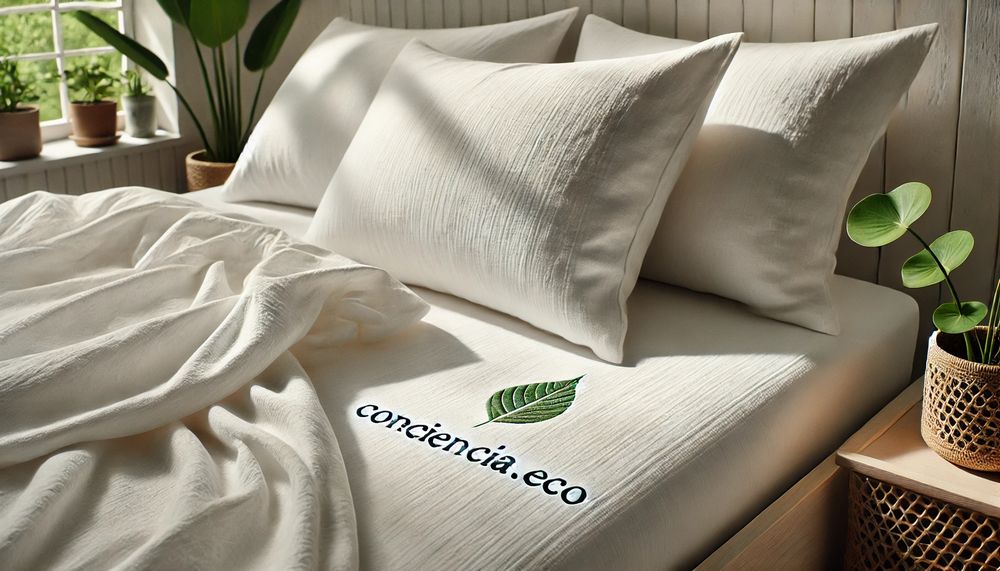
Opting for garments made of organic cotton, linen, bamboo, or hemp is an excellent way to care for the environment. These materials are not only more planet-friendly but also healthier for your skin. By choosing organic clothing, you are supporting a cleaner, more sustainable textile industry.
2. Buy Secondhand or Swap Clothes
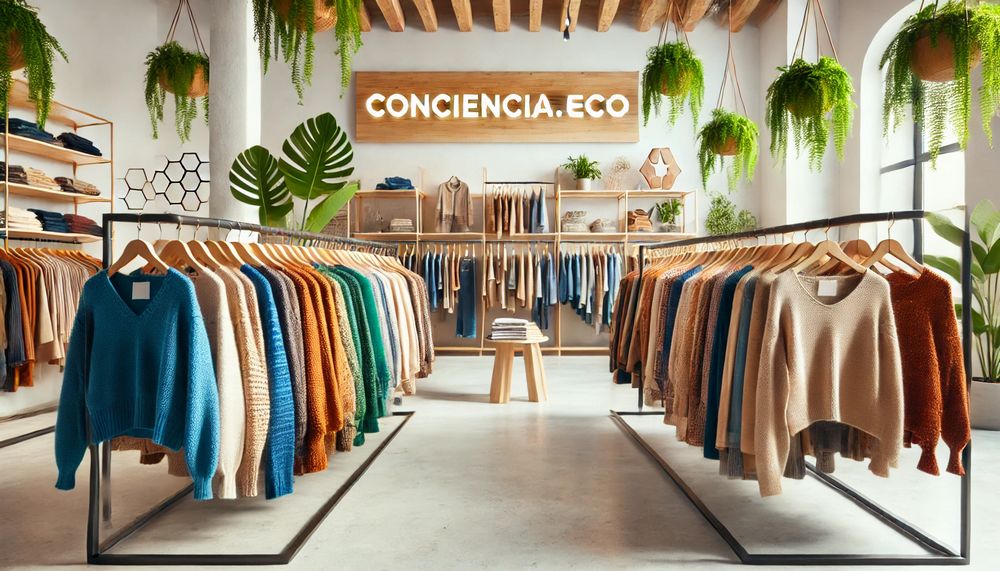
Buying clothes at second-hand stores or participating in clothing swaps significantly reduces textile waste. Additionally, it’s a fun way to find unique pieces. With this practice, you give clothing a second life and help reduce the demand for new products.
3. Support Brands that Promote Sustainable Fashion
Look for brands that work with recycled materials, ethical processes, and responsible practices. These companies are usually transparent in their production methods and prioritize environmental care. By supporting these brands, you encourage positive change in the fashion industry.
4. Repair and Customize Your Clothes Instead of Discarding Them
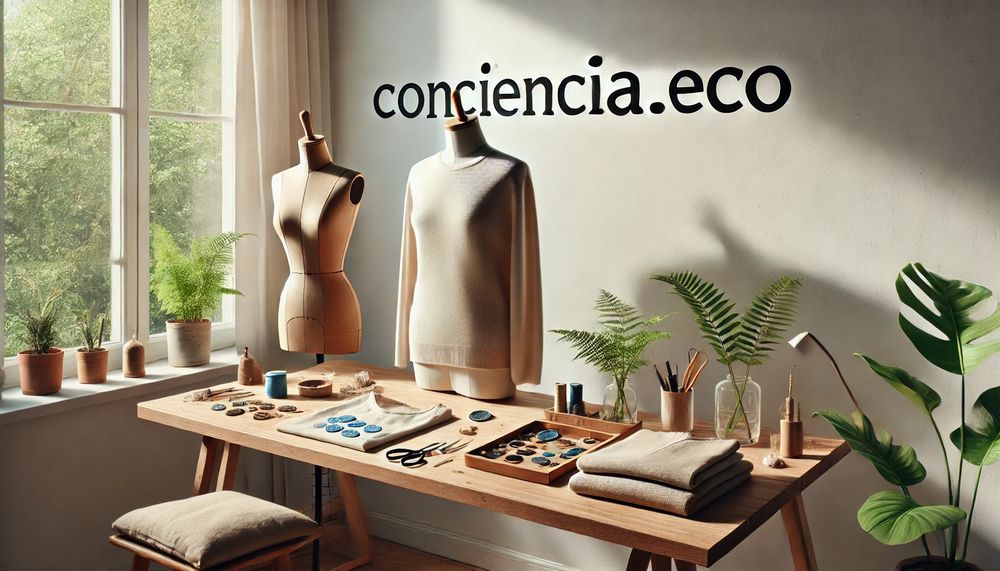
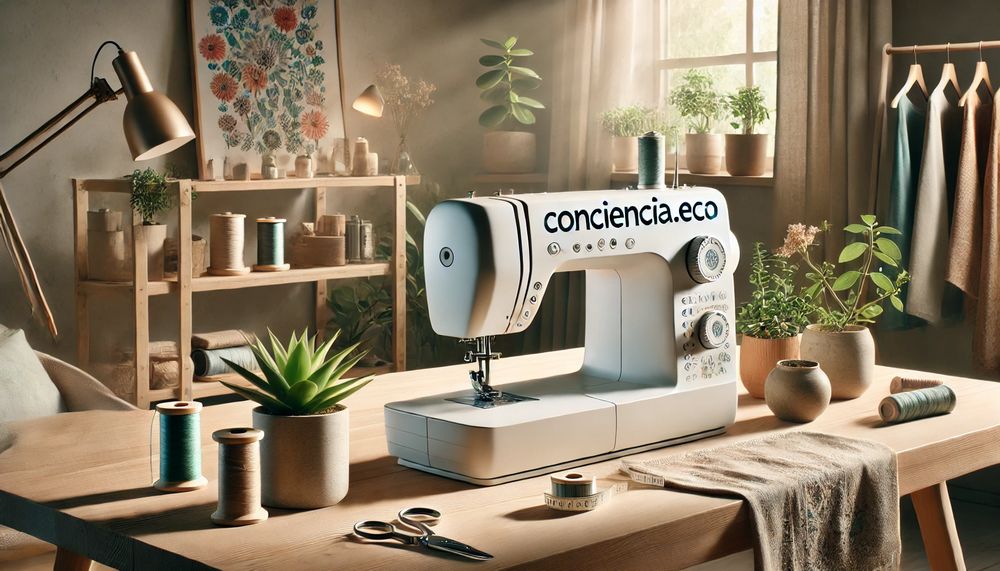
Before discarding a damaged garment, consider repairing or customizing it to give it a new style. You can sew on buttons, adjust lengths, or add patches. This practice not only saves money but also prevents more clothes from ending up in landfills.
5. Choose a Capsule Wardrobe and Reduce Consumerism
A capsule wardrobe consists of a few versatile garments that you can combine in multiple ways. This not only simplifies your life but also helps you buy less and wear more of what you already have. By reducing consumerism, you lower your environmental impact and promote a more minimalist lifestyle.
6. Wash Your Clothes with Biodegradable Products and Cold Water
Caring for your clothes also impacts the environment. Using biodegradable detergents and washing in cold water reduces energy consumption and water pollution. Also, washing less frequently and in short cycles extends the life of your garments, helping you be more sustainable.
7. Recycle and Donate Clothes You No Longer Wear
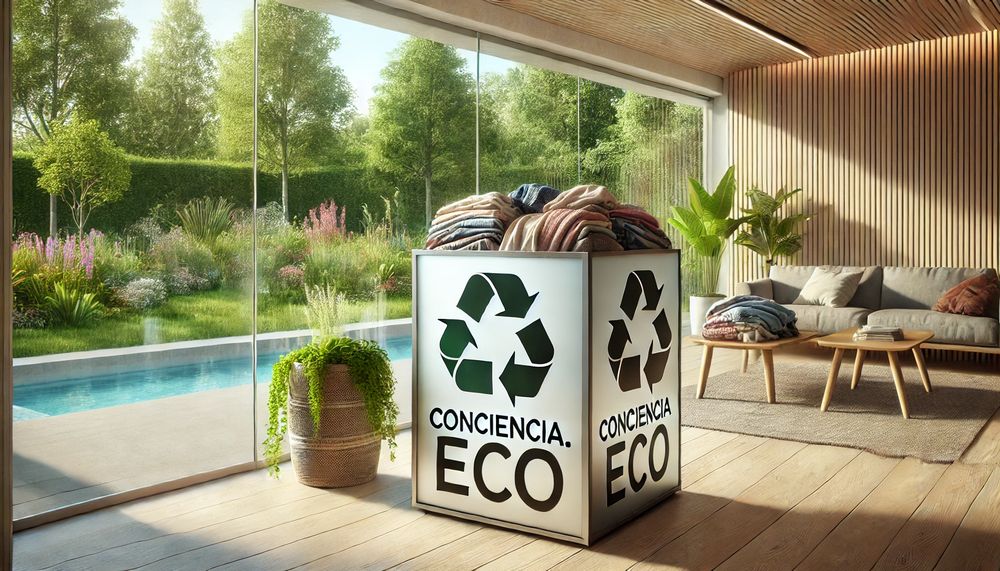
When you no longer need a garment, consider recycling it or donating it to those who can give it a new use. Many organizations and recycling centers accept clothing to transform it into new products. This way, you prevent it from ending up in a landfill and promote a circular economy.
8. Avoid Fast Fashion and Shop with Awareness
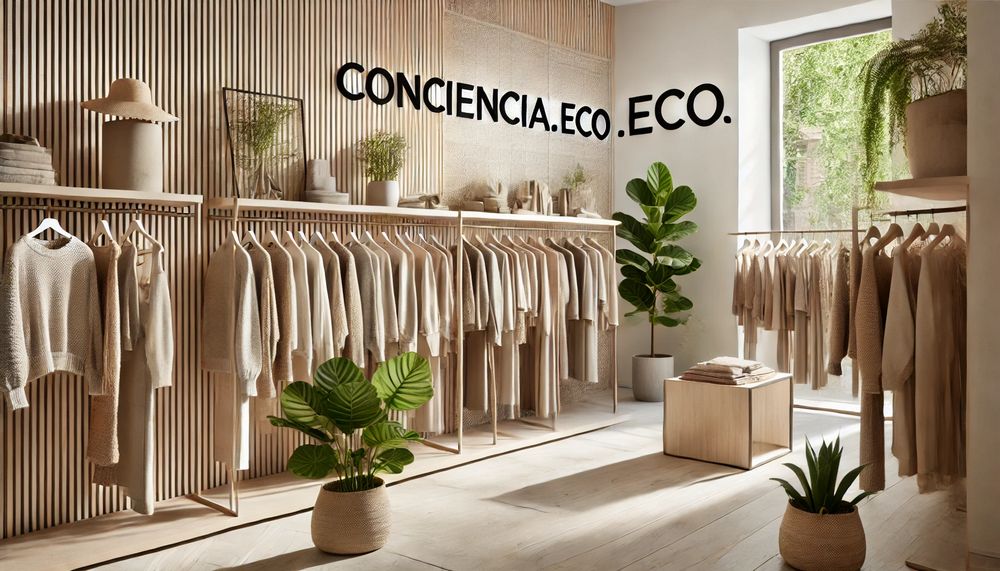
Fast fashion produces large amounts of waste and harmful emissions. Choose to buy less, but of better quality. Investing in durable, timeless garments not only benefits the planet but also helps you save in the long run.
9. Use Eco-friendly Accessories and Shoes
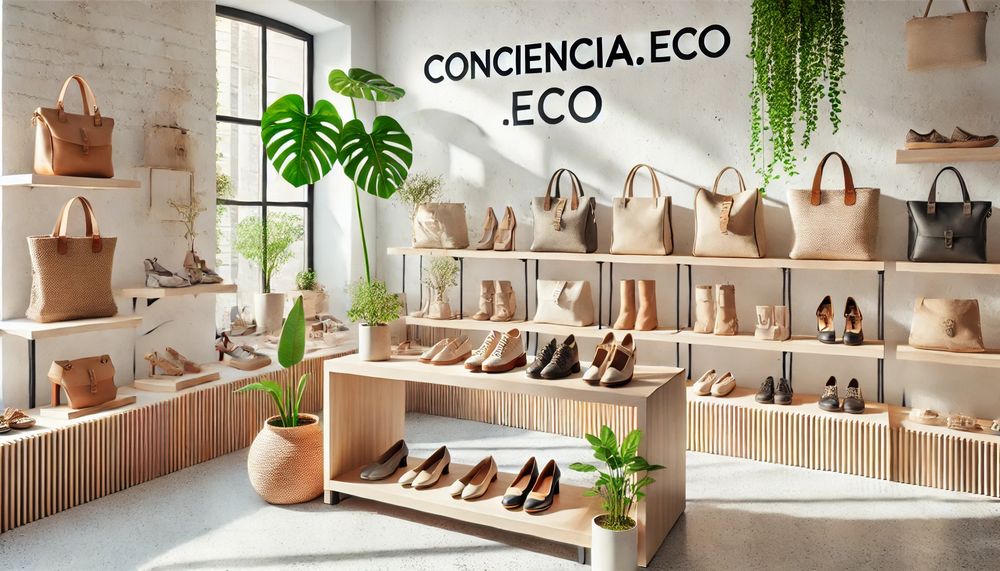
Choose accessories made from recycled or sustainable materials, such as shoes made of vegan leather or bags made from recycled fabric. These products are not only eco-friendly but also reflect a unique and conscious style.
10. Learn to Read Labels and Look for Green Certifications
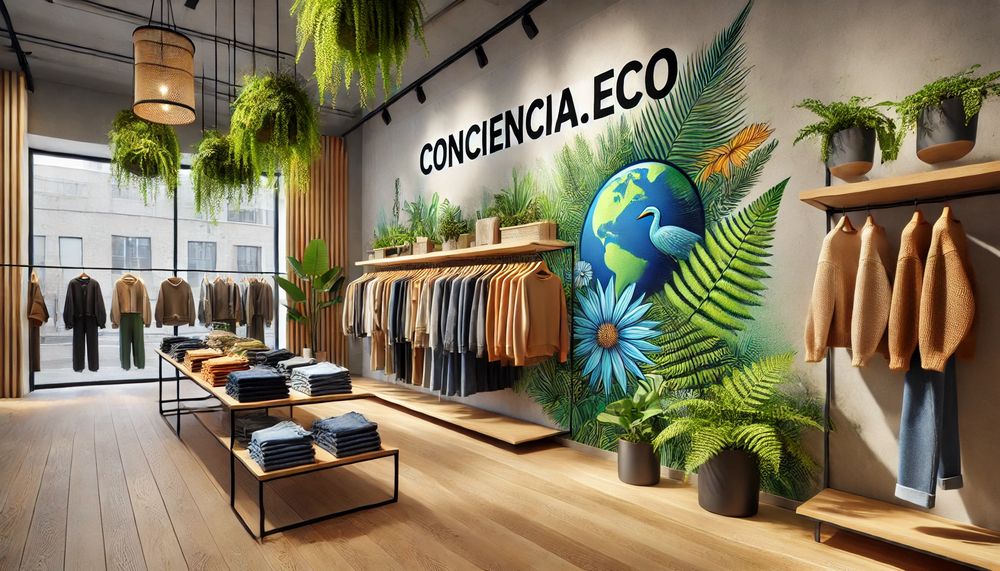
The labels on your clothing can reveal a lot about its environmental impact. Look for certifications like GOTS (Global Organic Textile Standard) or Fair Trade. These certify that the garments were produced sustainably and ethically, promoting more responsible consumption.
Environmental Impact of Fashion and How You Can Make a Difference
| Shocking Fact | What You Can Do |
|---|---|
| It takes 2,700 liters of water to make a cotton T-shirt, enough for one person to drink for 2 years. | Buy fewer clothes and choose organic cotton, which uses less water in its production. |
| 85% of textiles end up in landfills every year, which equals one garbage truck full every second. | Recycle, donate, and reuse clothing to keep it from becoming waste. |
| The fashion industry generates 10% of global carbon emissions, more than flights and shipping combined. | Support sustainable brands that work to reduce their emissions. |
| Synthetic microfibers from clothing account for 35% of microplastics in the oceans. | Avoid washing synthetic clothing frequently or use microplastic filters in your washing machine. |
| The average consumer buys 60% more clothing now than 15 years ago, but wears each garment 50% less. | Build a capsule wardrobe with versatile and durable garments. |
How Textile Recycling Works
Textile recycling is one of the most effective ways to reduce the environmental impact of the fashion industry. This process transforms used garments or textile waste into new materials or useful products, preventing them from ending up in landfills. Below, we explain the key steps of the process:
- Collection: Used garments are collected through donations, recycling bins, or specialized centers.
- Classification: Garments are separated according to their material type, such as cotton, polyester, or textile blends.
- Processing: The materials are crushed, defibered, or broken down into fibers to be reused.
- Creation of new products: Recycled fibers are transformed into new textiles, insulating materials, fillers, or even new clothing.
Adopting textile recycling not only helps reduce waste but also promotes a circular economy in the fashion industry.
Benefits of Adopting a Conscious Lifestyle
Switching to a conscious lifestyle not only benefits the environment but also your personal well-being. This approach allows you to make informed and responsible decisions, creating a positive impact on the world. Some key benefits are:
- Reducing your ecological footprint by consuming less and reusing more.
- Saving money by choosing durable and quality products.
- Promoting a more ethical and sustainable industry by supporting responsible brands.
Conclusion
Adopting conscious habits when dressing is a powerful way to care for the planet and contribute to positive change. Every choice you make matters, and it is possible to make a difference in your daily life.
Start today with small changes, like choosing secondhand clothing or reducing how often you shop. Invite your friends and family to join this transformation for a more sustainable future!