
Washing clothes is a daily activity that can have a significant impact on the environment. However, with small adjustments to your routine, you can make this task more sustainable. Here we share with you 10 eco-friendly ways to wash your clothes and reduce your ecological footprint, helping to care for the planet while keeping your garments spotless.
1. Use Biodegradable Detergents
Choosing biodegradable detergents is an excellent way to care for the environment. These products are designed to break down naturally, preventing water pollution and protecting aquatic ecosystems. Look for products free of phosphates, synthetic fragrances, or harsh chemicals, as these tend to be the most eco-friendly and safe.
2. Always Wash with Cold Water Whenever Possible
Cold water is enough to clean most everyday clothes. Using cold water not only saves energy by avoiding water heating, but also extends the lifespan of your clothing, as it reduces fiber wear. A double benefit for you and the planet!
3. Fill the Washing Machine to Its Maximum Capacity

Make sure to use the washing machine only when it is completely full. This not only reduces the number of wash cycles but also saves water and energy. Avoid overloading the washing machine, as this can affect the quality of the wash and the machine’s performance.
4. Choose an Eco or Short Wash Cycle
Most modern washing machines have eco-friendly or quick cycles that use less water and energy. Using these options reduces the environmental impact of each load without compromising the cleanliness of your clothes. It’s an easy and effective solution to make your laundry more sustainable.
5. Choose Washing Bags for Microplastics
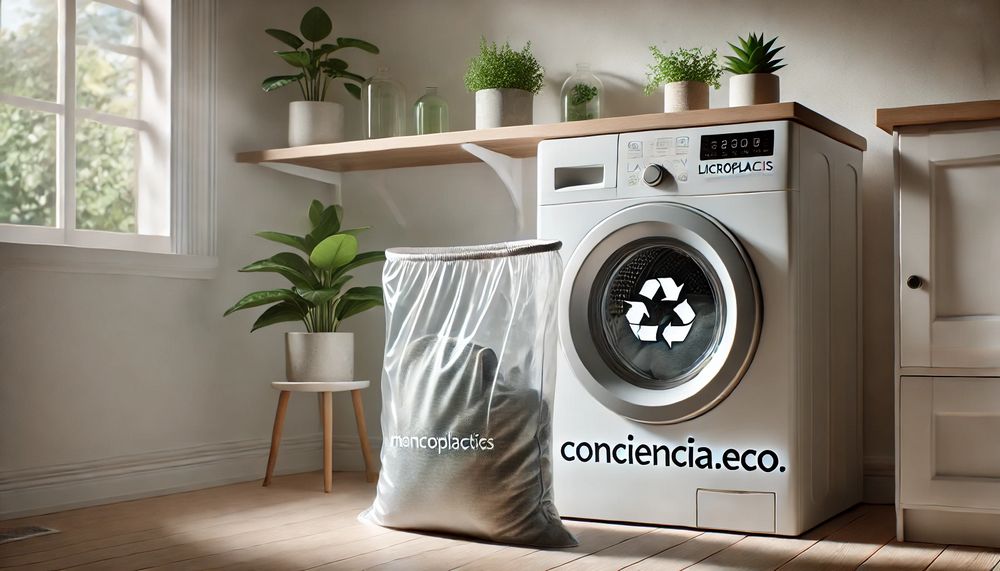
When you wash synthetic garments, they release microplastics that end up in the oceans. Using special laundry bags captures these microplastics and prevents them from reaching the water. It’s a small change with a big impact to reduce ocean pollution and protect marine life.
6. Dry Clothes Outdoors Instead of Using a Dryer

The dryer consumes a large amount of energy, so drying clothes outdoors is a more sustainable alternative. Additionally, sunlight acts as a natural disinfectant and helps reduce odors in garments. Take advantage of sunny days and contribute to lower energy consumption.
7. Reuse Wash Water for Other Tasks
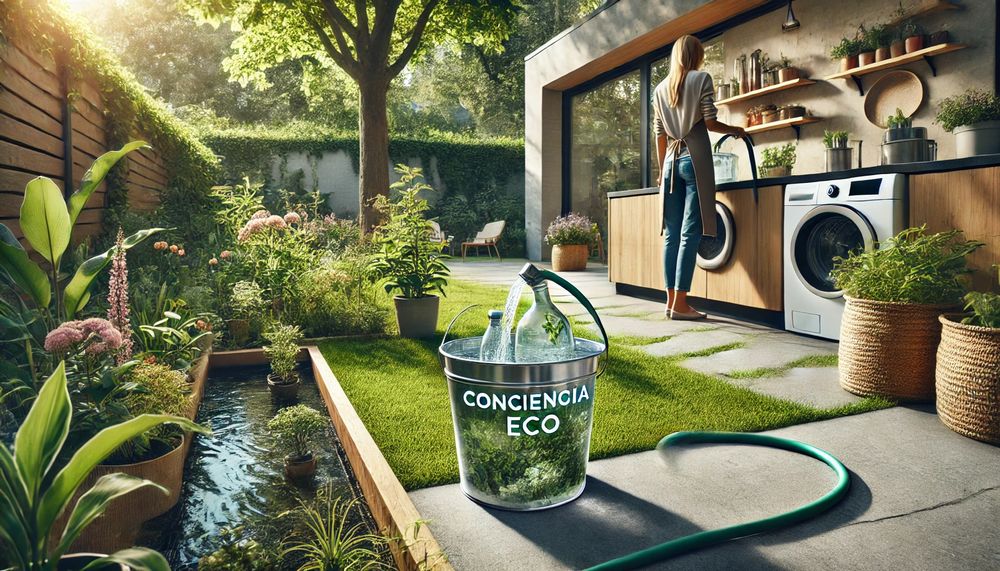
The water you use for washing clothes can be reused for activities such as cleaning floors or watering non-edible plants. This practice helps reduce water waste and is especially valuable in areas where this resource is limited.
8. Reduce the Frequency of Washing Lightly Soiled Clothes

It is not necessary to wash garments after every use, especially if they are not visibly dirty. Hanging them to air out or using an eco-friendly refreshing spray can be enough. You will save water, detergent, and energy, while caring for your clothes and the environment.
9. Repair Your Washing Machine to Extend Its Lifespan

If your washing machine starts to malfunction, consider repairing it instead of replacing it. Keeping your equipment in good condition reduces electronic waste and helps you avoid the environmental impact associated with manufacturing new appliances.
10. Consider Homemade and Natural Detergents
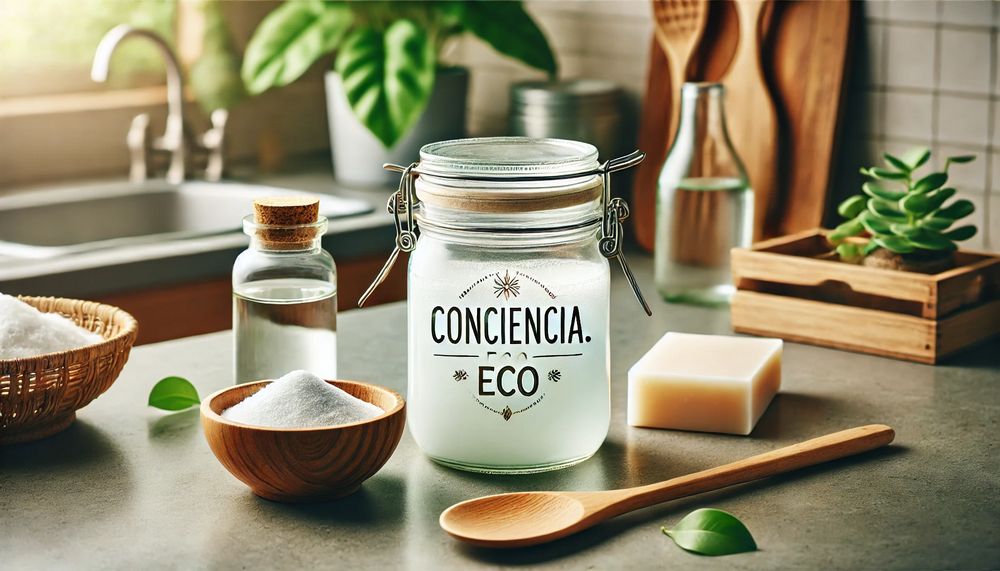
Making your own detergent with simple ingredients like baking soda, vinegar, and mild soap is an economical and sustainable alternative. It is a way to avoid harmful chemicals and to protect both water and your health. Experiment with homemade recipes and find the one that best suits your needs.
What Are Biodegradable Detergents and Why Use Them?
Biodegradable detergents are those that naturally break down thanks to microorganisms, without leaving toxic residues in the environment. Unlike conventional detergents, they do not contain phosphates or harsh chemicals that can harm aquatic plants and animals. Using them is a simple way to reduce water pollution and protect ecosystems. Additionally, they tend to be less irritating to the skin, making them a healthier choice for you and your family.
Environmental Impact of Laundry and How to Reduce It
| Appearance | Environmental Impact | How to Reduce It |
|---|---|---|
| Water Consumption | A washing machine uses on average between 40 and 80 liters per load. | Use short cycles, fill the washing machine to its maximum capacity, and reuse water for other tasks. |
| Energy Use | Heating water accounts for up to 90% of energy consumption. | Always wash with cold water whenever possible and choose efficient appliances (certified by Energy Star). |
| Microplastic Emission | Each wash releases thousands of microplastics into the water, which end up polluting the oceans. | Use specialized washing bags and avoid washing synthetic garments unnecessarily. |
| Packaging Waste | Approximately 80% of detergent packaging ends up in landfills or the environment. | Choose detergents in recyclable, biodegradable, or bulk packaging. |
How to Recycle and Properly Dispose of Detergent Containers
Detergent containers, usually made of plastic, can be recycled if handled properly. Before disposing of them, it is important to make sure they are completely empty and clean. This makes processing easier at recycling centers. Here are some key steps:
- Clean the container removing any detergent residue with water.
- Remove paper or plastic labels whenever possible.
- Sort the packaging according to the type of plastic and place it in the appropriate recycling container.
- Choose to buy detergents in recyclable or reusable packaging in the future.
- Consider reusing containers as holders for other household uses.
With small actions like these, you can help reduce plastic pollution and promote a more sustainable lifecycle for these materials.
Conclusion:
Washing clothes sustainably doesn’t require great effort, but it does require a shift in mindset and habits. Every choice you make, from the type of detergent to how you dry your garments, can positively impact the environment. Take the initiative to implement these practices in your daily routine and be part of the change! Caring for the planet starts with small actions, and you have the power to make a difference.
